
View of Olevano — History & Facts
Could beauty survive in a century of chaos? In View of Olevano, the tranquil landscape speaks volumes of resilience, where light and shadow dance in harmony. Look to the center of the canvas at the inviting path that winds through vibrant greenery, drawing your gaze toward the distant hills. Notice how soft, dappled light filters through the trees, creating a serene interplay of illumination and shade. The palette boasts lush greens contrasted with the warm tones of the earth, inviting a sense of calm while hinting at the emotional weight carried within the scene. Yet, behind the picturesque facade lies an intricate narrative.
The juxtaposition of light and shadow suggests the duality of existence—beauty intertwined with underlying sorrow. The dark, looming mountains in the background represent the challenges of the era, while the delicate touches of sunlight symbolize hope and renewal. Each brushstroke breathes life and complexity into the idyllic composition, inviting viewers to reflect on the fleeting nature of serenity. In 1827, Jean-Baptiste-Camille Corot painted View of Olevano during a period of great change in the European art world, stepping away from the rigid classicism of his predecessors.
Residing in Italy, he was inspired by the enchanting landscapes of the countryside, embodying the burgeoning Romantic spirit in art. This work marks a pivotal moment in his career, as he navigated between tradition and the emerging desire for emotional expression in landscape painting.
More Artworks by Jean-Baptiste-Camille Corot
Browse all →
View of Genoa
Jean-Baptiste-Camille Corot
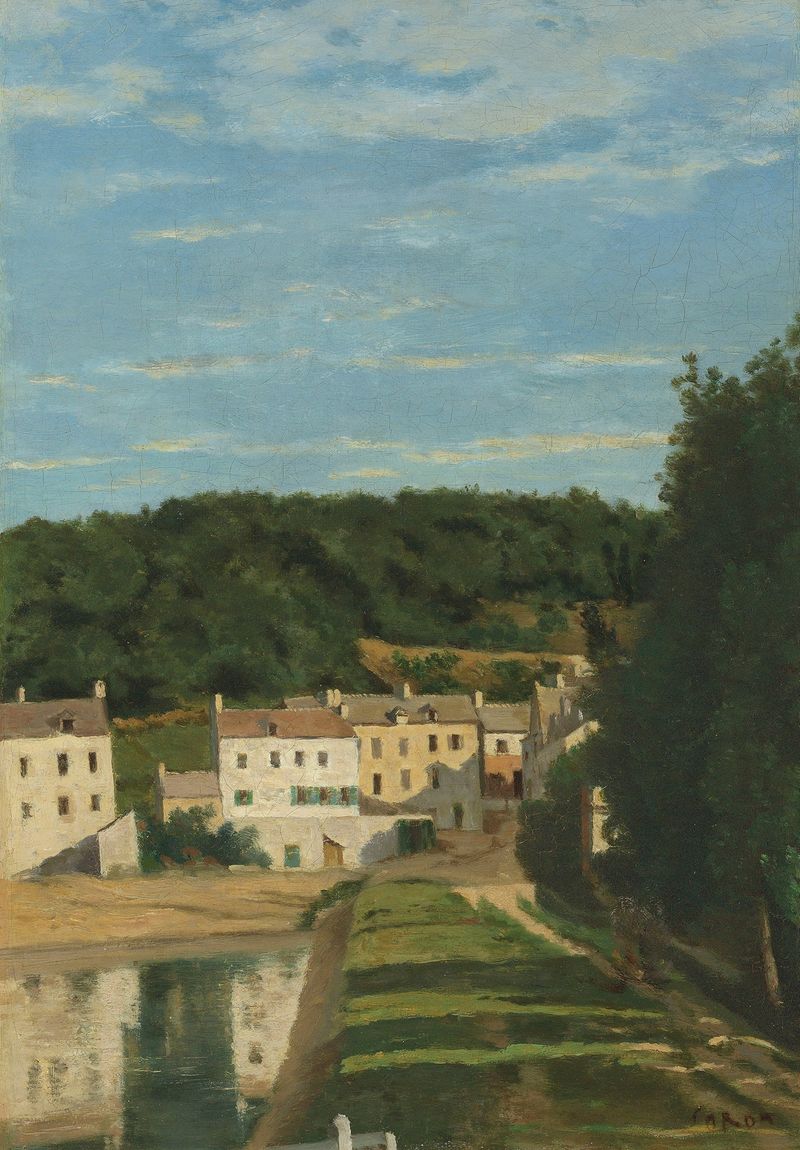
Les Maisons Cabassud À Ville D’avray
Jean-Baptiste-Camille Corot

La solitude. Souvenir de Vigen (Limousin)
Jean-Baptiste-Camille Corot
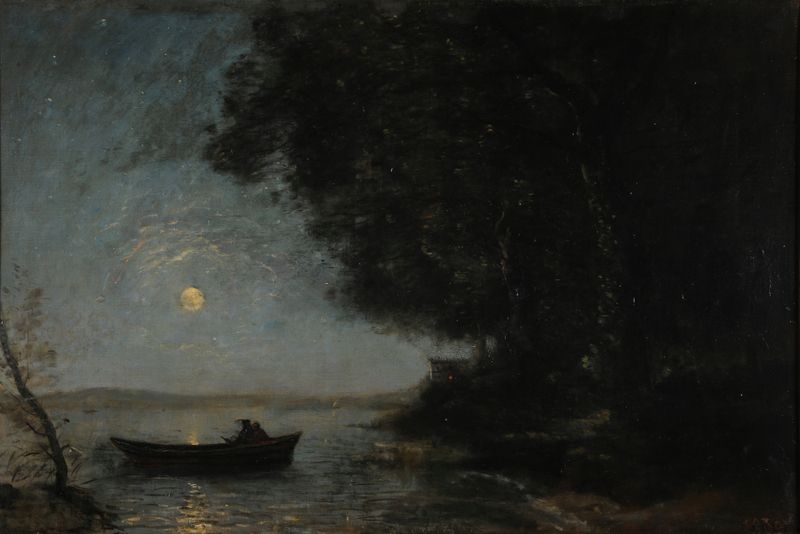
Le lac ; effet de nuit
Jean-Baptiste-Camille Corot
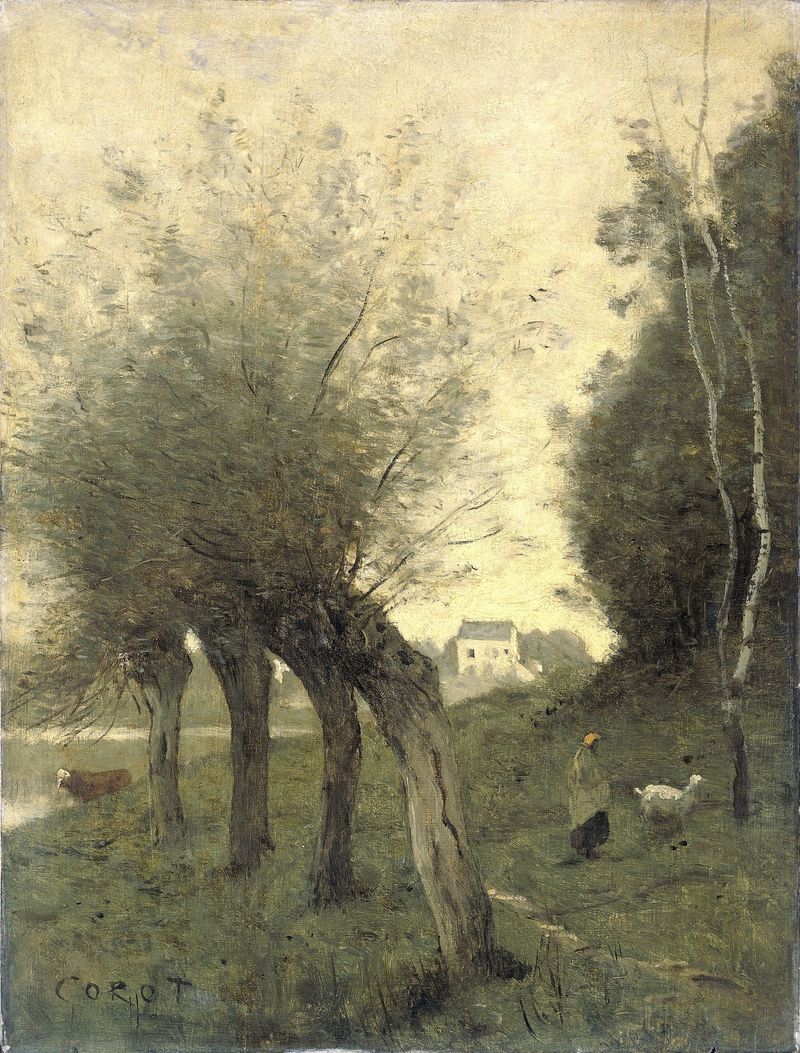
Landscape with Pollard Willows
Jean-Baptiste-Camille Corot
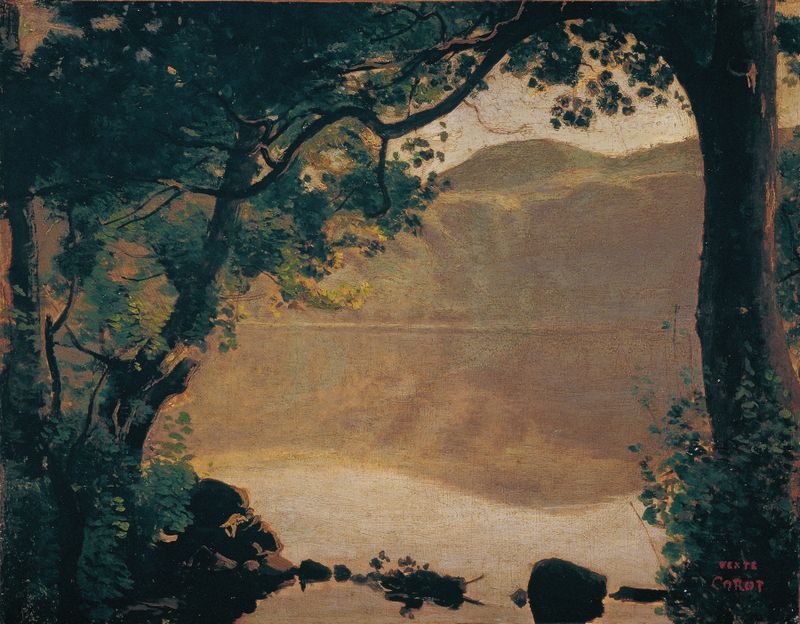
Der Nemisee
Jean-Baptiste-Camille Corot
Les Étangs De Ville D’avray
Jean-Baptiste-Camille Corot
Pond in the Woods
Jean-Baptiste-Camille Corot
Ville D’avray; L’abreuvoir Des Chevaux
Jean-Baptiste-Camille Corot
Le vallon au cavalier
Jean-Baptiste-Camille Corot





