
View of Palermo — History & Facts
Could a single brushstroke hold eternity? In View of Palermo, the delicate interplay of light and color conjures a longing for the beautiful and the ephemeral, capturing a moment that transcends time. Look to the foreground, where the shimmering waters of the bay invite your gaze. The vibrant blues and greens contrast with the warm, golden hues of the sun-drenched landscape. Notice how the gentle brushstrokes evoke movement, as though the waves are whispering secrets to the shore, while the distant mountains loom majestically, framing the scene.
The composition is a harmonious blend of realism and romanticism, drawing you into a world both familiar and dreamlike. As you delve deeper, consider the emotional tension nestled within the painting. The lively harbor is bustling with boats, hinting at human activity and desire, yet the vast, serene landscape offers a contrasting sense of solitude. The clouds hanging low seem almost melancholic, suggesting a fleeting moment of beauty that cannot be held onto.
This interplay between vibrancy and quiet introspection encapsulates the artist's yearning for connection with nature and the sublime. Completed in 1833, this work emerged during a pivotal period in Thomas Fearnley’s life as he traveled through Italy, absorbing its breathtaking vistas. The age of Romanticism was in full bloom, with artists seeking to express the sublime beauty of the natural world. Fearnley, influenced by both landscape tradition and personal experience, crafted this piece as a reflection of his own longing, transcending the physical to touch the emotional core of human desire.
More Artworks by Thomas Fearnley
Browse all →
Norwegian Landscape, Marumfoss
Thomas Fearnley

View of the Oslofjord
Thomas Fearnley

Gudvangen
Thomas Fearnley

Stormy Landscape with a Rider
Thomas Fearnley
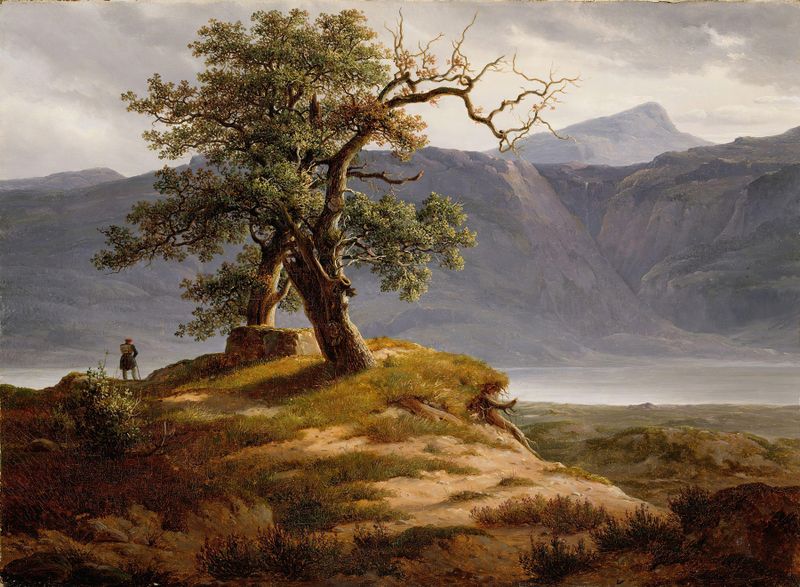
Landscape with a Wanderer
Thomas Fearnley
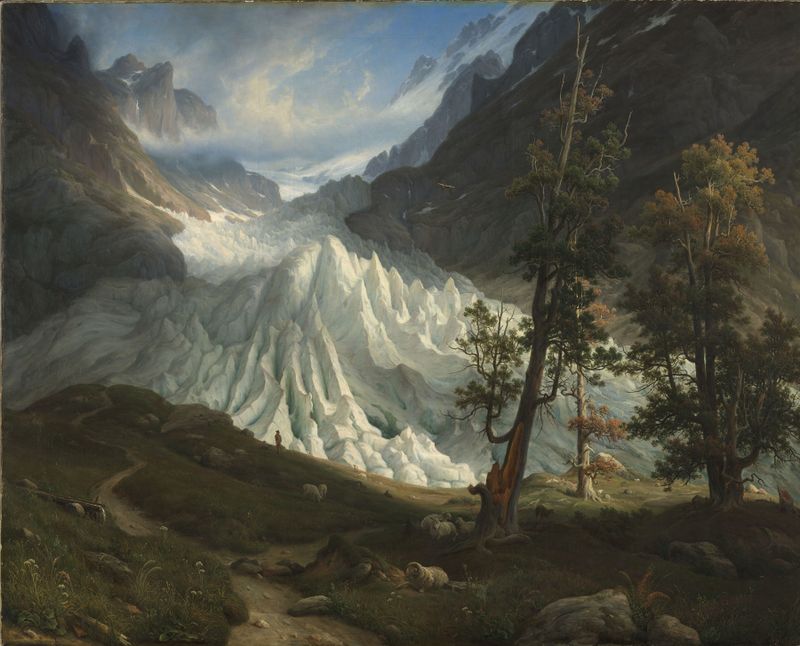
The Grindelwaldgletscher
Thomas Fearnley

Clouds over the Fjord
Thomas Fearnley
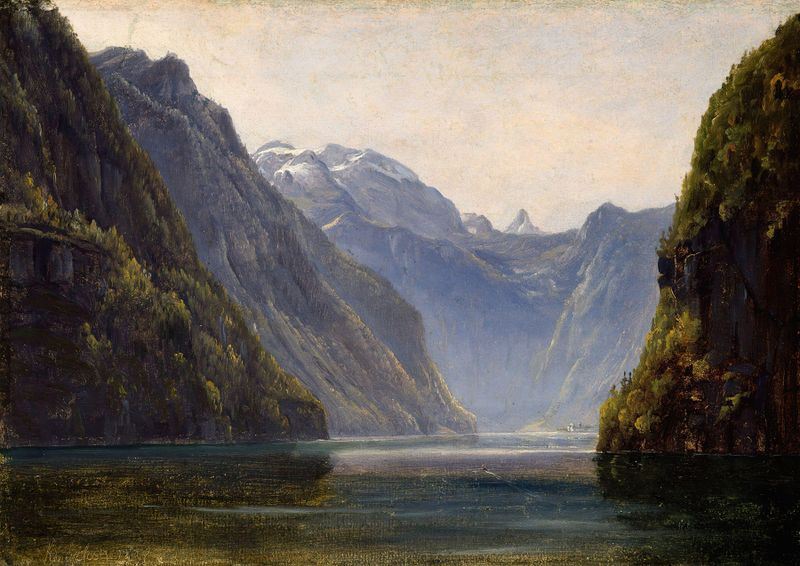
From Königssee
Thomas Fearnley

The Bridge of Hauge outside Arendal
Thomas Fearnley

King Vilhelm II’s ceremonial Processsion in Amsterdam in 1840
Thomas Fearnley





