
View of Stockholm — History & Facts
Could beauty survive in a century of chaos? In View of Stockholm, Thomas Fearnley invites us to witness an urban landscape that seems to breathe tranquility amidst the uncertain tides of the early 19th century. Look to the left at the gentle curve of the shoreline, where the soft pastel hues of the sky fade into reflections on the still waters below. The delicate brushwork captures the interplay of light and shadow, emphasizing the transition from day to dusk. The ochres and blues mingle effortlessly, creating a soothing palette that draws the eye toward the historic architecture, which stands carved against the horizon, a testament to resilience. Yet, beneath this serene surface, there lie deeper currents of meaning.
The juxtaposition of the calm water with the looming edifices reflects an inner conflict, perhaps symbolizing the tension between nature and civilization. Each detail, from the boats gently bobbing in the harbor to the wisps of clouds overhead, symbolizes a fragile harmony that could easily be disrupted. Fearnley’s choice to portray Stockholm in this calm moment evokes a sense of revelation—each element suggests both the beauty and the precariousness of human existence. In 1824, Fearnley painted this scene while navigating the artistic landscape of Norway and Sweden, influenced by Romanticism's embrace of nature's sublimity.
This period of his life was marked by a deep engagement with the environment, as he sought to capture the essence of Nordic landscapes. The world was still reeling from the Napoleonic Wars, and his depiction of Stockholm reflects a yearning for stability and beauty in a time of profound change.
More Artworks by Thomas Fearnley
Browse all →
Norwegian Landscape, Marumfoss
Thomas Fearnley

View of the Oslofjord
Thomas Fearnley

Gudvangen
Thomas Fearnley

Stormy Landscape with a Rider
Thomas Fearnley
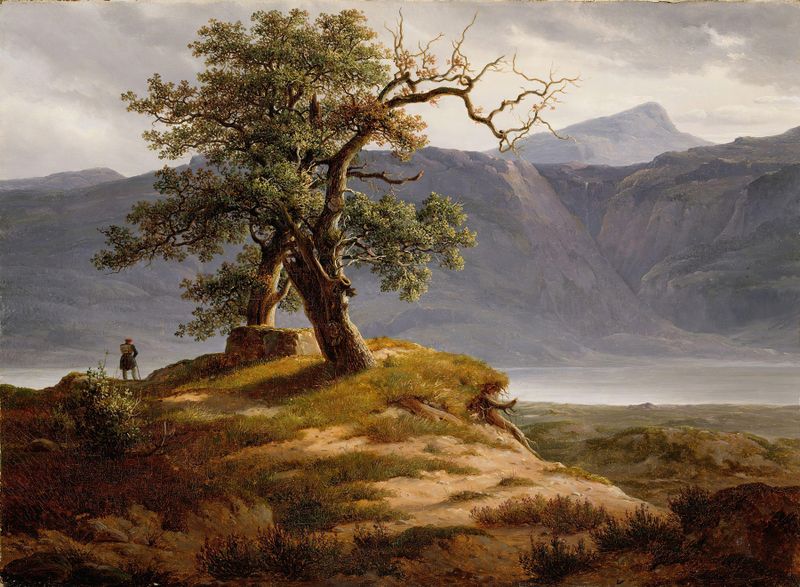
Landscape with a Wanderer
Thomas Fearnley
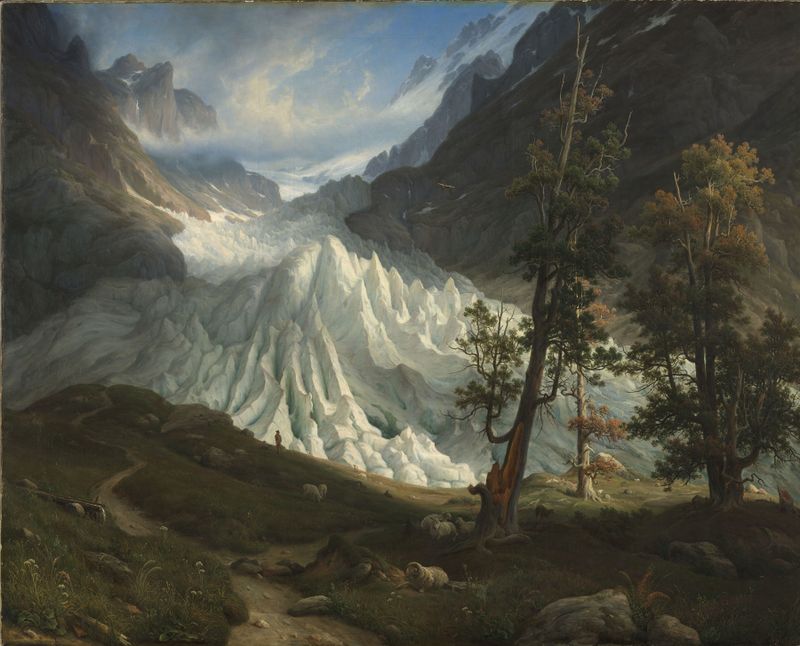
The Grindelwaldgletscher
Thomas Fearnley

Clouds over the Fjord
Thomas Fearnley
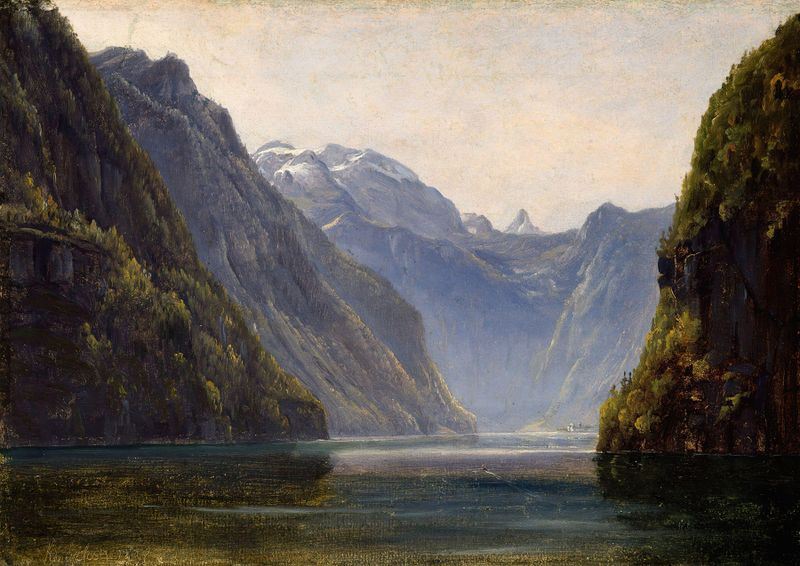
From Königssee
Thomas Fearnley

The Bridge of Hauge outside Arendal
Thomas Fearnley

King Vilhelm II’s ceremonial Processsion in Amsterdam in 1840
Thomas Fearnley





