View Of The Amalfi Coast — History & Analysis
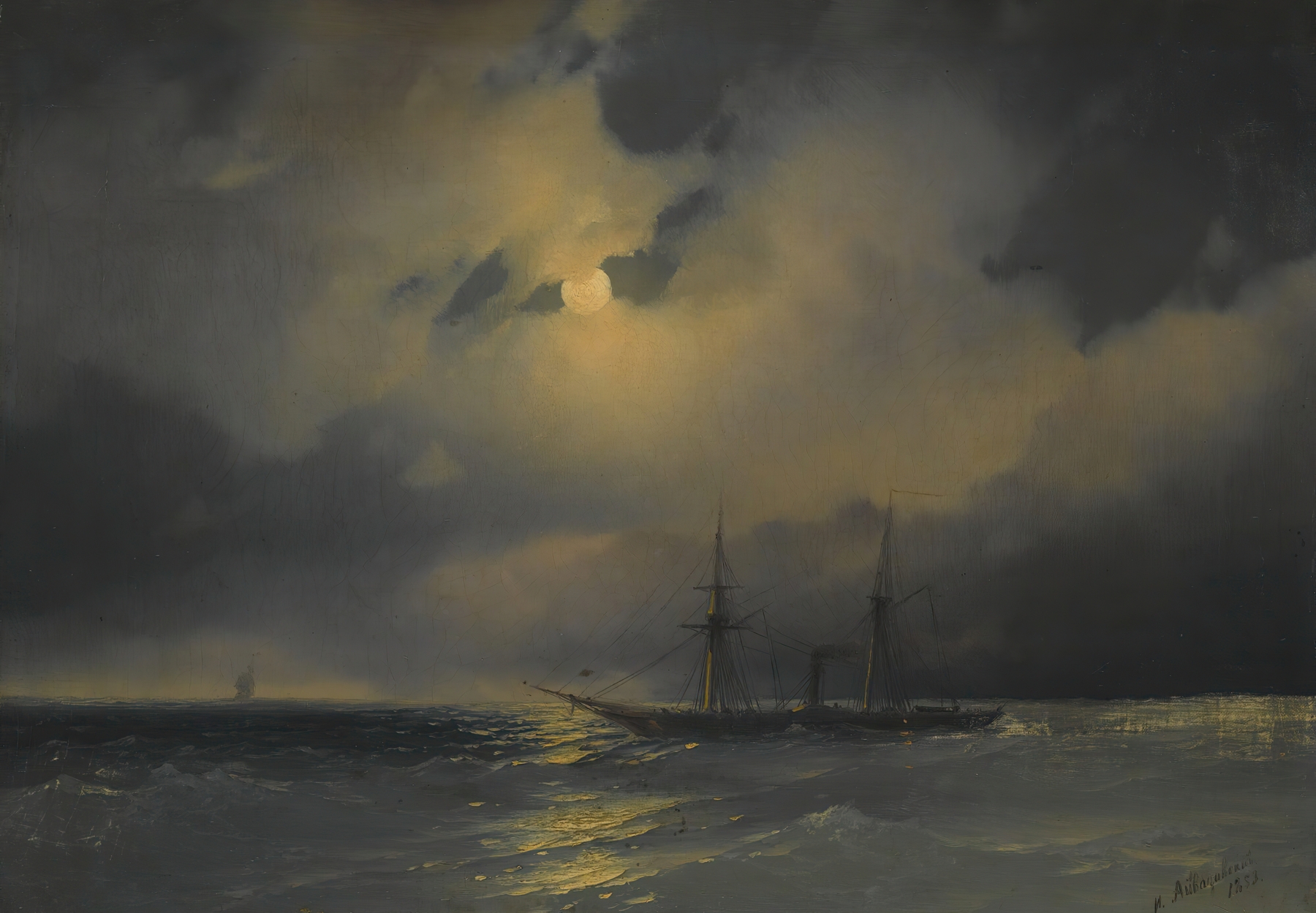
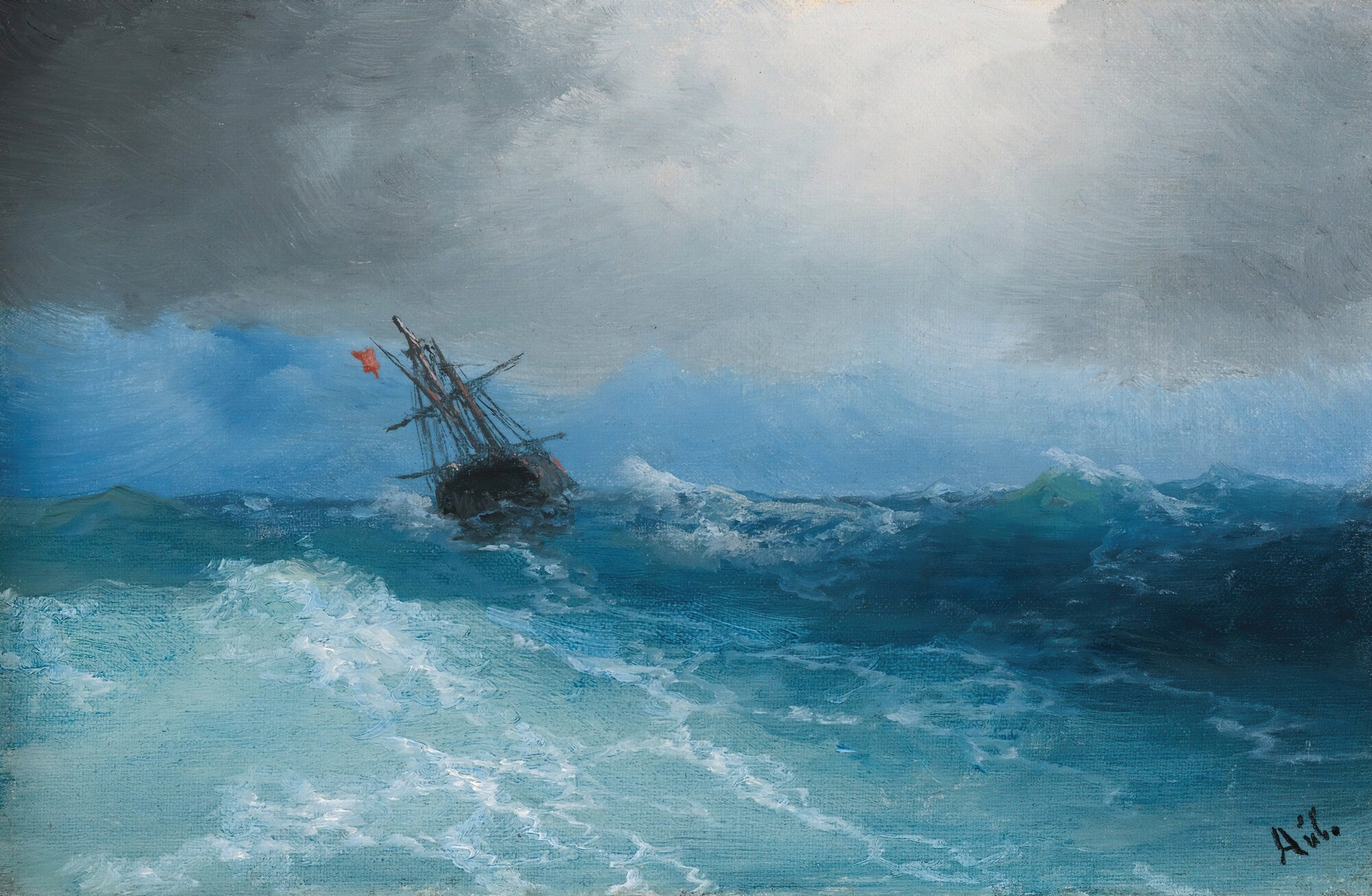
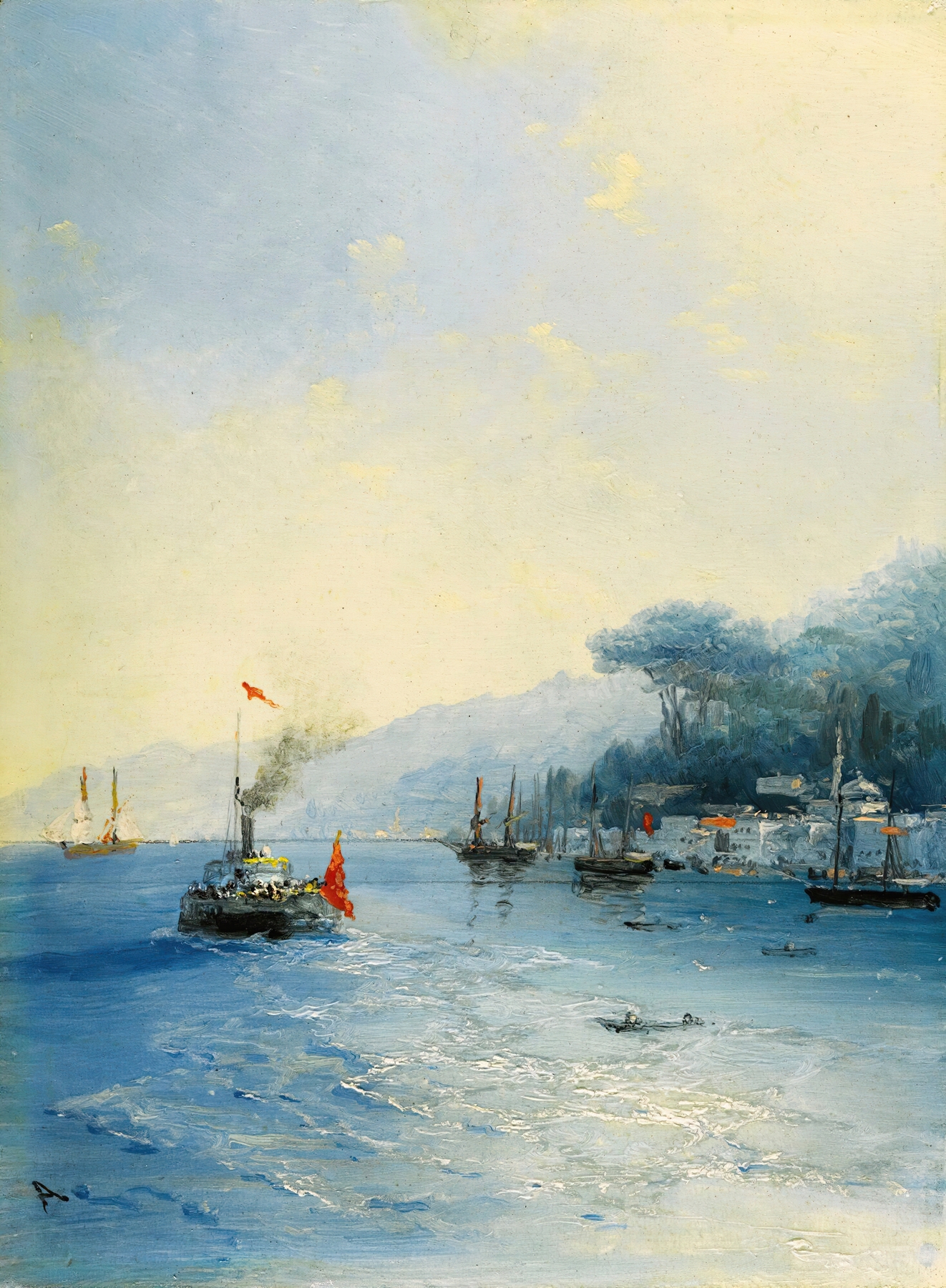
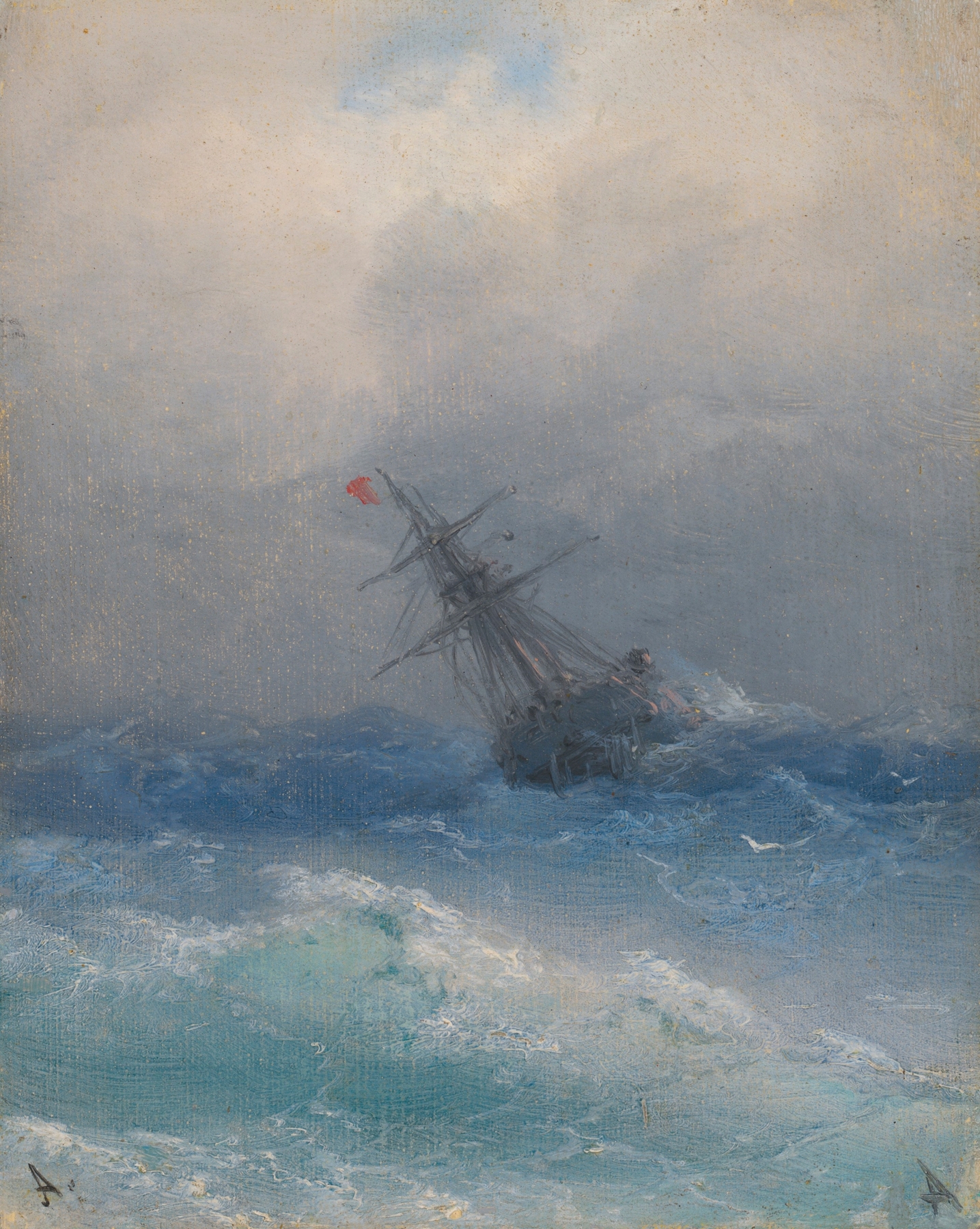
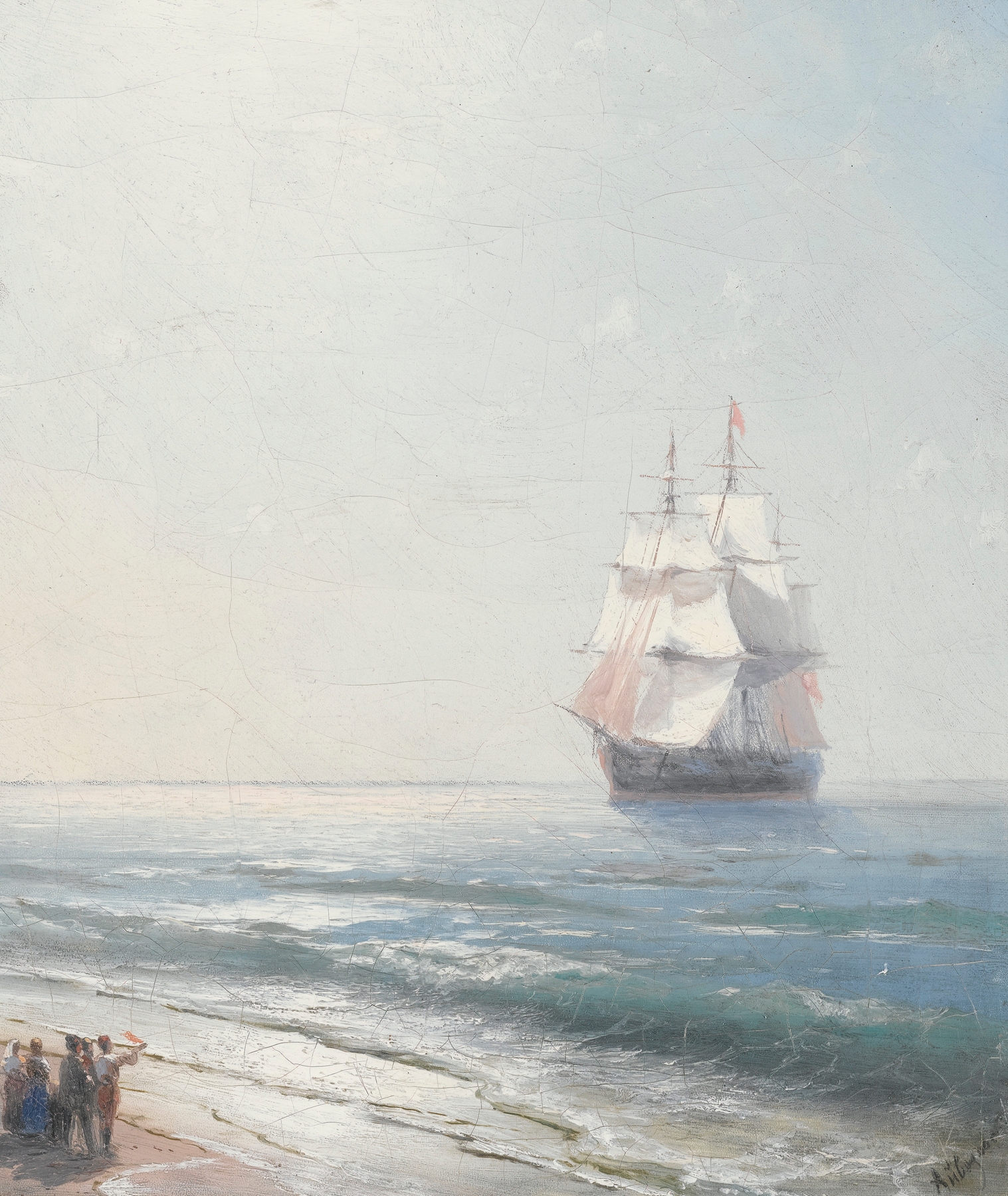
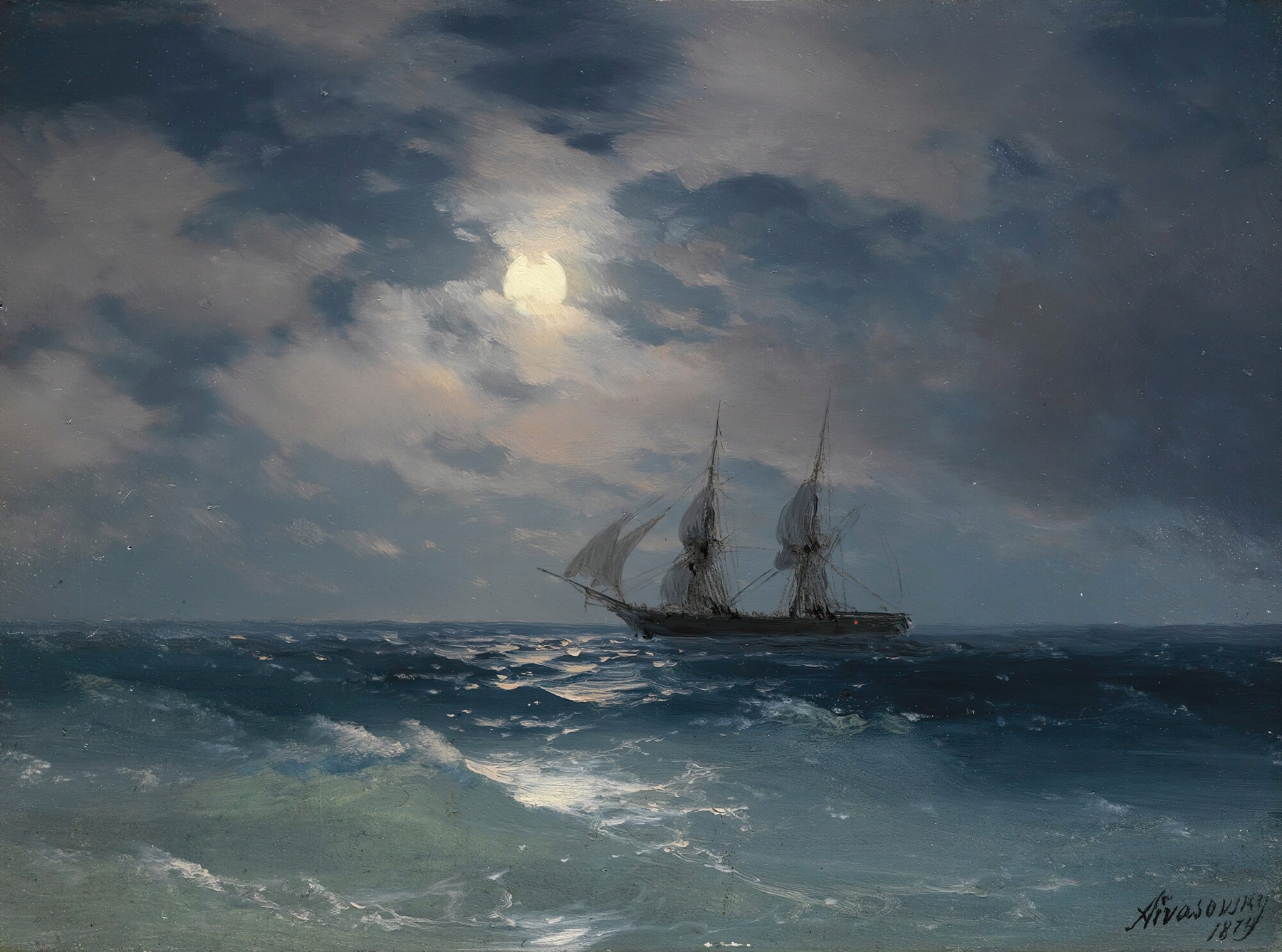
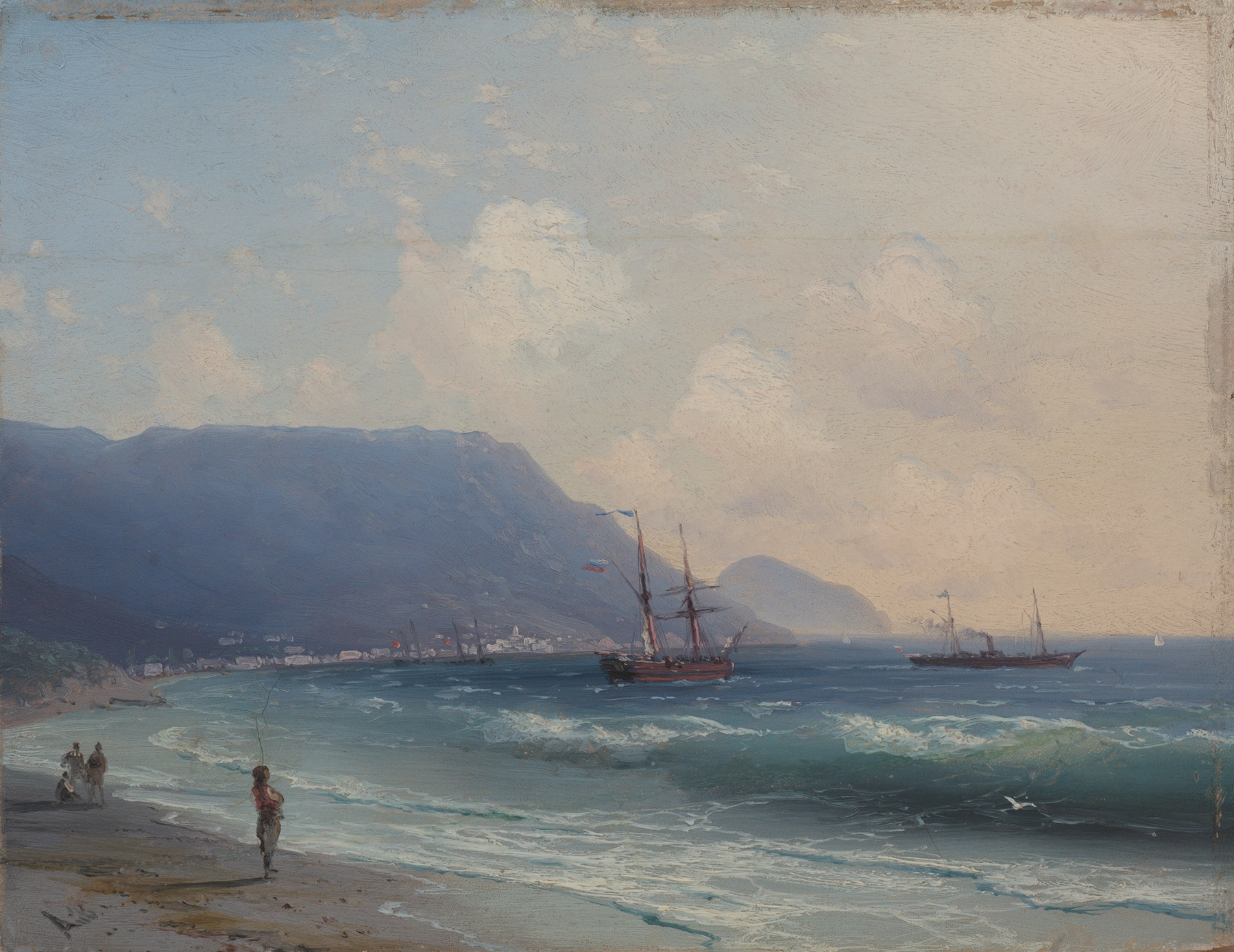
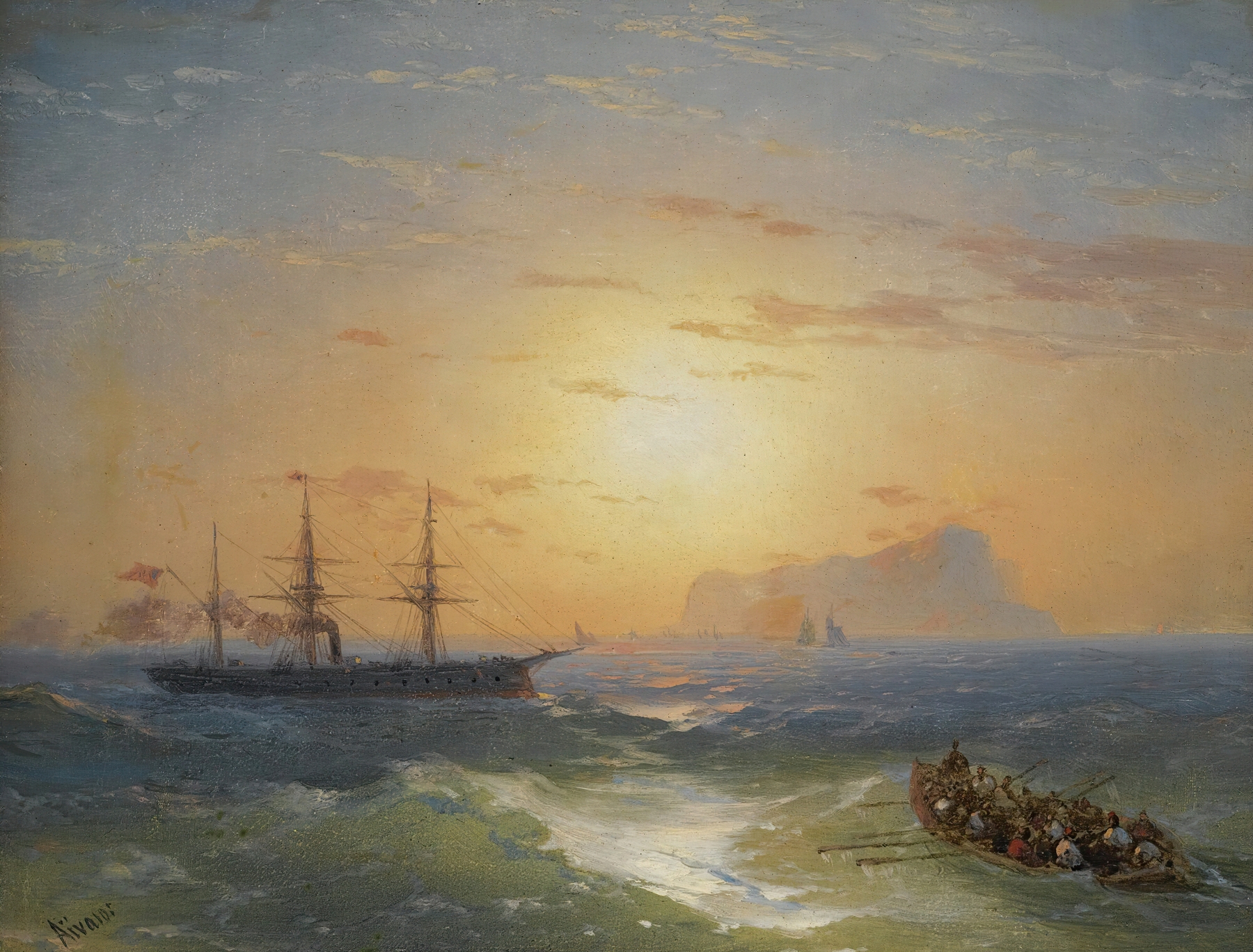
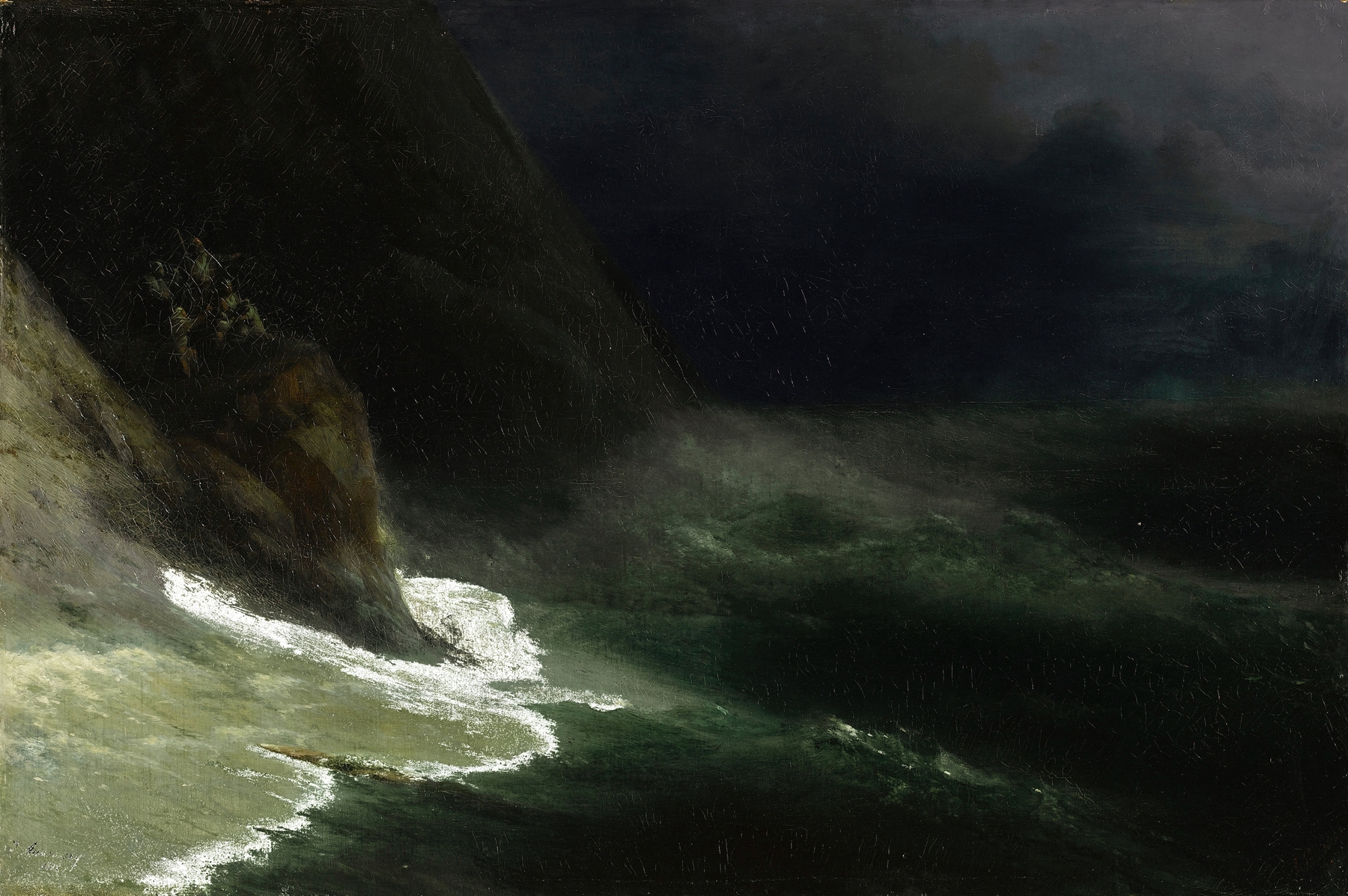
What if beauty was never meant to be finished? Each brushstroke, a whisper of nature's fragility, invites us to reflect on the ephemeral nature of existence. Look to the center of the canvas, where the azure sea meets the rugged cliffs of the Amalfi Coast. A gentle wave curls at the shoreline, whispering secrets as it breaks, while sunlight shimmers across the water, creating a dance of light and shadow. Notice the interplay of colors—the vibrant greens and gentle browns of the cliffs juxtaposed against the deep blues and whites of the sea.
Aivazovsky’s signature technique of capturing light and movement breathes life into the scene, making you feel the warm breeze and the salty air. Yet, beneath this idyllic beauty lies a sense of decay. The cliffs, though majestic, are worn by time, suggesting both permanence and vulnerability. The tranquil waters reflect serenity yet hint at the turbulent history embedded in the landscape.
These contrasts invite contemplation on the duality of nature—how it thrives and withers, often simultaneously, leaving us both in awe and in melancholy. In 1865, Aivazovsky was already a celebrated figure in the realm of marine painting, residing in Russia but deeply influenced by his travels. This period was marked by a fascination with the picturesque, as artists sought to capture the fleeting moments of natural beauty. As he rendered View of The Amalfi Coast, he was not only depicting a landscape but also engaging with the broader movement in art that wrestled with themes of impermanence and the romantic ideals of beauty in nature.