View of the city in the valley — History & Facts
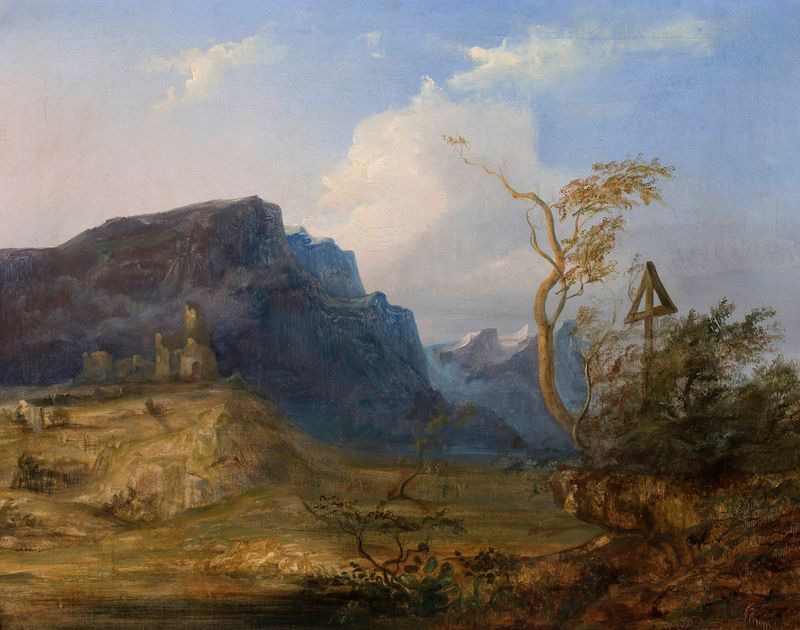
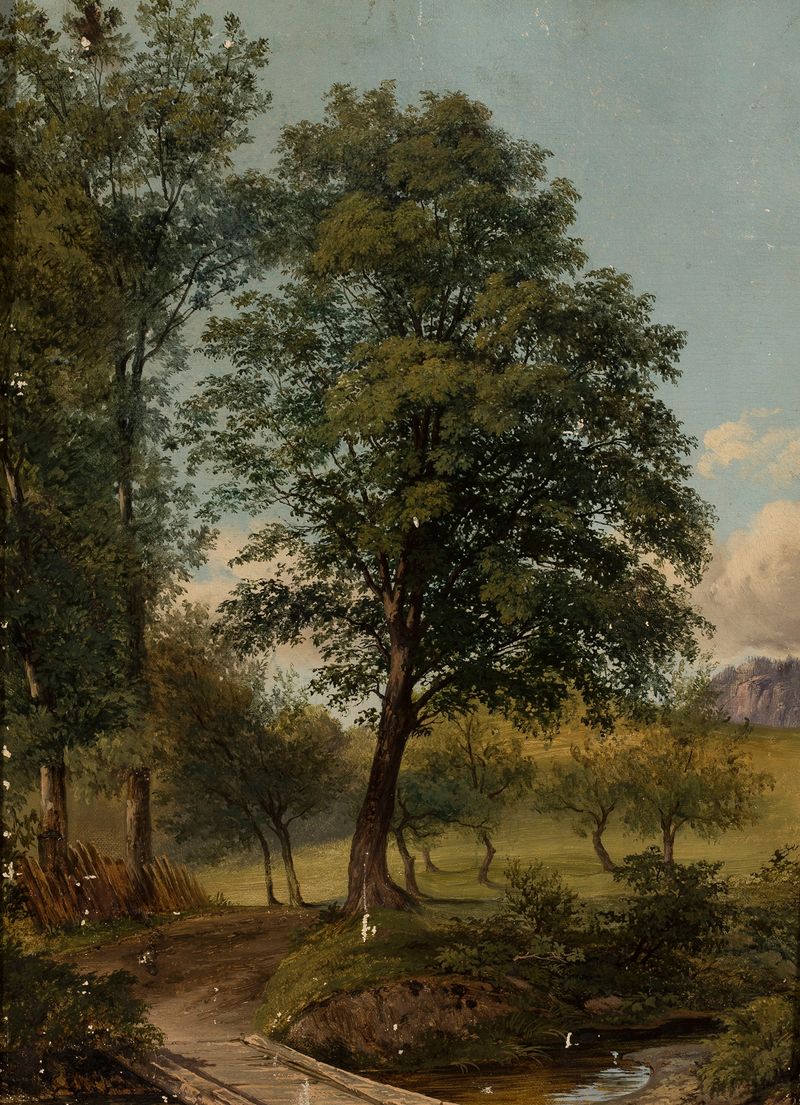
In the stillness of Glowacki's View of the City in the Valley, a palpable yearning unfolds, inviting the viewer to explore the layers of emotion embedded within the landscape. Look to the foreground where gentle hills cradle the city nestled below. The palette of muted greens and browns softly transitions to the distant blues of the valley, creating an inviting depth. The delicate brushwork captures the dappled sunlight filtering through the trees, illuminating the structures that peek out like secrets waiting to be discovered.
Every stroke conveys both the tranquility and the vibrancy of life, urging one to linger in this serene moment. As the eye wanders, the contrast between the bustling city and the surrounding nature reveals a profound tension—a yearning for connection and understanding. The hidden pathways winding through the landscape suggest journeys taken, both physical and emotional. The clouds floating above hint at dreams and aspirations, while the quietude offers a space for contemplation, echoing the silent confessions of those who dwell within and beyond the city limits. In 1829, Jan Nepomucen Glowacki created this piece during a time marked by shifting artistic currents in Poland.
The Romantic movement was gaining momentum, celebrating the beauty of nature and the weight of human emotion. Glowacki, influenced by these ideals, painted amidst a backdrop of national unrest, reflecting both a personal and collective longing for peace and identity within the turbulence of his time.