
View of the Cloaca Maxima,Rome — History & Facts
The fragility of existence intertwines with the permanence of stone, as fleeting moments are captured in this extraordinary depiction. Look to the left at the sweeping lines of the ancient aqueduct, crumbling yet majestic against the blue Roman sky. The careful use of light creates a dance of shadows across the textured surfaces, enhancing the weathered stones’ rich ochres and burnt siennas. Notice how the winding waterway, glistening with reflective hues, invites the eye to trace its gentle flow towards the horizon, a reminder of life’s bittersweet journey through time. In this work, the juxtaposition of decay and beauty speaks volumes.
The aqueduct—once a symbol of strength—now hints at vulnerability, as nature begins its quiet reclamation. The stillness of the water contrasts sharply with the bustling history surrounding it, evoking a sense of nostalgia for what has been lost. Each detail, every ripple in the water, weaves a narrative of transience, urging the viewer to reflect on their own impermanence. Created in 1814 while Eckersberg resided in Rome, this piece emerges during a period of significant artistic exploration.
As Neoclassicism began to yield to Romanticism, artists sought to capture both the grandeur of nature and the intimate qualities of human experience. Eckersberg, often regarded as the father of Danish painting, was deeply influenced by the rich history around him, drawing from the echoes of a once-great civilization to inform his own artistic vision.
More Artworks by Christoffer Wilhelm Eckersberg
Browse all →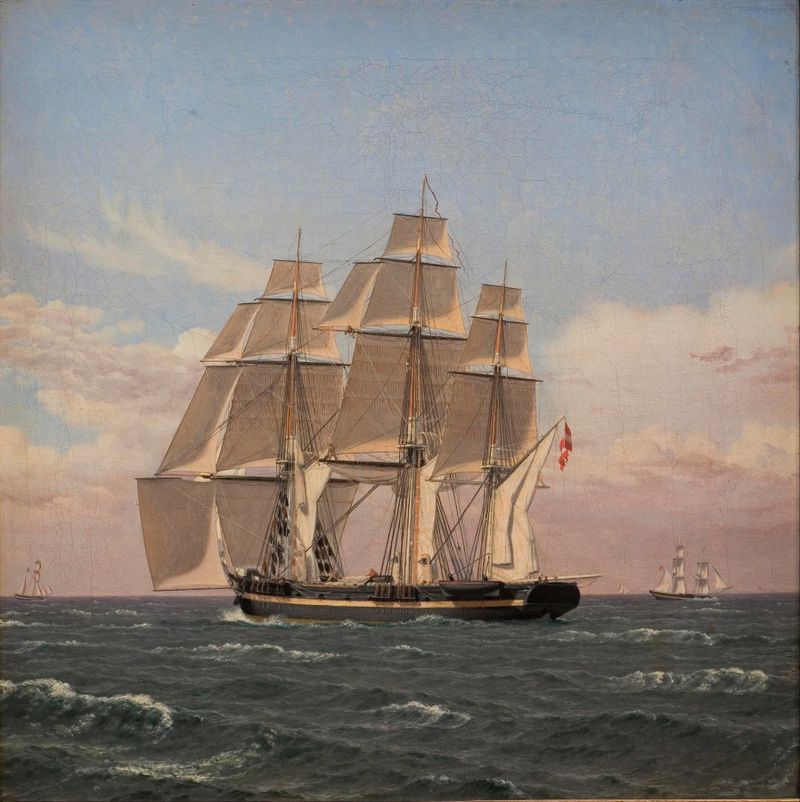
The corvette Najaden under sail
Christoffer Wilhelm Eckersberg

The Corvette Najaden under Sail
Christoffer Wilhelm Eckersberg
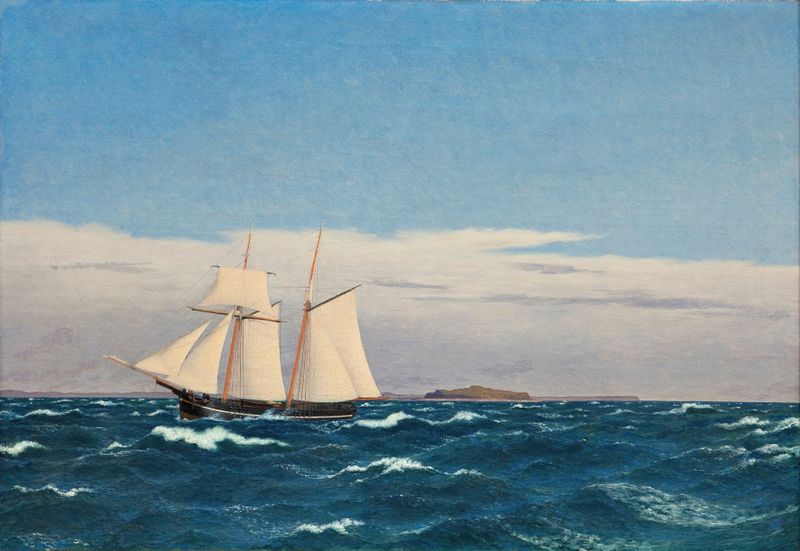
Seascape with the island of Hjelm and the coast of Jutland
Christoffer Wilhelm Eckersberg
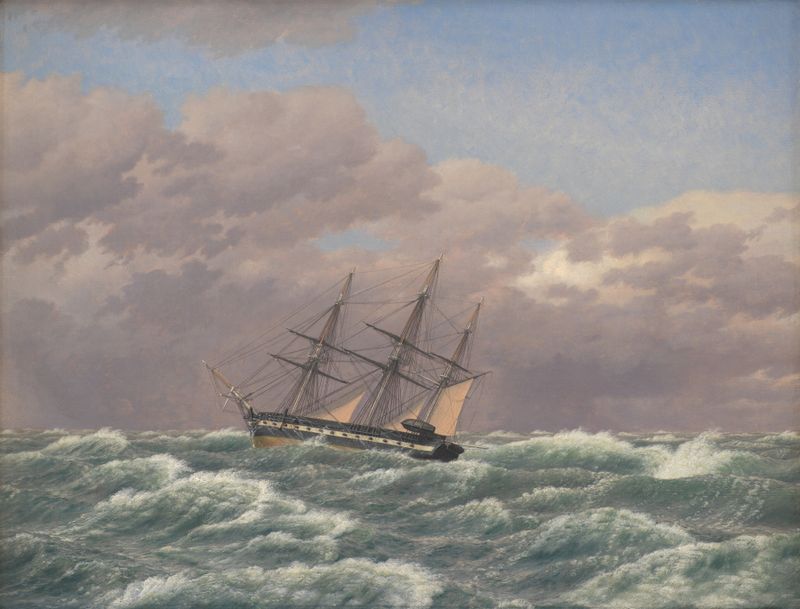
The Corvette ‘Galathea’ in a Storm in the North Sea
Christoffer Wilhelm Eckersberg
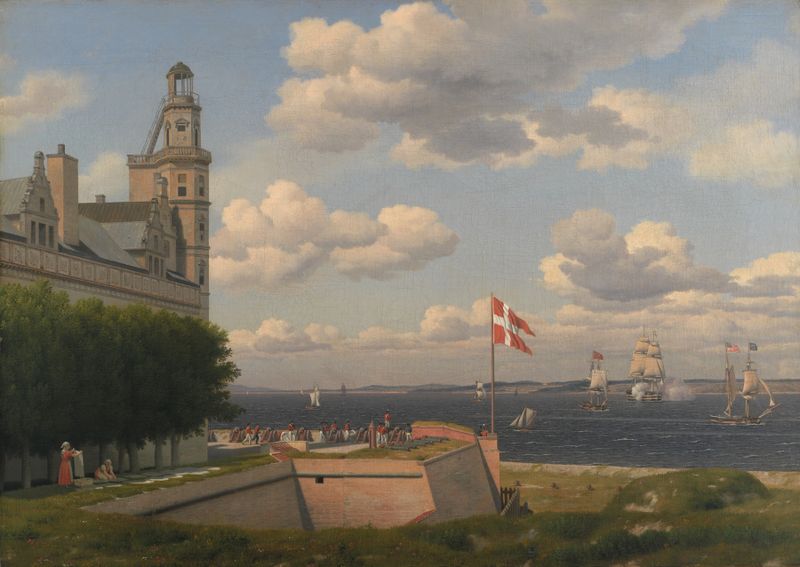
A View towards the Swedish Coast from the Ramparts of Kronborg Castle
Christoffer Wilhelm Eckersberg
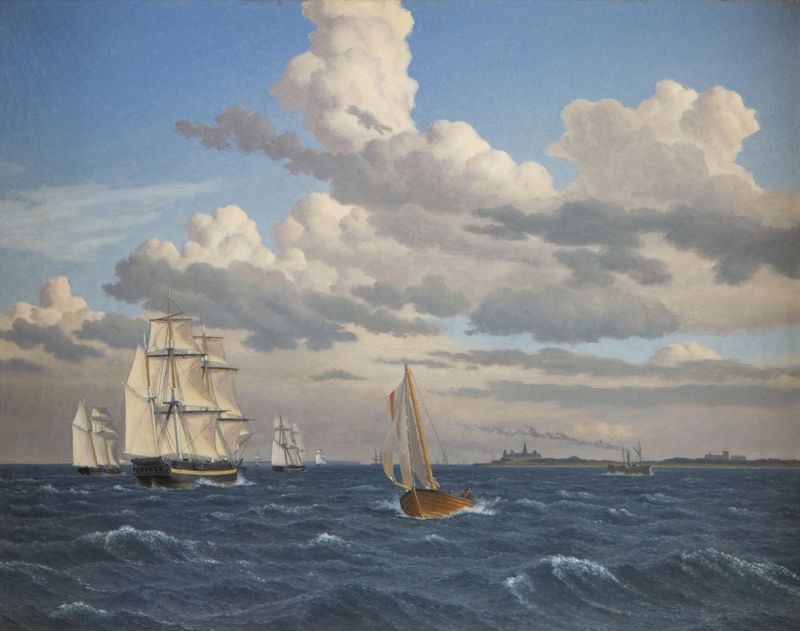
Ships in the Sound North of Kronborg Castle, Elsinore
Christoffer Wilhelm Eckersberg
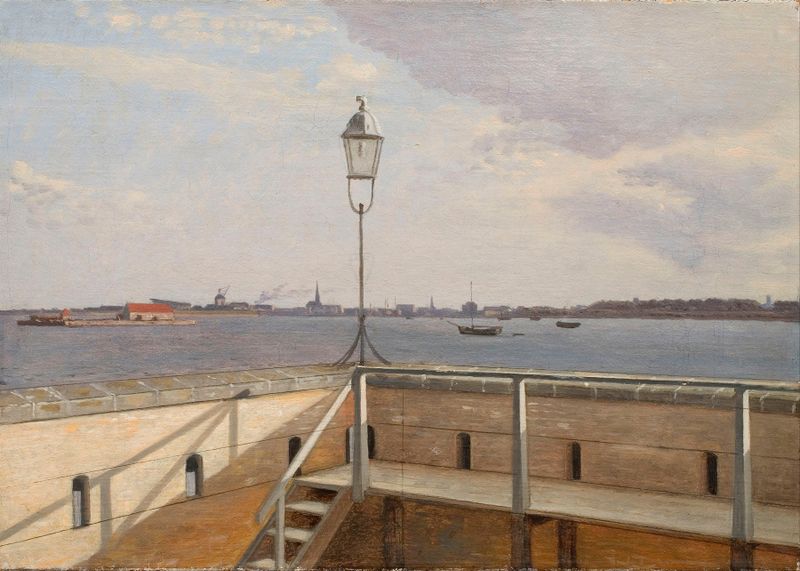
View from the Trekroner Battery with Copenhagen in the distance
Christoffer Wilhelm Eckersberg
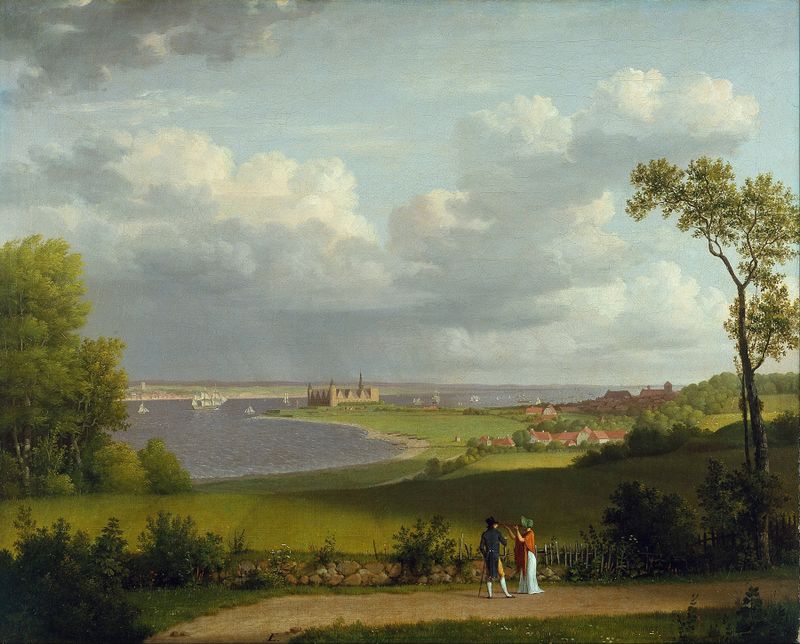
View north of Kronborg Castle
Christoffer Wilhelm Eckersberg

Vesta Temple in Rome
Christoffer Wilhelm Eckersberg
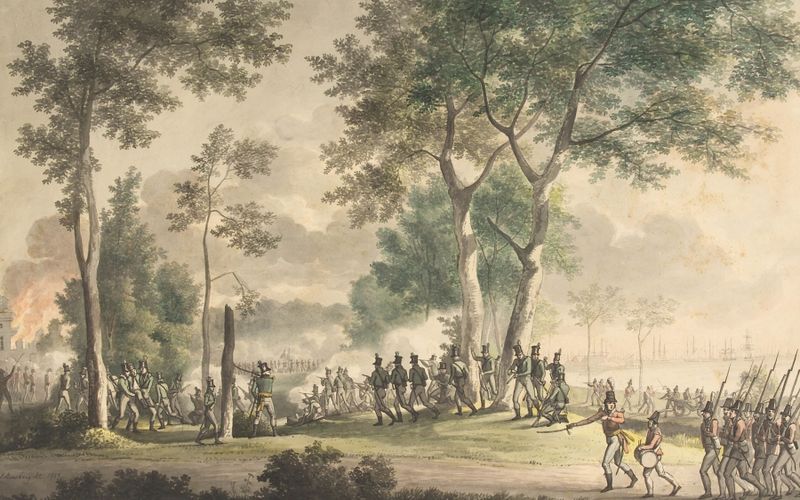
Livjægernes udfald i Classens have 31.august 1807.
Christoffer Wilhelm Eckersberg





