View of the Dardanelles — History & Facts
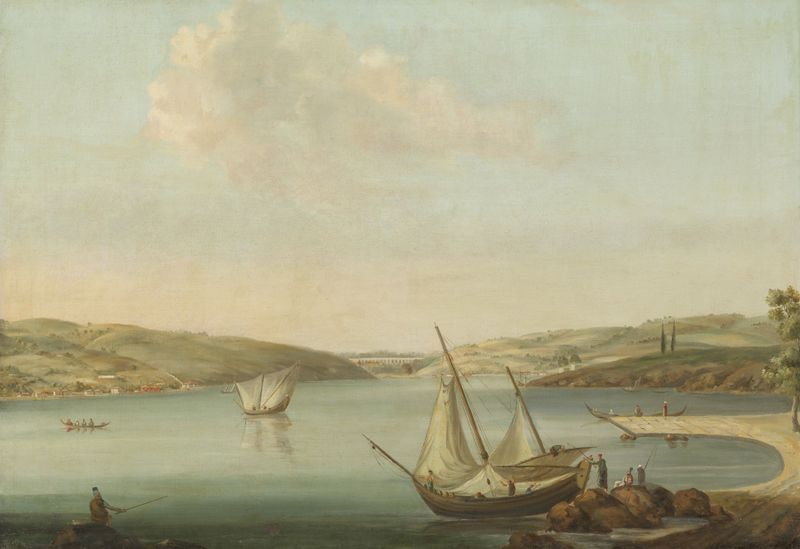
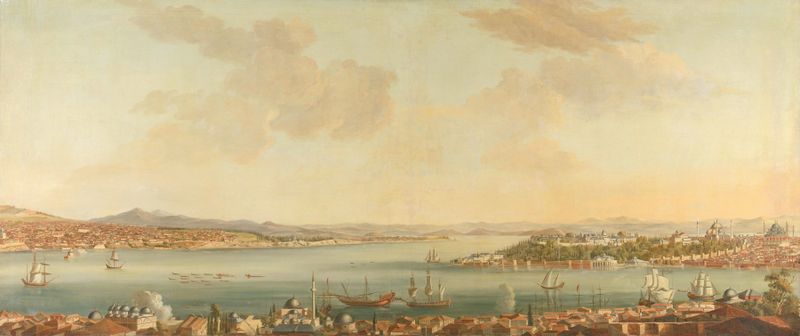
What secret hides in the quiet of the canvas? A landscape can whisper tales of transformation, revealing more than just the beauty of nature. Focus on the horizon where the vast expanse of water meets the gentle slope of the land. The serene blues and greens draw your eye, inviting contemplation of the soft ripples that dance on the surface. Notice how the light refracts off the water, creating a shimmering effect that feels both alive and ephemeral.
The composition balances the solidity of the land with the fluidity of the sea, evoking a sense of stability amid the ever-changing tides. In this work, the contrast between the tranquil water and the distant land hints at the fleeting nature of life. The delicate brushstrokes capture a moment suspended in time, suggesting the passage of seasons and the ebb and flow of human experience. There’s an emotion present in the subtle blending of colors, whispering of change and the persistent pull of nostalgia.
Each element, from the solitary boats to the clouds gliding above, contributes to a narrative of longing and renewal. Antoine van der Steen painted this piece between 1770 and 1780 during a period marked by significant artistic evolution in Europe. Emerging from the shadows of Baroque opulence, artists were beginning to embrace the ideals of neoclassicism and romanticism. This shift reflected a broader cultural transformation, as society sought to harmonize nature with burgeoning human thought and emotion, positioning it against the backdrop of both a changing continent and personal introspection.