
View of the Municipal Theatre Krakow from Zacisze Street — History & Facts
In a world bustling with life, moments of solitude linger like shadows, whispering their tales of loneliness to those who dare to listen. Look to the left and take in the delicate interplay of light and shadow as it bathes the Municipal Theatre in a warm glow, perched majestically against the coolness of the evening sky. The vibrant hues of Wyspiański’s palette—earthy ochres and rich greens—contrast with the stark architecture, bringing forth a sense of longing that resonates beyond the canvas. Notice how the carefully arranged trees on Zacisze Street frame the theatre, their branches bending ever so slightly, as if drawn toward the emotional pull of the structure. The composition reveals a deeper narrative; the theatre stands as a symbol of aspiration amidst the encroaching solitude of the street.
Despite the beauty surrounding it, the absence of figures introduces a poignant tension, evoking a feeling of isolation in a city alive with culture. The juxtaposition of the vibrant building against the stillness of the street suggests that even in spaces meant for gathering and joy, loneliness can persist, lingering like an uninvited guest. In 1894, Wyspiański created this work during a transformative period in Polish art, exploring themes of nationalism and identity. Living in Krakow, he was surrounded by a burgeoning community of artists, yet he often grappled with personal isolation.
His innovative approach during this time marked a significant shift in Polish painting, blending symbolism with the tangible world, and leaving an indelible mark on the cultural landscape.
More Artworks by Stanisław Wyspiański
Browse all →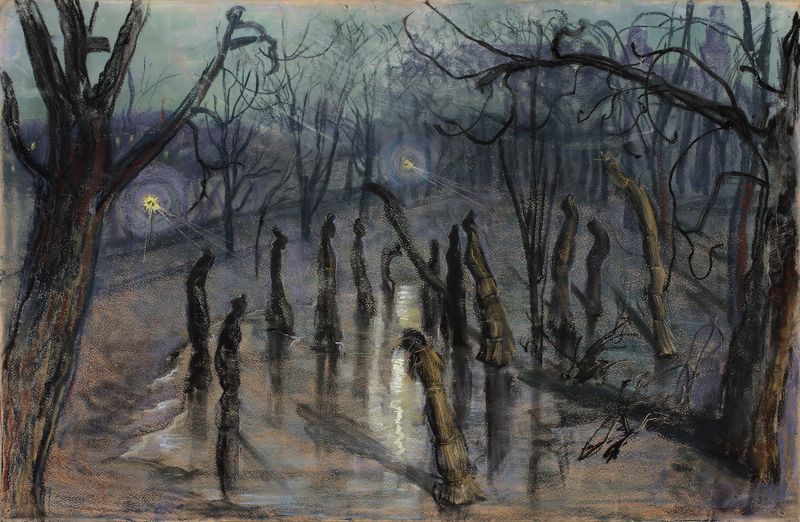
Chochoły (Straw Men Dancing in the Planty)
Stanisław Wyspiański
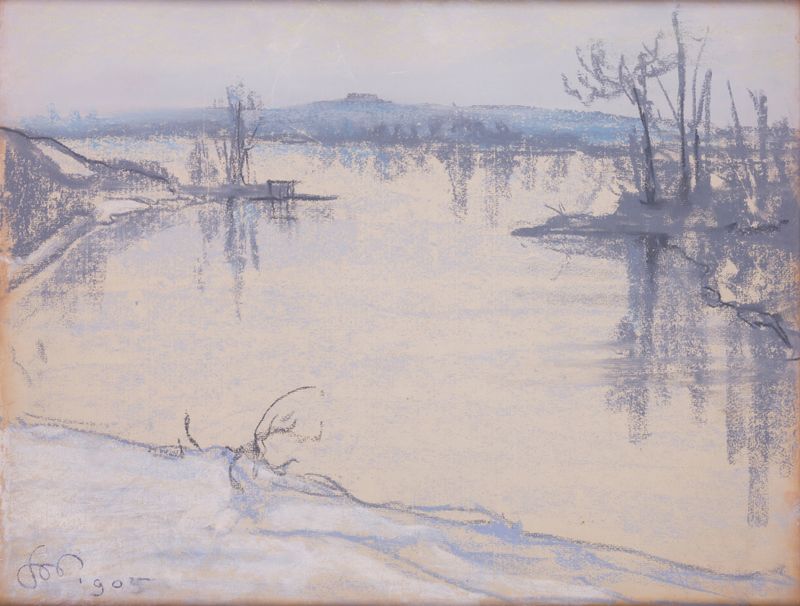
Wisła pod Krakowem
Stanisław Wyspiański
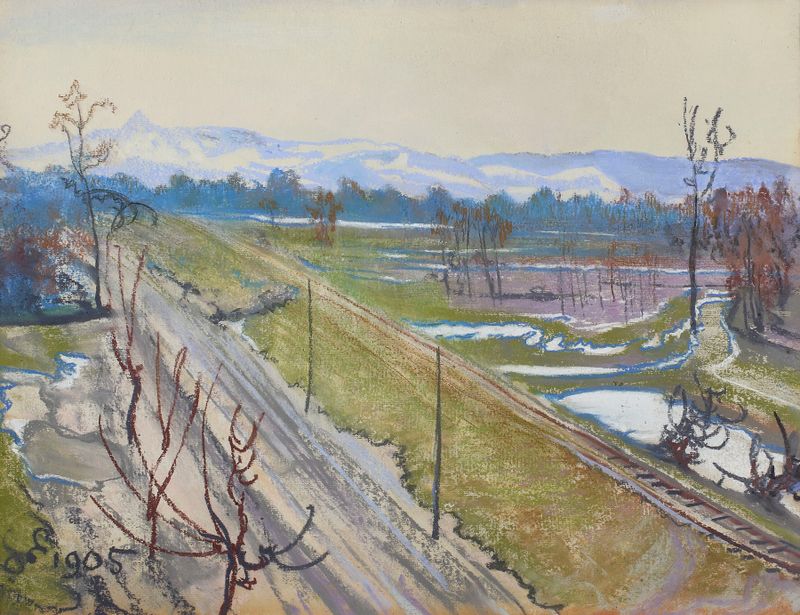
View from the window of the artist’s studio of Kościuszko Mound
Stanisław Wyspiański
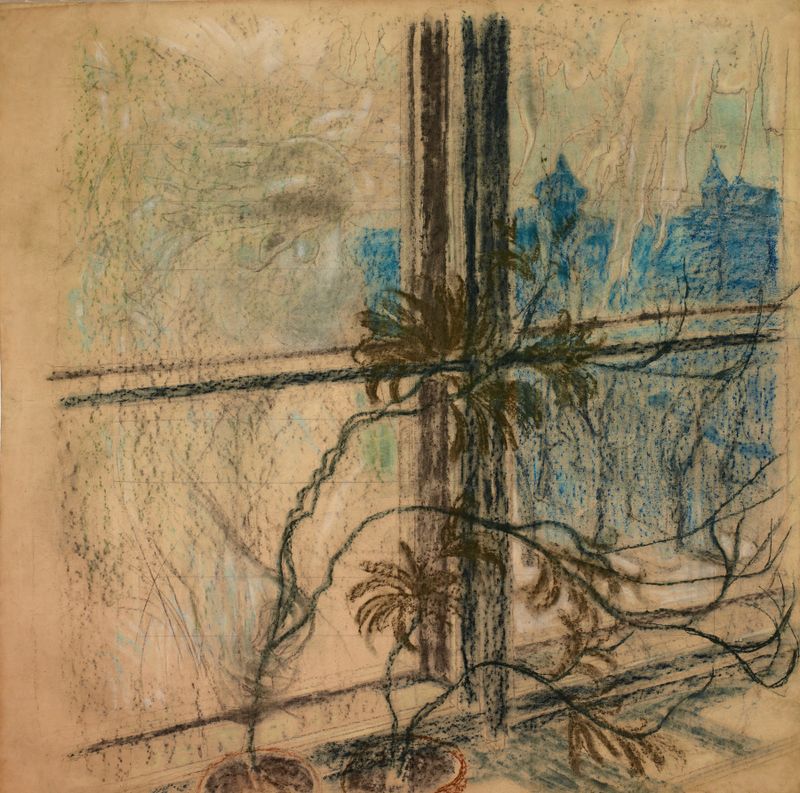
Widok z okna na mury miejskie Krakowa
Stanisław Wyspiański
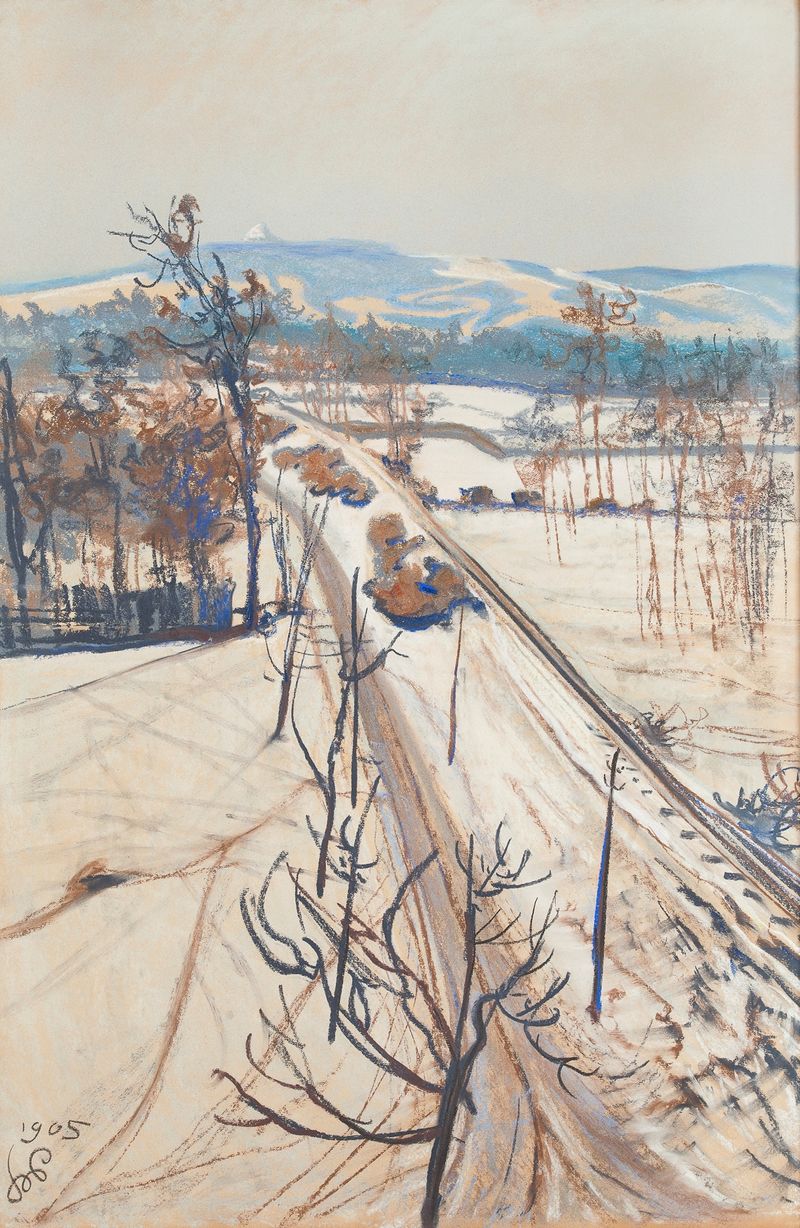
Widok na Kopiec Kościuszki. Szary dzień
Stanisław Wyspiański

View of the Wawel Castle
Stanisław Wyspiański

The Barbican and the Floriańska Street – View from Zacisze Street
Stanisław Wyspiański
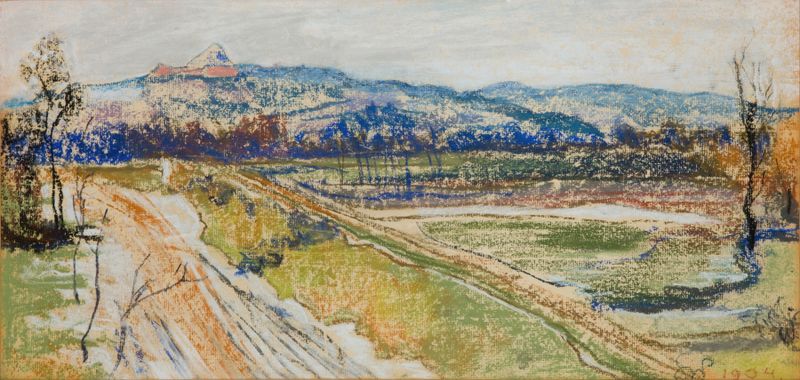
View of the Kościuszko Mound in Krakow from the Window in the Artist’s Studio
Stanisław Wyspiański
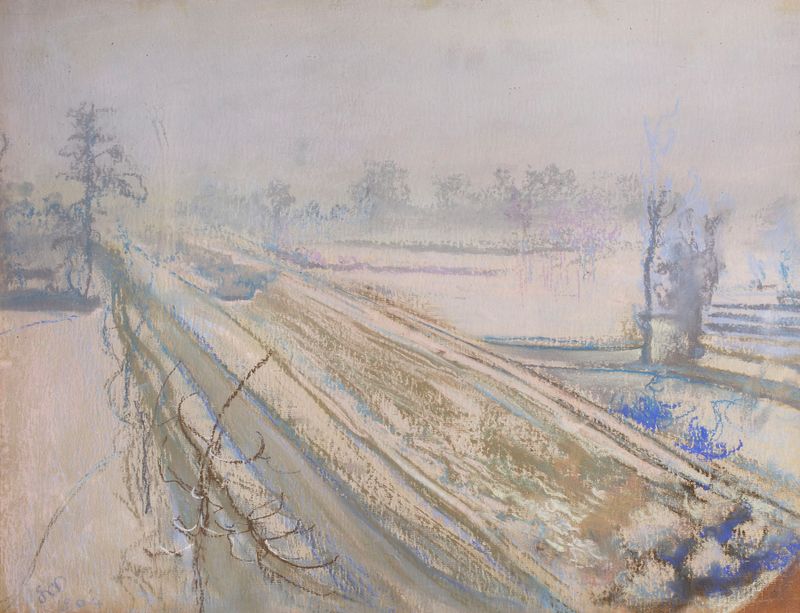
View from the window of the artist’s studio of Kościuszko Mound
Stanisław Wyspiański
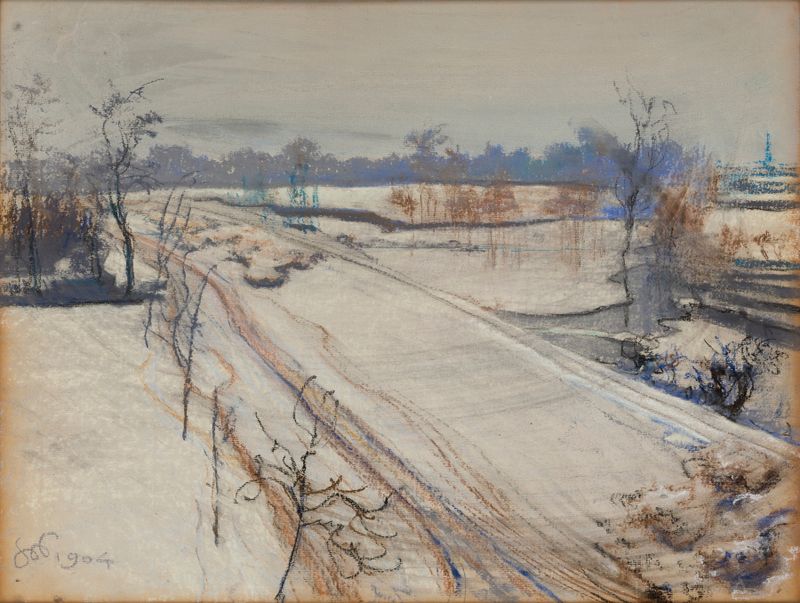
Widok z okna na Kopiec Kościuszki w Krakowie. Szary dzień
Stanisław Wyspiański
More Architecture Art
Browse all →
The statue of Liberty
Frédéric Auguste Bartholdi

View of Houses in Delft, Known as ‘The Little Street’
Johannes Vermeer

View of Houses in Delft, Known as ‘The Little Street’
Johannes Vermeer

The Cathedral in Rouen. The portal, Grey Weather
Claude Monet

The yellow house
Vincent van Gogh

The Church in Auvers-sur-Oise, View from the Chevet
Vincent van Gogh