
View of the Stropbrug in Ghent — History & Facts
In the quietude of a moment suspended in time, we find ourselves drawn into a realm of tranquil reflection. Look to the left at the serene waters of the canal, where the soft glimmers of light dance upon the surface, creating a delicate interplay of color. The viewer’s gaze is anchored by the sturdy silhouette of the Stropbrug, gracefully arching over the water—a bridge that connects not just land, but moments and memories. The muted palette of blues and earthy tones speaks of a muted dawn, capturing the essence of stillness and contemplative solitude in this Flemish landscape. Beneath this serene exterior lies an emotional tension—between industrial progress and the peaceful life that once thrived by the waterside.
A solitary figure, almost ghost-like, stands at the edge, suggesting introspection amid the encroaching changes of modernity. The juxtaposition of vibrant natural beauty and the solid, manmade structure of the bridge raises questions about the relationship between humanity and the environment—how silence can be filled with unspoken narratives. In the years 1906-1907, the artist painted this scene during a period of significant personal and artistic exploration, deep within the movement that sought to capture everyday life through expressionistic strokes. While the world around him was rapidly industrializing, De Smet found solace in the landscapes of Ghent, creating works that drew from both observation and emotional resonance, reflecting a longing for connection in a changing world.
More Artworks by Gustave De Smet
Browse all →
Landscape
Gustave De Smet
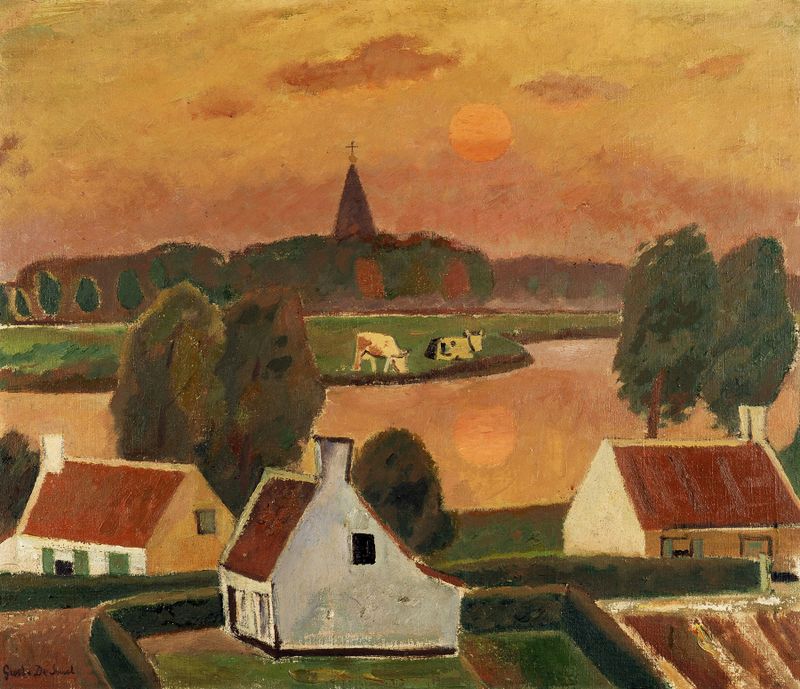
Dorpsgezicht
Gustave De Smet
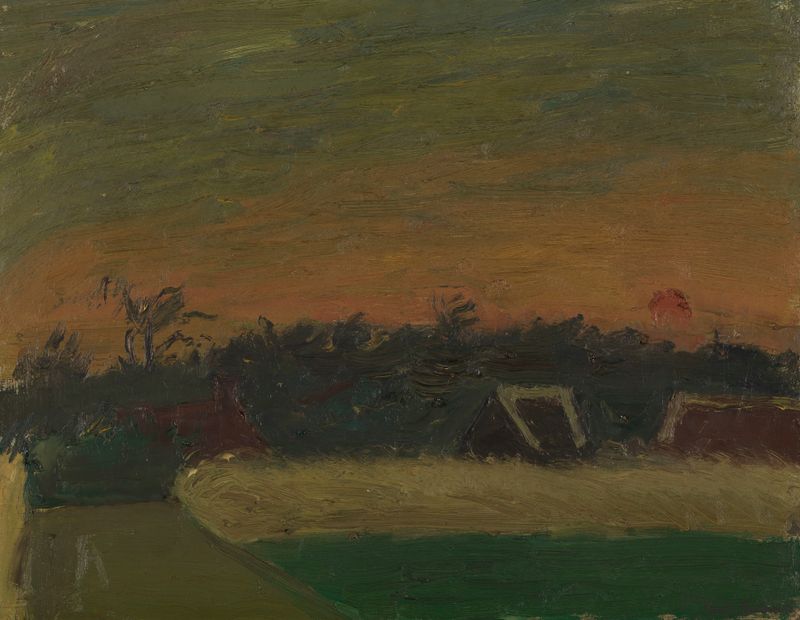
Sunset
Gustave De Smet

Fair in Deurle (Sint-Martens-Latem)
Gustave De Smet
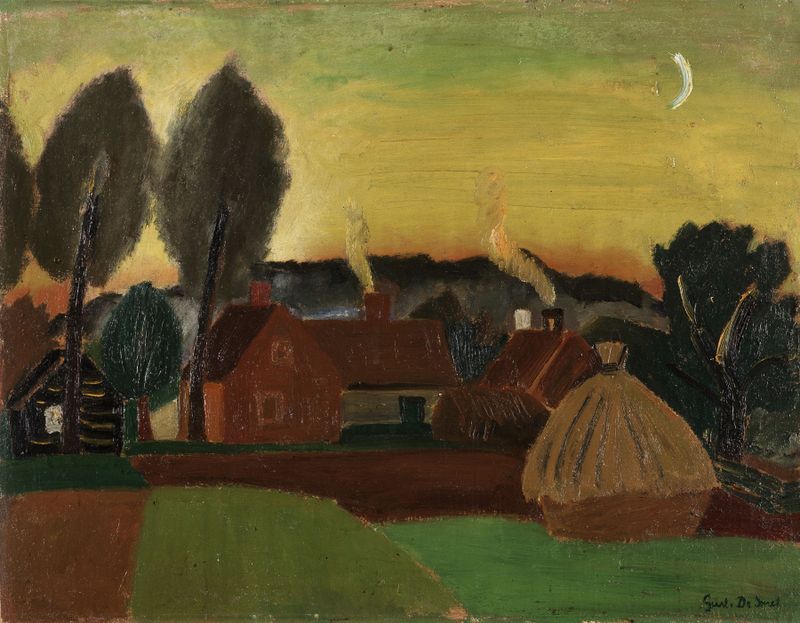
Landscape in the Evening
Gustave De Smet
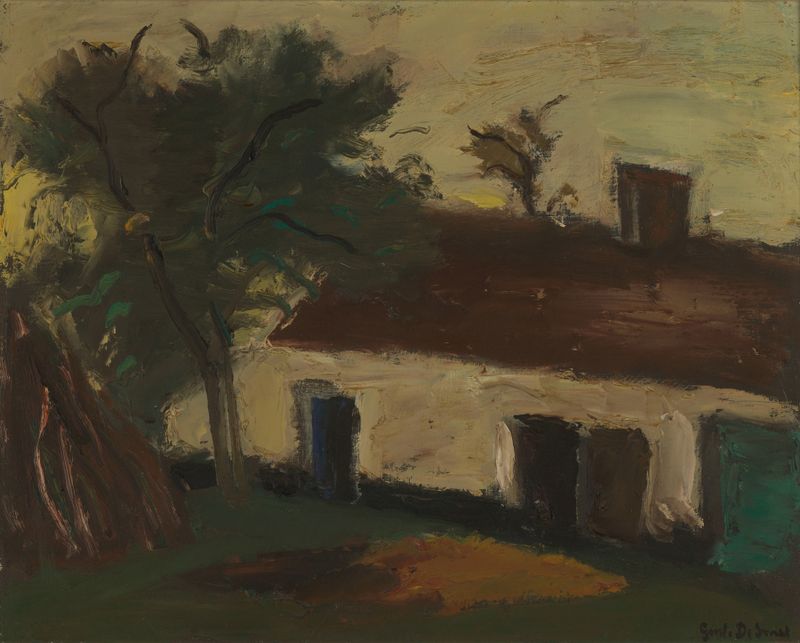
Stable
Gustave De Smet
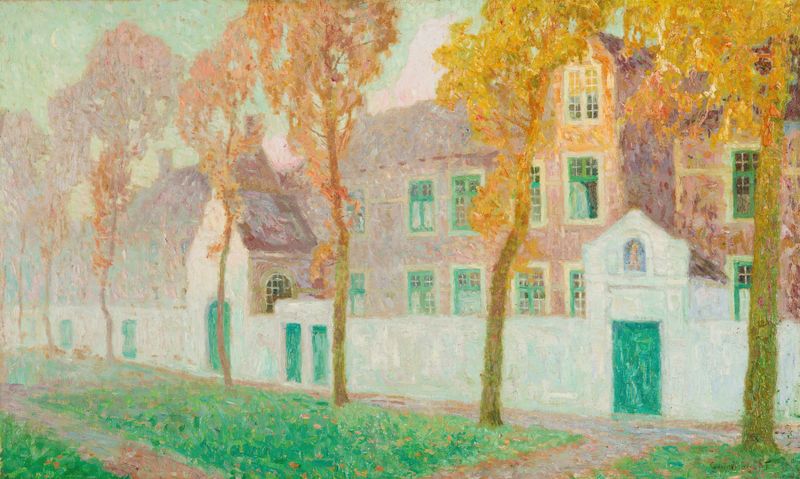
Le Béguinage À Bruges
Gustave De Smet

Oies Dans Un Jardin Avec Deux Enfants
Gustave De Smet
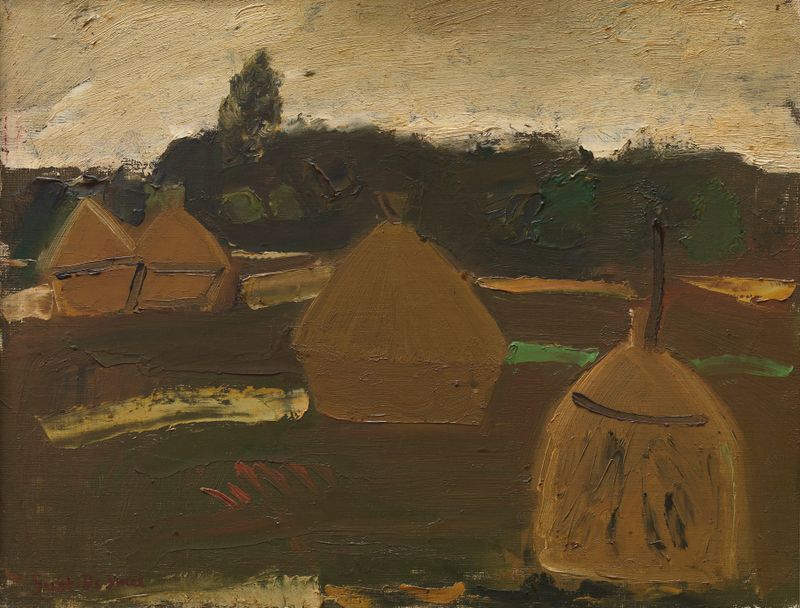
Haystacks
Gustave De Smet
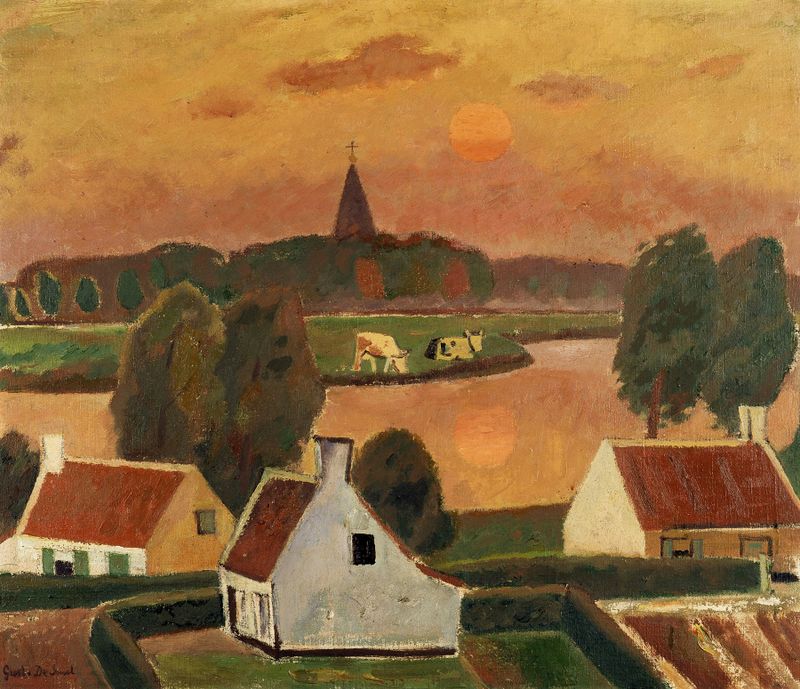
View of a Village
Gustave De Smet





