
View of Venice — History & Facts
In this moment, the canvas breathes life into Venice, an ethereal space where past and present entwine, offering a sense of rebirth amidst tranquil waters. The artist captures the city as if it were rising from slumber, revealing its soul in muted tones that speak of timeless beauty. Look to the right at the gentle curve of the Grand Canal, the water reflecting soft, golden light that dances on the surface, inviting one to wander deeper into the scene. Notice how the color palette transitions from cool blues to warm ochres, a deliberate choice that evokes both serenity and nostalgia.
The brushwork is fluid, mirroring the ripples of the water, and the architectural outlines stand proud yet delicate, framing the city’s enduring elegance against a vast sky. The juxtaposition of light and shadow in this piece holds significant meaning, suggesting a city caught between the echoes of its glorious past and the inevitability of change. The distant figures moving along the canal symbolize the pulse of life, while the stillness of the water evokes moments of contemplation. It hints at an eternal dialogue between transience and permanence, urging the viewer to reflect on what remains after time passes. Created in 1888, this work emerged during a period of artistic exploration for the painter, who was deeply inspired by the landscapes of his travels.
At this time, Venice was both a tourist destination and a canvas for artists seeking to depict its fading grandeur. Moran, influenced by the Romantic movement, sought to capture not just a view, but the emotional resonance of a city that has long stood as a testament to beauty, resilience, and renewal.
More Artworks by Thomas Moran
Browse all →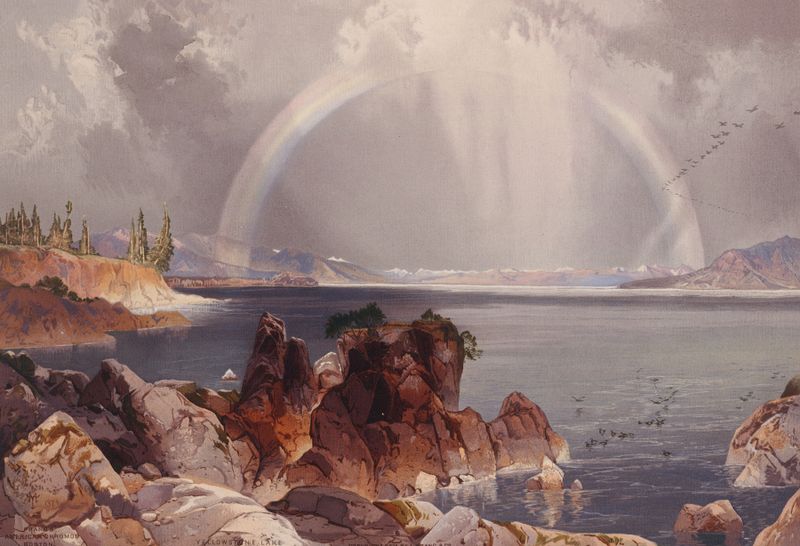
Yellowstone Lake
Thomas Moran

Grand Canyon of the Colorado River
Thomas Moran

Grand Canyon, Colorado River
Thomas Moran

The Towers of Tower Falls, Yellowstone
Thomas Moran
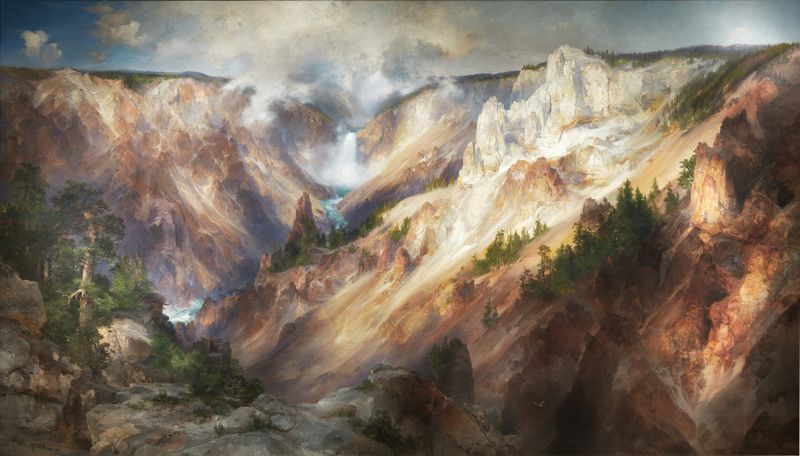
The Grand Canyon Of The Yellowstone
Thomas Moran

Mountain of the Holy Cross
Thomas Moran

Cliffs Of The Upper Colorado River, Wyoming Territory
Thomas Moran
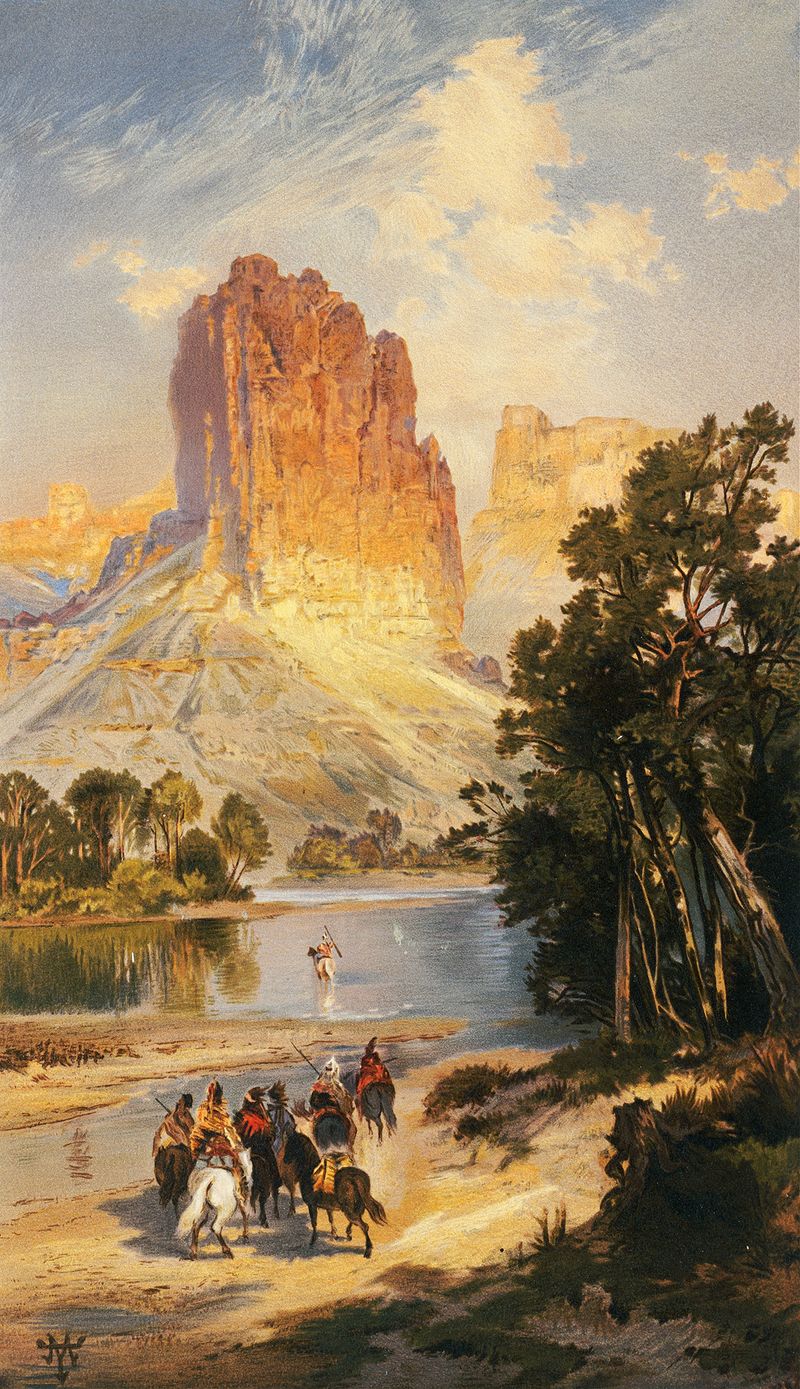
Cliffs of the Upper Colorado River, Wyoming Territory
Thomas Moran

Mammoth Hot Springs, Yellowstone
Thomas Moran
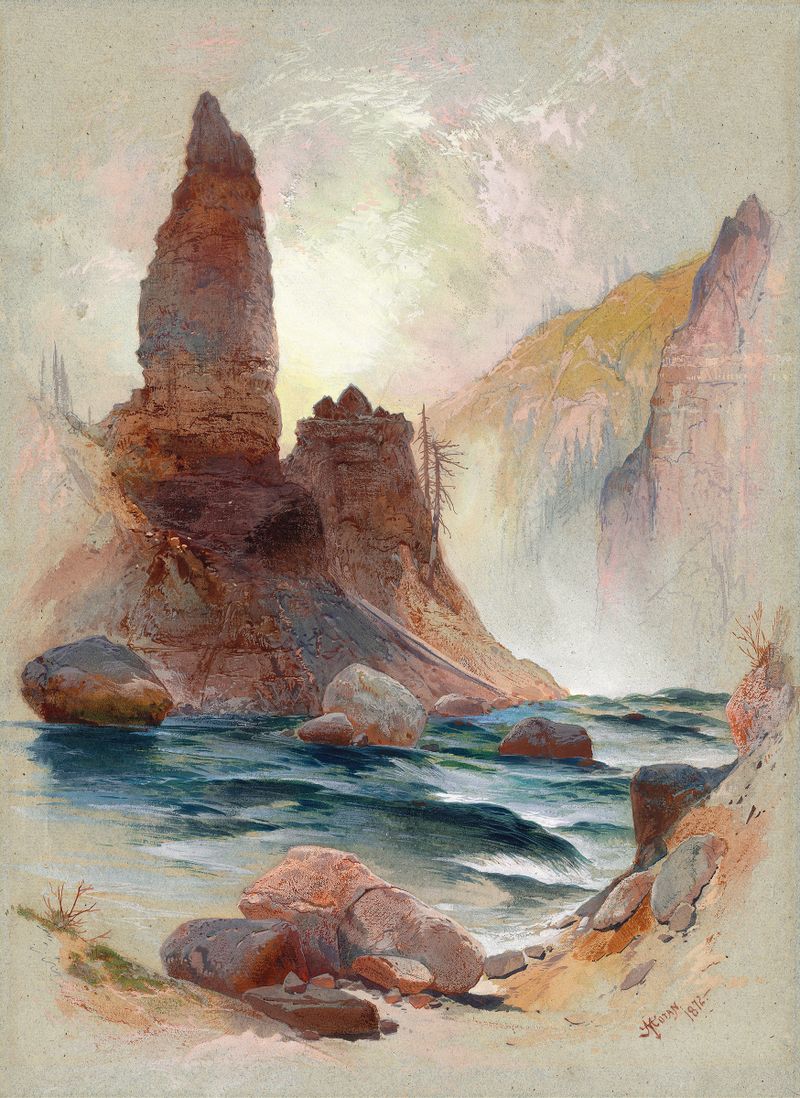
Tower at Tower Falls, Yellowstone
Thomas Moran





