View of Vétheuil — History & Facts
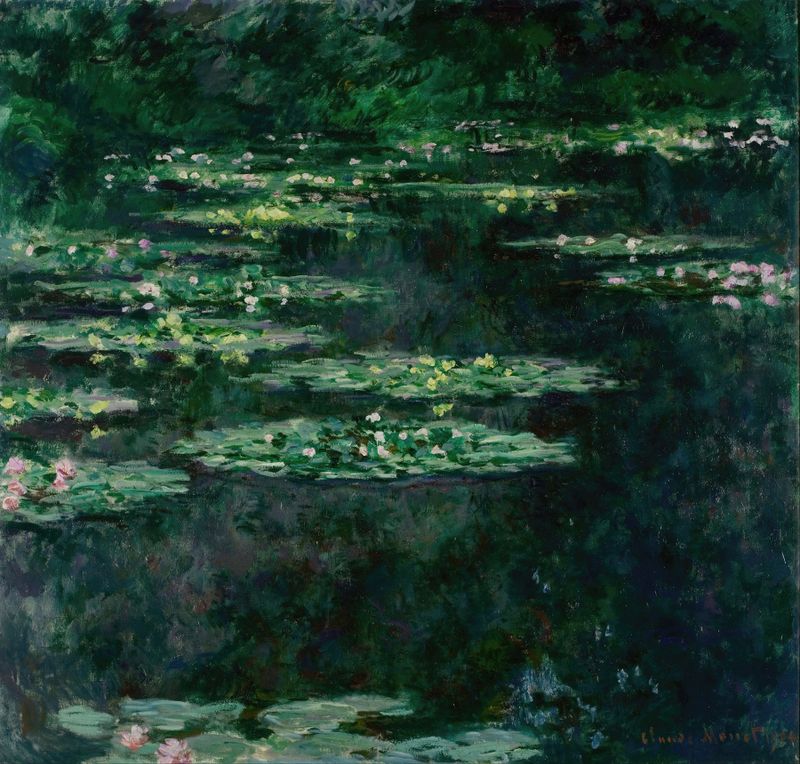
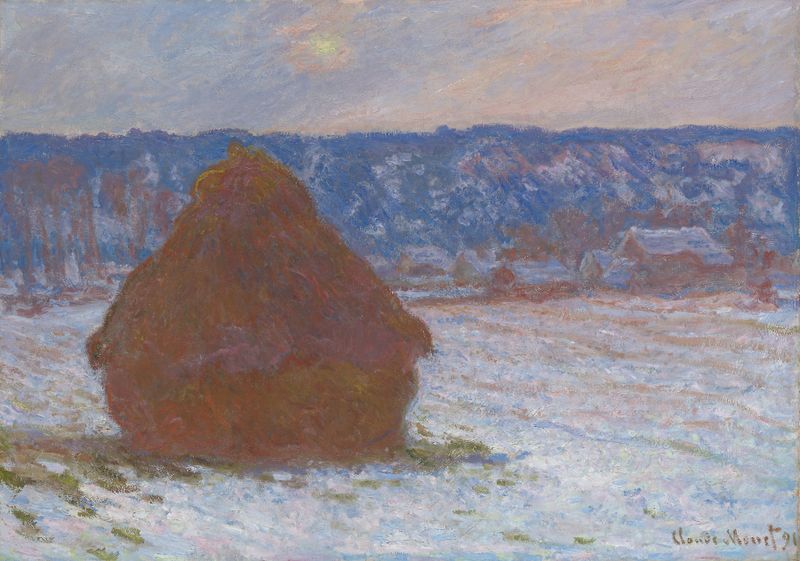
Can beauty exist without sorrow? In Claude Monet’s View of Vétheuil, the tranquil landscape whispers of serenity, yet beneath its surface lies the weight of memory and reflection. Look closely at the sweeping river that dances through the canvas, drawing your gaze toward the gentle hills in the distance. With soft brushstrokes, Monet captures the interplay of light and shadow, emphasizing the shimmering surface of the water. The pastel hues of blue and green blend seamlessly, creating a harmonious composition that invites the viewer to linger.
Notice how the sky, a swirl of clouds, mirrors the rippling water, suggesting a connection between the heavens and the earth—a bridge between joy and sorrow. Hidden within the idyllic scene are echoes of personal loss and the passage of time. The quaint village, nestled along the banks, evokes a sense of nostalgia, perhaps a longing for a simpler past. The reflections in the water not only depict the landscape but also hint at the layers of emotion beneath the surface.
Each brushstroke carries a weight of introspection, revealing the quiet struggles that resonate within the beauty of nature. In 1880, Monet was living in Vétheuil, a picturesque village that provided endless inspiration. This period marked a time of both personal upheaval and artistic evolution, as he was grappling with the challenges of financial instability and the loss of loved ones. The Impressionist movement was beginning to gain traction, and Monet’s work during this time laid the foundation for a deeper exploration of light and atmosphere, pushing the boundaries of traditional painting.