
View of Windermere — History & Facts
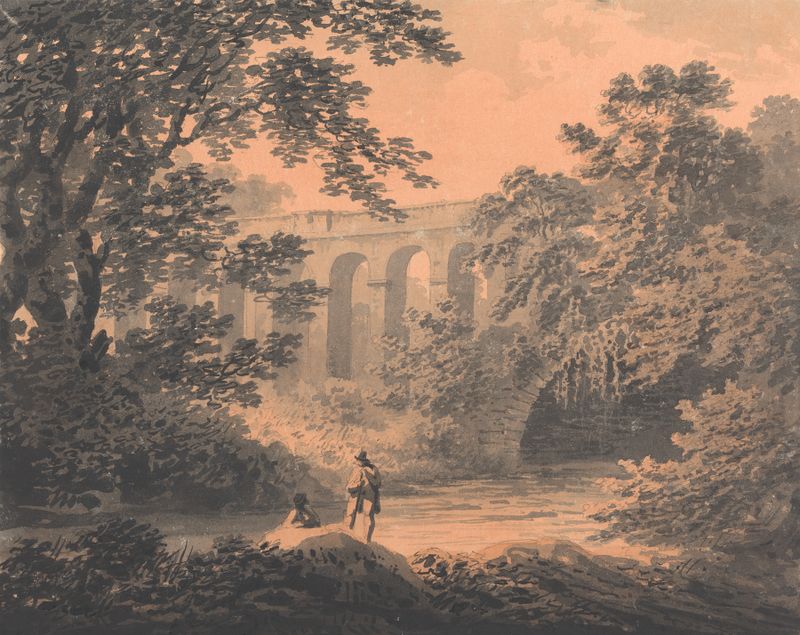
Can beauty exist without sorrow? In William Gilpin's View of Windermere, the answer seems to ripple quietly across the canvas, inviting contemplation and faith amid nature's splendor. Focus on the tranquil waters stretching across the horizon, where soft blues blend seamlessly into gentle greens. Notice how the light dances on the surface, creating a shimmering reflection of the sky above. The rolling hills cradle the scene, while trees punctuate the composition, their details crystallized in delicate brushwork that speaks to the artist's meticulous observation.
Each element harmonizes, inviting the viewer to pause and absorb the serenity. Yet, hidden within this idyllic panorama lies an undercurrent of tension. The stillness of the lake contrasts with the vibrant life thriving around it, suggesting an eternal cycle of joy and melancholy. The seemingly perfect landscape is a reminder of the fleeting nature of beauty, hinting that even in paradise, shadows lurk beneath the surface.
The very essence of faith emerges as one contemplates the serenity at dusk, capturing the bittersweet reality of existence. William Gilpin painted View of Windermere between 1762 and 1783 during a period of artistic transition in England. As a prominent figure in the picturesque movement, he championed the beauty of nature while advocating for a deeper appreciation of landscapes. In a time marked by the Industrial Revolution, Gilpin’s work reflects a longing for natural beauty amidst the encroaching change, marrying his personal observations with the broader cultural shifts occurring around him.
More Artworks by William Gilpin
Browse all →
Bridgnorth Bridge, Shropshire
William Gilpin
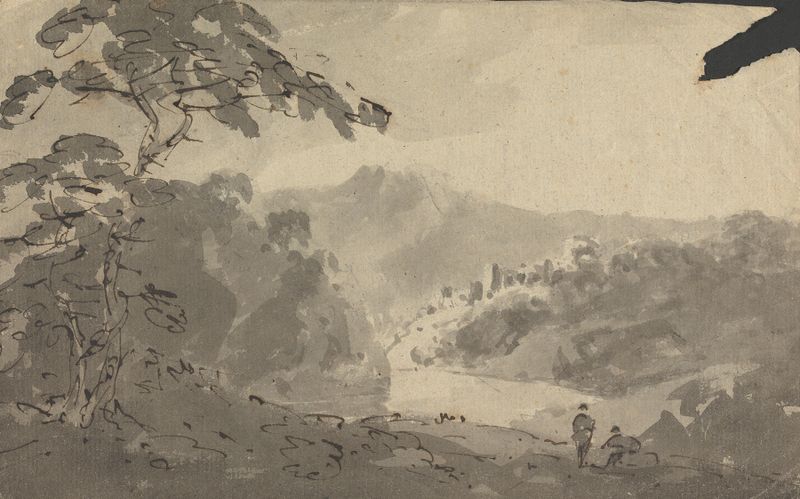
Two Men Looking Into Landscape with Castle, River and Mountain Scene
William Gilpin
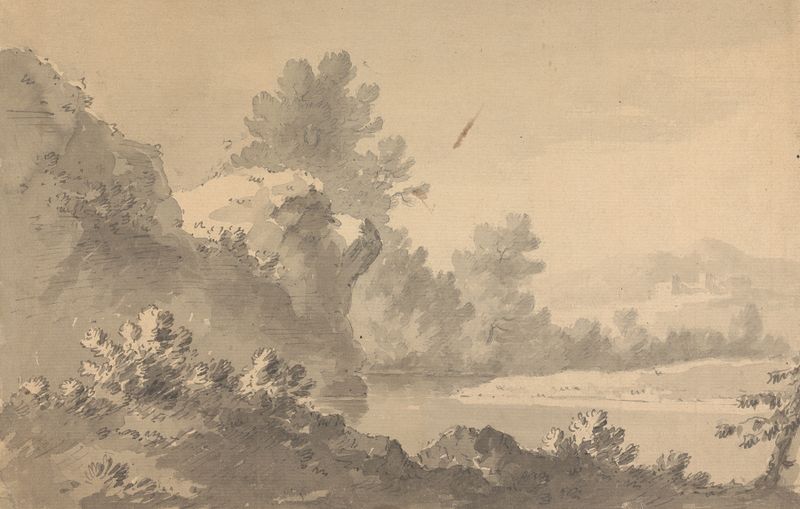
River Landscape with Castle in the Distance
William Gilpin
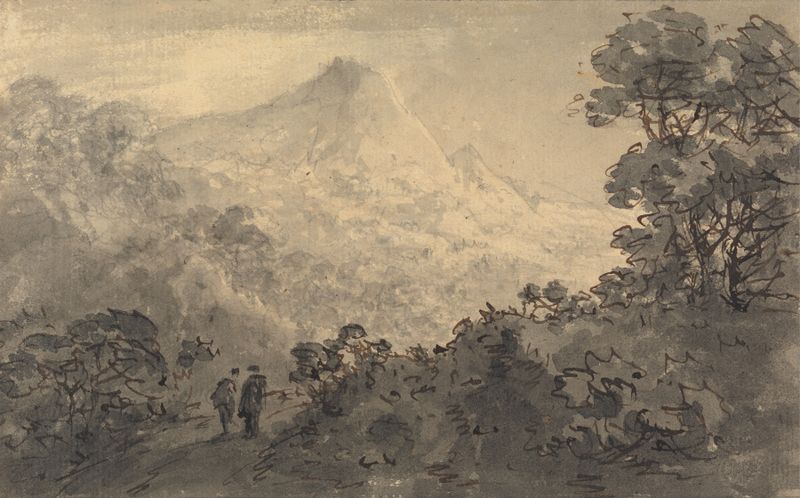
Snowdon
William Gilpin

Hilly Landscape
William Gilpin
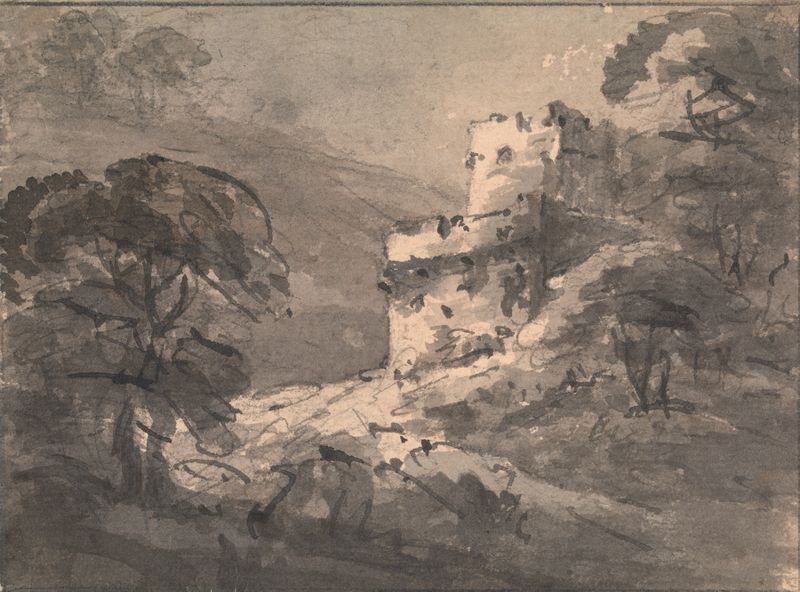
Landscape with a Ruined Castle on the Right
William Gilpin

Mountainous Landscape with Trees – High Crags to the Right
William Gilpin

View of Castle Ruin
William Gilpin
Bridge on the Malton Road from York
William Gilpin

Landscape with Two Trees and Castle
William Gilpin





