
View Through the Trees — History & Facts
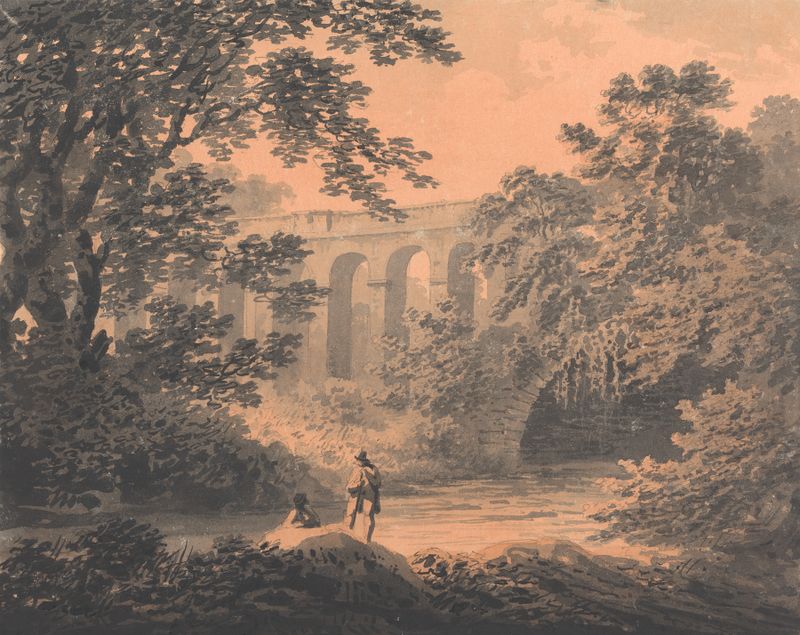
What if beauty was never meant to be finished? In the quiet embrace of nature, a moment unfolds, inviting the viewer to ponder the transient state of all that is seen. Look to the left at the delicate interplay of light filtering through the trees, casting a dappled pattern on the forest floor. Notice how the foliage is rendered with a botanical precision, each leaf a testament to the artist's keen observation. The palette is a gentle symphony of greens and browns, creating a sense of harmony that draws the eye deeper into the scene, urging exploration of the winding path veiled in shadow. Beyond the surface, the painting speaks of a fleeting connection to nature, where stillness becomes an invitation to introspection.
The contrast between the vibrant bursts of light and the subdued shadows evokes a feeling of duality—life and stillness, clarity and obscurity. This tension suggests that beauty thrives in the incomplete, in moments forever poised between revelation and obscurity, teasing the viewer's understanding of what lies just beyond their sight. The artist painted this work during a period when Romanticism was gaining momentum, a time that celebrated the natural world as a powerful source of inspiration. Gilpin, active primarily in the late 18th century, sought to capture sublime landscapes that encompassed both beauty and emotion.
His explorations into the English countryside highlighted a desire to convey the ineffable allure of nature, reflecting a world in transition, where the appreciation of the picturesque began to flourish.
More Artworks by William Gilpin
Browse all →
Bridgnorth Bridge, Shropshire
William Gilpin
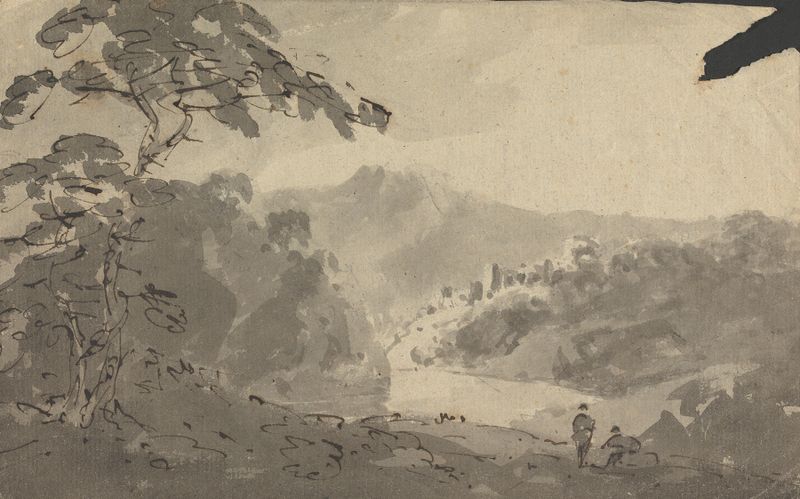
Two Men Looking Into Landscape with Castle, River and Mountain Scene
William Gilpin
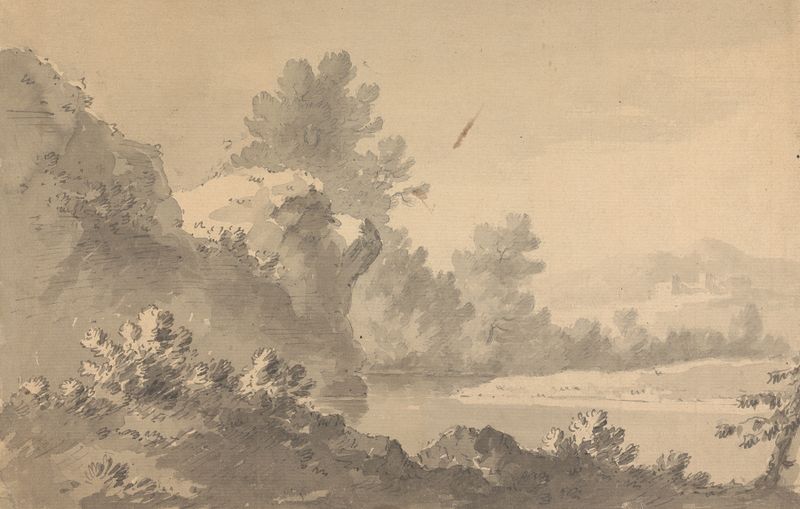
River Landscape with Castle in the Distance
William Gilpin
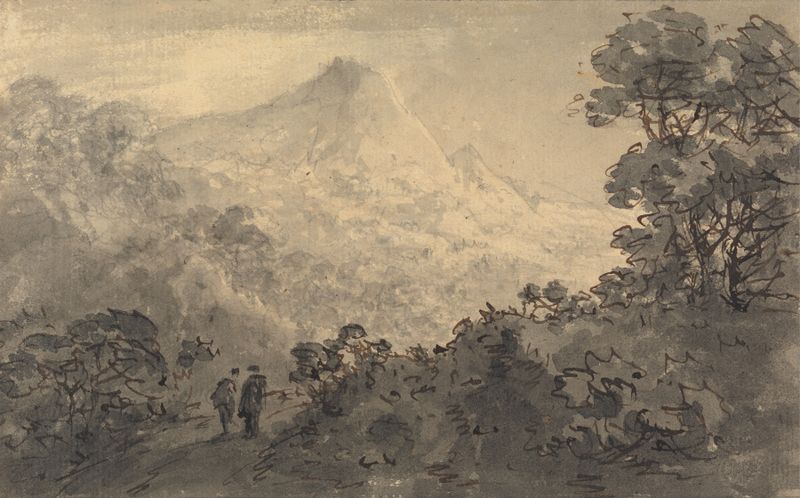
Snowdon
William Gilpin

Hilly Landscape
William Gilpin
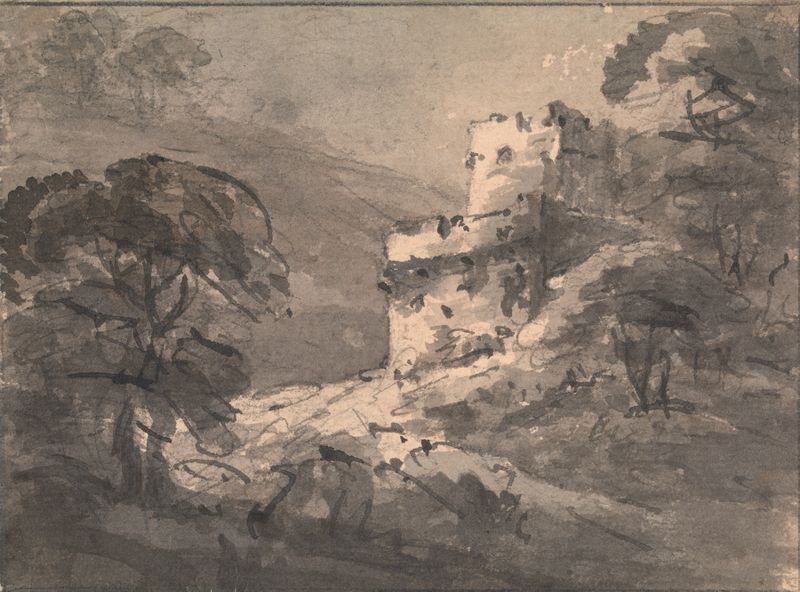
Landscape with a Ruined Castle on the Right
William Gilpin

Mountainous Landscape with Trees – High Crags to the Right
William Gilpin

View of Castle Ruin
William Gilpin
Bridge on the Malton Road from York
William Gilpin

Landscape with Two Trees and Castle
William Gilpin





