
Villa — History & Facts
What if silence could speak through light? In the stillness of Villa, the essence of tranquility unfurls, inviting us into a world where whispers are carried on gentle beams. Look to the left at the soft illumination that bathes the villa’s façade in a warm glow, creating a harmonious contrast between the structured architecture and the lush greenery surrounding it. The masterful brushstrokes breathe life into the scene, with the soft greens and earthy browns evoking a sense of serenity. Notice how the light delicately caresses the leaves, casting intricate shadows that dance playfully across the ground, suggesting a moment frozen in time. Within this peaceful tableau, there is a tension between the serenity of nature and the presence of human craftsmanship.
The villa stands proudly, yet the surrounding landscape suggests an eternal cycle of growth and decay, a reminder of nature’s omnipresence. The careful placement of elements hints at a balance—between the built environment and the landscape—where each detail contributes to a broader narrative of harmony and equilibrium. Painted in 1811, during a time when European landscape art was flourishing, Villa captures Gabriel Lory the Younger’s fascination with the interplay of architecture and nature. Living in Switzerland, Lory drew inspiration from the romantic ideals of his time, reflecting on the profound relationship between humanity and the natural world.
His works often sought to evoke emotional responses through light and atmosphere, positioning him within the rich tradition of landscape painting in the early 19th century.
More Artworks by Gabriel Lory the Younger
Browse all →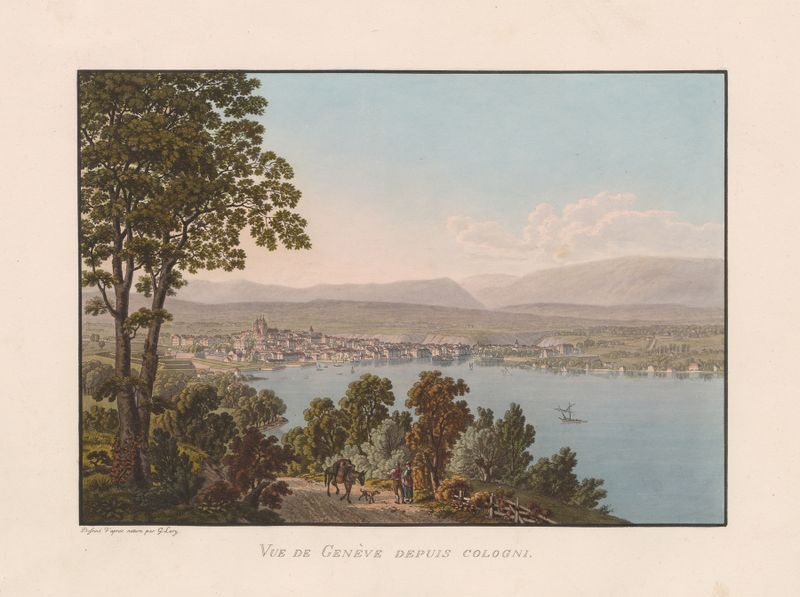
Vue de Genève depuis Cologni
Gabriel Lory the Younger
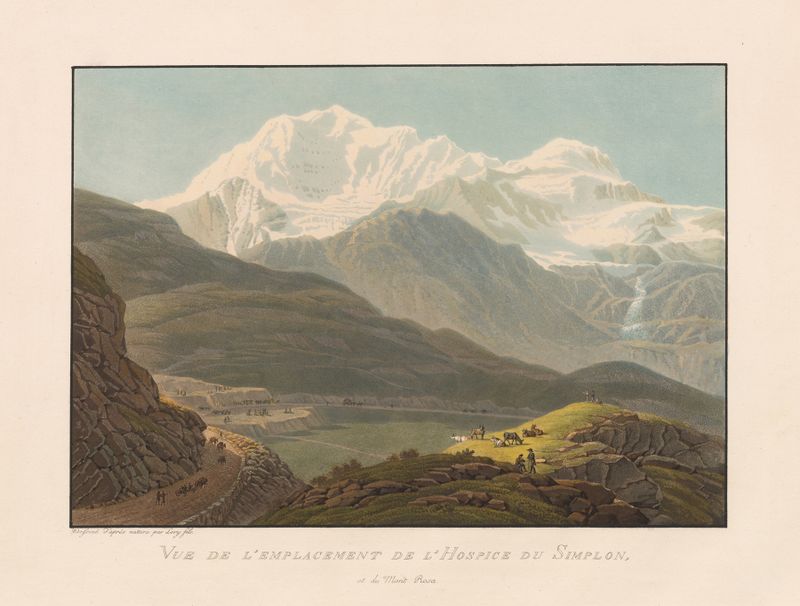
Vue de l’emplacement de l’Hospice du Simplon, et du Mont Rosa
Gabriel Lory the Younger
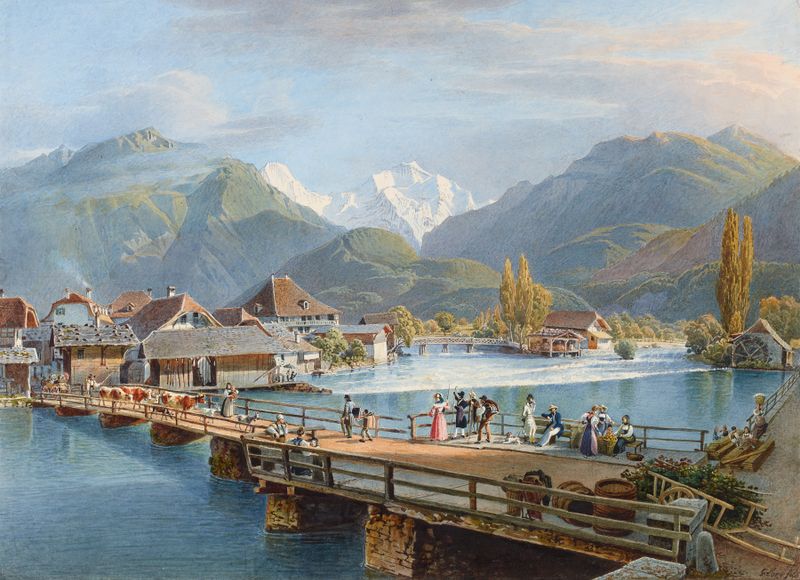
Unterseen mit Blick auf die Jungfrau
Gabriel Lory the Younger
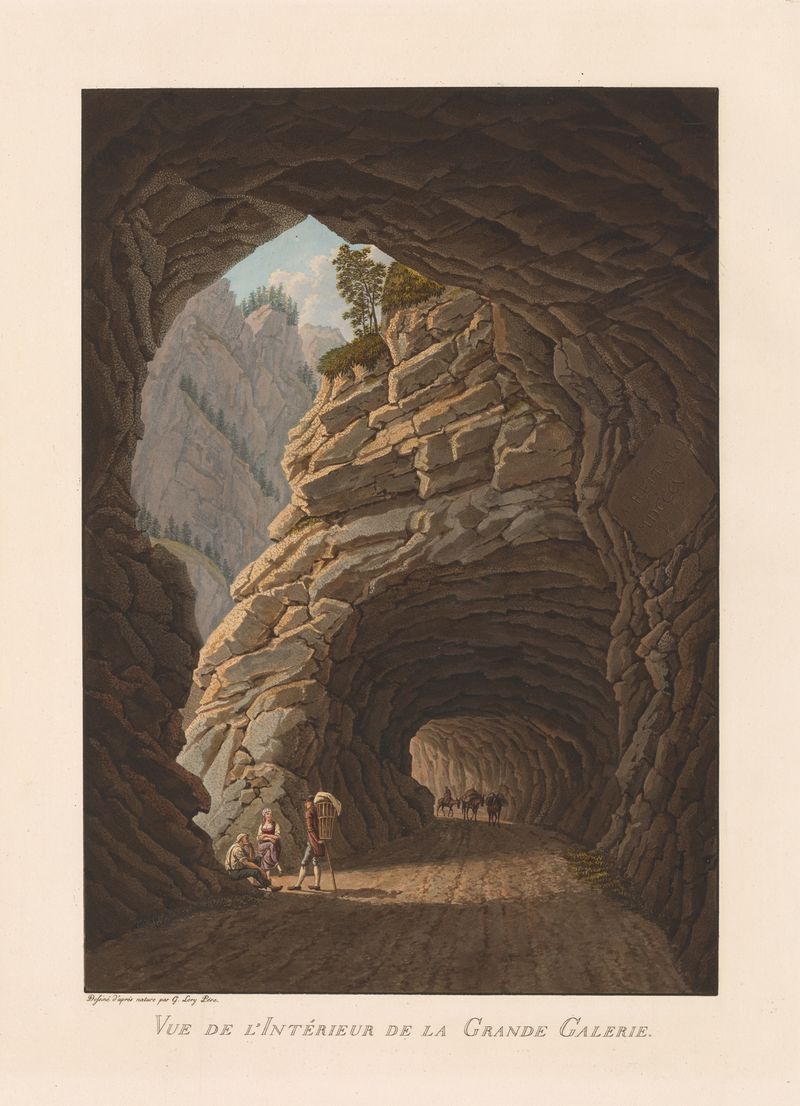
Vue de l’intérieur de la Grande Galerie
Gabriel Lory the Younger
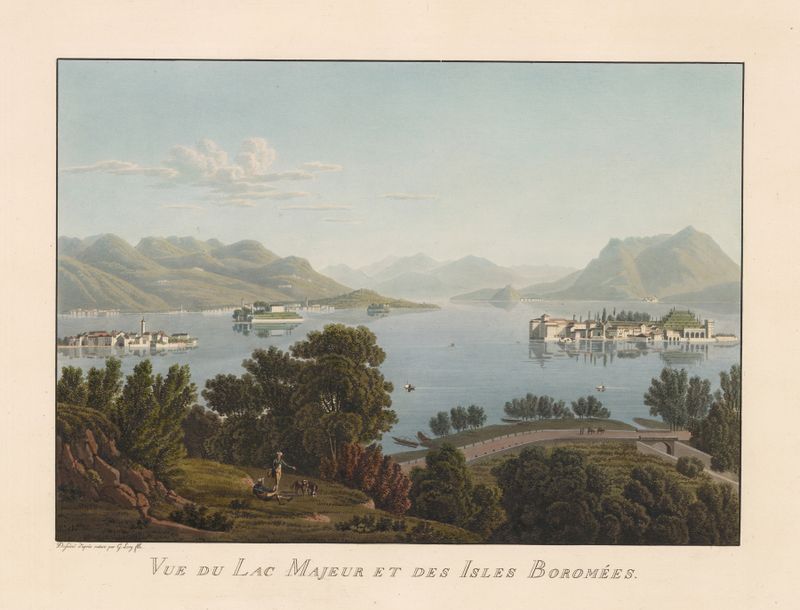
Vue du Lac Majeur et des Isles Boromées
Gabriel Lory the Younger
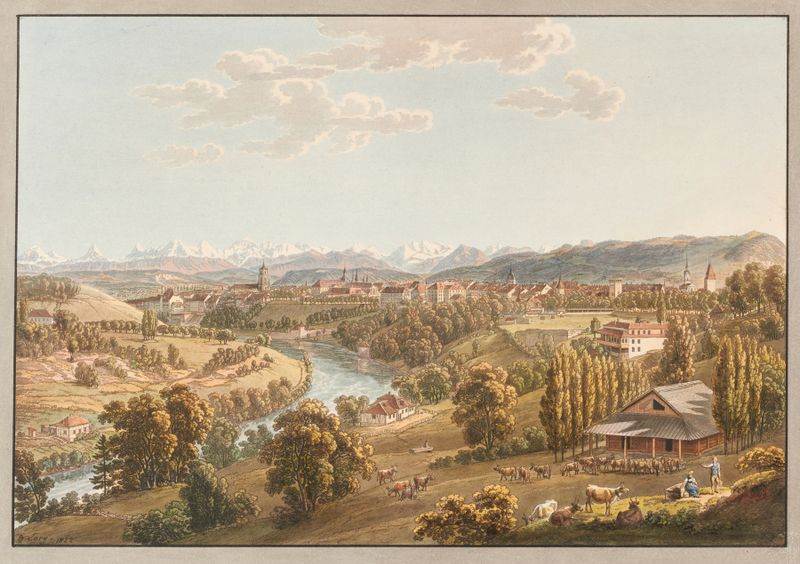
Vue de la ville de Berne
Gabriel Lory the Younger
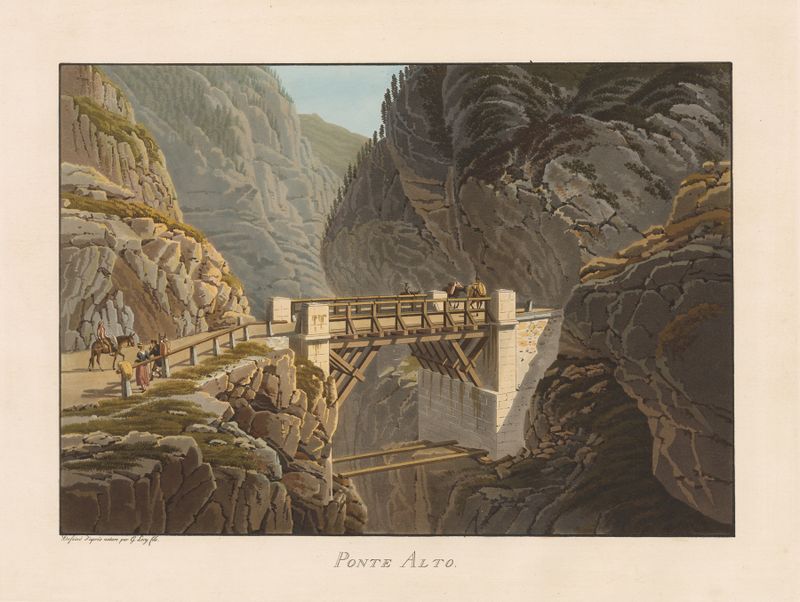
Ponte Alto
Gabriel Lory the Younger
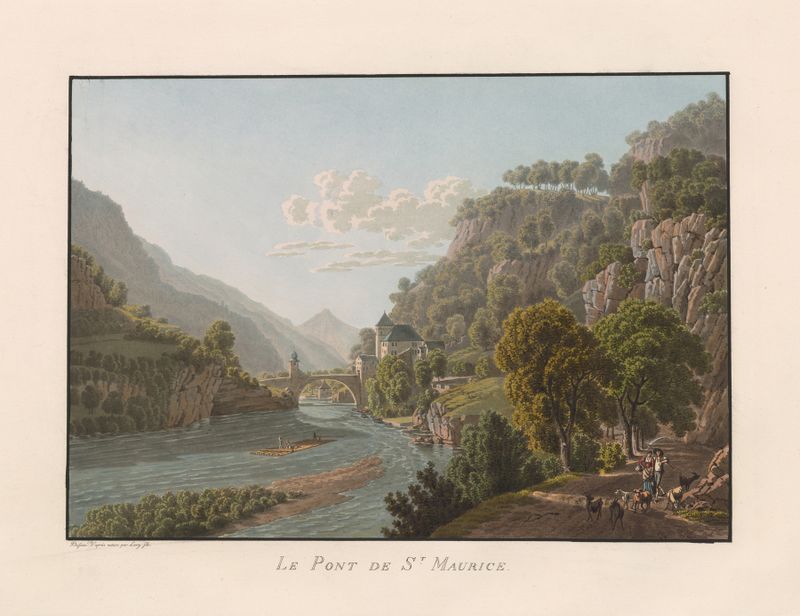
Le Pont de St. Maurice
Gabriel Lory the Younger
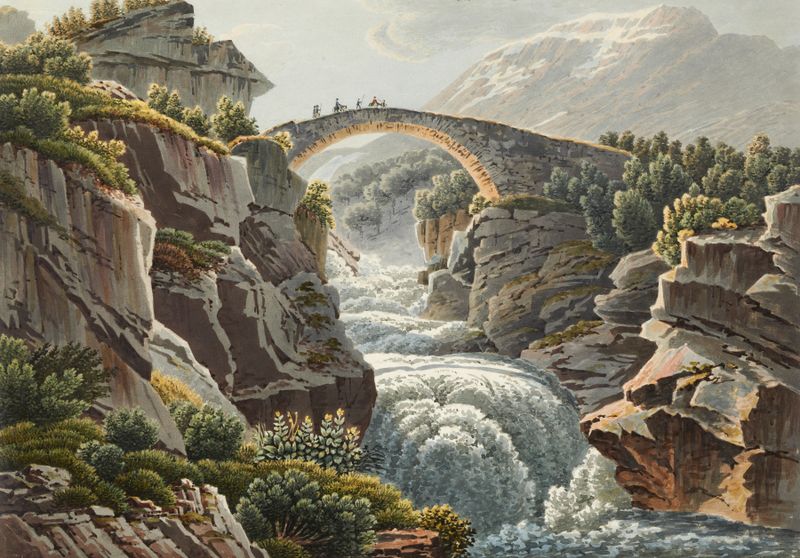
Pont sur l’Aar au passage du Grimsel
Gabriel Lory the Younger
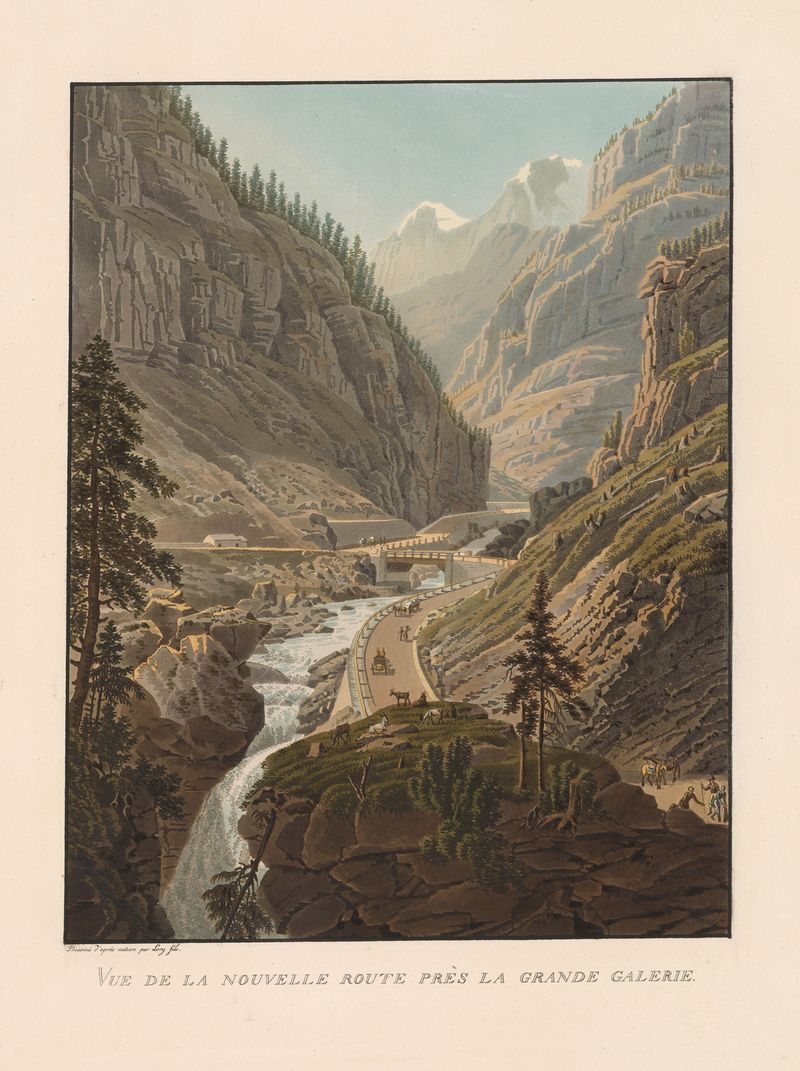
Vue de la nouvelle route près la Grande Galerie
Gabriel Lory the Younger





