
Villa Borghese in Rome — History & Facts
Can beauty exist without sorrow? The question lingers in the air as one gazes upon the tranquil canvas before them. The essence of creation pulses through every brushstroke, inviting contemplation on the interplay of joy and melancholy. Look to the foreground, where soft greens and browns converge to form a lush landscape, each hue coalescing into a gentle embrace. Notice how the light filters through the trees, casting dappled shadows that dance upon the ground.
The villa stands proudly in the background, rendered in warm ochres and creams, inviting the viewer to step closer into this serene world. The composition evokes a sense of harmony, where nature and architecture meld seamlessly, yet the faint hints of darker tones suggest a complexity beneath the surface. Delve deeper into the painting, and you’ll find contrasts that hint at underlying tensions. The vibrant greenery vibrates with life, yet the villa, imbued with a stillness, seems to anchor a quiet sorrow.
The juxtaposition of bright foliage against the stoic structure invites questions: is the villa a sanctuary or a prison? This duality embodies the artist's exploration of existence—a reflection on the ephemeral beauty of life shadowed by inevitable loss. In 1910, while residing in Rome, Feliks Jabłczyński created Villa Borghese in Rome during a period of artistic transition in Europe. The world was awakening to modernism, yet the artist chose to embrace the picturesque charm of the past. Amidst the vibrancy of his surroundings, he captured a moment that resonates across time, reflecting his own deep connection to both beauty and the transient nature of life.
More Artworks by Feliks Jabłczyński
Browse all →
Villa Borgia in Rome
Feliks Jabłczyński

Mariensztat Street in Warsaw
Feliks Jabłczyński
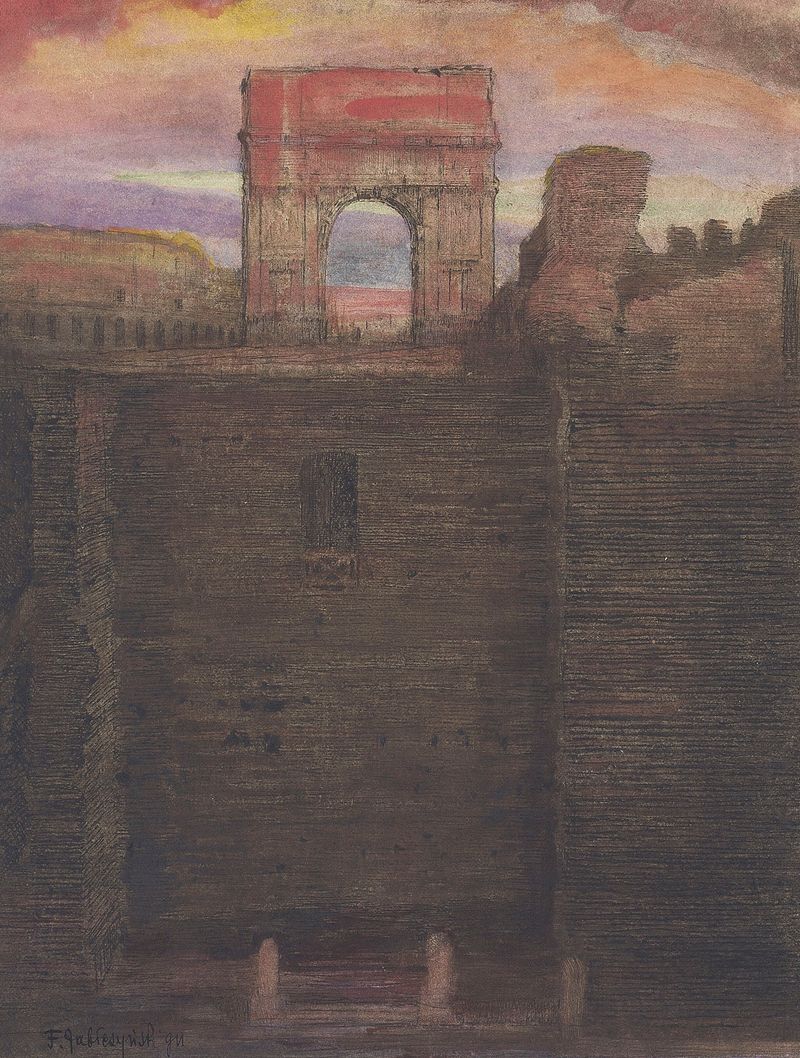
The House of Vestals and the Arch of Titus in the background
Feliks Jabłczyński
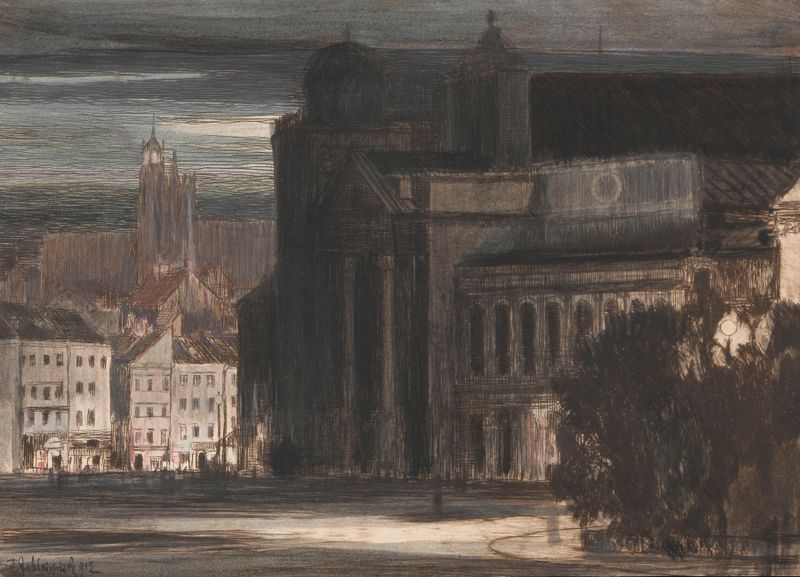
View of the Church of St. Anna and the Castle Square in Warsaw
Feliks Jabłczyński

Kaplica Boimów we Lwowie
Feliks Jabłczyński
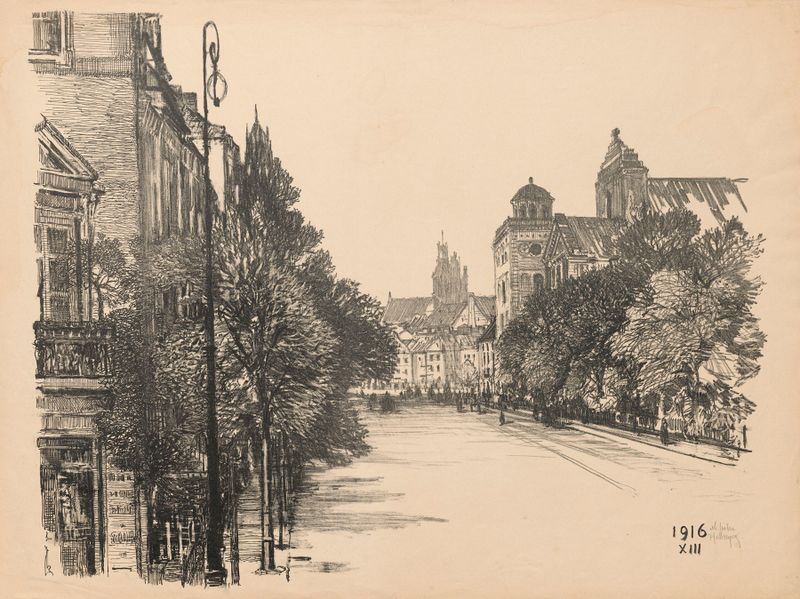
Krakowskie Przedmieście Street
Feliks Jabłczyński
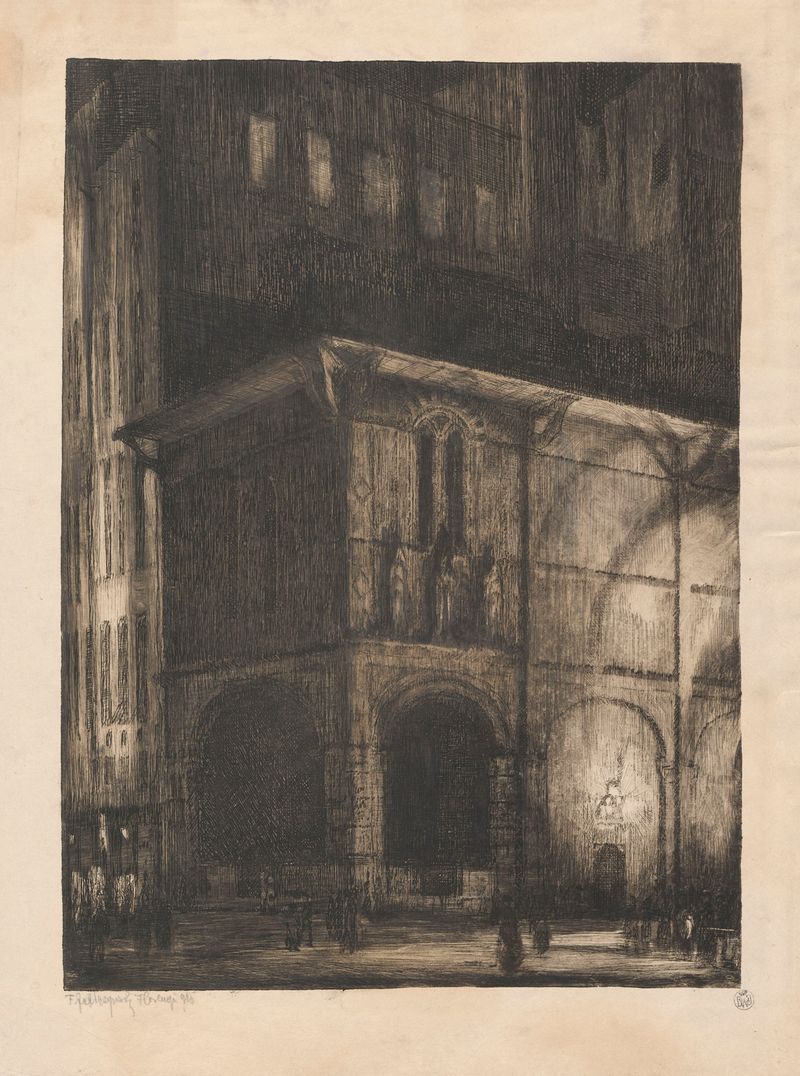
Florence
Feliks Jabłczyński
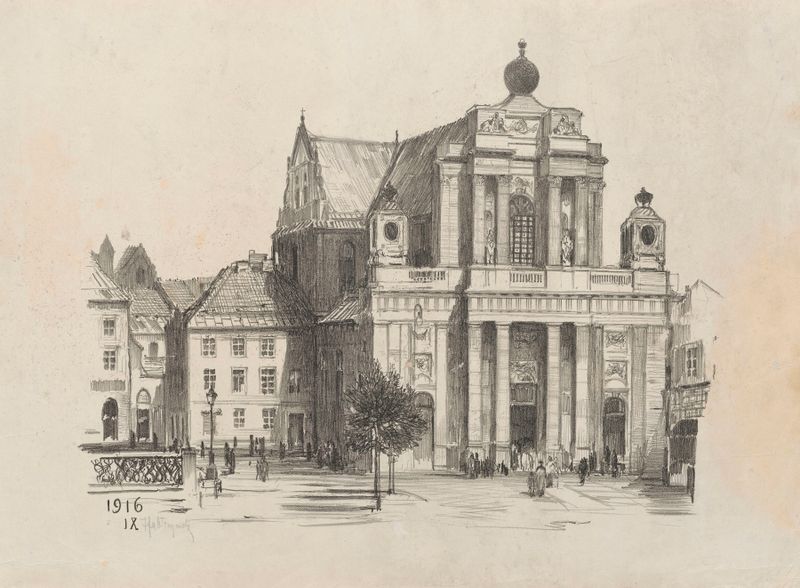
Carmelite Church.
Feliks Jabłczyński

The Visitation Sisters Church
Feliks Jabłczyński
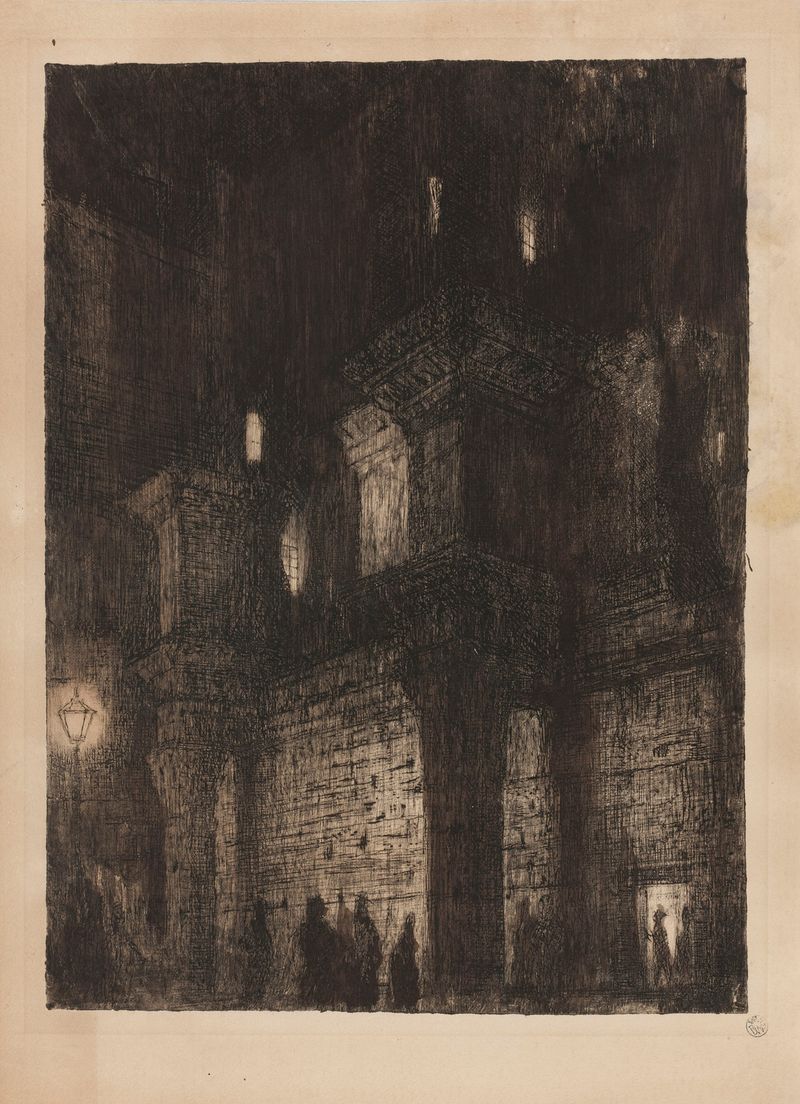
Forum Nervae
Feliks Jabłczyński





