
Villa Farnese — History & Facts
Who listens when art speaks of silence? In the serene landscape of Villa Farnese, a profound sense of solitude envelops the viewer, inviting reflection on the quiet moments of existence. Look to the foreground, where the lush greenery delicately frames the monumental villa, its grandeur juxtaposed against the vastness of the sky. Notice how the light gently bathes the villa’s façade, highlighting intricate architectural details while casting soft shadows that suggest the passage of time. The palette of earthy tones and cool blues create a tranquil atmosphere, drawing the eye towards the horizon where the landscape melts into a distant blur. As you explore the scene, consider the emotional weight of isolation that permeates this picturesque setting.
The villa stands as a solitary sentinel amidst nature, echoing feelings of loneliness and introspection. The absence of human figures amplifies this sentiment, suggesting a dialogue between the architecture and the landscape that speaks of both grandeur and the ephemeral nature of life. In 1780, while creating this work, the artist was in Italy, immersed in the idyllic landscapes that inspired his artistry. During this period, the neoclassical movement was gaining momentum, reflecting an era marked by a yearning for clarity and harmony in art.
Ducros’s meticulous attention to detail and composition reveals his commitment to blending natural beauty with architectural grandeur, establishing a legacy that resonates within the history of landscape painting.
More Artworks by Abraham-Louis-Rodolphe Ducros
Browse all →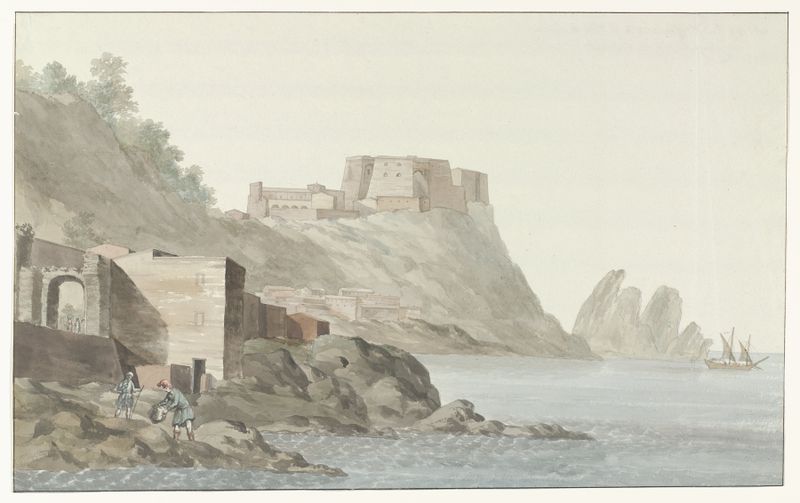
Rots en stad Scilla in de regio Calabrië aan de oostkust
Abraham-Louis-Rodolphe Ducros
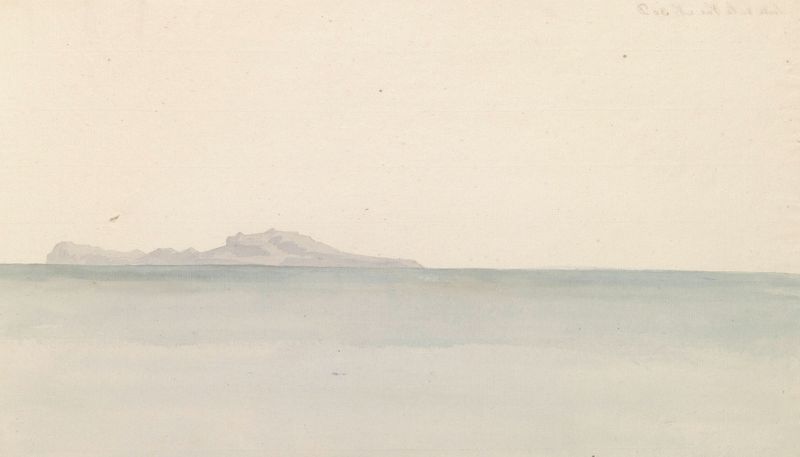
Gezicht op Golf van Napels vanaf kade bij kerk Santa Maria del Carmine
Abraham-Louis-Rodolphe Ducros
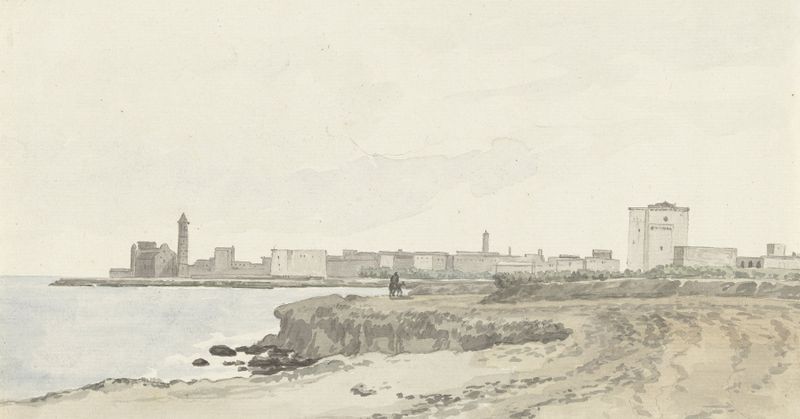
Gezicht op Trani gelegen aan de kust
Abraham-Louis-Rodolphe Ducros
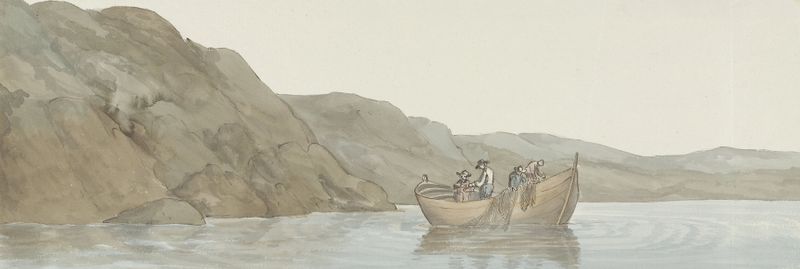
Gezicht op Kaap Paceco in Calabrië nabij de stad Scilla
Abraham-Louis-Rodolphe Ducros
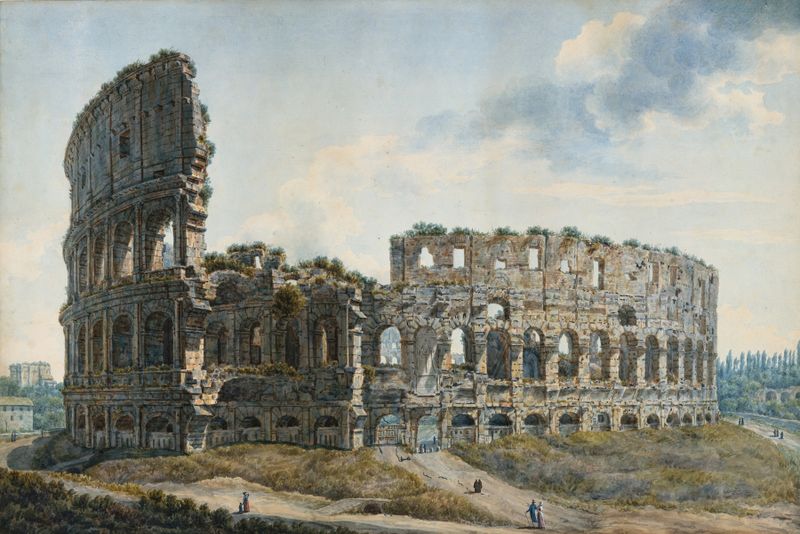
The Colosseum, Rome.
Abraham-Louis-Rodolphe Ducros
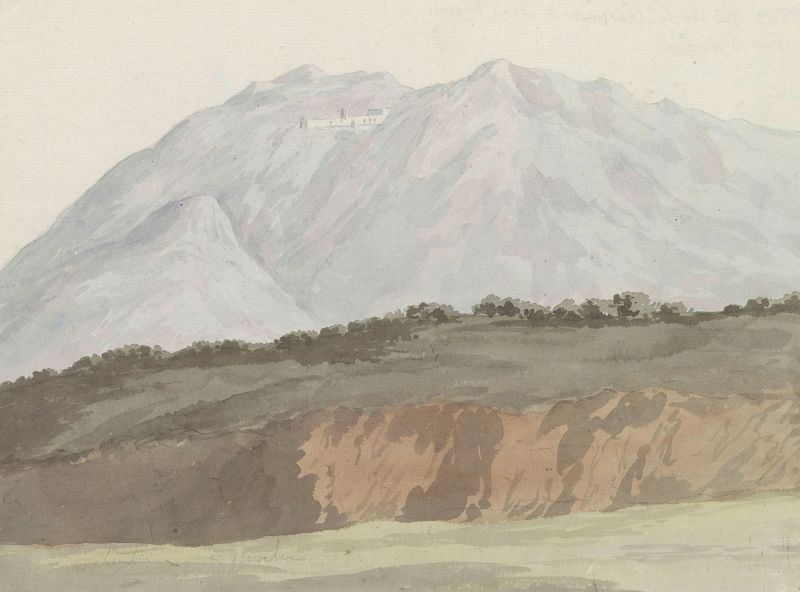
Gezicht op kartuizerklooster van Monte Vergine hoog gelegen boven Avellino
Abraham-Louis-Rodolphe Ducros
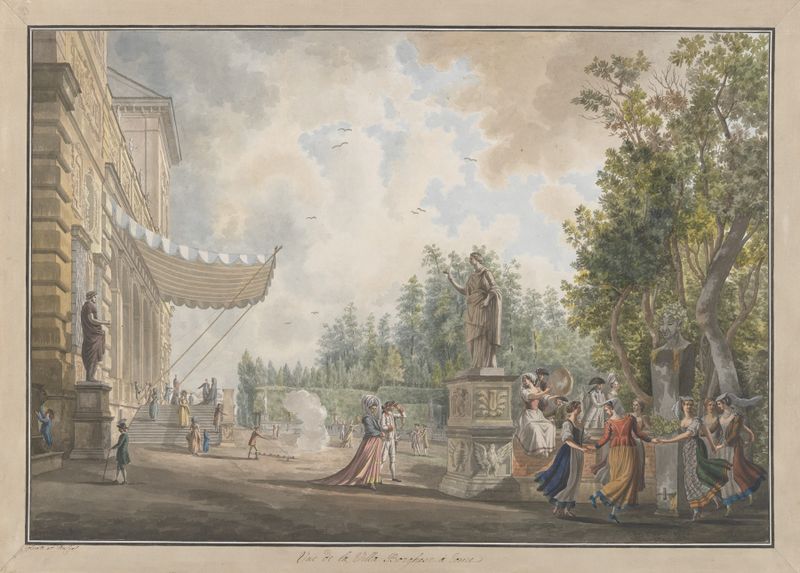
Villa Borghese
Abraham-Louis-Rodolphe Ducros
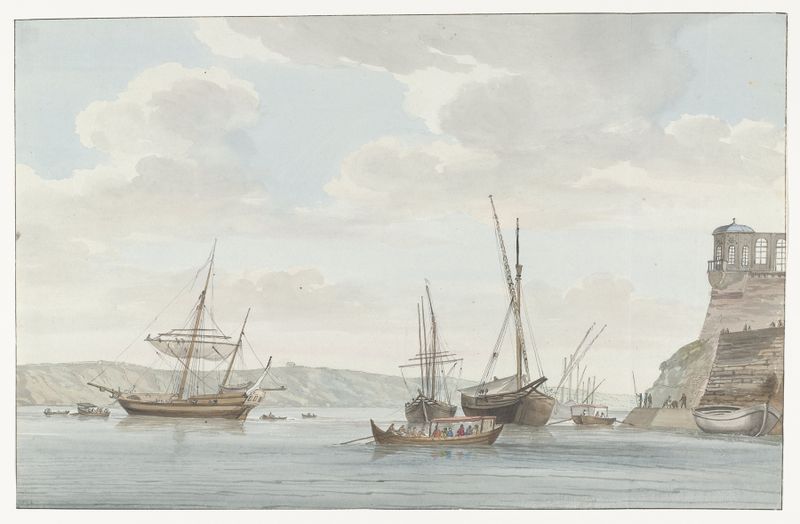
Tuinhuis van de Jardin du Grand Maître uittorend boven de haven met galei schepen op Malta
Abraham-Louis-Rodolphe Ducros
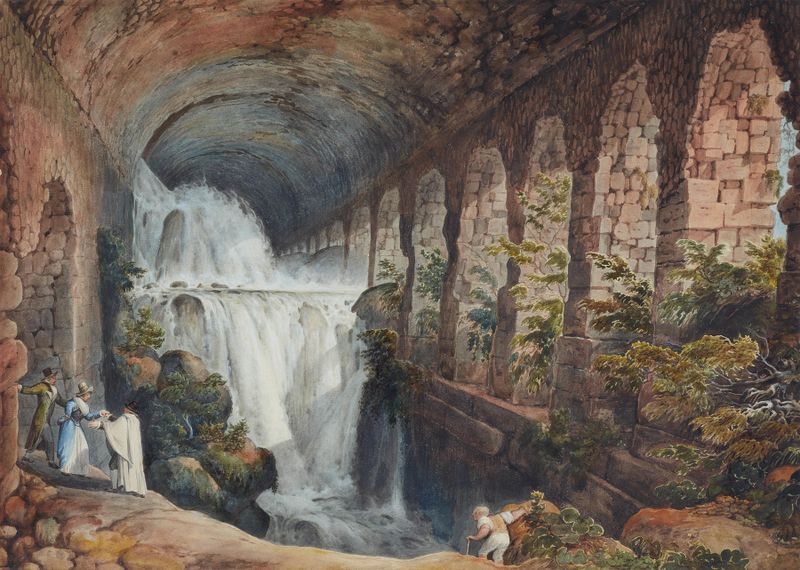
Aquädukt unter der Villa des Maecenas in Tivoli
Abraham-Louis-Rodolphe Ducros
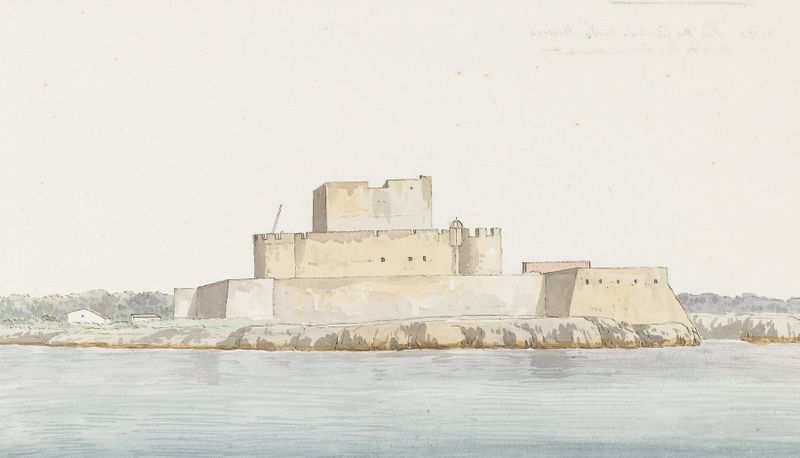
Gezicht op kasteel van San Mauro la Bruca vanaf zee bij aankomst
Abraham-Louis-Rodolphe Ducros





