
Villa Mauresque — History & Facts
What if silence could speak through light? In the quiet embrace of Villa Mauresque, shadows weave a tapestry of color and stillness, revealing a world suspended in time. Look to the upper left at the gentle curve of the villa's terracotta roof, where sunlight delicately kisses the surface. Notice how Marquet's brush dances across the canvas, capturing the interplay of light and shadow with rich blues and soft ochres. The horizon blurs softly, evoking the languid warmth of a summer afternoon, while the distant palm trees sway gently, echoing an unhurried pace.
Each stroke invites the viewer to linger, to breathe in the tranquil atmosphere. Amid the idyllic scene, a subtle tension emerges. The shadows cast by the villa suggest an underlying mystery, hinting at stories untold. The contrast between light and dark becomes a poignant metaphor for the passage of time, as the shadows lengthen and the day wanes.
Here, tranquility is tinged with a sense of nostalgia, inviting reflection on what lies beneath the surface—perhaps memories of laughter and love that have faded into the stillness of the landscape. In 1921, Albert Marquet painted Villa Mauresque while residing in the South of France, a period marked by a search for simplicity in form and color. As a member of the Fauvist movement, he distanced himself from the tumultuous scenes of his earlier works, embracing a more serene and introspective approach. This shift in his artistic vision mirrored a broader movement within the art world, as many sought refuge in the calmness of nature amidst the aftermath of World War I.
More Artworks by Albert Marquet
Browse all →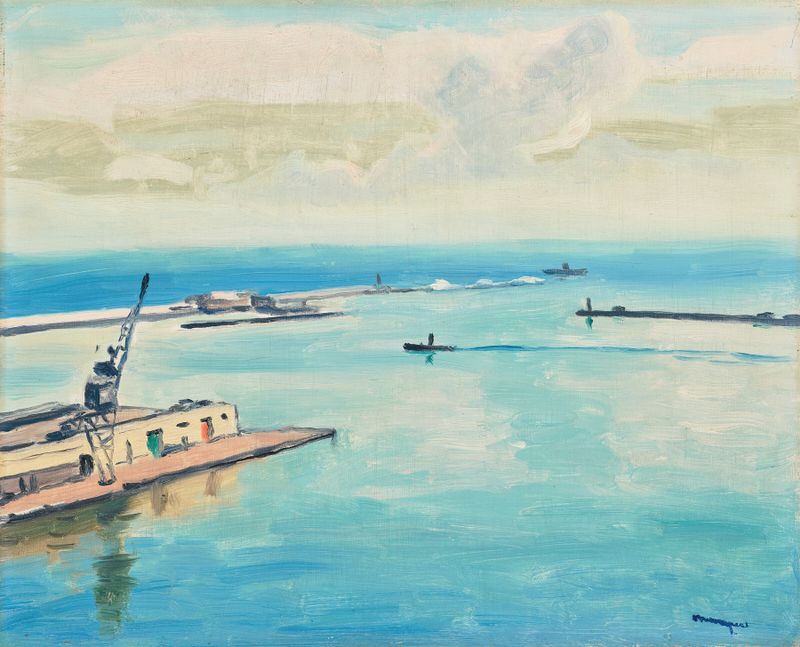
Le Port d’Alger
Albert Marquet
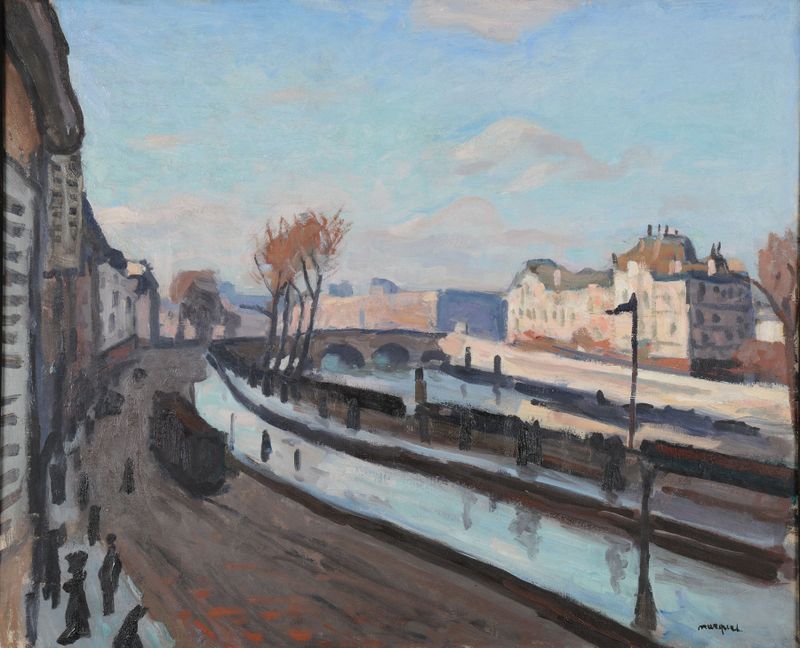
Le quai des Grands Augustins
Albert Marquet
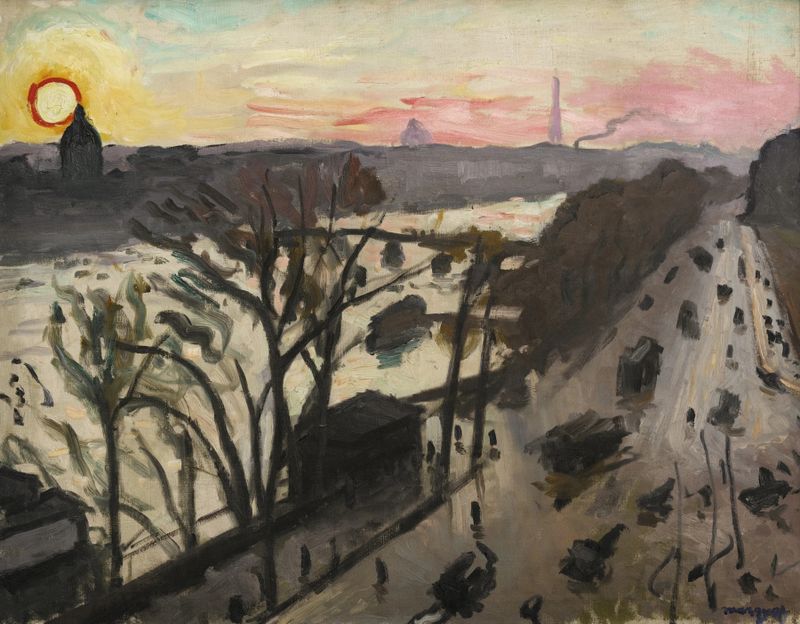
Paris, quai du Louvre, soleil d’hiver
Albert Marquet
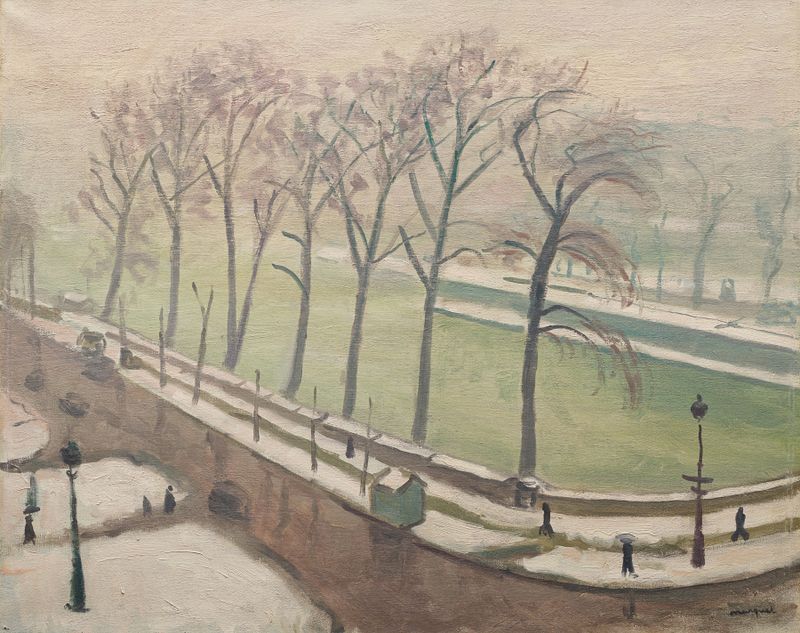
Pont-Neuf sous la neige
Albert Marquet
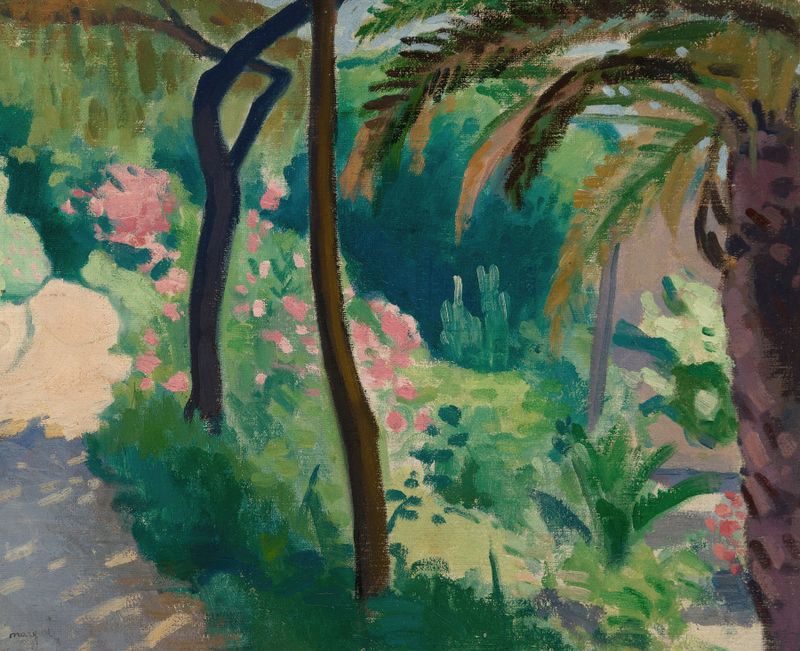
Le jardin à l’Estaque
Albert Marquet
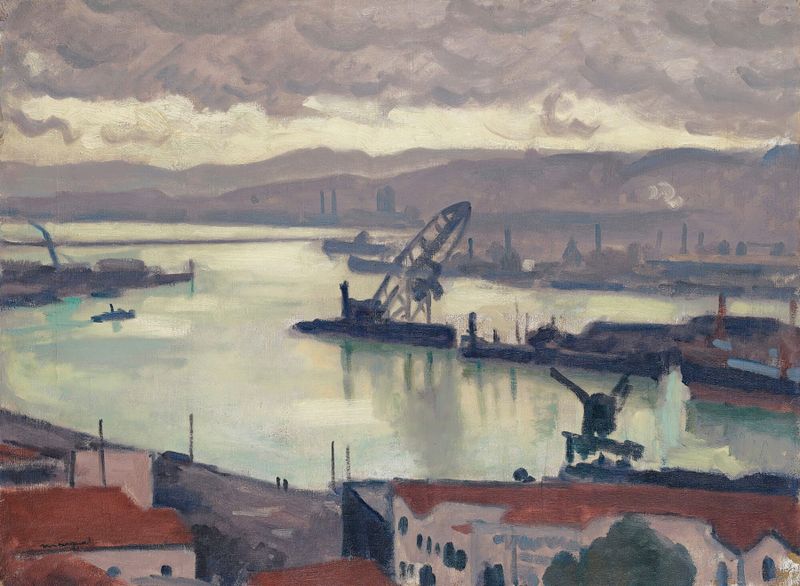
Alger, Temps Gris
Albert Marquet
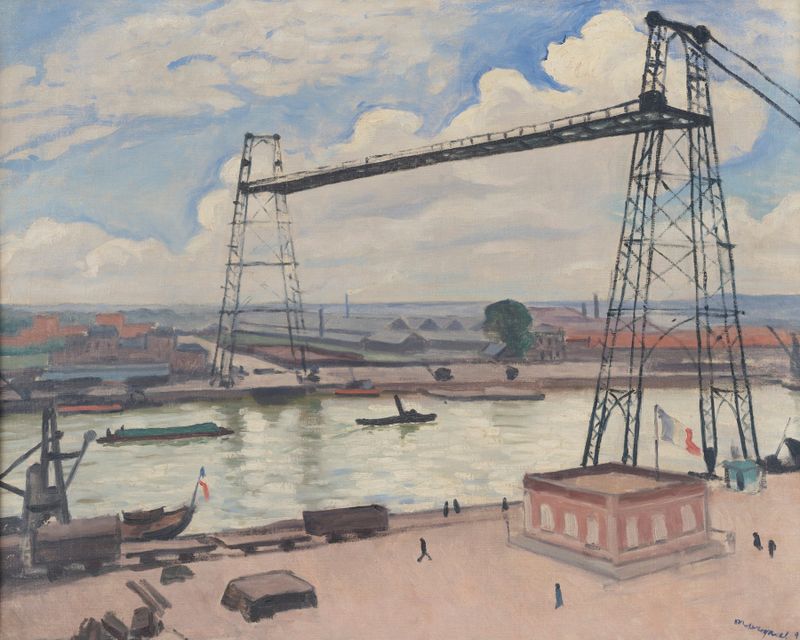
Rouen, le pont transbordeur
Albert Marquet
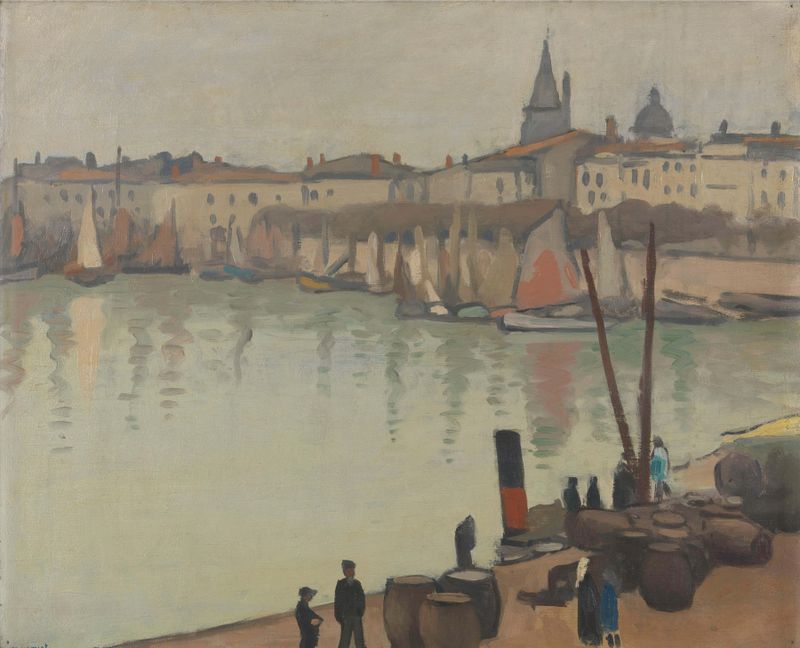
Port of La Rochelle
Albert Marquet

Berge de la Seine à Méricourt
Albert Marquet
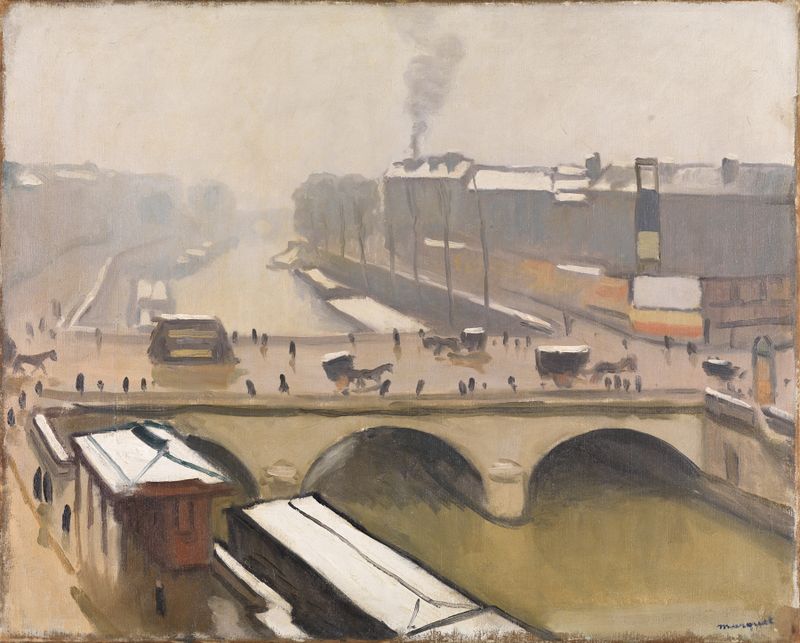
View of the Pont Saint-Michel in Paris
Albert Marquet
More Architecture Art
Browse all →
The statue of Liberty
Frédéric Auguste Bartholdi

View of Houses in Delft, Known as ‘The Little Street’
Johannes Vermeer

View of Houses in Delft, Known as ‘The Little Street’
Johannes Vermeer

The Cathedral in Rouen. The portal, Grey Weather
Claude Monet

The yellow house
Vincent van Gogh

The Church in Auvers-sur-Oise, View from the Chevet
Vincent van Gogh