
Villa Montalto Negroni — History & Facts
Who listens when art speaks of silence? In Villa Montalto Negroni, the lush landscape captures the whisper of solitude, embodying a fear of stillness beneath the vibrant hues. Look to the left, where the grand villa stands majestically against the rolling hills. The warm sunlight bathes the façade in golden tones, while the shadows deepen the crevices, hinting at secrets hidden within. Notice how the brushstrokes vary; the precise detailing of the architecture contrasts with the softer, more fluid forms of the surrounding trees and foliage.
The artist employs a palette of rich greens and earthy browns, invoking a sense of both comfort and unease in this idyllic setting. At first glance, the scene appears serene, yet there is an underlying tension. The villa, a symbol of wealth and stability, is juxtaposed against the wildness of nature, suggesting a fear of encroachment—a reminder that the tranquility of this estate is transient. The clouds looming overhead add to this feeling, hinting at storms to come and the inevitable decay of beauty.
Perhaps the careful arrangement of vibrant life and looming shadows reflects the tension between humanity's desires and nature’s indifferent power. In 1780, Ducros painted this masterpiece during a period marked by artistic exploration and the emergence of Romanticism. Living in Italy, he was captivated by its landscapes, yet this was a time of political unrest in Europe. His work reflects both a devotion to natural beauty and a burgeoning awareness of the complex relationship between humanity and the environment, laying the groundwork for future generations of artists who would delve deeper into these themes.
More Artworks by Abraham-Louis-Rodolphe Ducros
Browse all →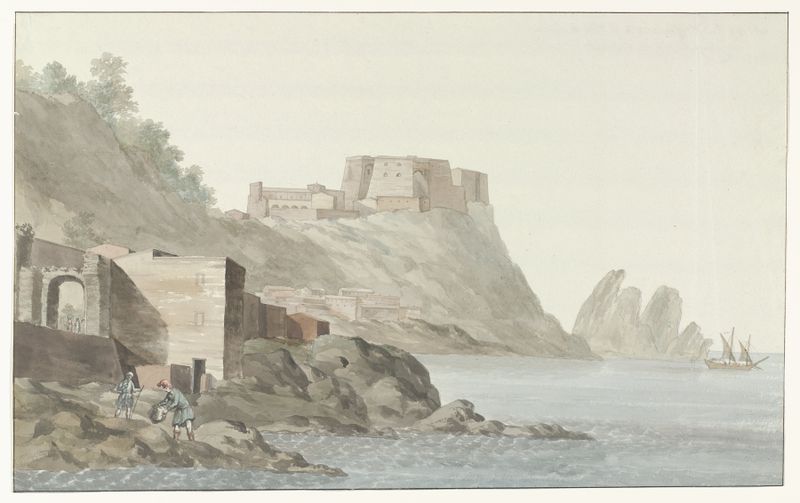
Rots en stad Scilla in de regio Calabrië aan de oostkust
Abraham-Louis-Rodolphe Ducros
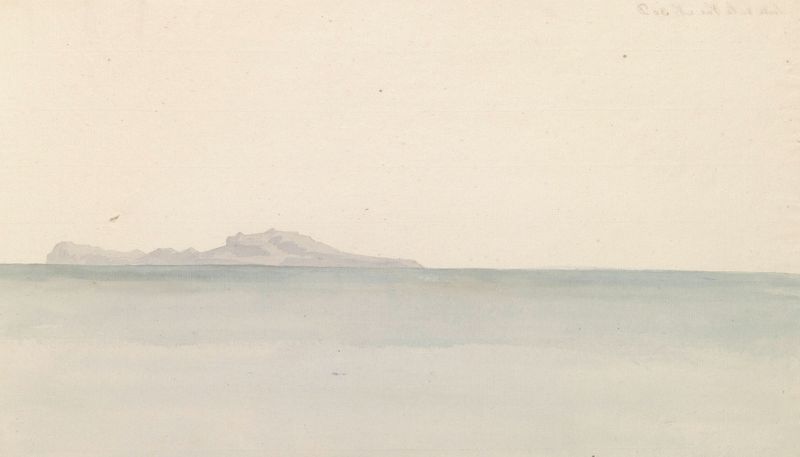
Gezicht op Golf van Napels vanaf kade bij kerk Santa Maria del Carmine
Abraham-Louis-Rodolphe Ducros
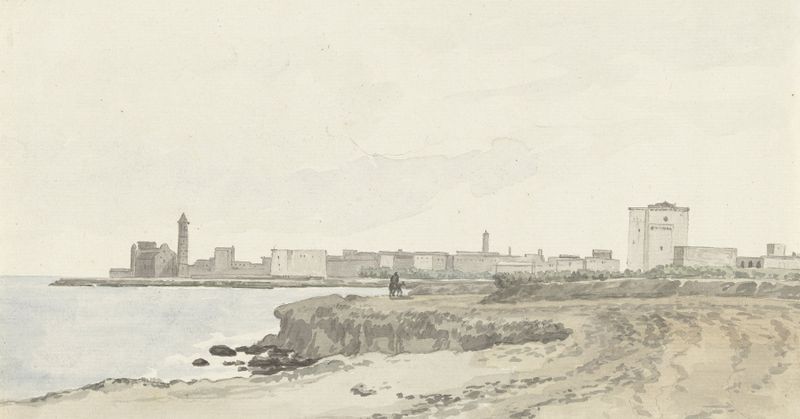
Gezicht op Trani gelegen aan de kust
Abraham-Louis-Rodolphe Ducros
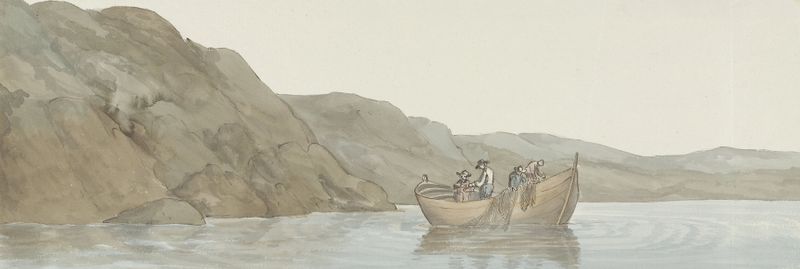
Gezicht op Kaap Paceco in Calabrië nabij de stad Scilla
Abraham-Louis-Rodolphe Ducros
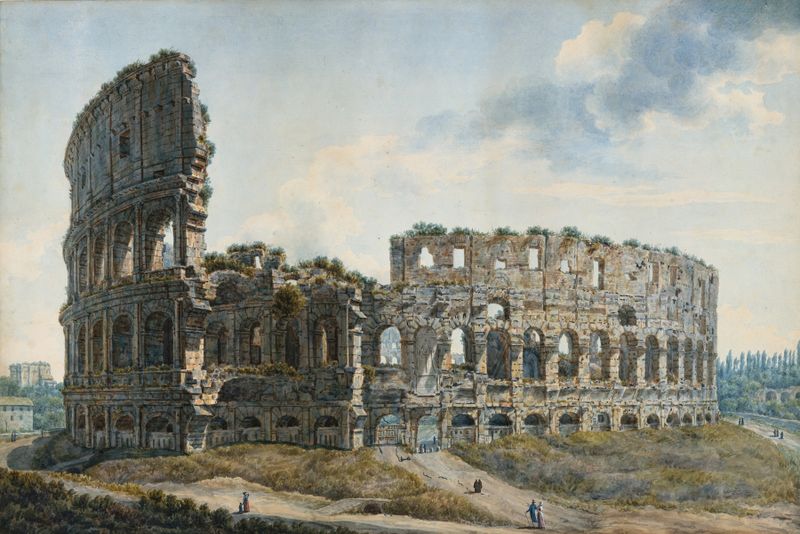
The Colosseum, Rome.
Abraham-Louis-Rodolphe Ducros
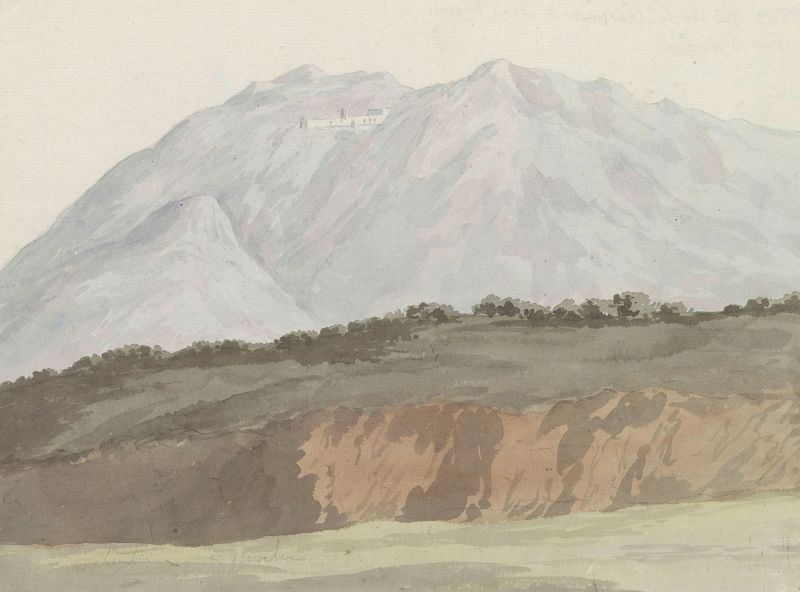
Gezicht op kartuizerklooster van Monte Vergine hoog gelegen boven Avellino
Abraham-Louis-Rodolphe Ducros
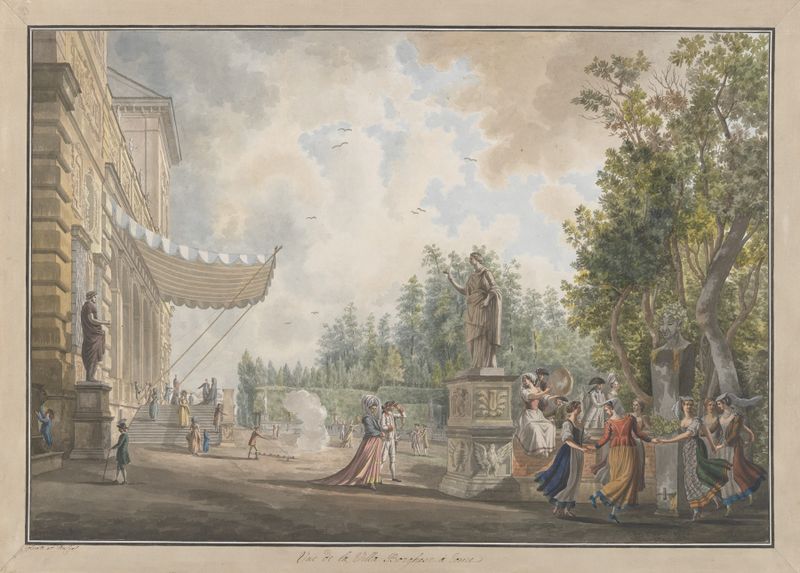
Villa Borghese
Abraham-Louis-Rodolphe Ducros
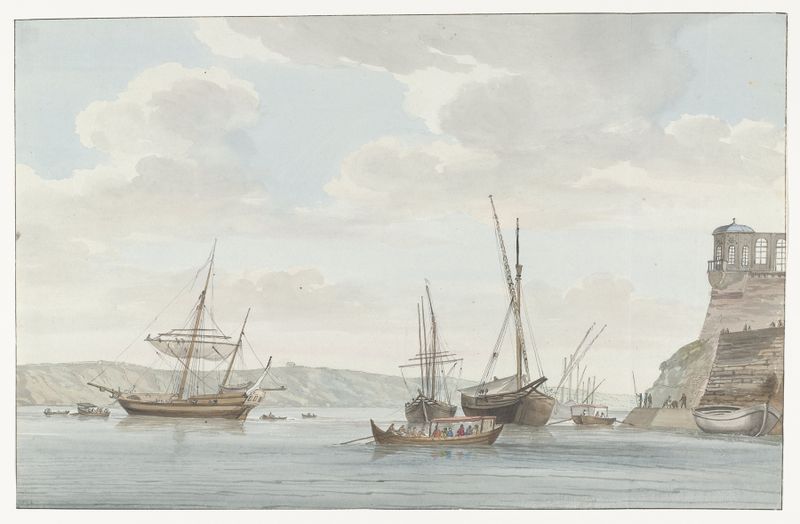
Tuinhuis van de Jardin du Grand Maître uittorend boven de haven met galei schepen op Malta
Abraham-Louis-Rodolphe Ducros
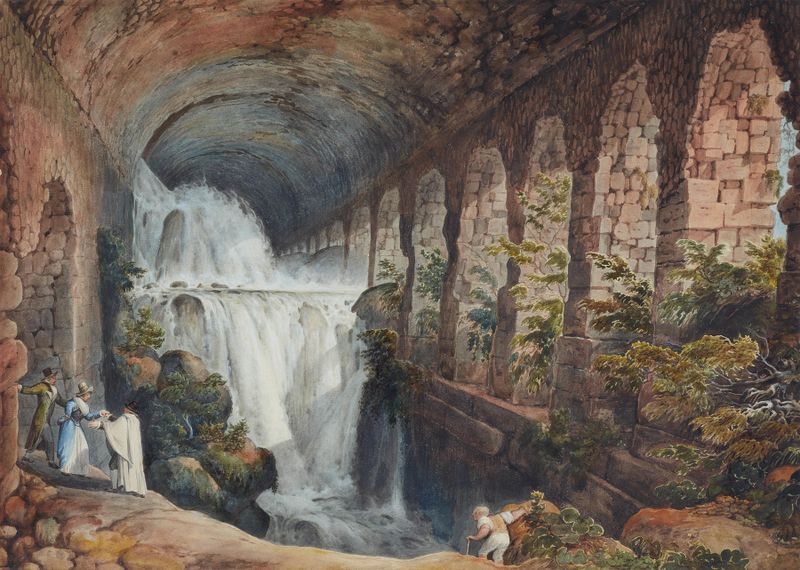
Aquädukt unter der Villa des Maecenas in Tivoli
Abraham-Louis-Rodolphe Ducros
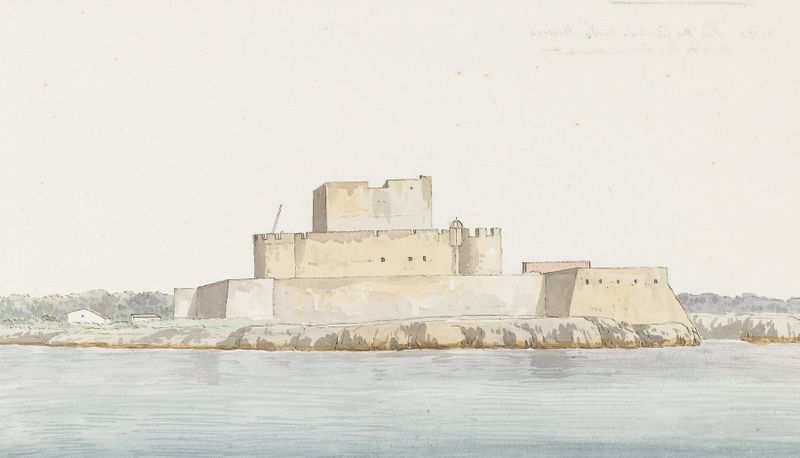
Gezicht op kasteel van San Mauro la Bruca vanaf zee bij aankomst
Abraham-Louis-Rodolphe Ducros





