
Villa Olmo — History & Facts
What if beauty was never meant to be finished? A fleeting moment captured in time invites us to ponder the intersection of nature and architecture, where the two worlds dance in harmony and conflict. Gaze first at the serene façade of the grand Villa Olmo, nestled against the shimmering waters of Lake Como. Notice how the delicate brushstrokes define the intricate details of the villa's neoclassical architecture, blending perfectly with the lush surrounding landscape. Light spills across the scene, illuminating the vibrant greens of the trees and the rich blues of the lake, creating a harmonious palette that draws the eye effortlessly across the canvas. Amidst this picturesque setting, there exists an undercurrent of tension.
The villa, a symbol of human endeavor, stands strong against the ephemeral beauty of nature that encircles it. The choice of warm colors and soft shadows hints at an impending change, a revolution of sorts, perhaps reflecting the societal shifts during the early 20th century. The contrast between the man-made structure and the organic elements evokes a sense of fragility, suggesting that even the most beautiful creations are but temporary moments in the grand narrative of life. During the years spanning 1915 to 1945, Gabriel Lory the Younger painted this masterpiece amidst the backdrop of a world grappling with the aftermath of war and the rise of modernity.
Living in Switzerland, he witnessed new artistic movements and the tensions they brought to traditional forms. It was a time when artists sought to transform beauty, embracing change and redefining their relationship with the environment, as reflected in this exquisite portrayal of Villa Olmo.
More Artworks by Gabriel Lory the Younger
Browse all →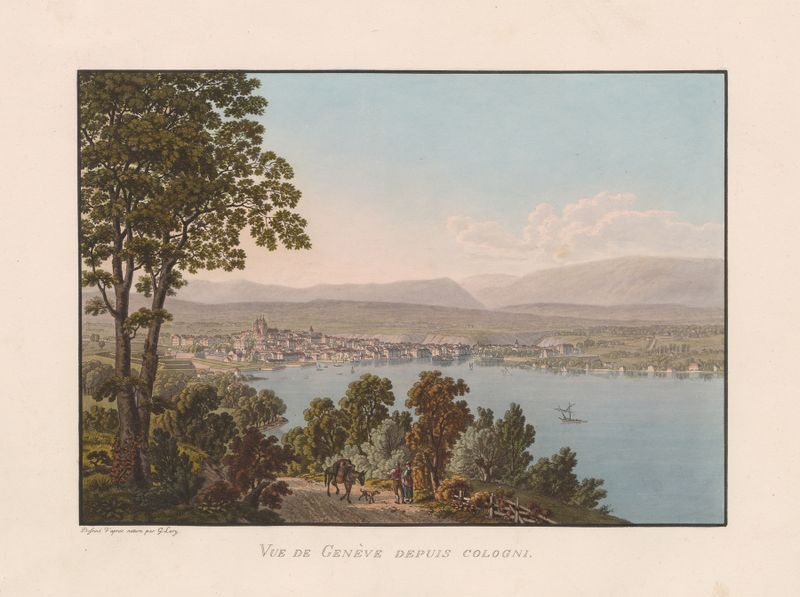
Vue de Genève depuis Cologni
Gabriel Lory the Younger
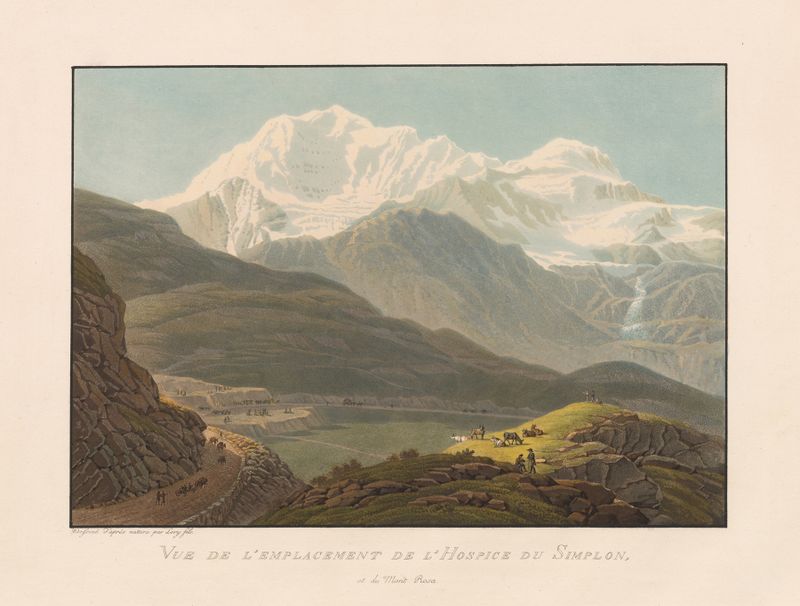
Vue de l’emplacement de l’Hospice du Simplon, et du Mont Rosa
Gabriel Lory the Younger
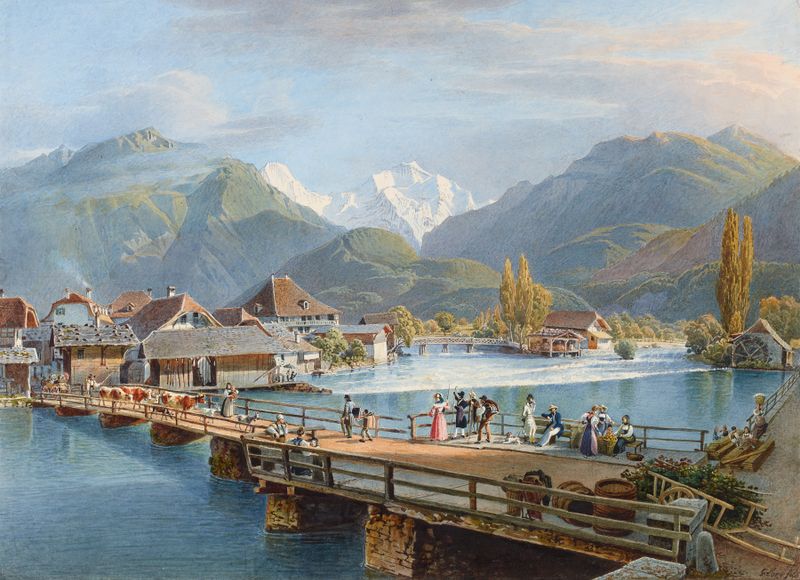
Unterseen mit Blick auf die Jungfrau
Gabriel Lory the Younger
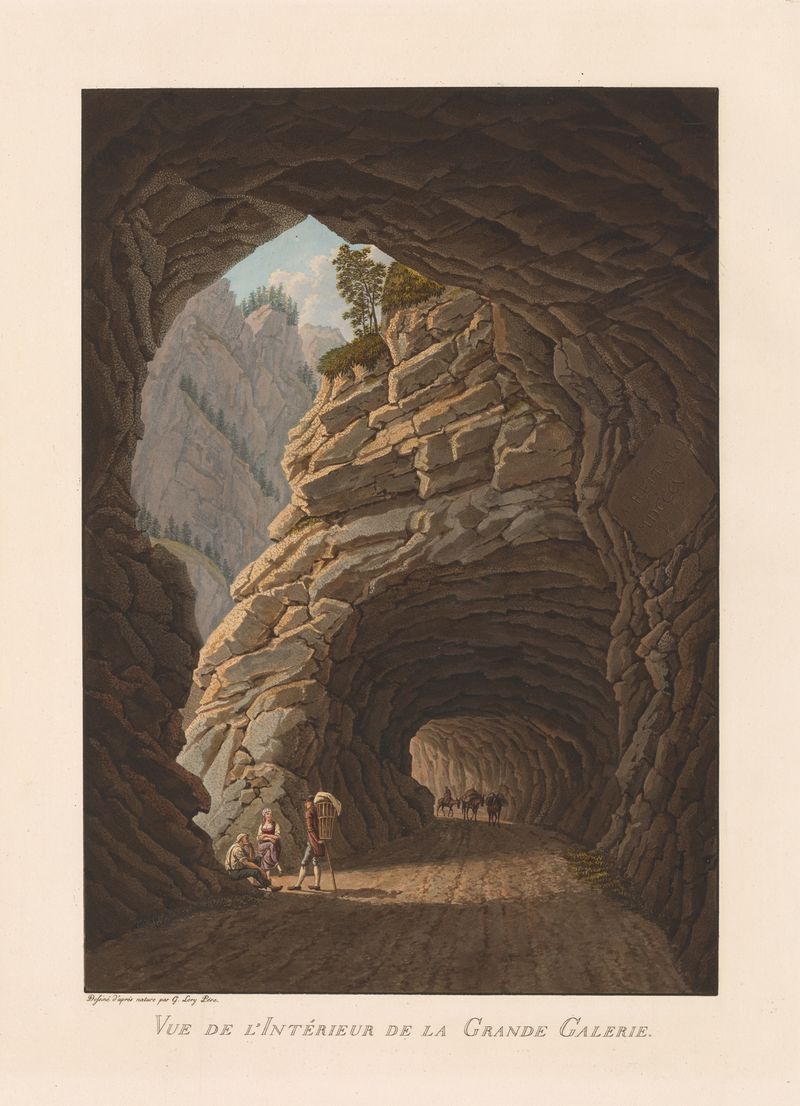
Vue de l’intérieur de la Grande Galerie
Gabriel Lory the Younger
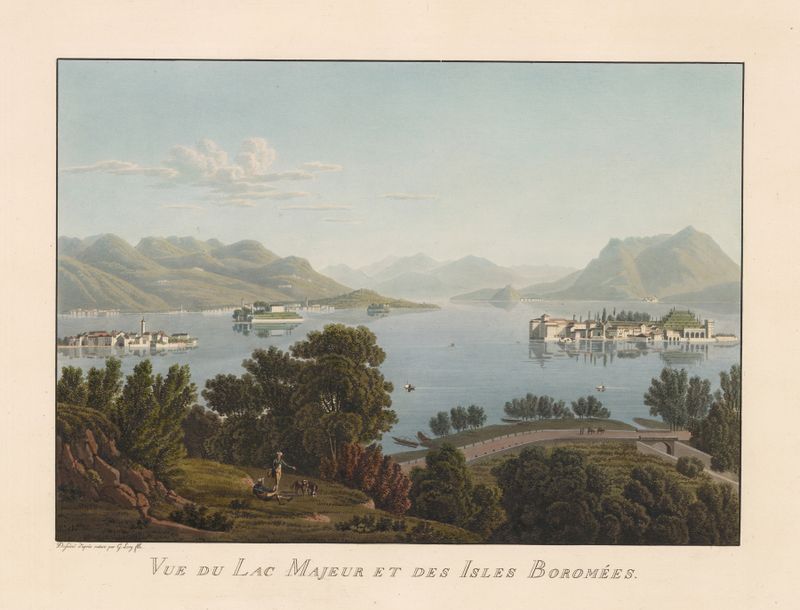
Vue du Lac Majeur et des Isles Boromées
Gabriel Lory the Younger
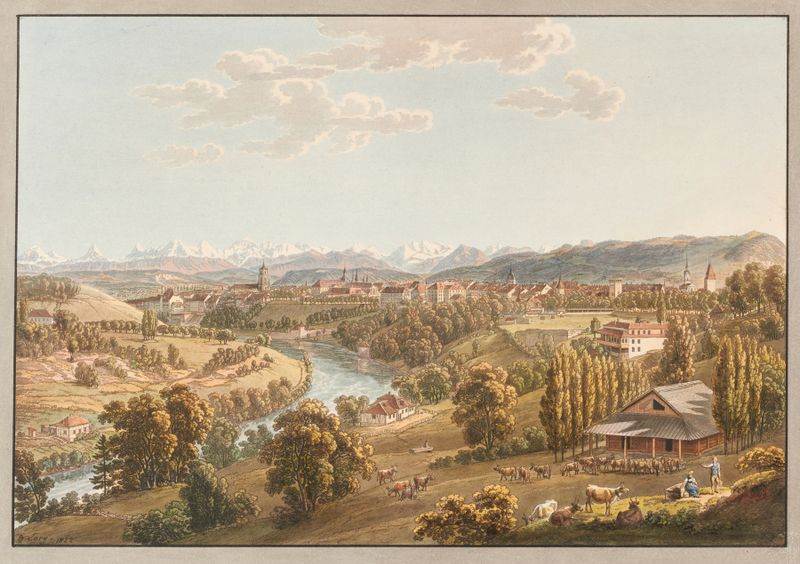
Vue de la ville de Berne
Gabriel Lory the Younger
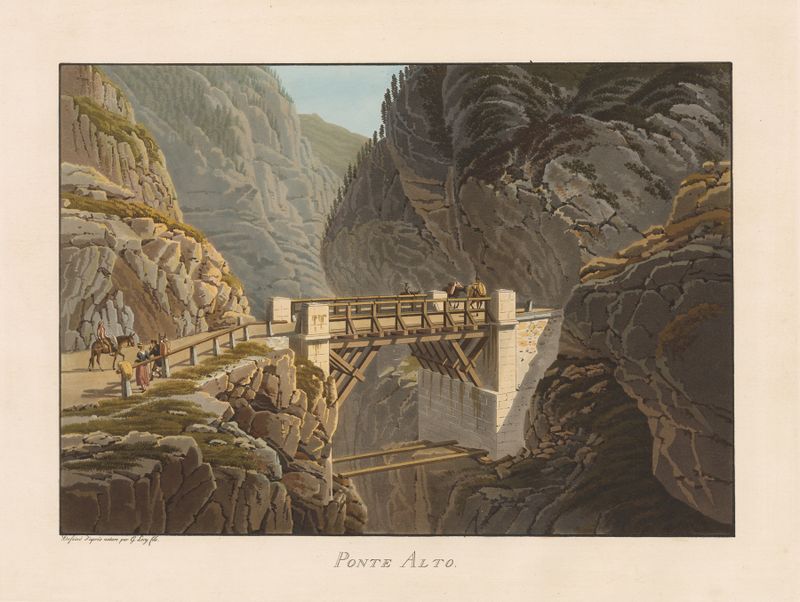
Ponte Alto
Gabriel Lory the Younger
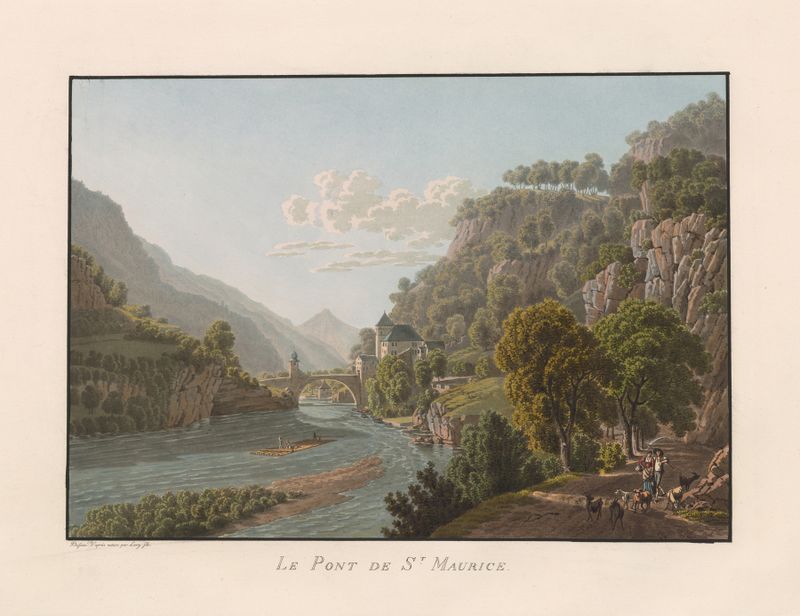
Le Pont de St. Maurice
Gabriel Lory the Younger
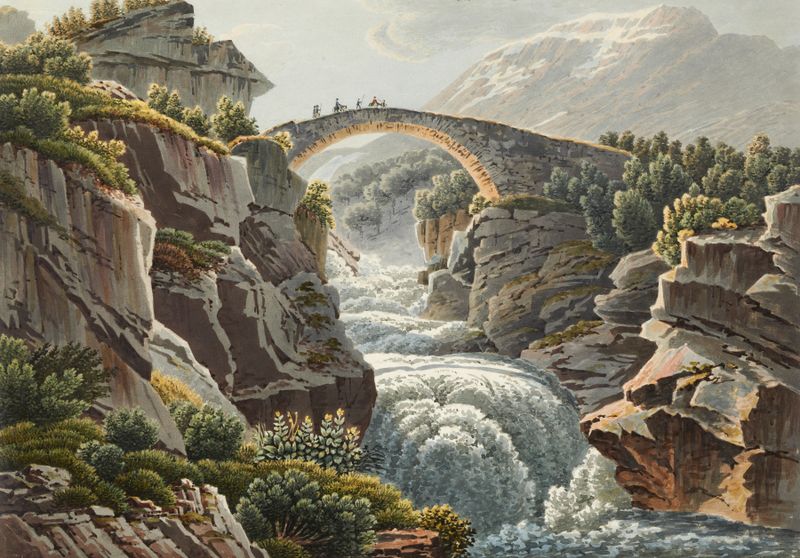
Pont sur l’Aar au passage du Grimsel
Gabriel Lory the Younger
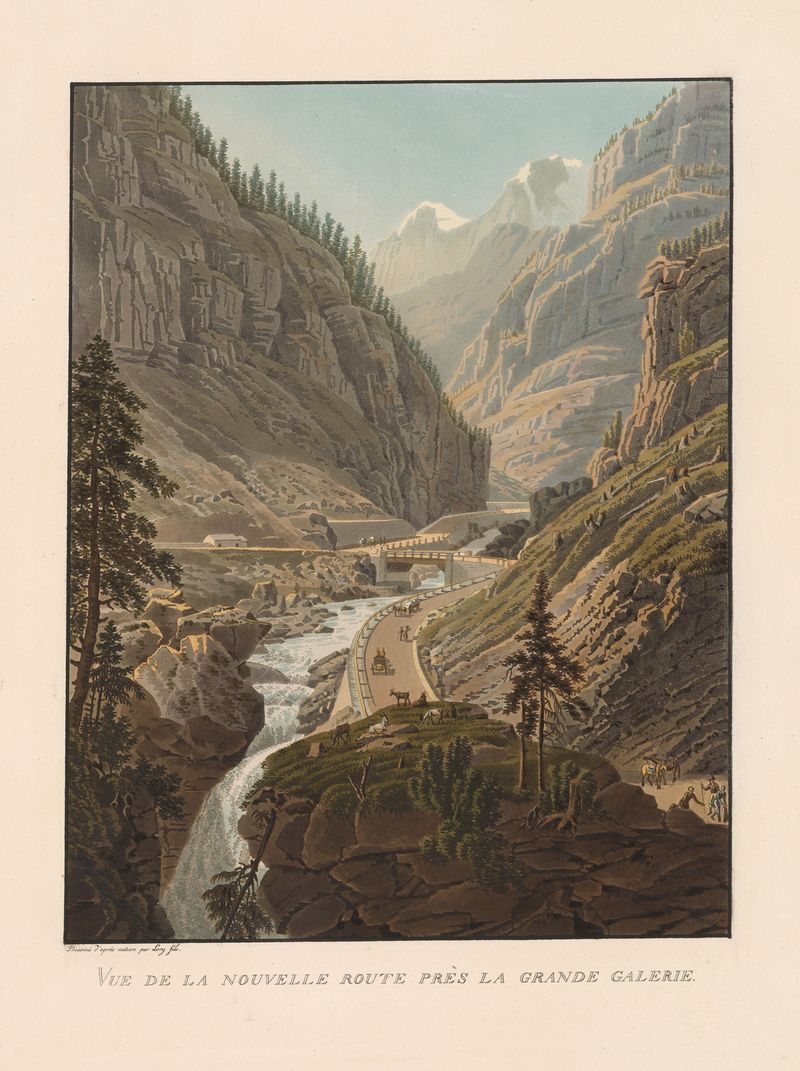
Vue de la nouvelle route près la Grande Galerie
Gabriel Lory the Younger
More Architecture Art
Browse all →
The statue of Liberty
Frédéric Auguste Bartholdi

View of Houses in Delft, Known as ‘The Little Street’
Johannes Vermeer

View of Houses in Delft, Known as ‘The Little Street’
Johannes Vermeer

The Cathedral in Rouen. The portal, Grey Weather
Claude Monet

The yellow house
Vincent van Gogh

The Church in Auvers-sur-Oise, View from the Chevet
Vincent van Gogh