
Villa Pamphili — History & Facts
Where does light end, and longing begin? In the delicate interplay of hues and shadows, we find a whisper of the heart’s deepest yearnings. Look to the left at the gentle slope of the hills, painted in soft greens and golden browns. The sunlight bathes the landscape, casting elongated shadows that dance across the ground while illuminating the vibrant flora. Notice how the sky, a blend of blues and whites, reflects this warmth, inviting the viewer to step into the scene.
The artist’s meticulous brushwork creates a sense of depth, drawing your eye toward the villa's elegant facade nestled amid the trees, a serene testament to beauty and tranquility. Yet, beneath this picturesque surface lies a poignant tension—the villa, a symbol of grandeur, stands solitary against the expansive landscape. The surrounding trees, though lush, seem to whisper secrets of solitude, framing the building yet distancing it from the broader world. This contrast between human achievement and nature’s embrace evokes a sense of longing, perhaps for connection, or for the fleeting nature of beauty itself.
Each detail amplifies this sentiment, as if inviting the viewer to linger, to contemplate what lies beyond the painted horizon. Created in 1780, this piece emerged during a period of transition for both Ducros and the art world. Living in Rome, he was deeply immersed in the neoclassical revival, where the ideal forms of antiquity began to blend with the emerging romantic sensibilities. This work reflects not only his technical prowess but also the shifting tides of artistic expression, encapsulating a moment where nature and architecture coalesce into a timeless narrative.
More Artworks by Abraham-Louis-Rodolphe Ducros
Browse all →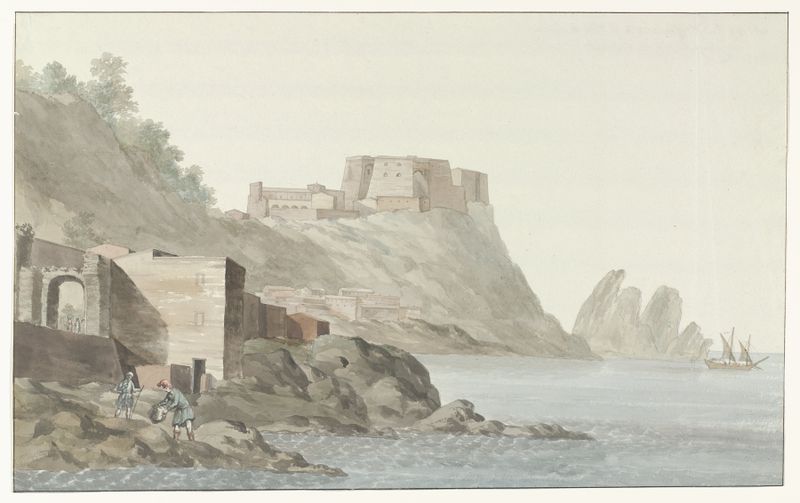
Rots en stad Scilla in de regio Calabrië aan de oostkust
Abraham-Louis-Rodolphe Ducros
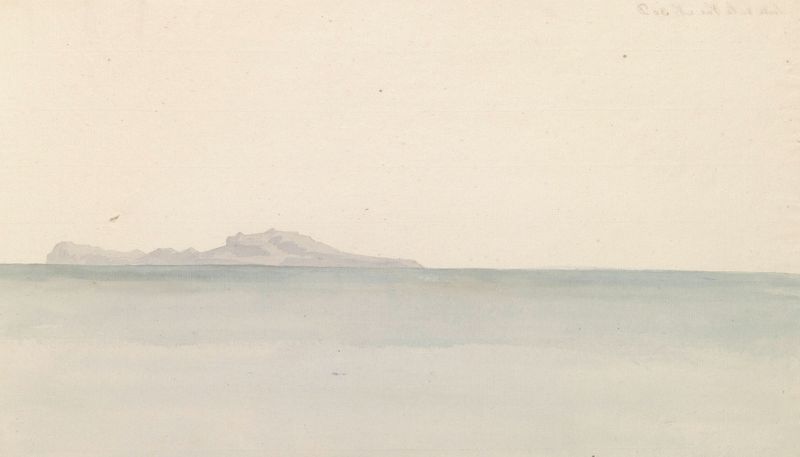
Gezicht op Golf van Napels vanaf kade bij kerk Santa Maria del Carmine
Abraham-Louis-Rodolphe Ducros
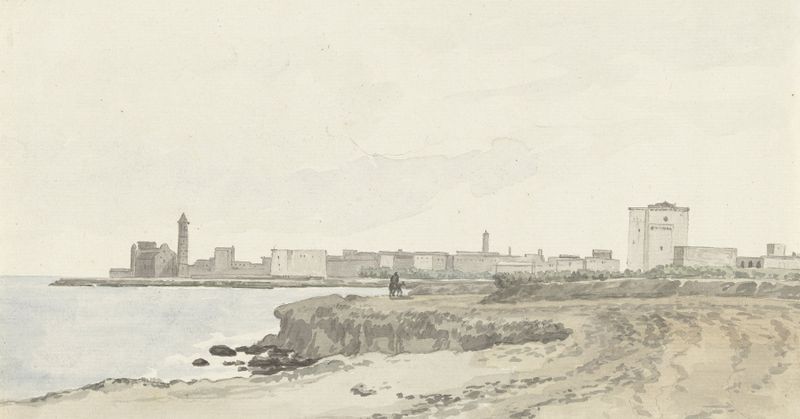
Gezicht op Trani gelegen aan de kust
Abraham-Louis-Rodolphe Ducros
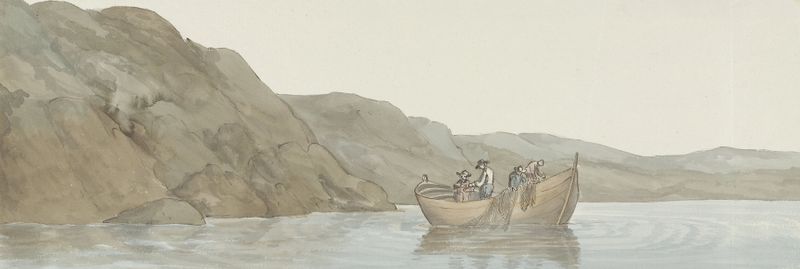
Gezicht op Kaap Paceco in Calabrië nabij de stad Scilla
Abraham-Louis-Rodolphe Ducros
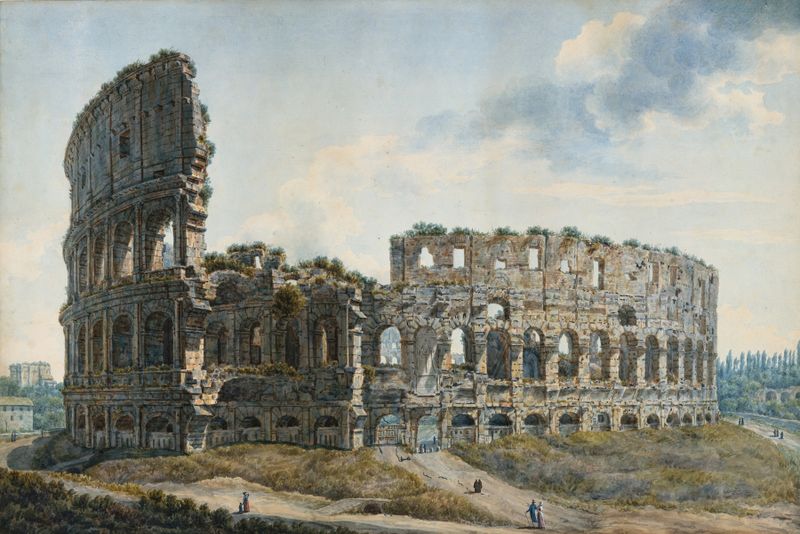
The Colosseum, Rome.
Abraham-Louis-Rodolphe Ducros
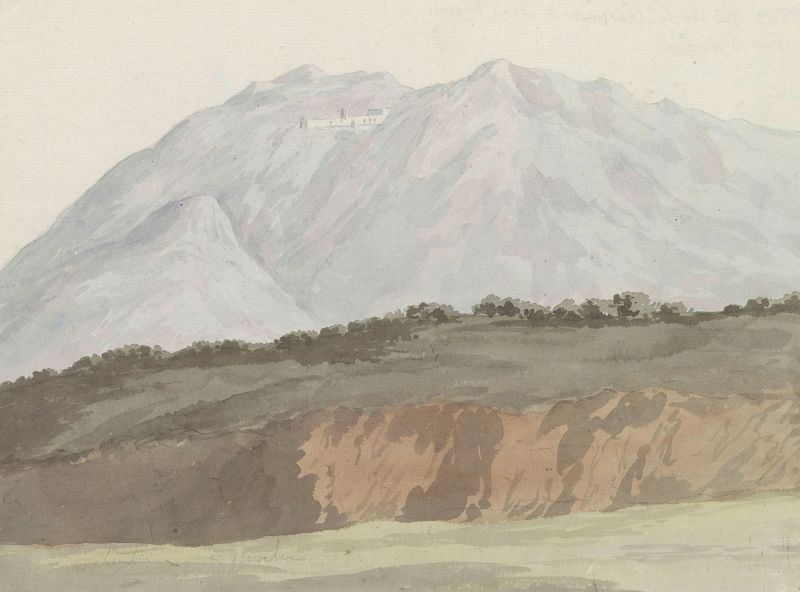
Gezicht op kartuizerklooster van Monte Vergine hoog gelegen boven Avellino
Abraham-Louis-Rodolphe Ducros
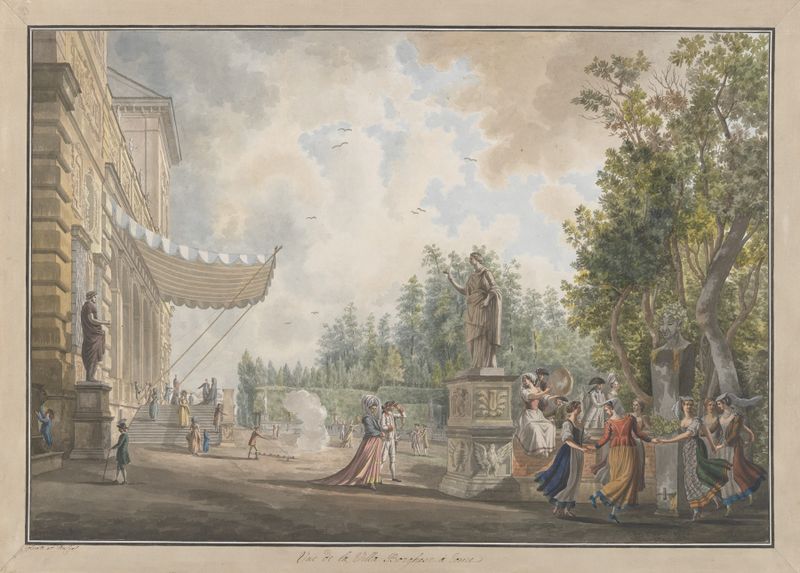
Villa Borghese
Abraham-Louis-Rodolphe Ducros
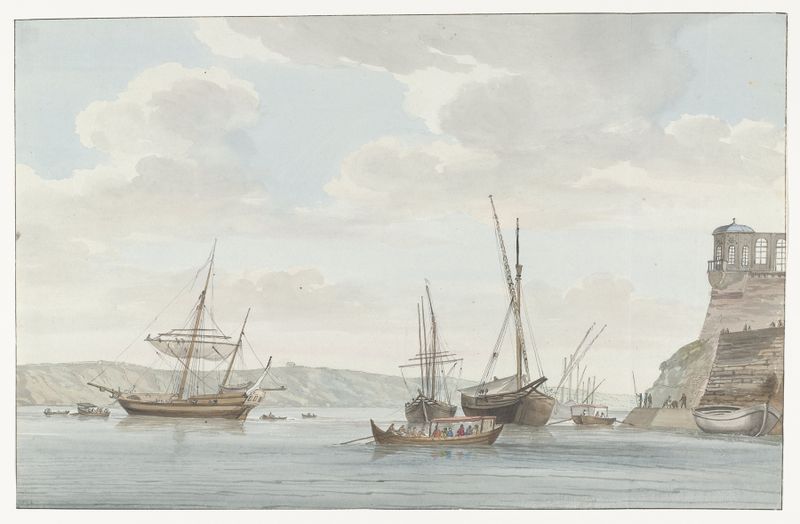
Tuinhuis van de Jardin du Grand Maître uittorend boven de haven met galei schepen op Malta
Abraham-Louis-Rodolphe Ducros
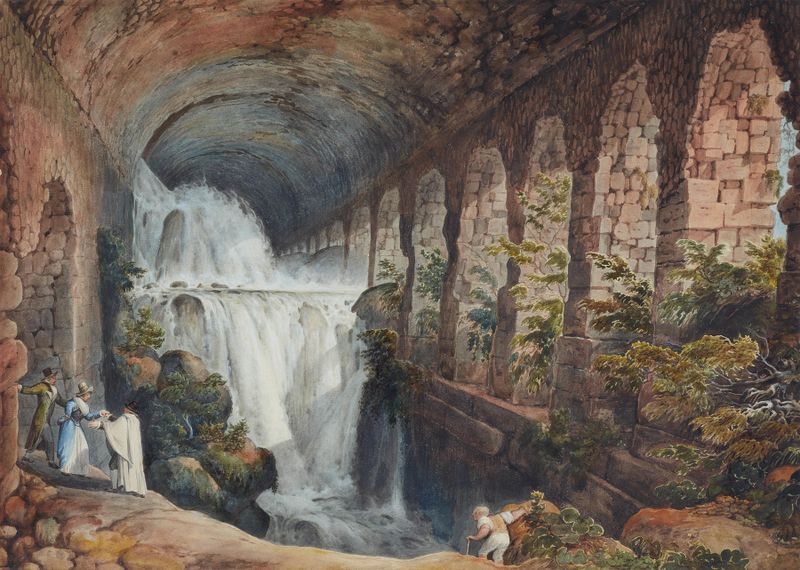
Aquädukt unter der Villa des Maecenas in Tivoli
Abraham-Louis-Rodolphe Ducros
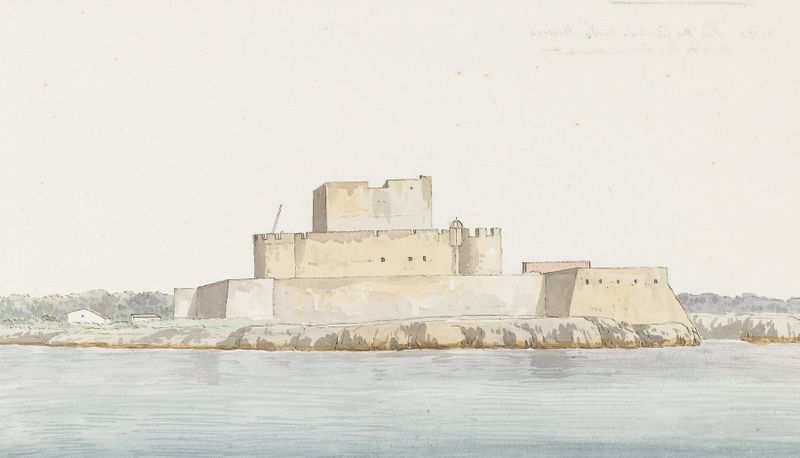
Gezicht op kasteel van San Mauro la Bruca vanaf zee bij aankomst
Abraham-Louis-Rodolphe Ducros





