
Ville d’Avray — History & Facts
What if silence could speak through light? In Ville d’Avray, a tranquil scene unfolds, where the whisper of nature and the stillness of water hold a conversation deeper than words. Focus first on the serene waterway that mirrors the trees, inviting your gaze to drift across its calm surface. Notice how the dappled sunlight filters through the leaves, casting intricate patterns that dance upon the water, breathing life into the stillness. Corot's delicate brushwork captures the nuances of green, from the vivid hues of the foliage to the softer tones reflecting its essence in the water, establishing a harmonious balance between land and sky. Amidst this peaceful landscape, subtle contrasts emerge—between light and shadow, stillness and movement.
The vibrant greens of the trees stand in stark relief against the muted blues and browns of the water and earth, suggesting a dialogue between vitality and tranquility. The painting embodies an emotional tension, as if the very air vibrates with unspoken thoughts, inviting viewers to reflect on their own experiences amidst nature. During the late 1830s, while residing in Ville d’Avray, Corot painted this masterpiece, a period marked by his deepening exploration of the effects of light on landscapes. The artist, already well-known for his contributions to the Barbizon School, sought to capture the essence of nature, responding to the shifting ideals of Romanticism and Impressionism.
In this work, he not only depicted a moment in time but also furthered the pursuit of painting as a means of personal expression and emotional resonance.
More Artworks by Jean-Baptiste-Camille Corot
Browse all →
View of Genoa
Jean-Baptiste-Camille Corot
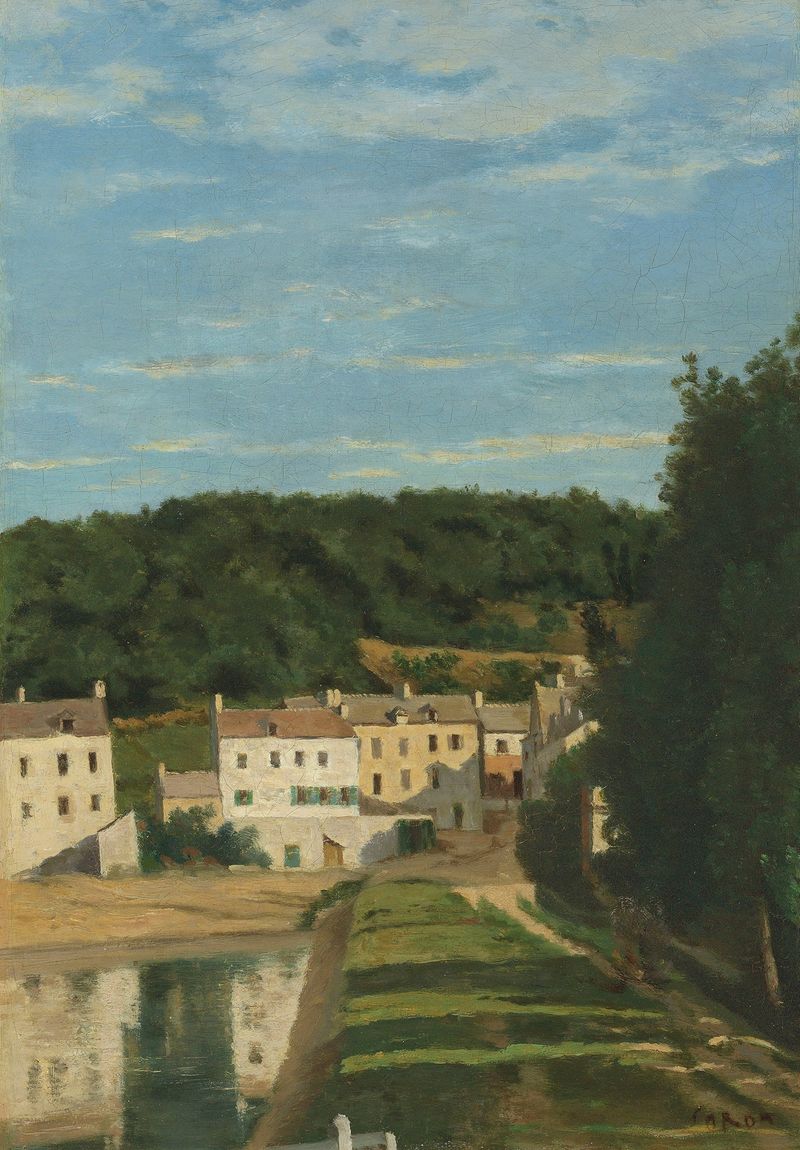
Les Maisons Cabassud À Ville D’avray
Jean-Baptiste-Camille Corot

La solitude. Souvenir de Vigen (Limousin)
Jean-Baptiste-Camille Corot
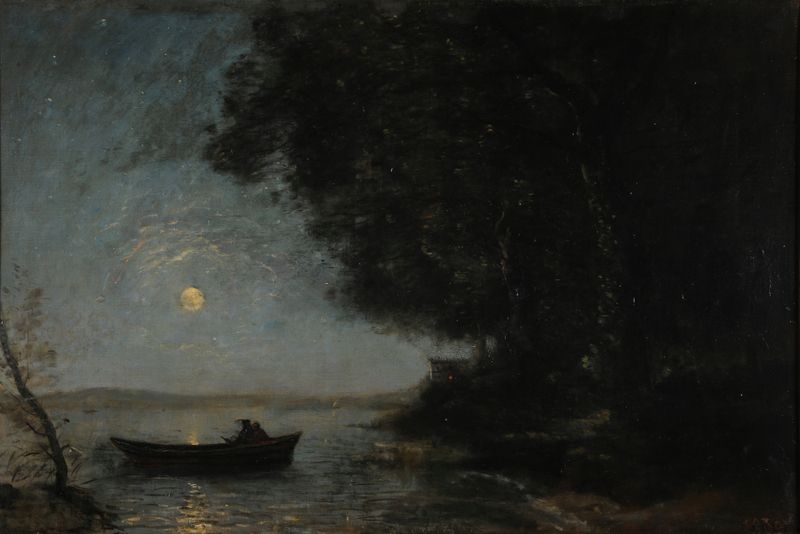
Le lac ; effet de nuit
Jean-Baptiste-Camille Corot
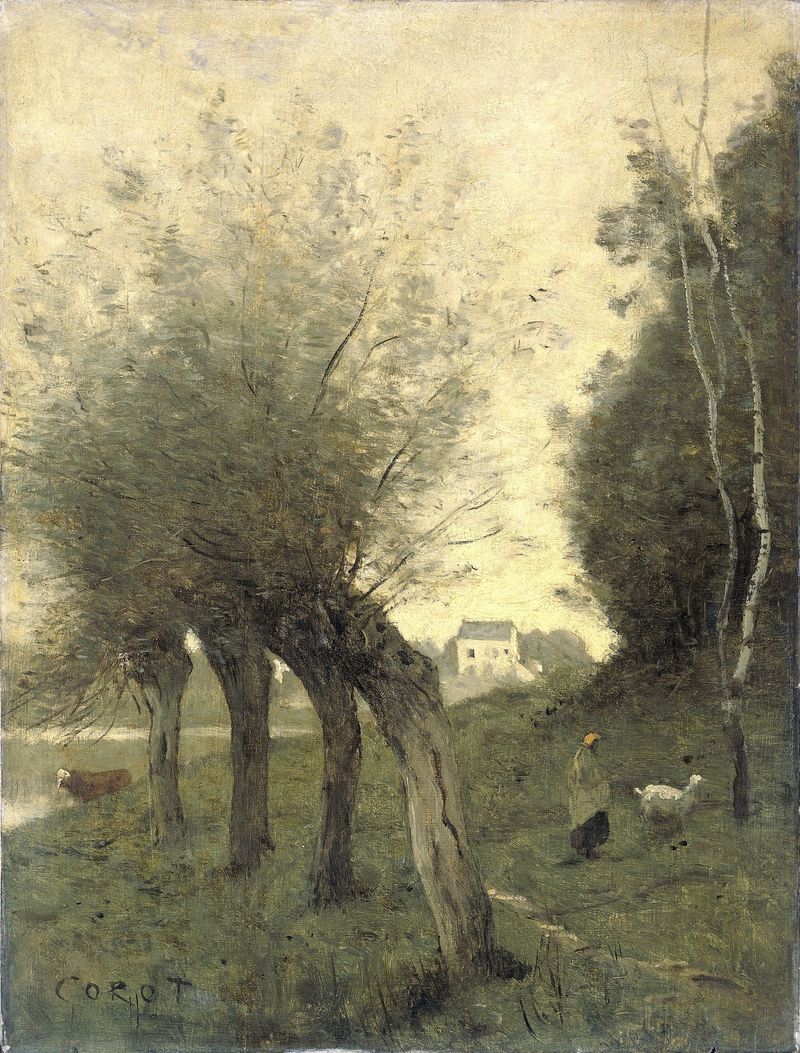
Landscape with Pollard Willows
Jean-Baptiste-Camille Corot
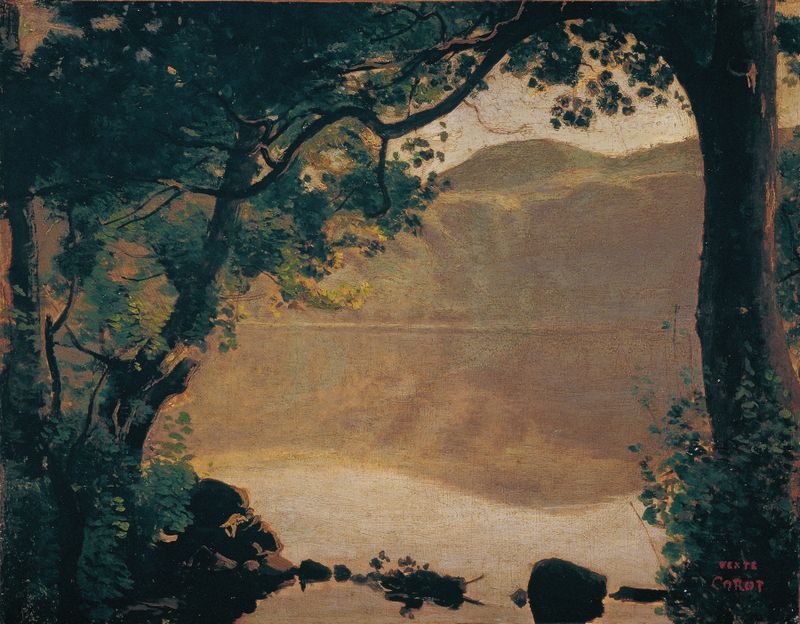
Der Nemisee
Jean-Baptiste-Camille Corot
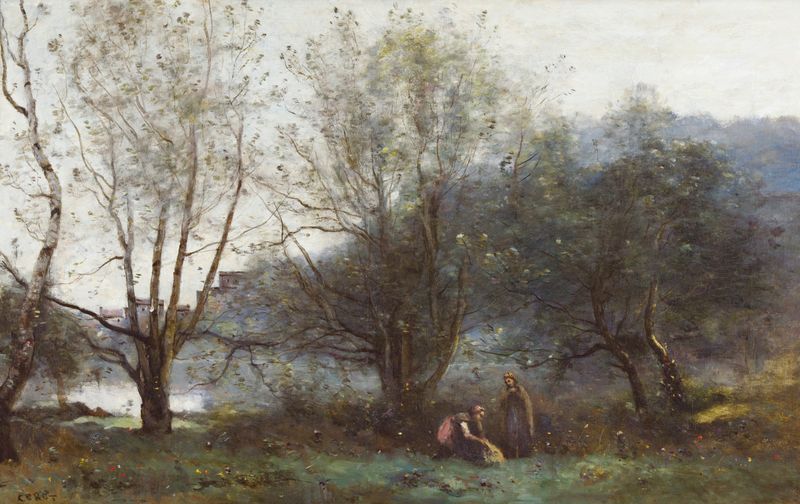
Les Étangs De Ville D’avray
Jean-Baptiste-Camille Corot
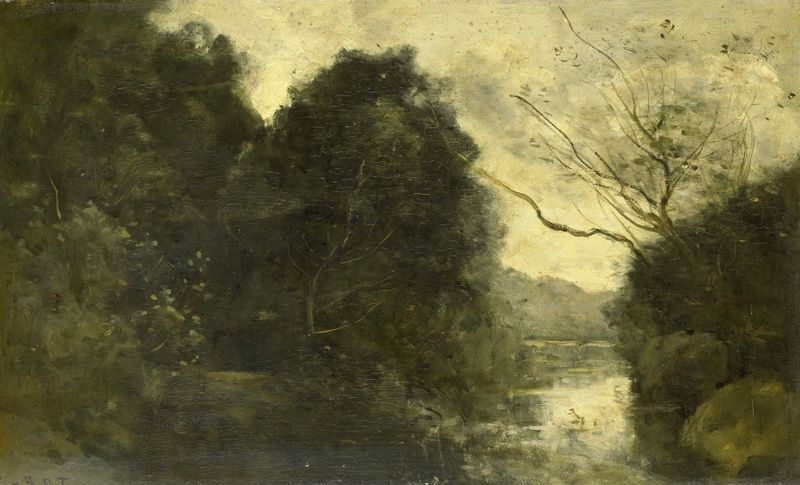
Pond in the Woods
Jean-Baptiste-Camille Corot
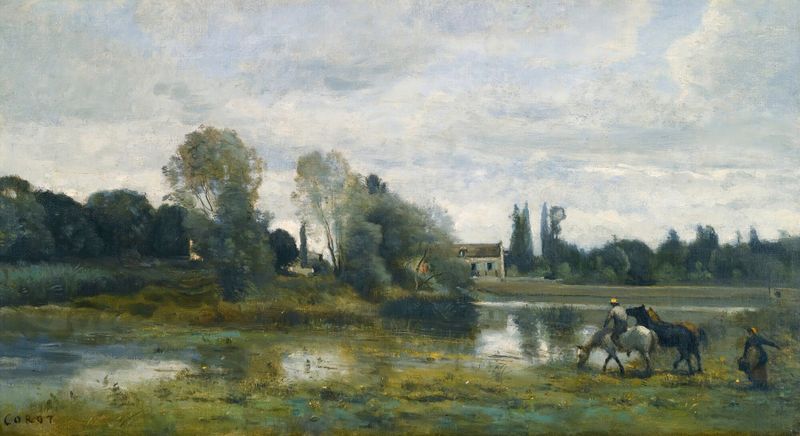
Ville D’avray; L’abreuvoir Des Chevaux
Jean-Baptiste-Camille Corot
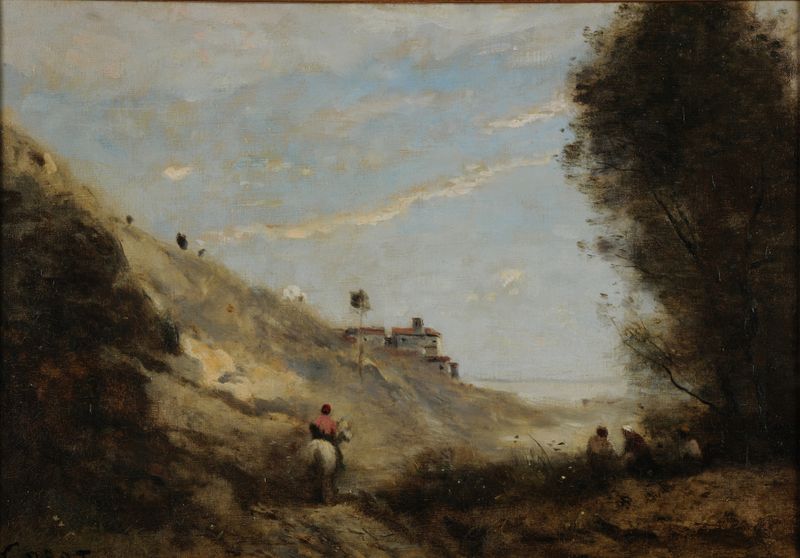
Le vallon au cavalier
Jean-Baptiste-Camille Corot





