
Virgin and Child — History & Facts
In Virgin and Child, the viewer sees the Virgin Mary holding the Christ Child in a tender embrace. The colors are rich and warm, with deep reds and soft skin tones. The background is softly blurred, drawing attention to the figures in the foreground.
The overall composition conveys a sense of intimacy and devotion. The painting is executed in oil on canvas, a common medium for Baroque artists. Guercino's technique includes soft brushwork and a careful attention to light and shadow, creating a three-dimensional effect. The expressions on the faces of Mary and the Child are gentle and serene.
This work exemplifies the emotional depth typical of Guercino's style. Guercino, born Giovanni Francesco Barbieri, was a prominent figure in the Baroque movement. This painting, created in the 1640s, reflects his ability to convey human emotion through religious themes. An interesting fact about this work is that it was commissioned for a church altar, emphasizing its significance in the context of worship.
Guercino's art often combined realism with dramatic lighting, making his works highly regarded in the Baroque period.
More Artworks by Guercino

The Entombment
Guercino
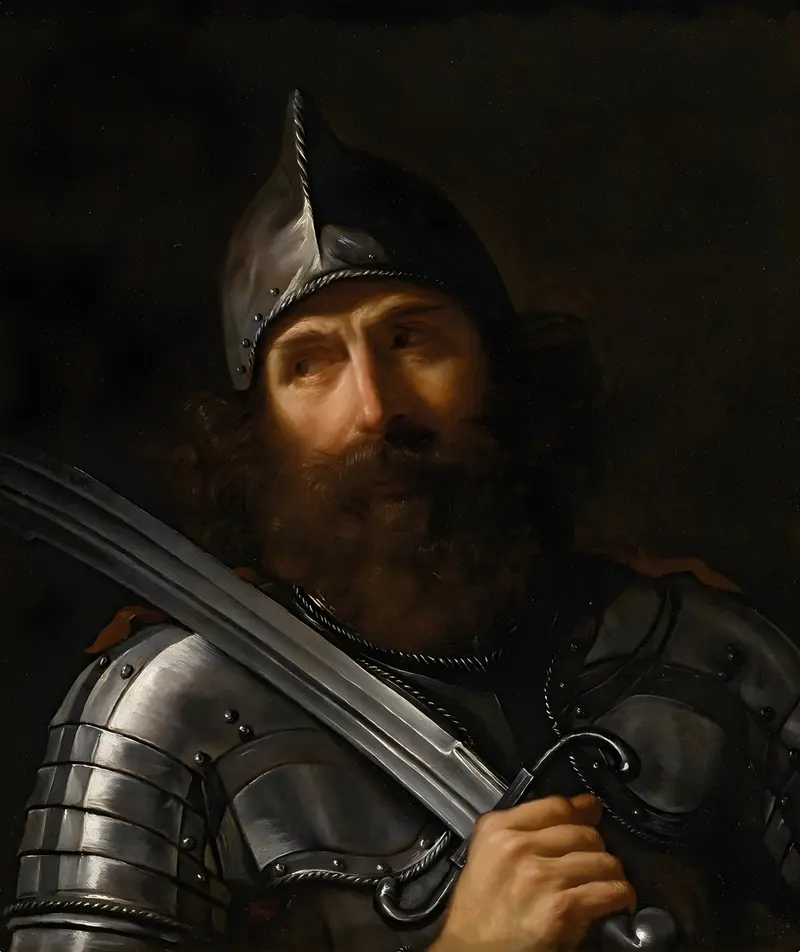
Mars
Guercino
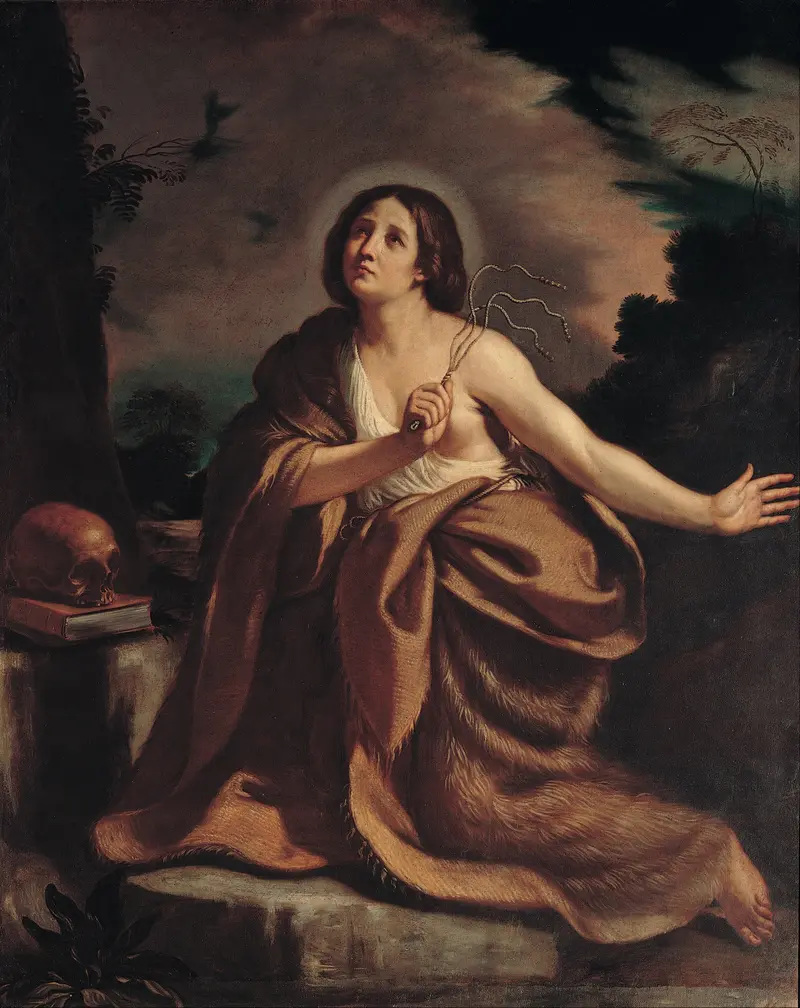
Penitent Magdalene
Guercino
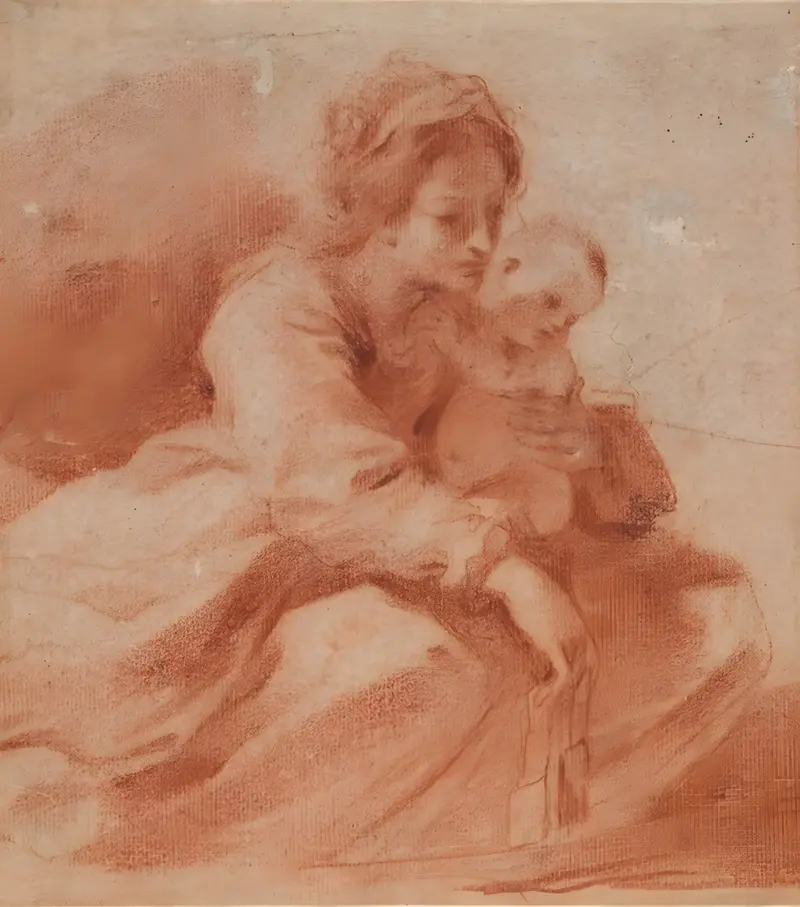
The Virgin and Child (for the Madonna del Carmine Presenting a Scapular to a Carmelite, in Cento’s Pinacoteca Civica, c.1615)
Guercino
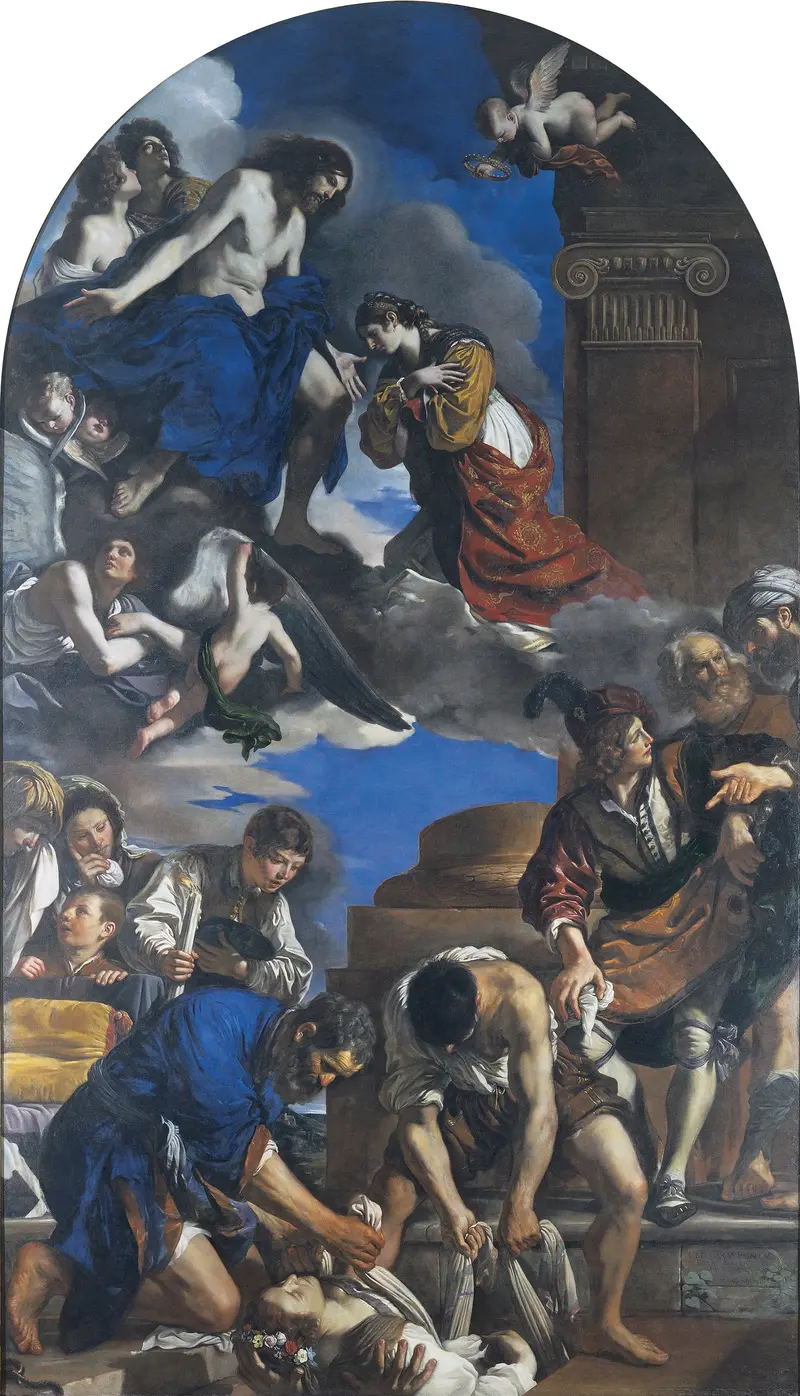
Burial of Saint Petronilla
Guercino
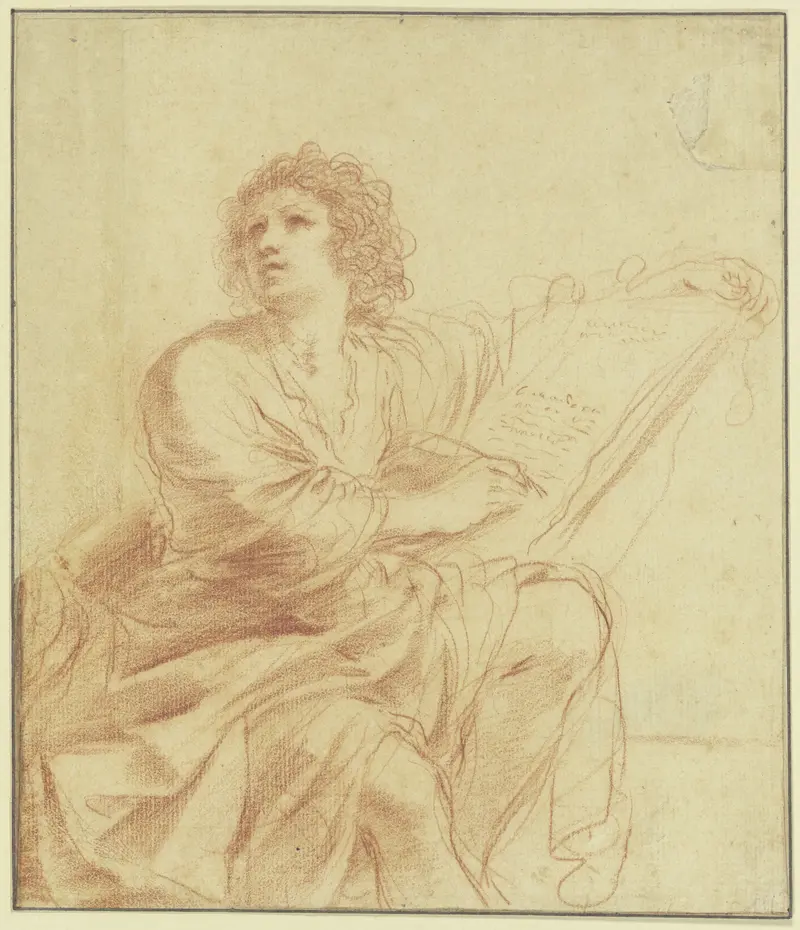
Johannes der Evangelist, sitzend und schreibend
Guercino
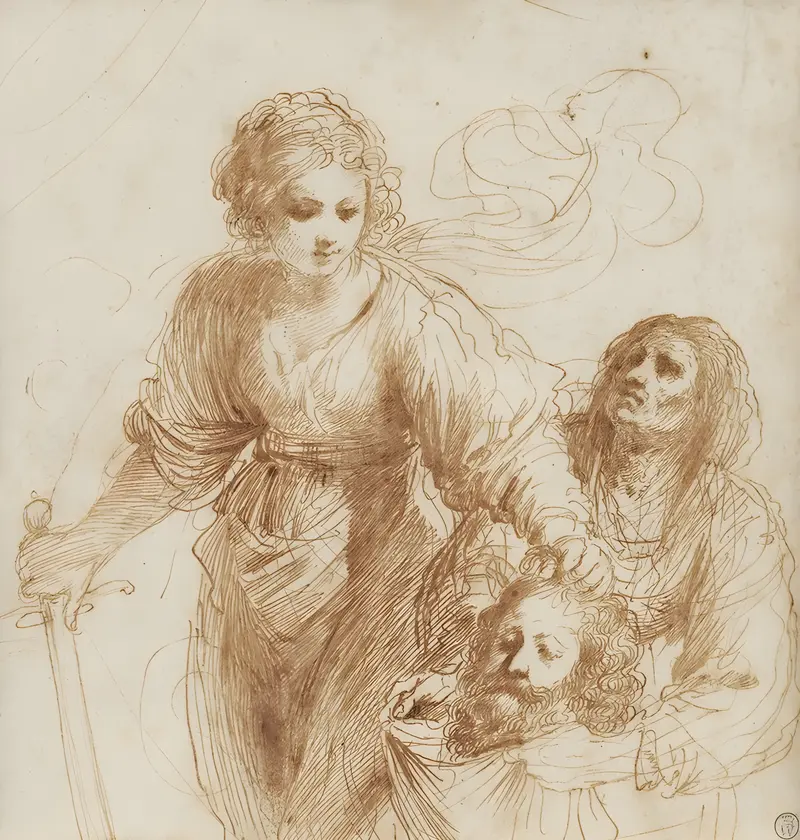
Judith with the Head of Holofernes
Guercino
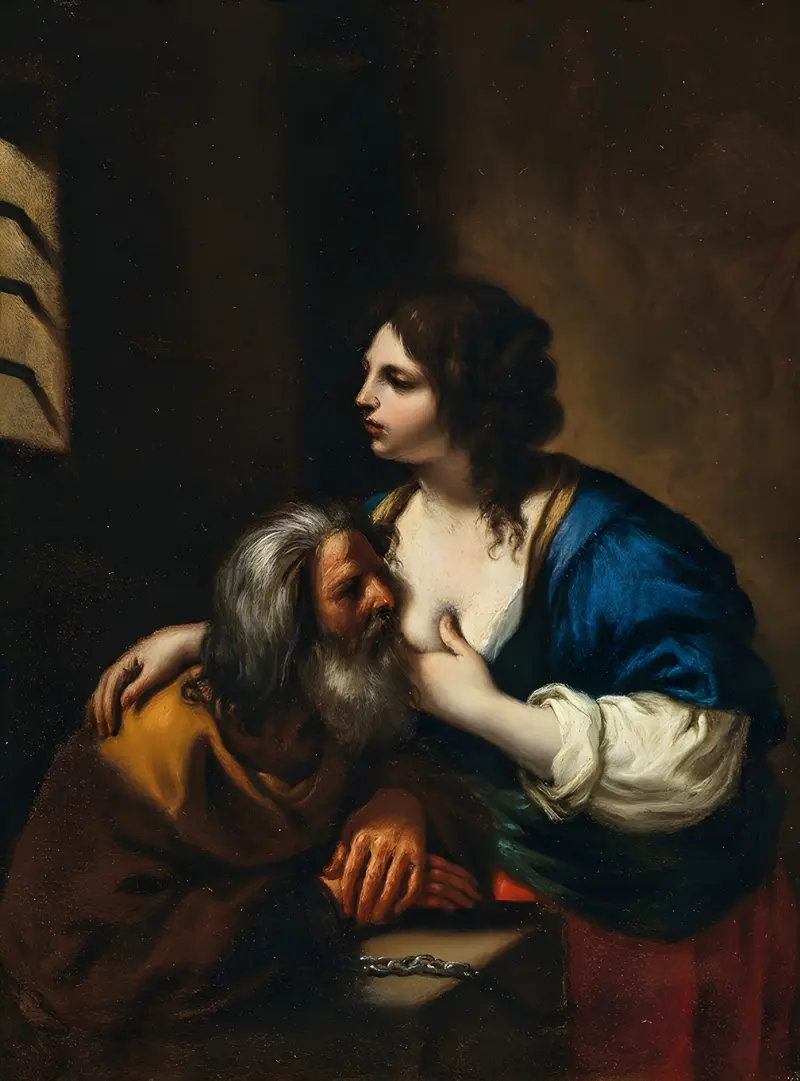
Caritas Romana
Guercino
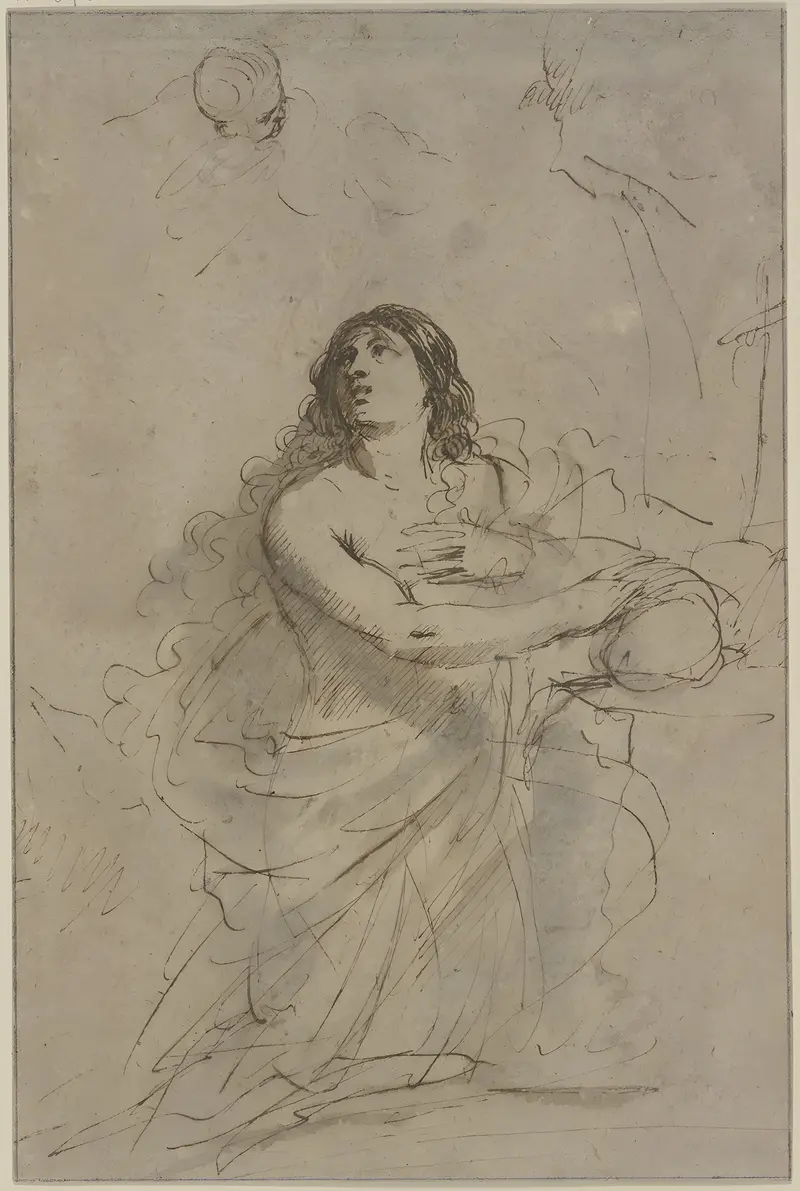
Atoning Magdalene
Guercino
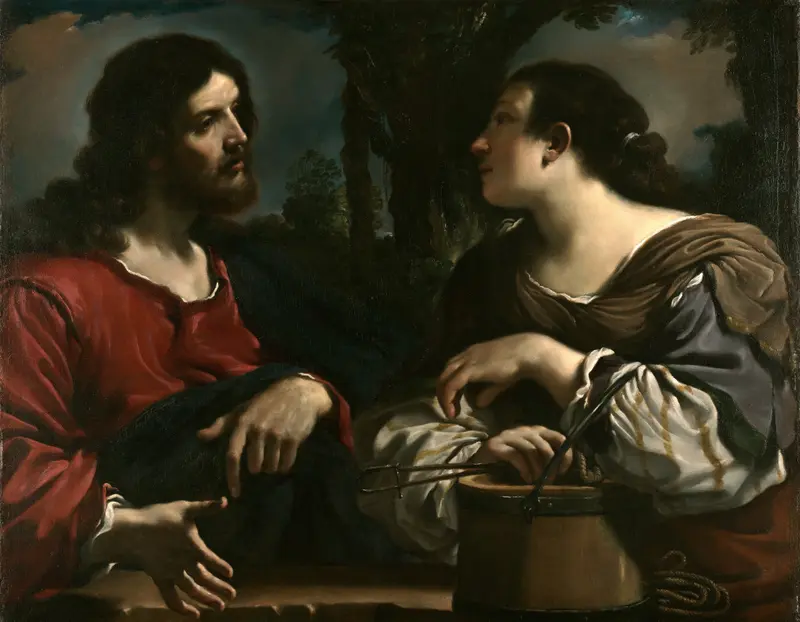
Christ And The Woman Of Samaria
Guercino





