
Virginal — History & Facts
Can beauty exist without sorrow? In Virginal, Jean-François Taelemans suggests that ecstasy is often wrapped in layers of longing, a delicate balance between joy and melancholia. Look closely at the ethereal figure in the center, her serene expression framed by cascading hair that seems to dance with the light. Notice how the soft pastel palette envelops her, creating an atmosphere both inviting and distant. The gentle brushstrokes blend harmoniously, guiding the eye across the canvas, yet the figure’s gaze is a mirror reflecting an ungraspable yearning.
This interplay of color and texture conjures a sense of intimacy, placing the viewer in the liminal space between desire and fulfillment. Consider the symbolism present in her outstretched hand, which hovers above a delicate instrument, tethering her to both music and silence. The contrast between her vibrant presence and the muted background hints at a world that is at once alive and hauntingly absent. It evokes the idea that ecstasy, while exquisite, can simultaneously signify loss or unattainable dreams, amplifying the emotional stakes of the moment captured on canvas. In 1924, Taelemans worked in a post-war Europe grappling with the remnants of conflict and the search for beauty amidst chaos.
The artist, known for his exploration of feminine themes and emotional depth, sought to reflect the complexities of human experience through his work. During this time, the art world was shifting, with movements striving to reconcile traditional forms with modern sensibilities, and Virginal stands as a testament to that transformation.
More Artworks by Jean-François Taelemans
Browse all →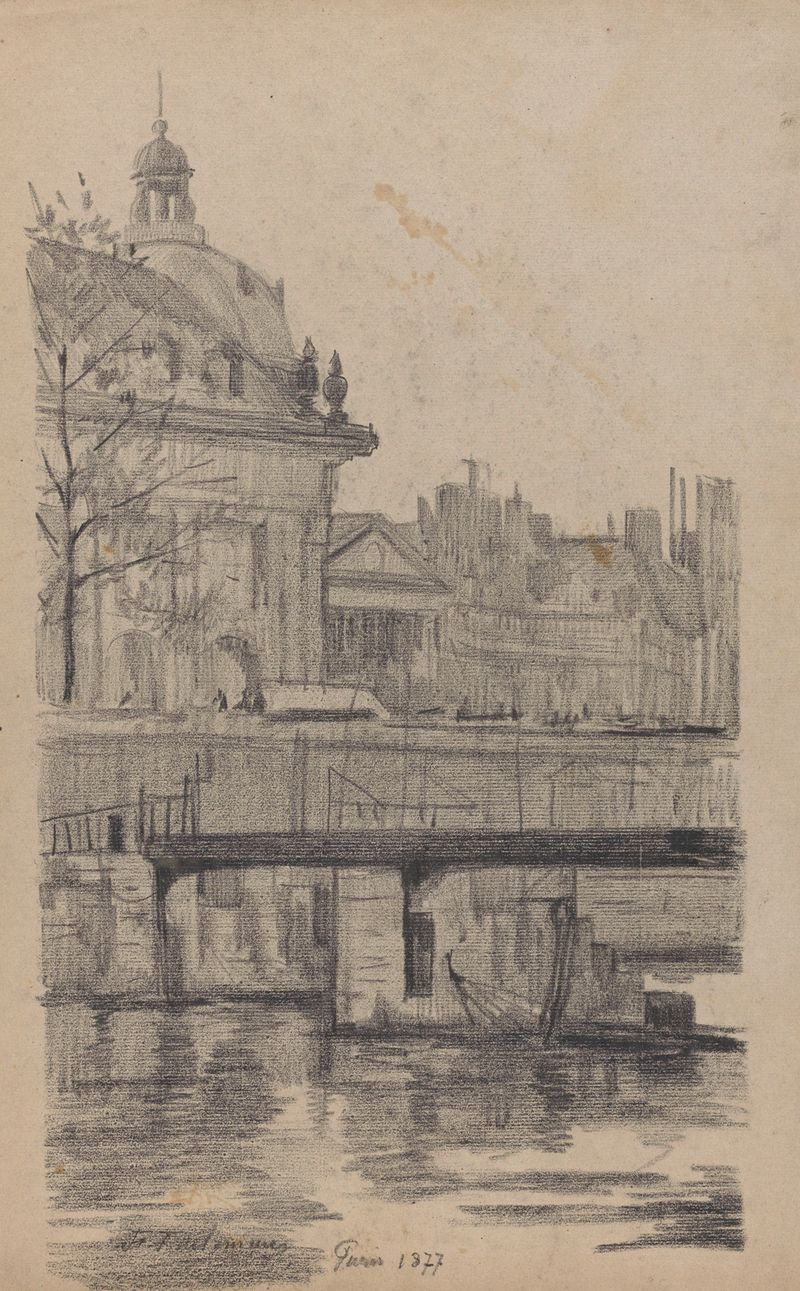
Paris (vue de la Seine et du Collège des Quatre Nations (actuellement siège de l’Institut de France)
Jean-François Taelemans
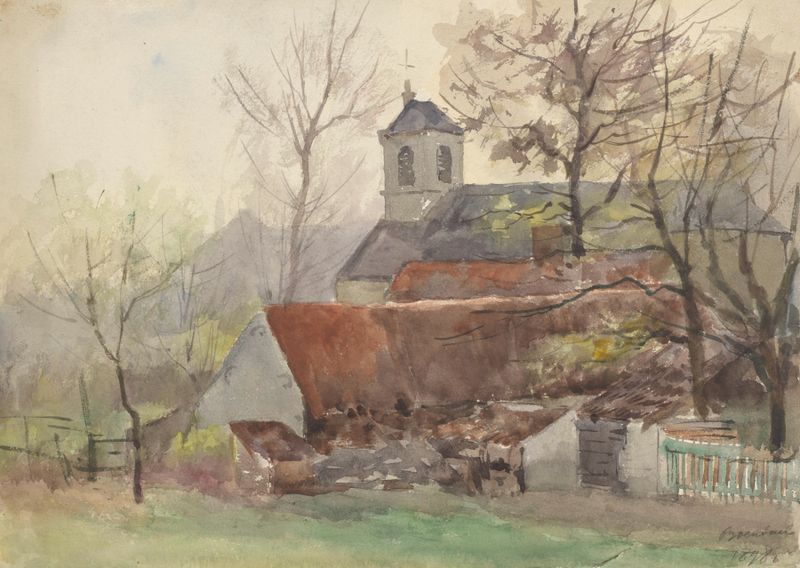
Boendael (église)
Jean-François Taelemans
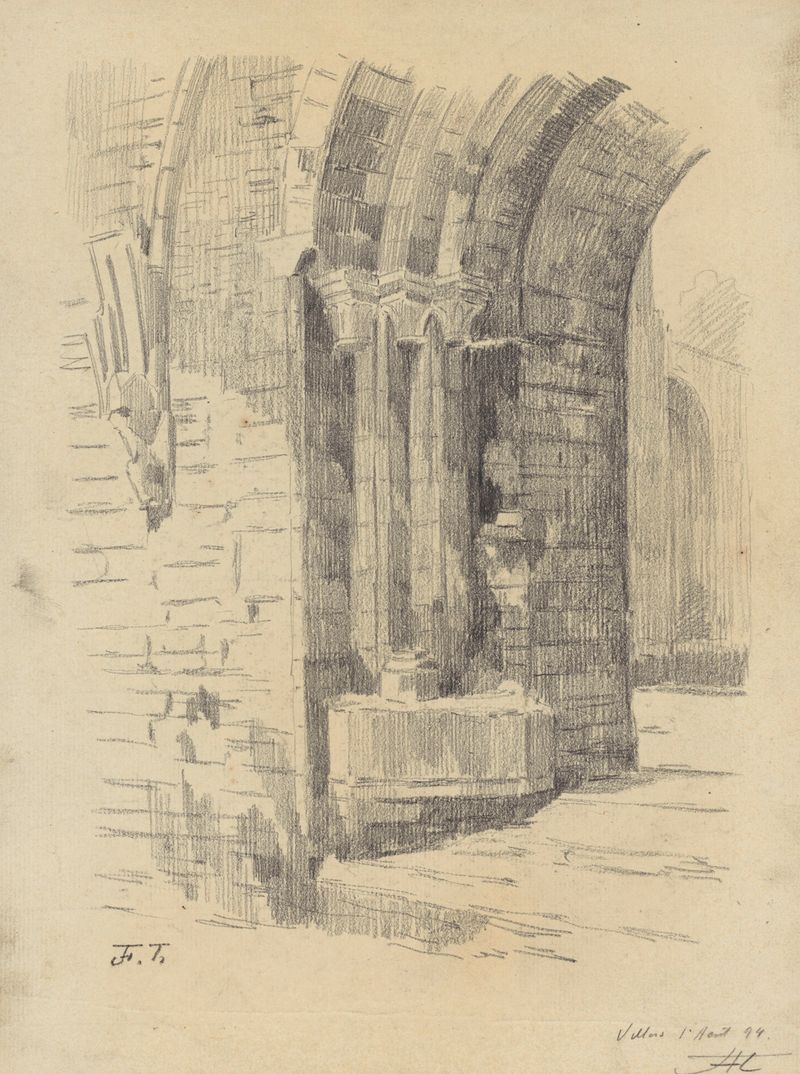
Ruines de l’abbaye de Villers-la-Ville – porche entre le cloître et l’église abbatiale (côté droit)
Jean-François Taelemans
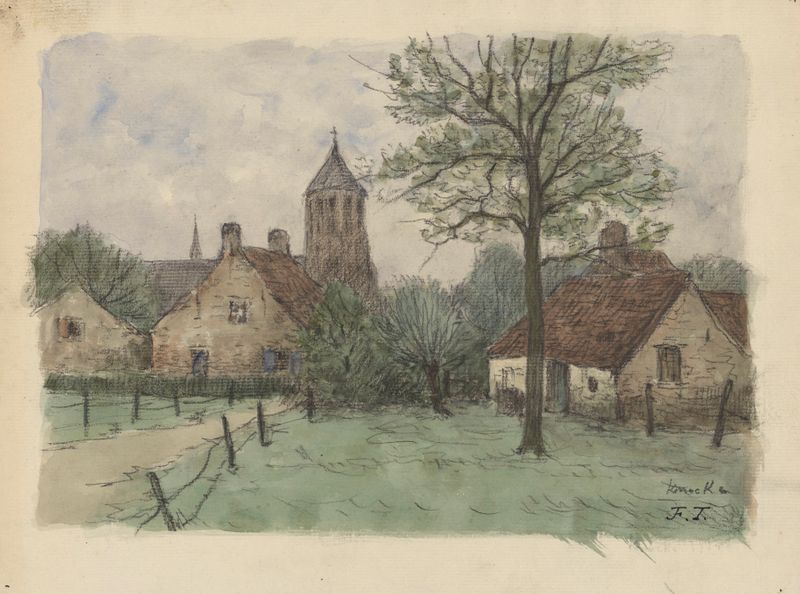
Village et église Sint Margaretha à Knocke
Jean-François Taelemans
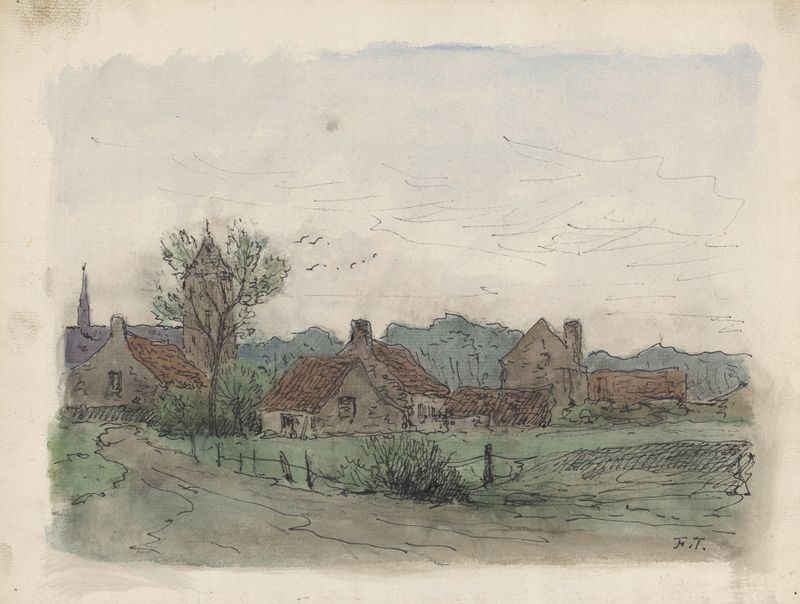
Village
Jean-François Taelemans
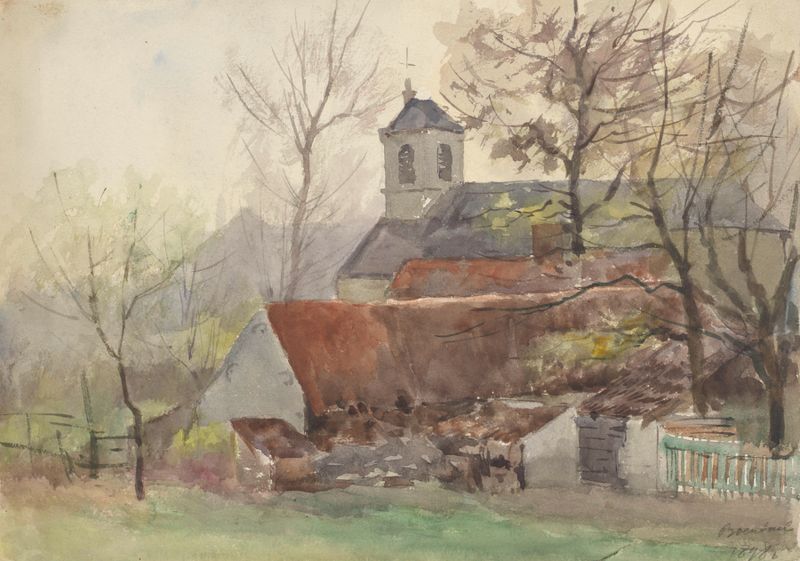
Boendael (église)
Jean-François Taelemans
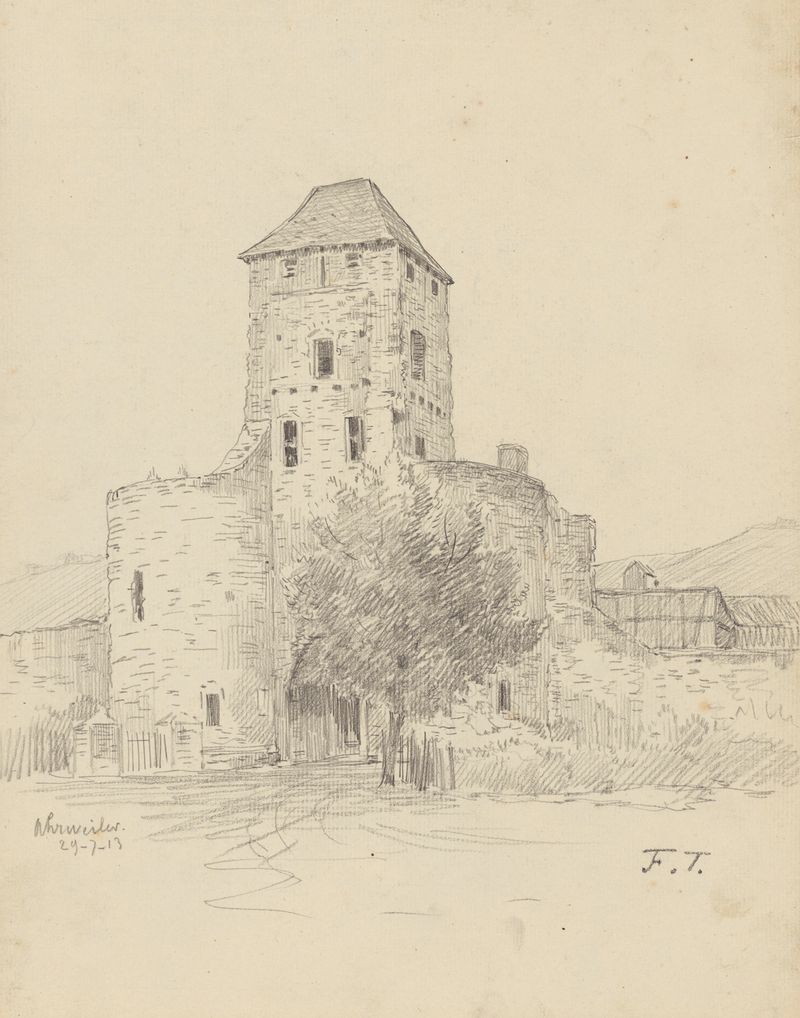
Vieille tour (porte) à Ahrweiler (Allemagne)
Jean-François Taelemans
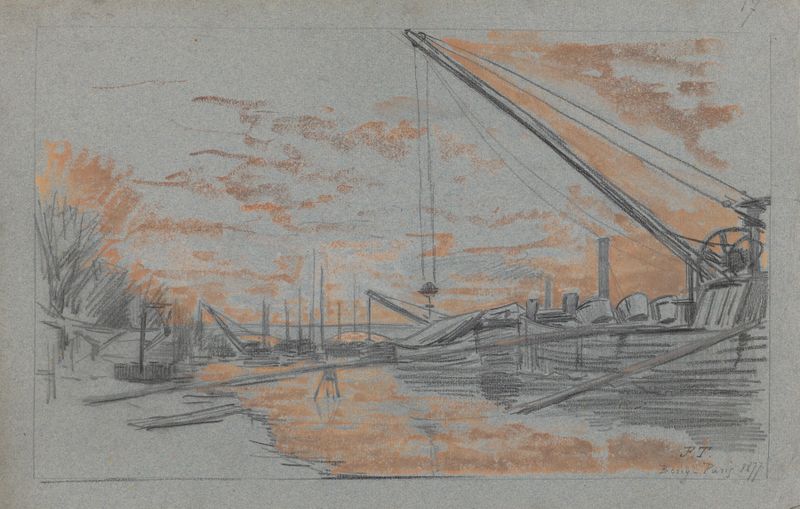
Bercy – Paris (bord de Seine avec chalands à l’ancre en cours de chargement, soleil couchant)
Jean-François Taelemans
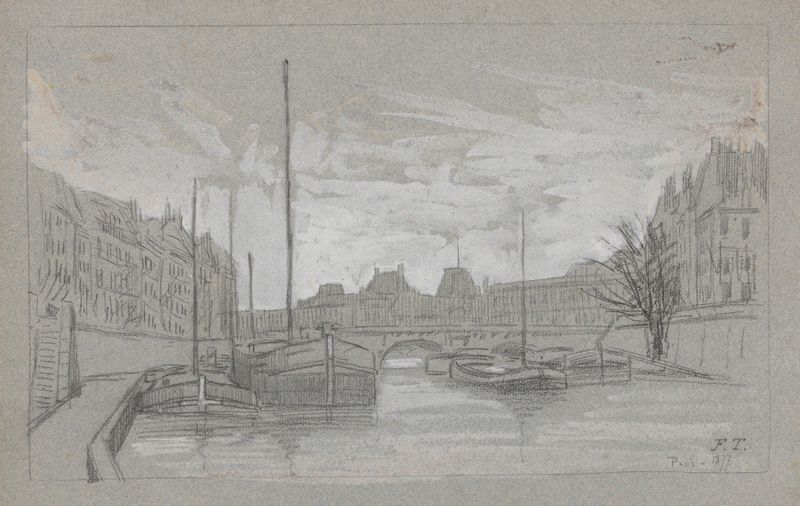
Paris (bateaux sur la Seine près d’un pont)
Jean-François Taelemans
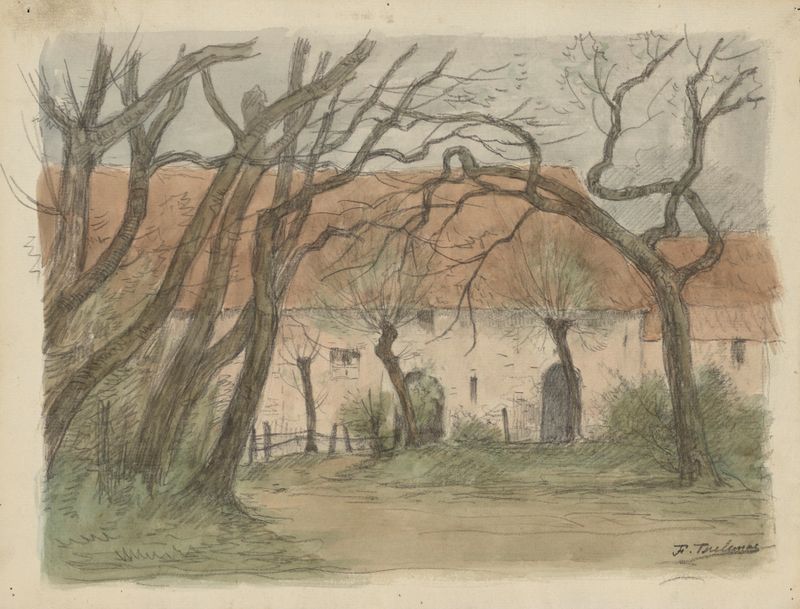
Grande maison campagnarde derrière un bouquet d’arbres
Jean-François Taelemans
More Portrait Art
Browse all →
Las meninas
Diego Velázquez

Self-portrait with a Bandaged Ear and Pipe
Unidentified artist

Girl with a Pearl Earring
Johannes Vermeer

The Sampling Officials of the Amsterdam Drapers’ Guild, Known as ‘The Syndics’
Rembrandt van Rijn

The Hundred Guilder Print: the man seen on the back in the lower left corner
Rembrandt van Rijn

Portrait of Dr Gachet
Vincent van Gogh