
Boendael (église) — History & Facts
Can beauty exist without sorrow? In the quiet stillness of Boendael (église), we find an answer as light dances between shadow and form, revealing the duality of existence. Look first to the intricate details of the church façade, where delicate arches and soaring spires draw the eye upward, inviting contemplation. Notice how the soft glow of sunlight kisses the stone, highlighting the age and wear, while the darker recesses hint at untold stories. The palette is an elegant arrangement of muted earth tones, establishing a tranquil yet somber atmosphere, as if the church itself holds its breath in reverence of the past. Hidden within this serene exterior is the interplay of light and dark, reflecting the tension between faith and doubt.
The shadows linger like whispers of sorrow, suggesting a deeper narrative beneath the surface beauty. Each architectural element contributes to a sense of history and longing, urging the viewer to consider not just the church's magnificence but also the weight of time that bears down on both the structure and the human experience it serves. In 1898, when Taelemans painted this work in Belgium, he was deeply influenced by the emerging trends of Realism and Impressionism that sought to capture both the beauty and the grit of everyday life. The world was in a state of flux, with rapid industrialization at odds with traditional values.
This painting stands as a poignant reminder of the tensions between progress and history, reflecting Taelemans' quest for truth amid a changing artistic landscape.
More Artworks by Jean-François Taelemans
Browse all →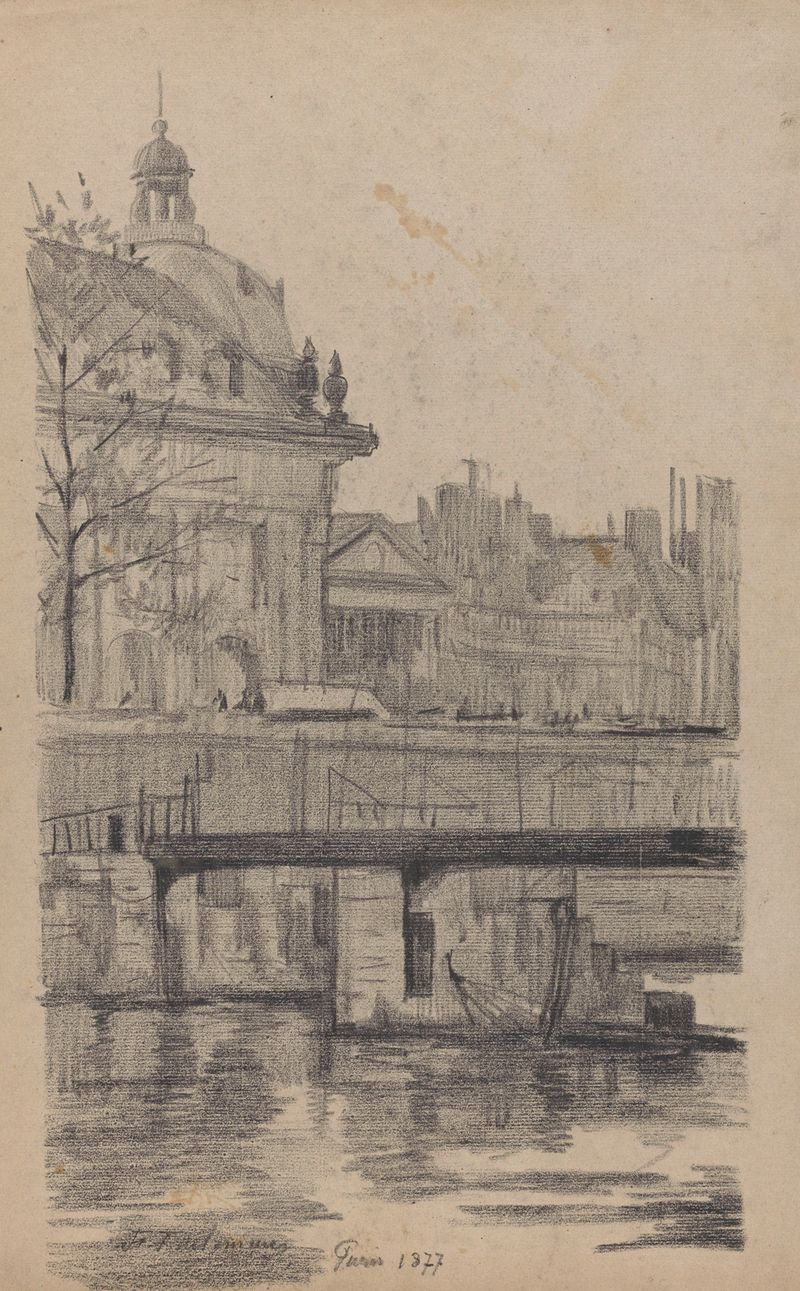
Paris (vue de la Seine et du Collège des Quatre Nations (actuellement siège de l’Institut de France)
Jean-François Taelemans
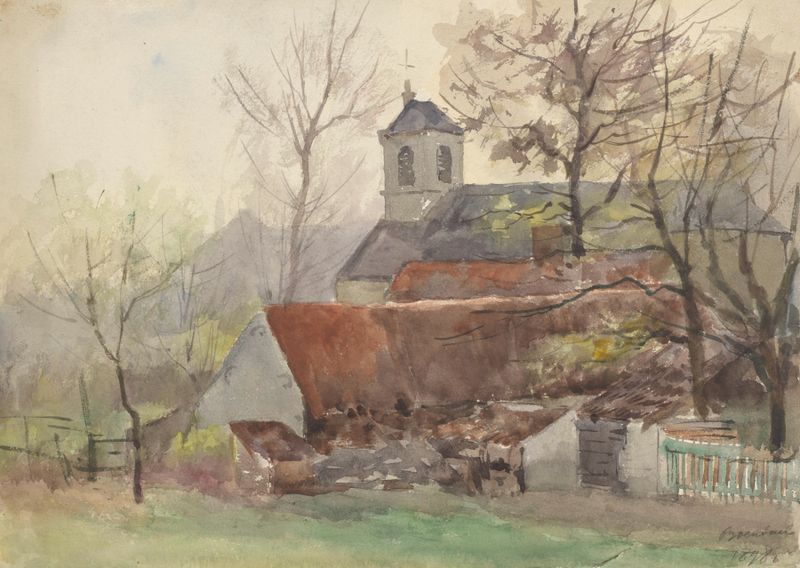
Boendael (église)
Jean-François Taelemans
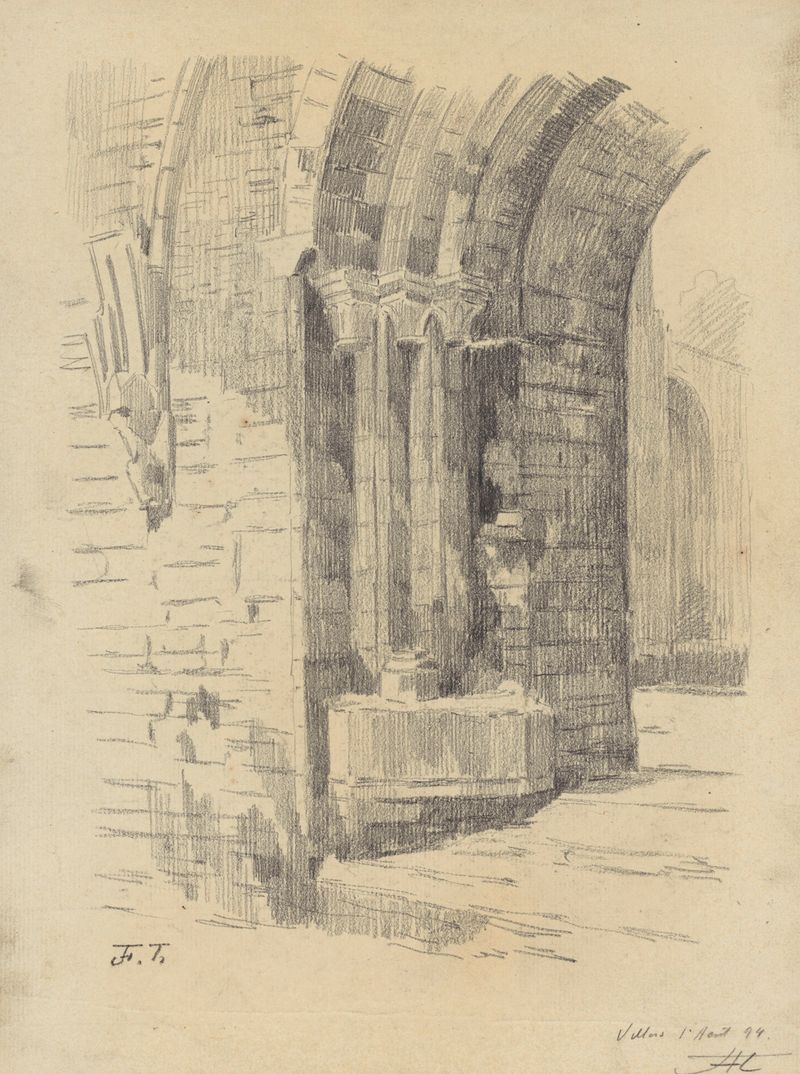
Ruines de l’abbaye de Villers-la-Ville – porche entre le cloître et l’église abbatiale (côté droit)
Jean-François Taelemans
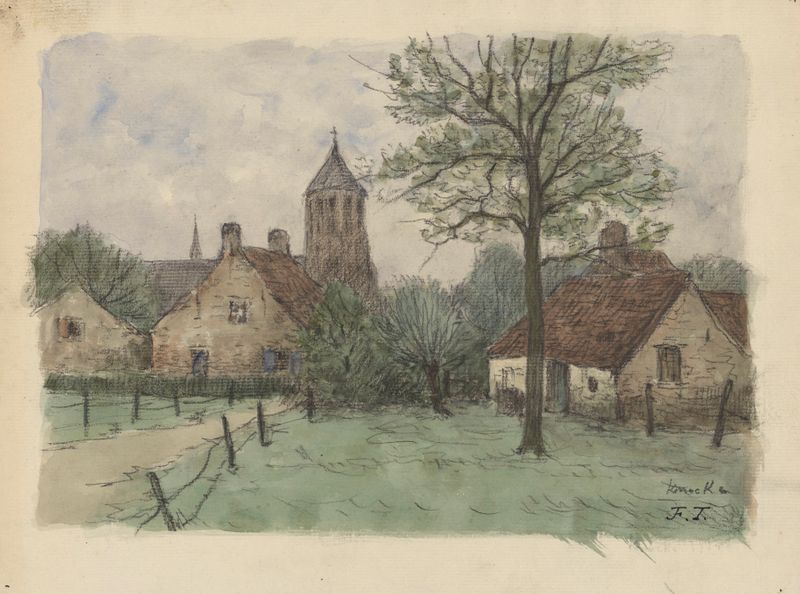
Village et église Sint Margaretha à Knocke
Jean-François Taelemans
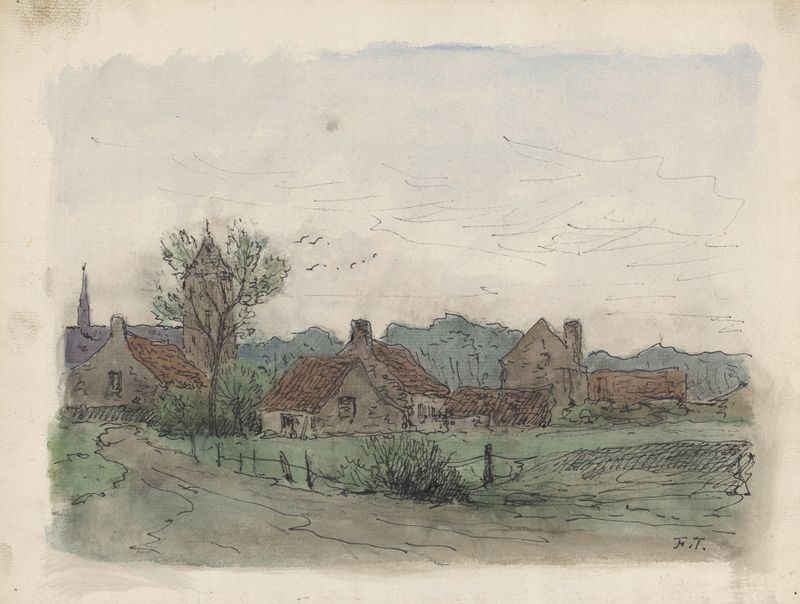
Village
Jean-François Taelemans
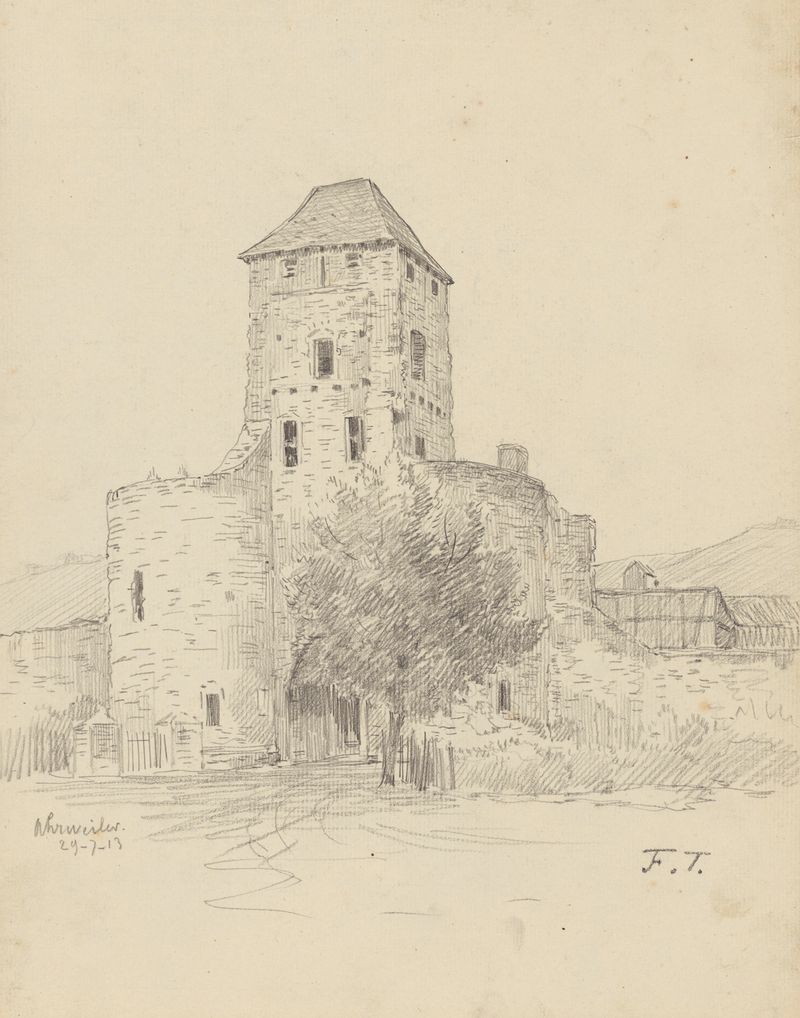
Vieille tour (porte) à Ahrweiler (Allemagne)
Jean-François Taelemans
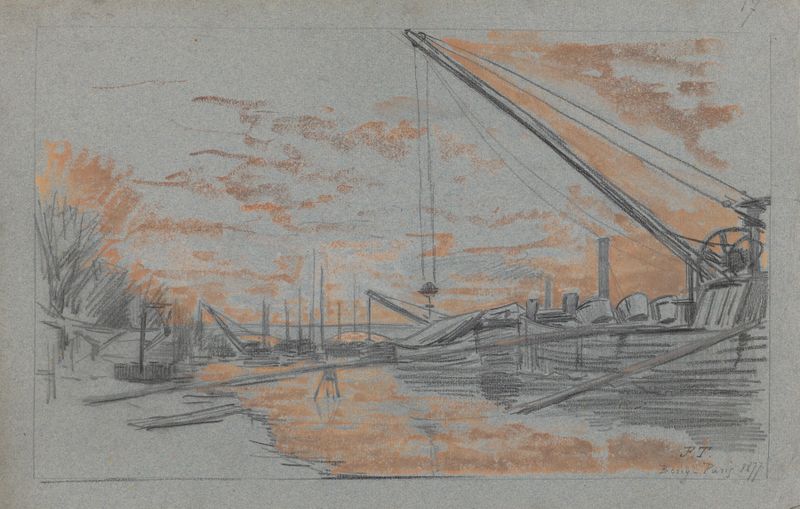
Bercy – Paris (bord de Seine avec chalands à l’ancre en cours de chargement, soleil couchant)
Jean-François Taelemans
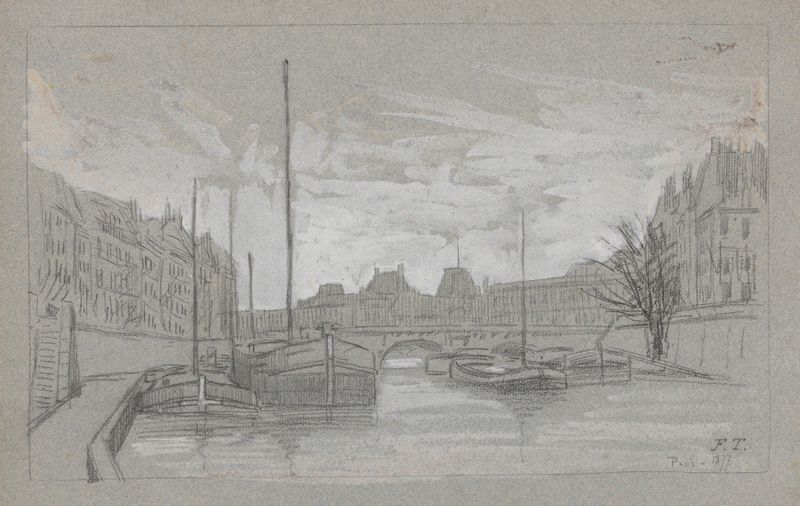
Paris (bateaux sur la Seine près d’un pont)
Jean-François Taelemans
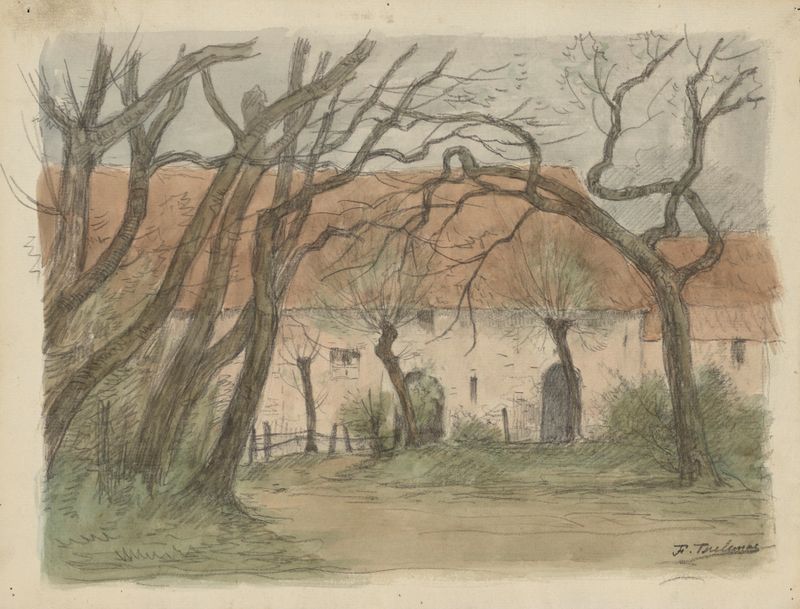
Grande maison campagnarde derrière un bouquet d’arbres
Jean-François Taelemans
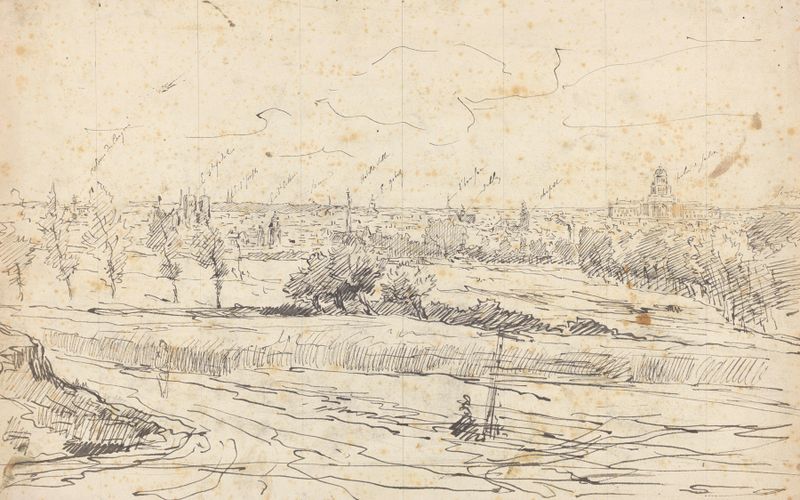
Panorama de Bruxelles
Jean-François Taelemans
More Architecture Art
Browse all →
The statue of Liberty
Frédéric Auguste Bartholdi

View of Houses in Delft, Known as ‘The Little Street’
Johannes Vermeer

View of Houses in Delft, Known as ‘The Little Street’
Johannes Vermeer

The Cathedral in Rouen. The portal, Grey Weather
Claude Monet

The yellow house
Vincent van Gogh

The Church in Auvers-sur-Oise, View from the Chevet
Vincent van Gogh