
Visitatie — History & Facts
In a moment suspended in time, two women stand in quiet communion, their expressions a delicate balance of joy and reverence. The air is thick with anticipation, as if the very world around them holds its breath. Sunlight filters through an unseen window, casting soft rays that draw attention to their gentle gestures and intertwined destinies. Look to the left at the radiant figure clad in a flowing blue robe, her hand poised to greet the other with a tender embrace.
Notice how the light caresses her features, illuminating the serenity in her eyes. The muted earth tones of the background enhance the emotional warmth between the two figures, while the ornate details of their garments reflect a meticulous craftsmanship that draws you in closer, inviting you to witness their moment of connection. Yet within this serene interaction lies an undercurrent of existential emptiness. The backgrounds, though richly textured, remain intentionally vague, creating a sense of isolation despite the apparent joy.
The juxtaposition of their expressions—one radiating affection, the other a quiet contemplation—hints at the duality of human experience. It invites the viewer to ponder the dual nature of presence and absence, highlighting the tension between what is felt and what remains unspoken. Created between 1503 and 1504, this work emerged during a transformative period for its creator, who was deeply immersed in exploring both religious themes and the human condition. Dürer was establishing himself as a leading figure in the Northern Renaissance, blending intricate detail with profound psychological insight.
This painting reflects not only his technical mastery but also his growing fascination with the layered complexities of emotion, a theme that resonated strongly in the art world of his time.
More Artworks by Albrecht Dürer
Browse all →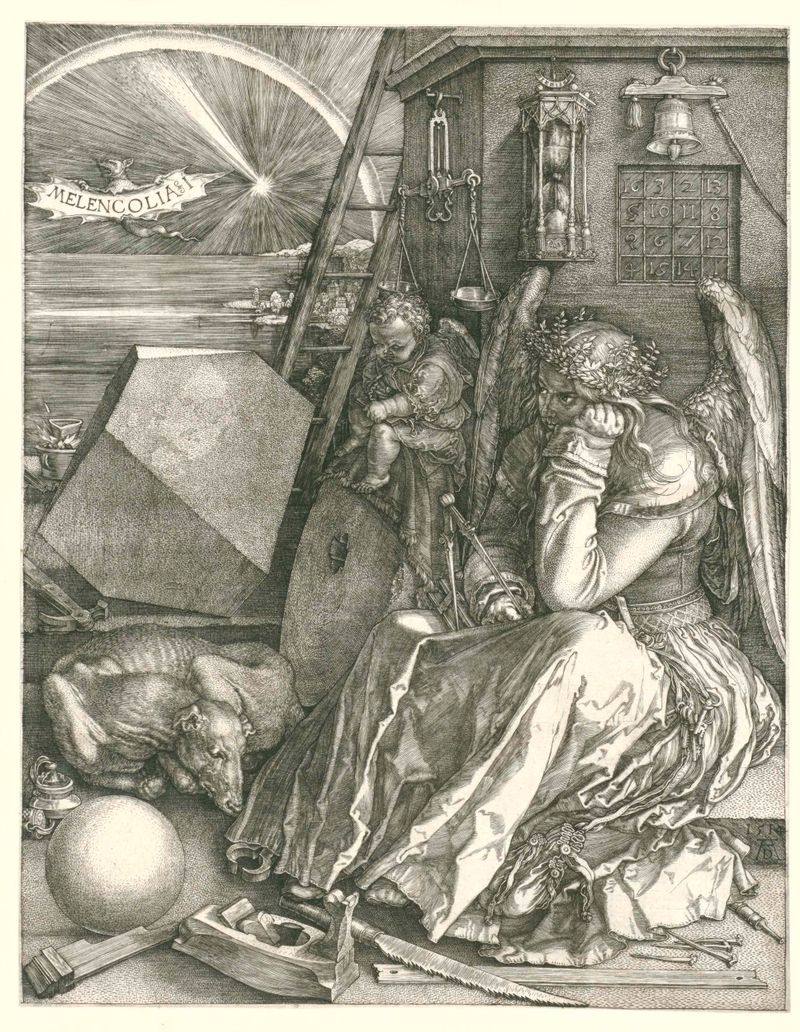
Melancholia
Albrecht Dürer
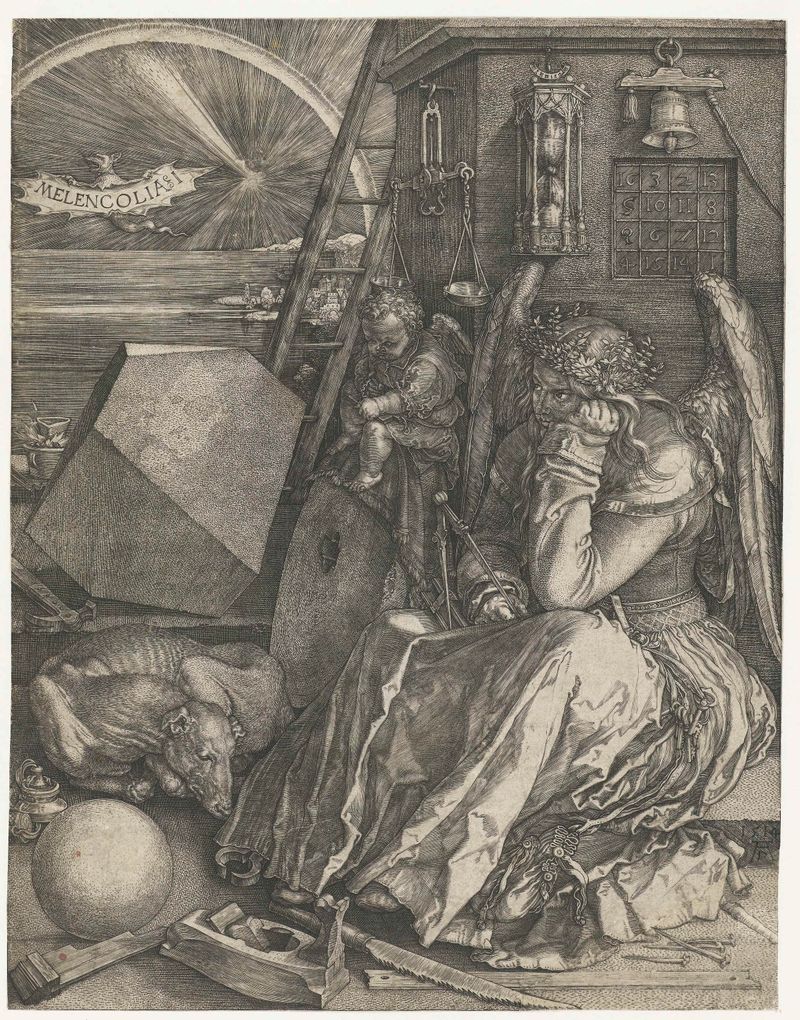
Melancholie
Albrecht Dürer
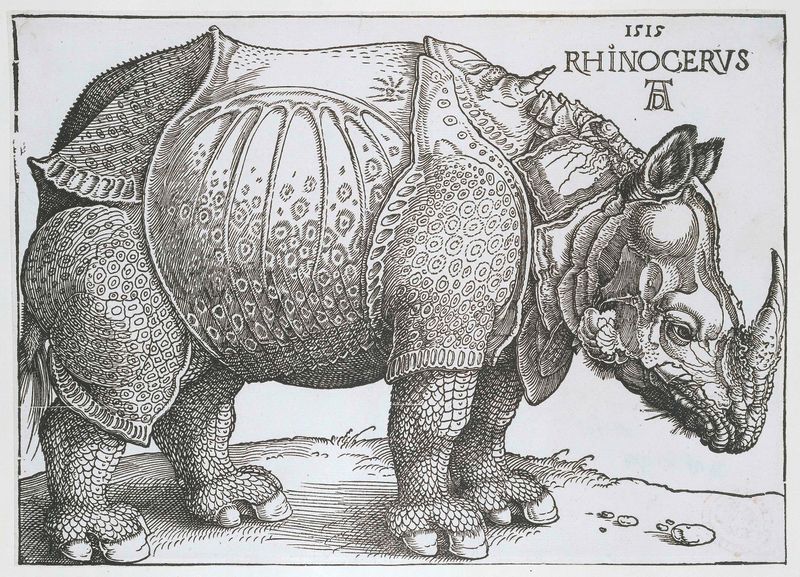
Neushoorn
Albrecht Dürer
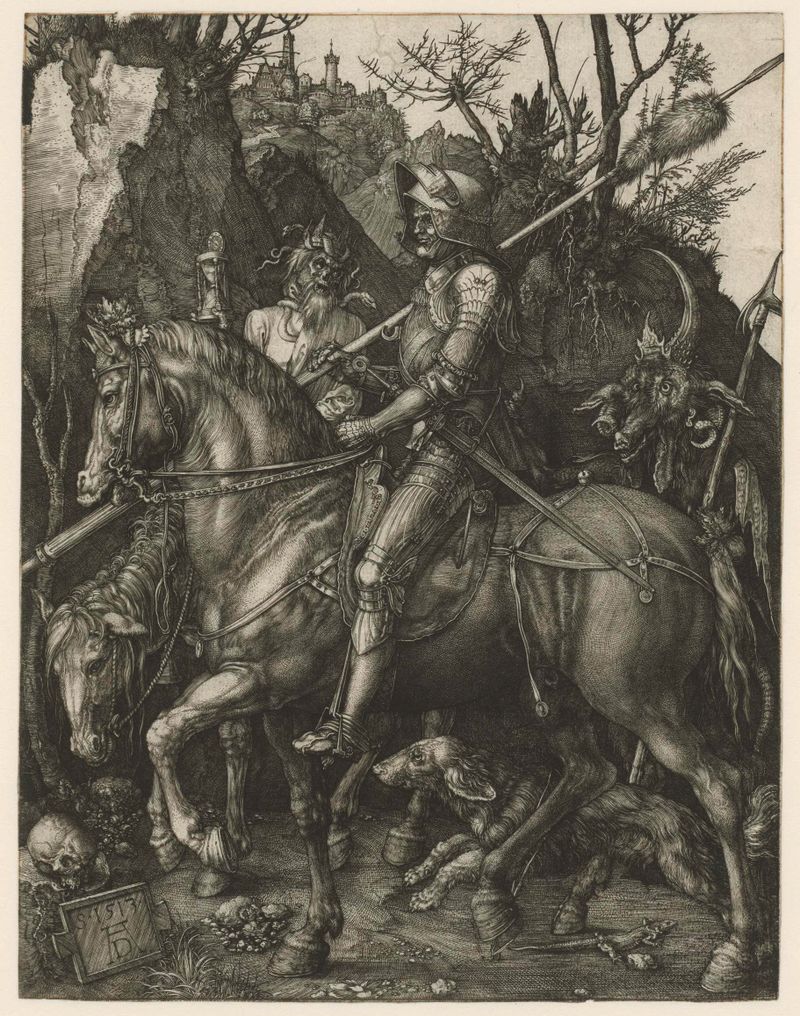
Knight, Death, and the Devil
Albrecht Dürer

De vier ruiters van de apocalyps
Albrecht Dürer

De vier ruiters van de apocalyps
Albrecht Dürer
De Heilige Hiëronymus in zijn studeervertrek
Albrecht Dürer
De Heilige Hiëronymus in zijn studeervertrek
Albrecht Dürer
De apocalyptische vrouw en de zevenkoppige draak
Albrecht Dürer
Adam en Eva
Albrecht Dürer
More Religious Art
Browse all →
The Return of the Prodigal Son
Rembrandt van Rijn

The Garden of Earthly Delights
El Bosco

Count Orgaz’ funeral
El Greco

The Hundred Guilder Print: the central piece with Christ preaching, the plate arched
Rembrandt van Rijn

The Descent from the Cross
Rogier van der Weyden

The return of the prodigal son
Rembrandt van Rijn