
Discover insights about this artwork
Vita — History & Facts
In Vita, Jan Ciągliński presents a vibrant scene filled with rich colors. The painting features a central figure surrounded by symbolic elements that suggest themes of life and nature. The use of greens, blues, and warm earth tones creates a harmonious atmosphere.
The figures are stylized, contributing to the allegorical nature of the work. The painting is executed in oil on canvas, showcasing Ciągliński's skill in blending colors and textures. The brushwork is detailed, allowing for a depth that draws the viewer into the scene. The composition is balanced, with the central figure commanding attention while the surrounding elements support the narrative.
This technique is typical of the Symbolism movement, which often emphasizes emotional depth. Jan Ciągliński was a Polish artist known for his Symbolist works that often explore themes of life and death. Vita is an interesting example of his ability to convey complex ideas through allegory. The painting reflects the influence of the late 19th-century Symbolist movement, which sought to express the intangible aspects of human experience.
An interesting fact about this work is its exploration of the duality of existence, represented through the contrasting elements within the composition.
More Artworks by Jan Ciągliński
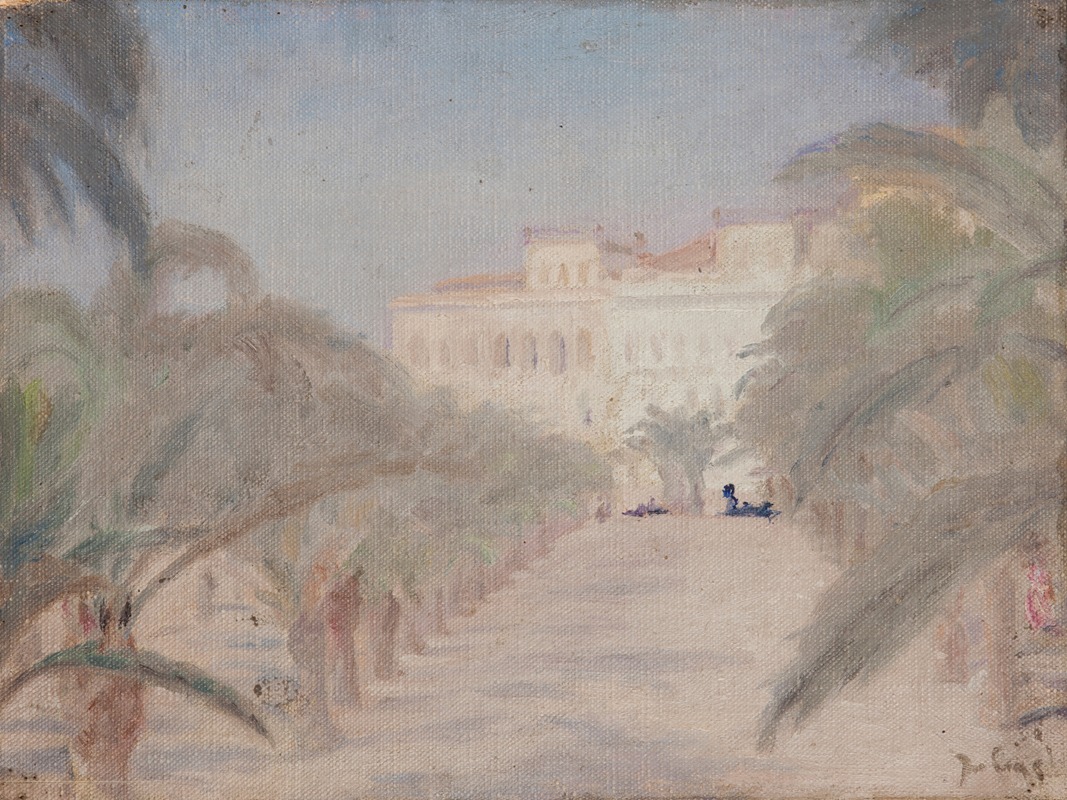
Spain (Alicante)
Jan Ciągliński
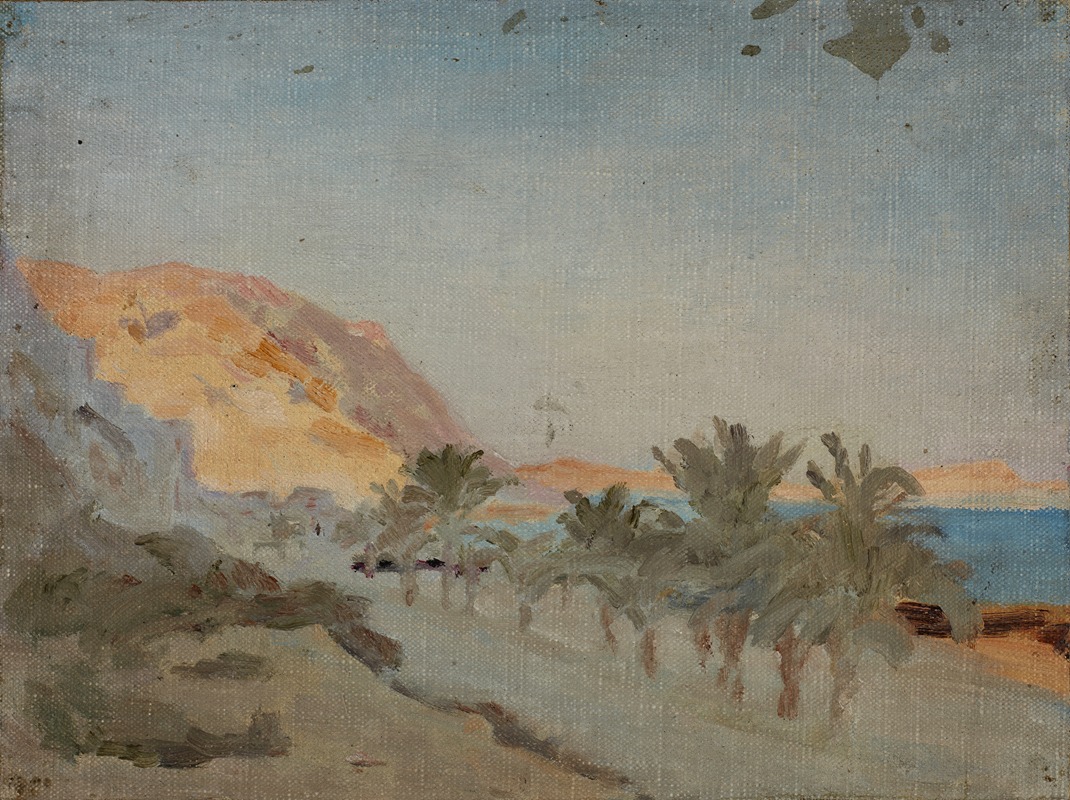
Spain (Alicante)
Jan Ciągliński
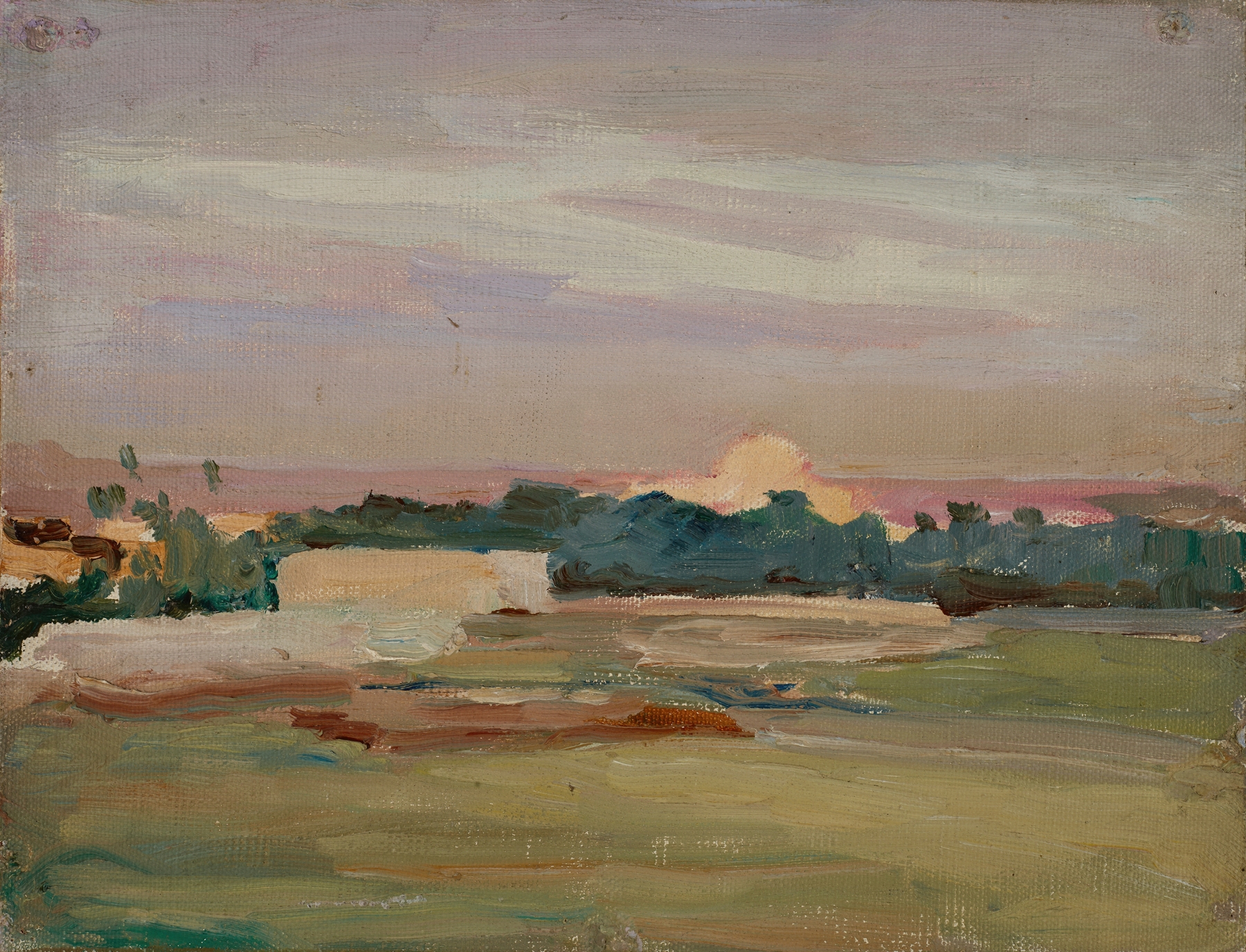
The Sirocco
Jan Ciągliński
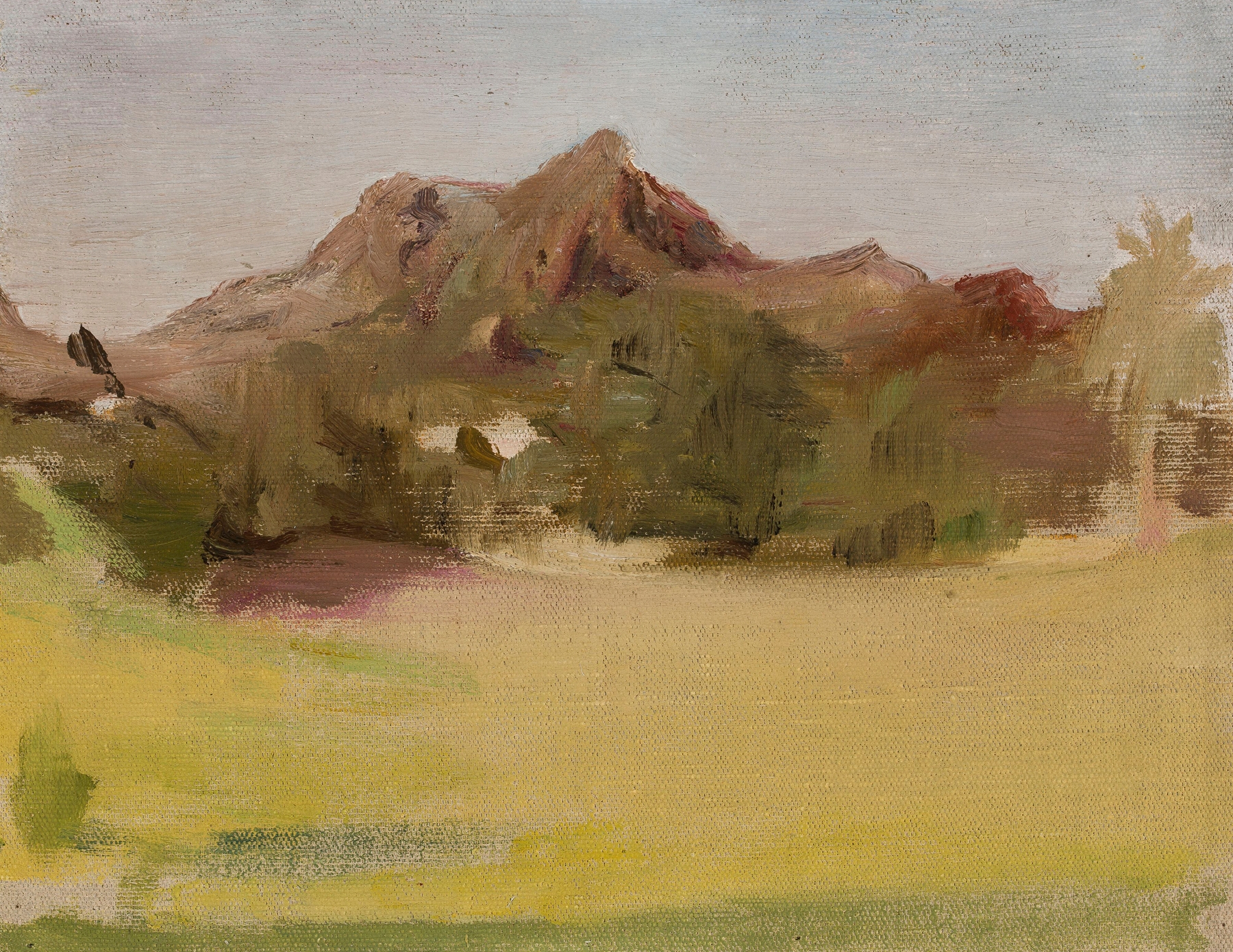
Mountain landscape. From the journey to India
Jan Ciągliński
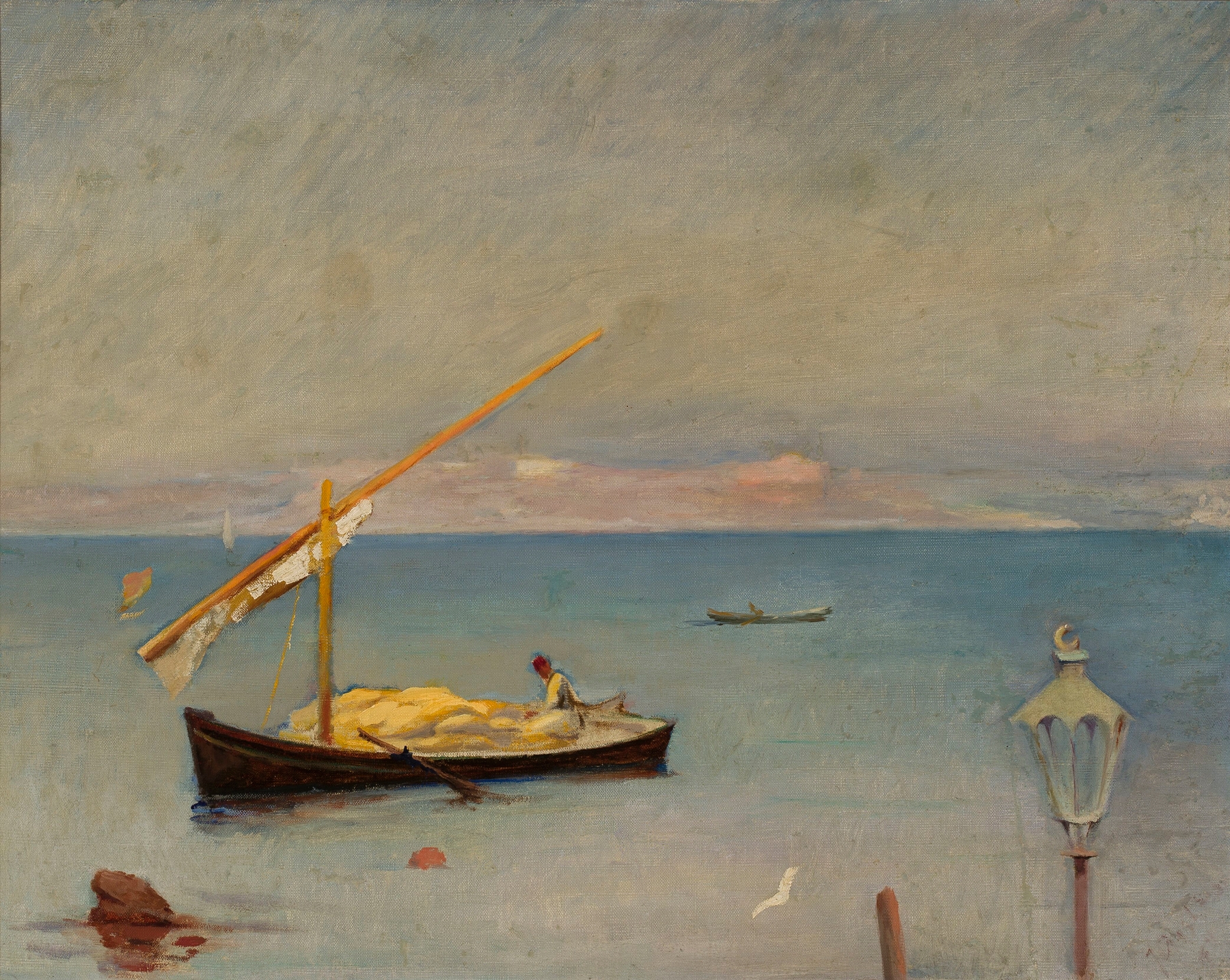
At Bosporus
Jan Ciągliński
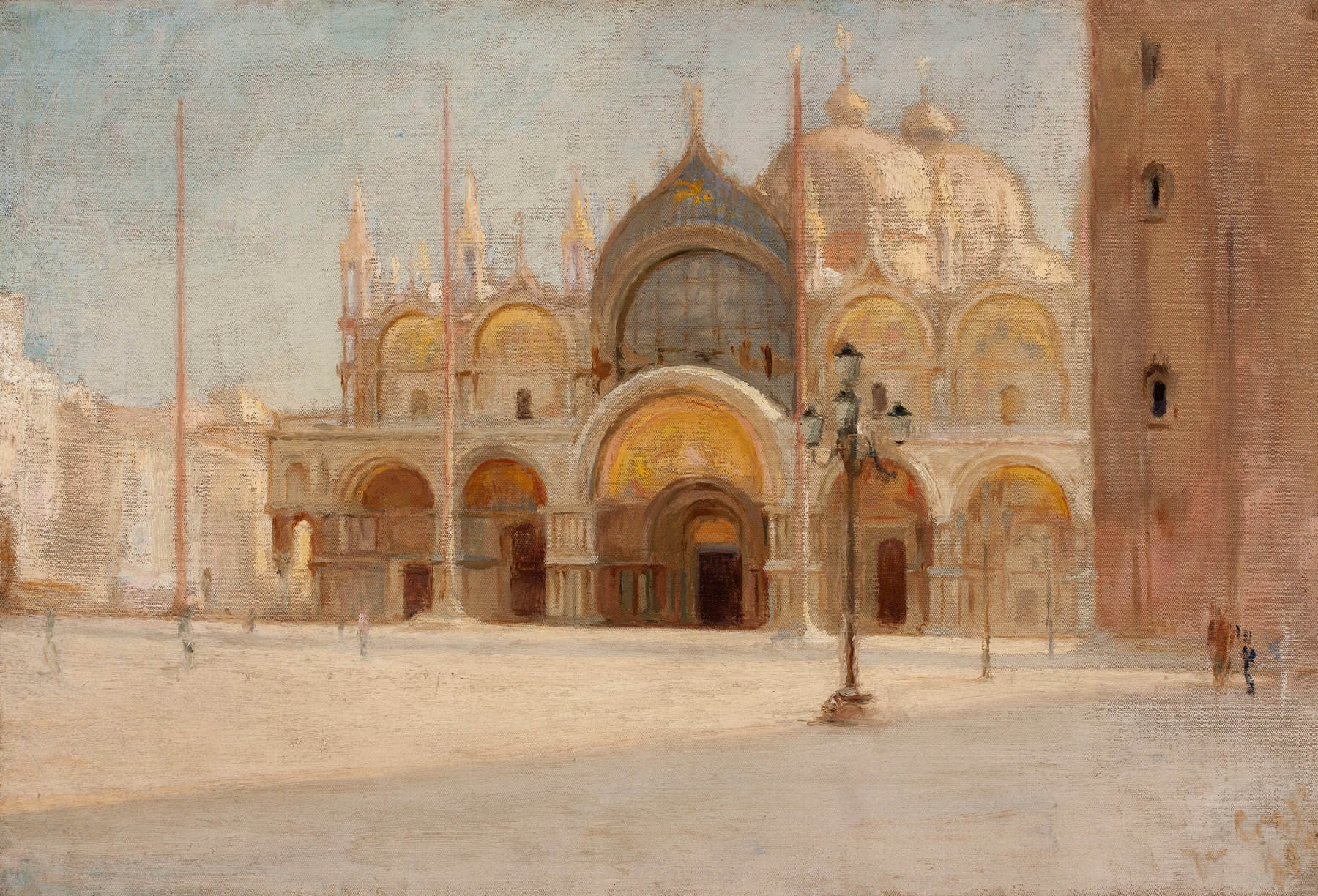
St Mark’s Square in Venice
Jan Ciągliński
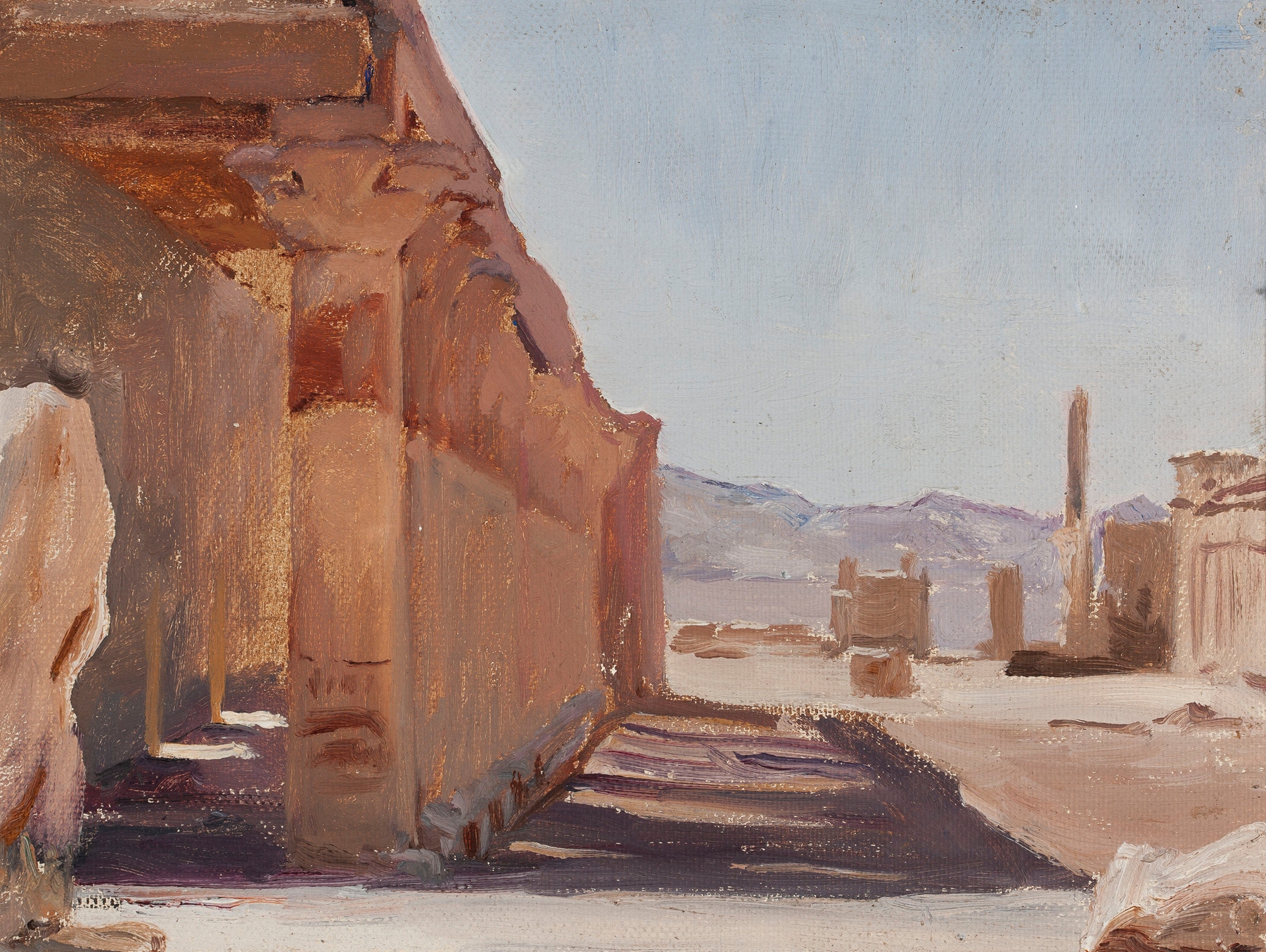
Temple. From the journey to Egypt
Jan Ciągliński
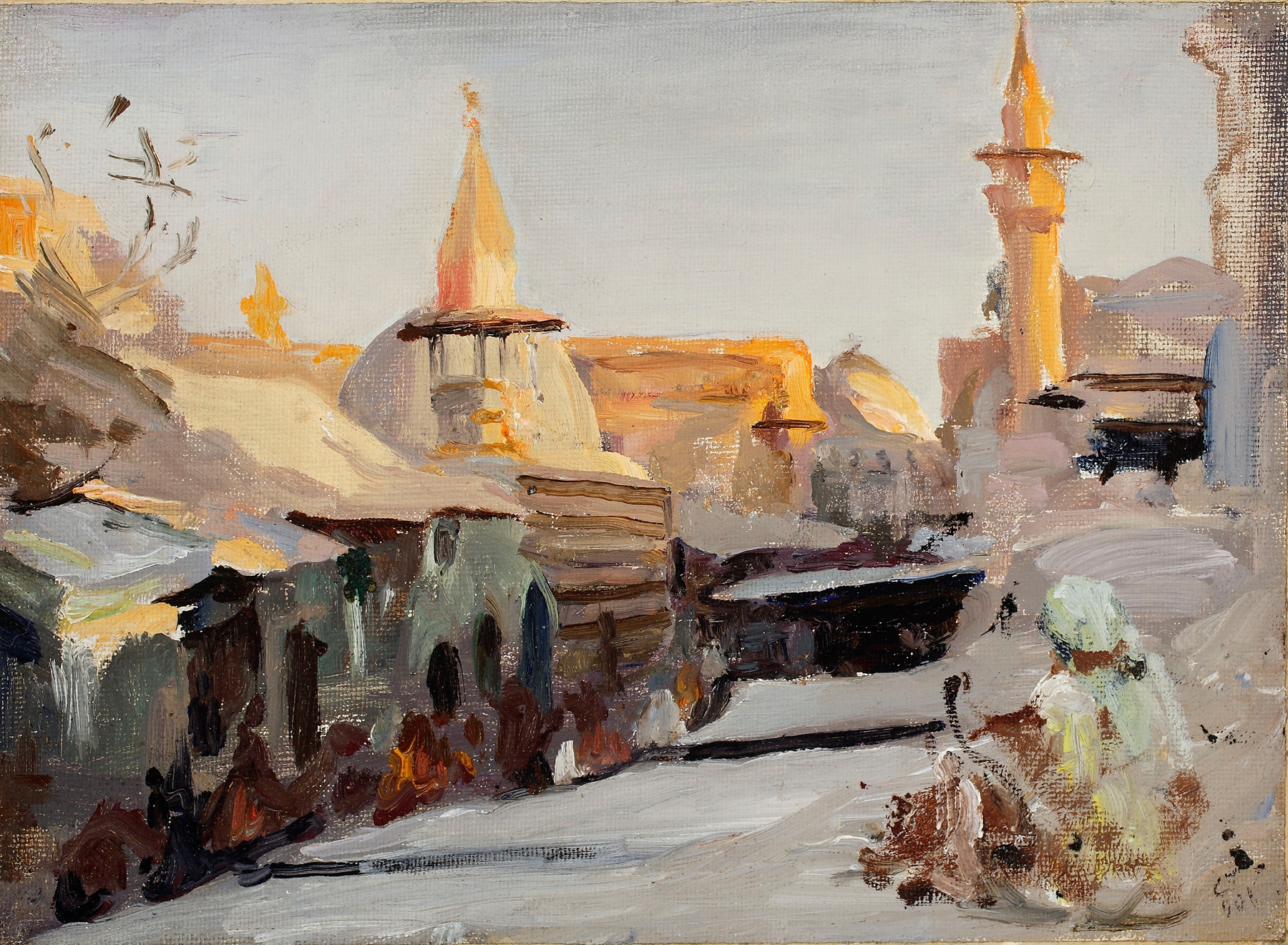
Street in Damascus. From the journey to Palestine
Jan Ciągliński
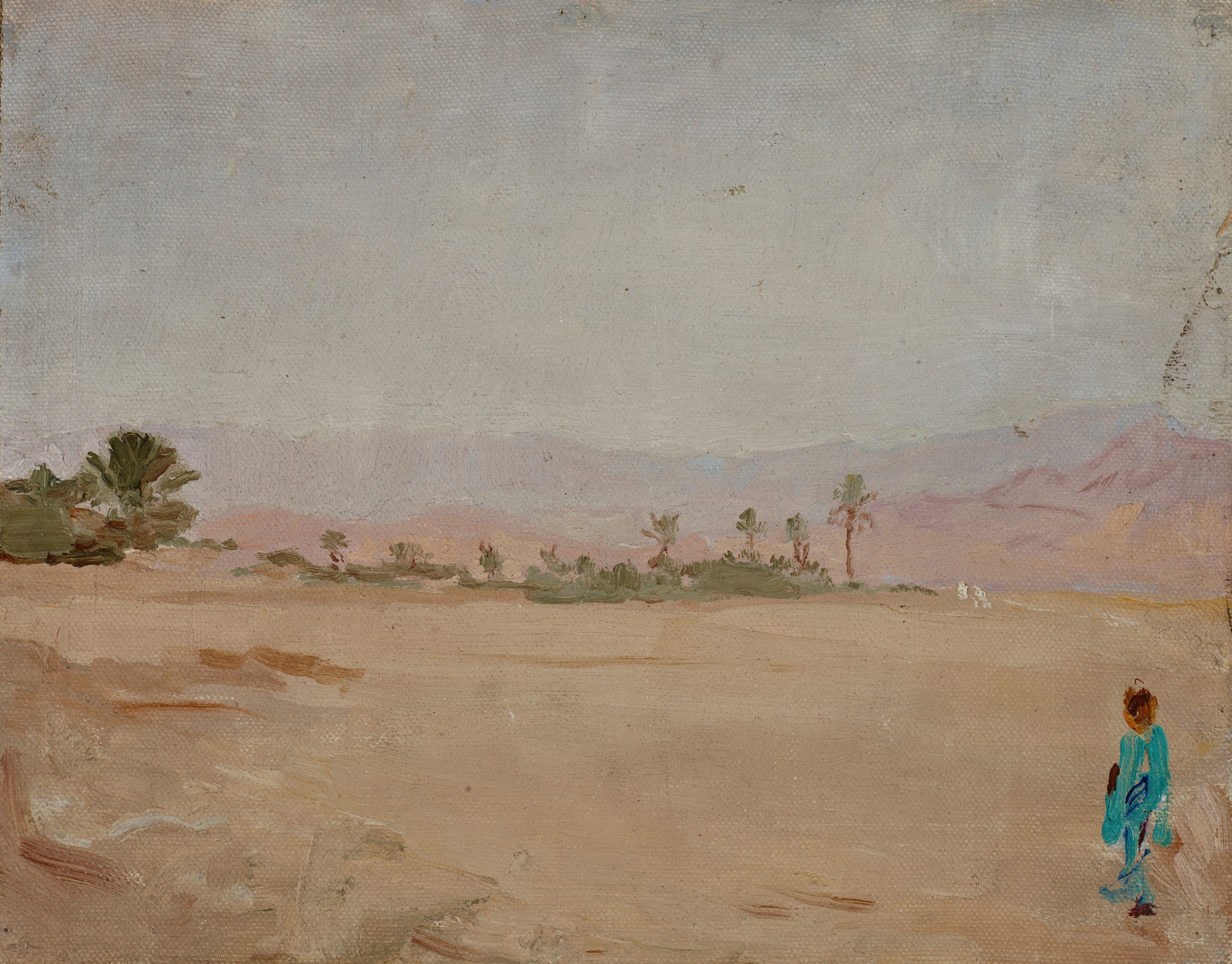
Sahara (Desert)
Jan Ciągliński
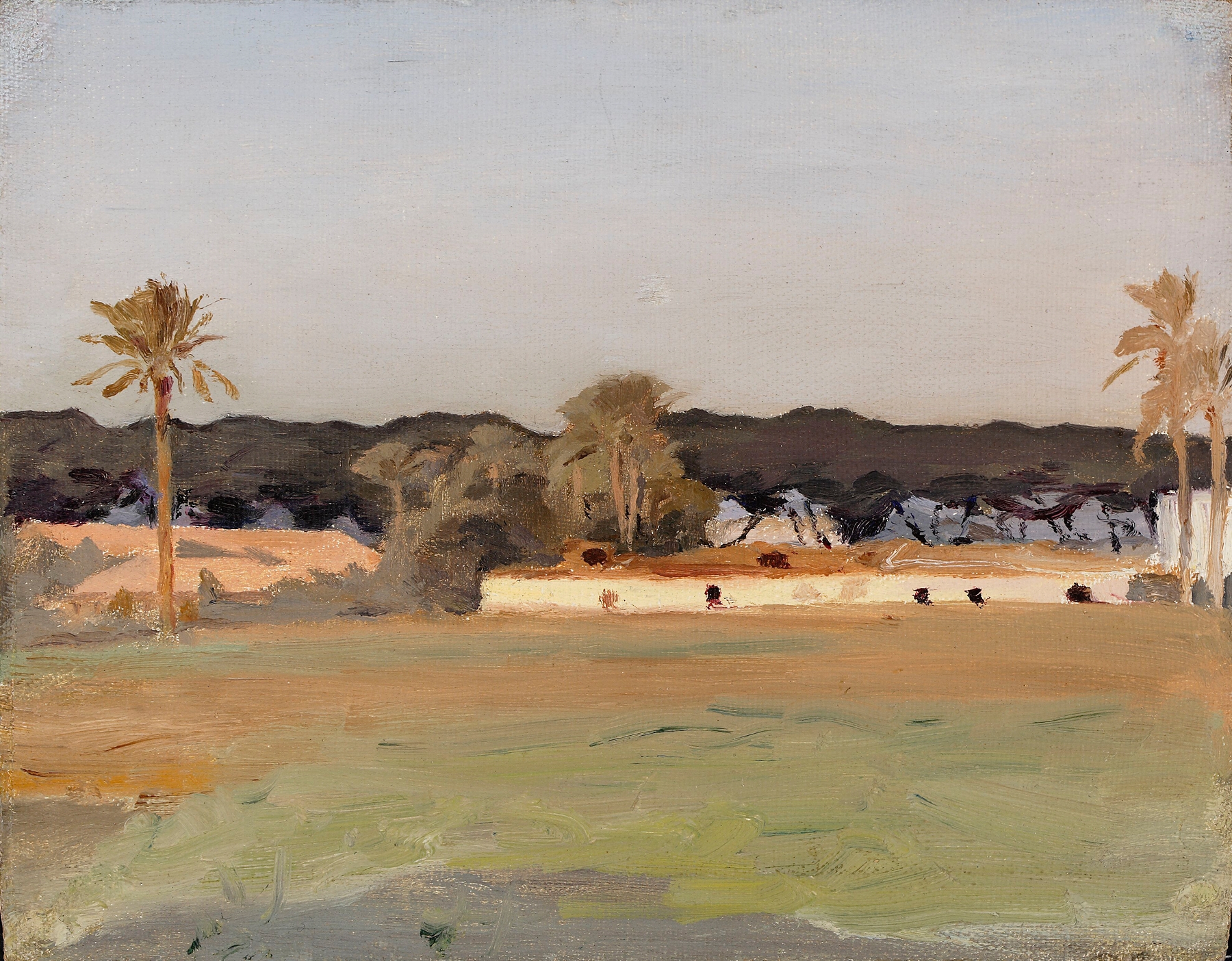
Evening. From the journey to Egypt
Jan Ciągliński
More Allegory Art
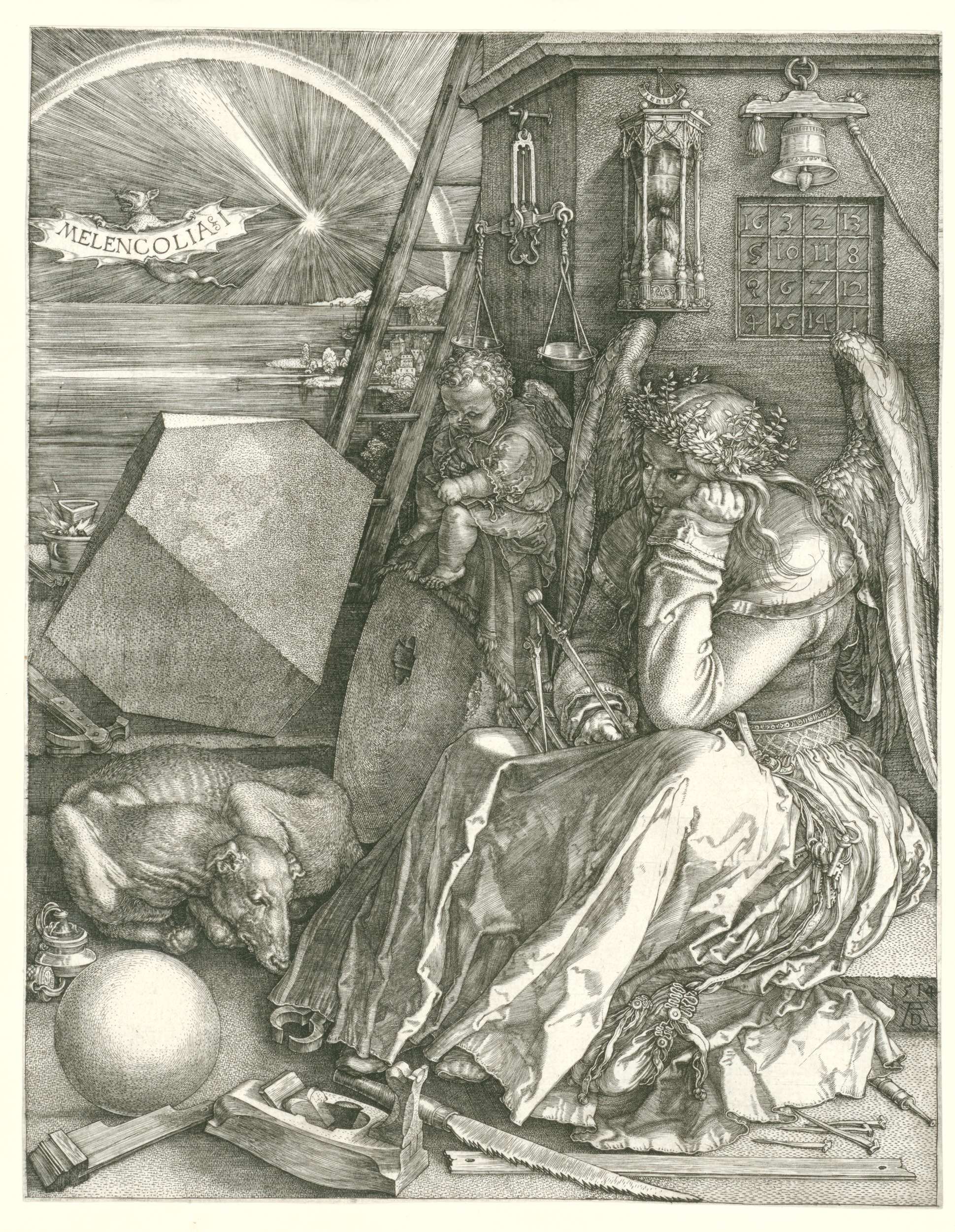
Melancholia
Albrecht Dürer
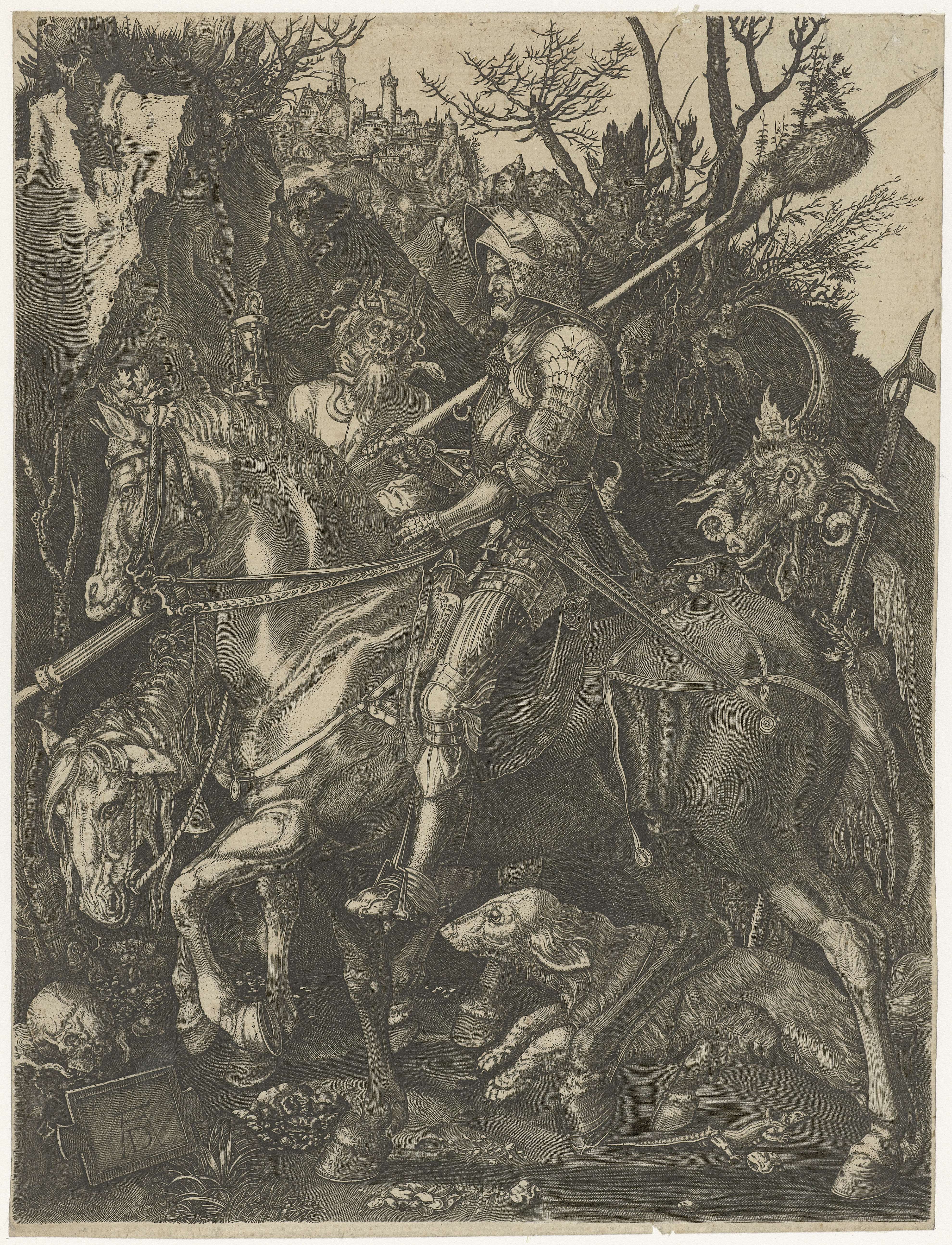
Ridder, Dood en Duivel
Unknown Artist
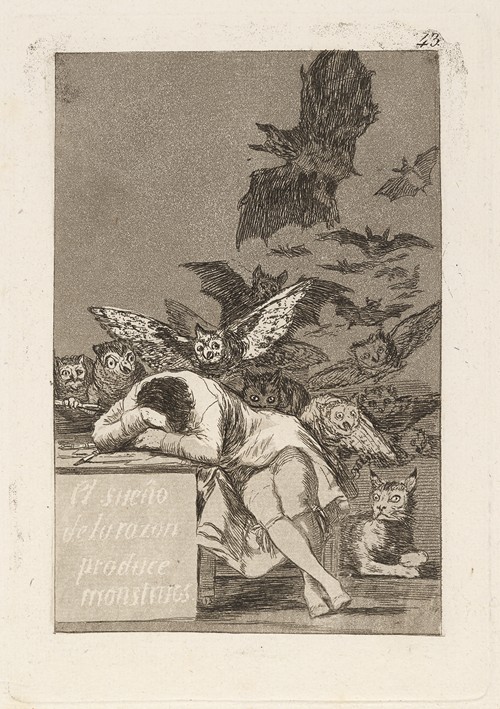
El sueño de la razon produce monstruos. (The sleep of reason produces monsters.)
Francisco de Goya
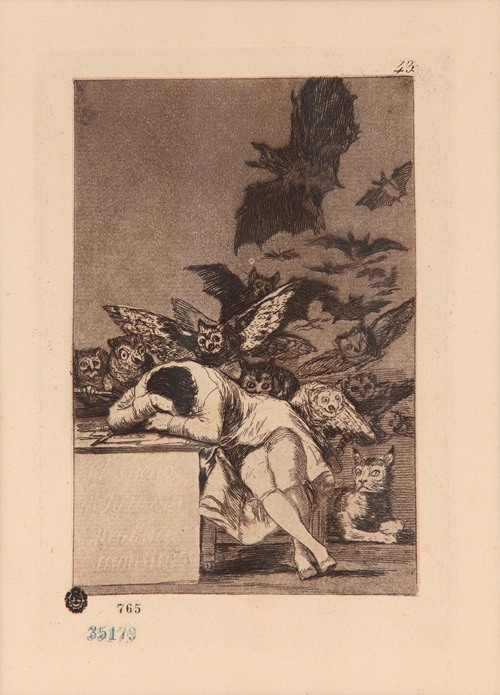
El sueño de la razon produce moustruos (Serie Caprichos)
Francisco de Goya
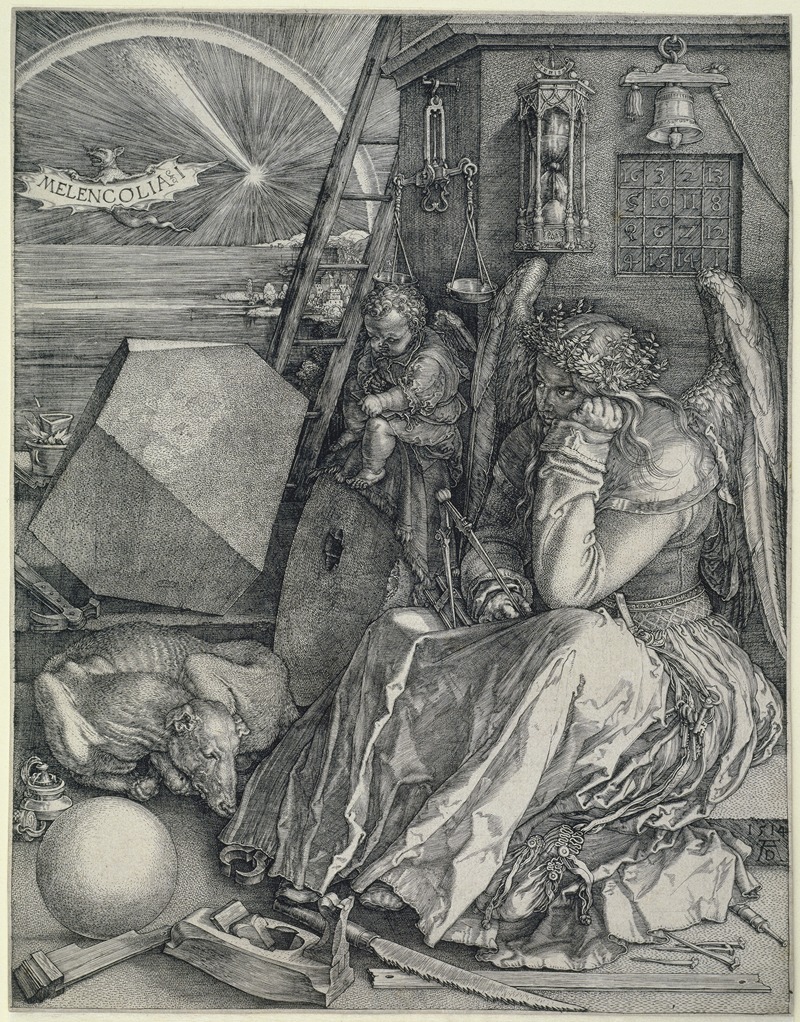
Melencolia I (The Melancholy)
Albrecht Dürer
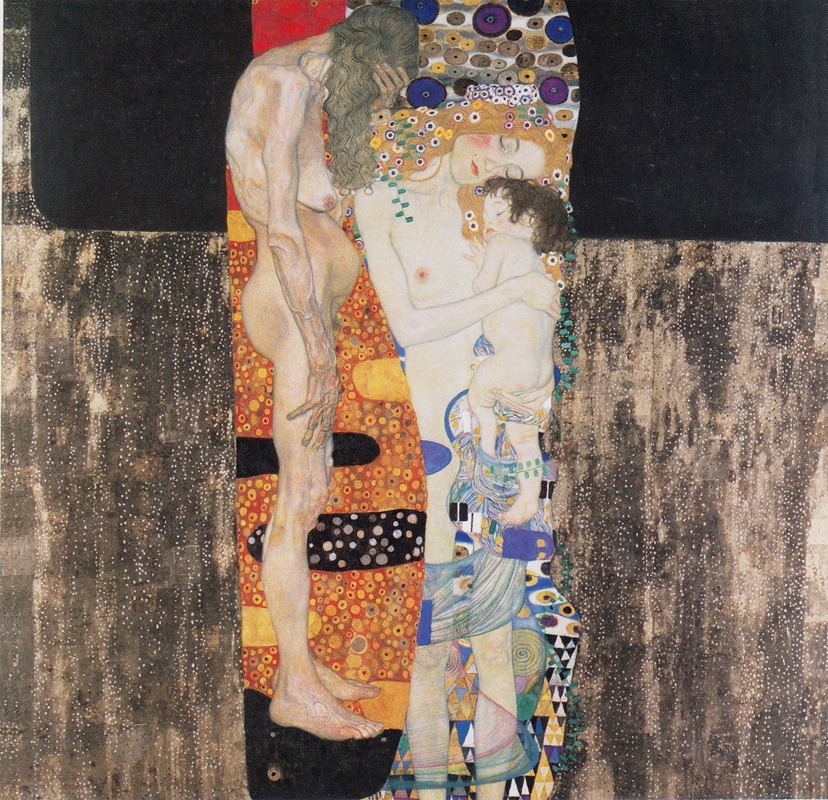
The Three Ages of the Woman
Gustav Klimt