
“Vittoria”. Portræt af en romerinde — History & Facts
What first seizes the viewer in Vittoria. Portræt af en romerinde is the unflinching directness of the sitter’s gaze—steady, unsmiling, and almost defiant. The darkness that encircles her face draws the eye to her expression, where the play of shadow and light carves out strong cheekbones and a furrowed brow.
Her cream-colored garment, rendered with broad, textured strokes, seems to glow against the somber background, asserting her physical presence. There is nothing ornamental here: every brushstroke serves to anchor the woman’s character, her story hinted at in the tension of her jaw and the set of her mouth. The portrait’s mood is one of gravity and resilience, as if the sitter has weathered much and will weather more. Painted around 1880 by Agnes Slott-Møller, this work belongs to an era when artists across Europe were turning their attention to the realities of everyday life, often seeking out models from the working classes or local communities.
Portraits like this, with their psychological intensity and focus on individual character, were part of a broader movement that questioned idealized beauty and instead valued authenticity. While little is recorded about the specific journey of this painting, its presence in the collection of www.bruun-rasmussen.dk speaks to the enduring fascination with such honest, searching studies. The viewer is left to wonder about the life behind those eyes—and to return, again and again, to the questions the portrait refuses to answer.
More Artworks by Agnes Slott-Møller

Herregården Kaas i Salling-1895
Agnes Slott-Møller
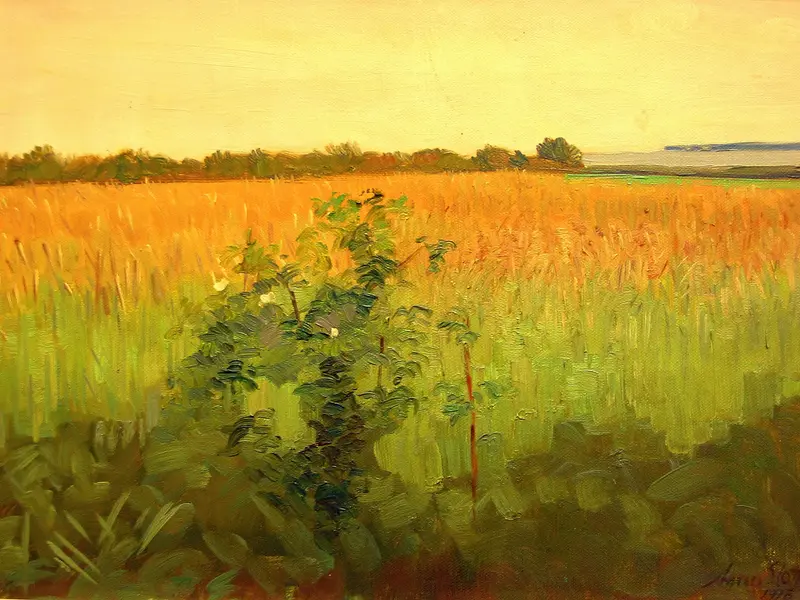
Fields
Agnes Slott-Møller
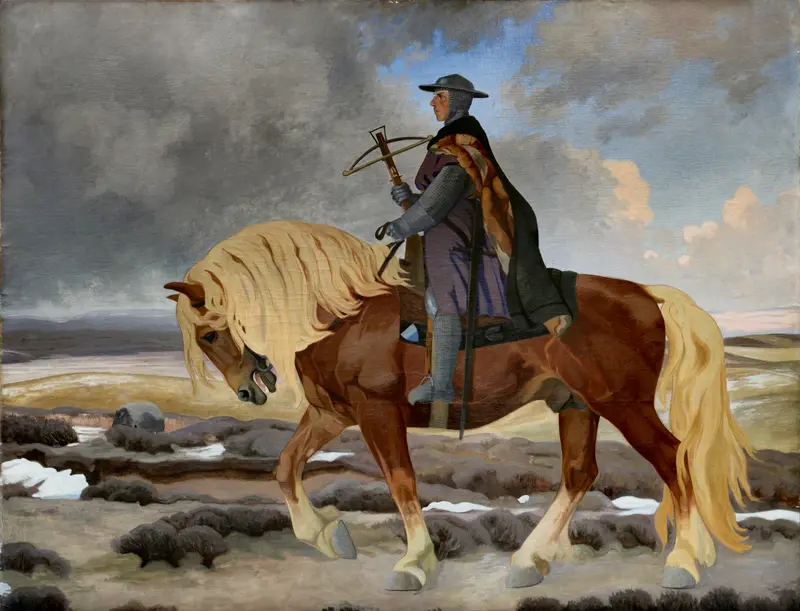
Niels Ebbesen
Agnes Slott-Møller
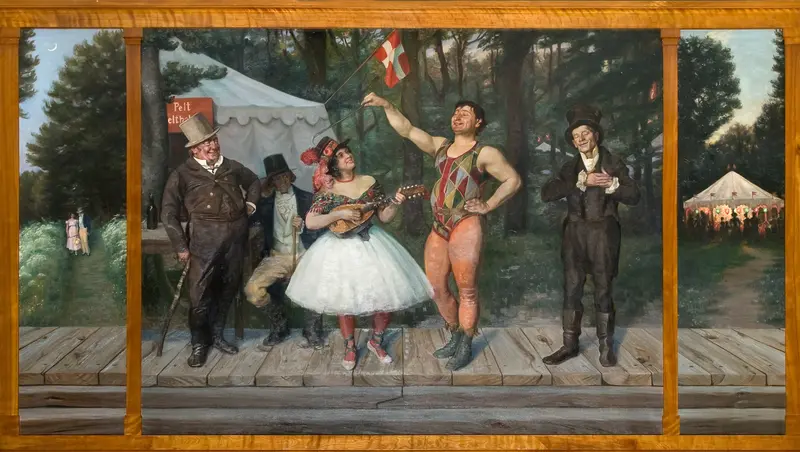
Danish Comedythe Critic and the Animal
Agnes Slott-Møller

Herregården Bangsbo i måneskin
Agnes Slott-Møller
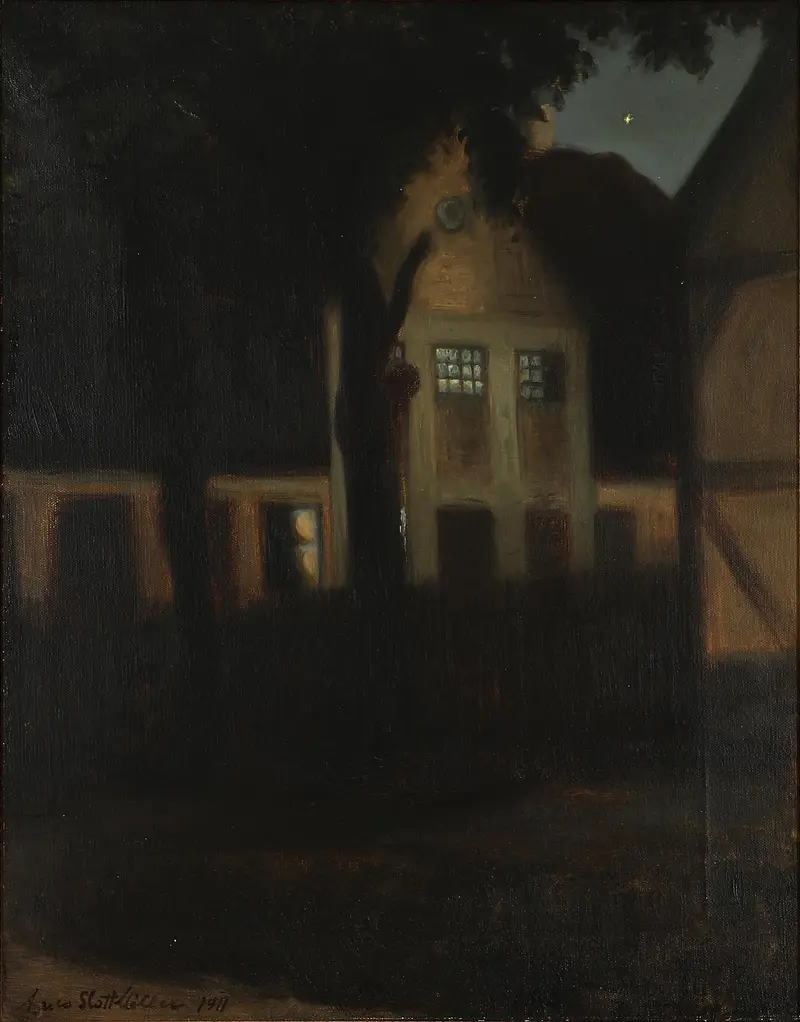
Summer evening. Ryomgaard
Agnes Slott-Møller
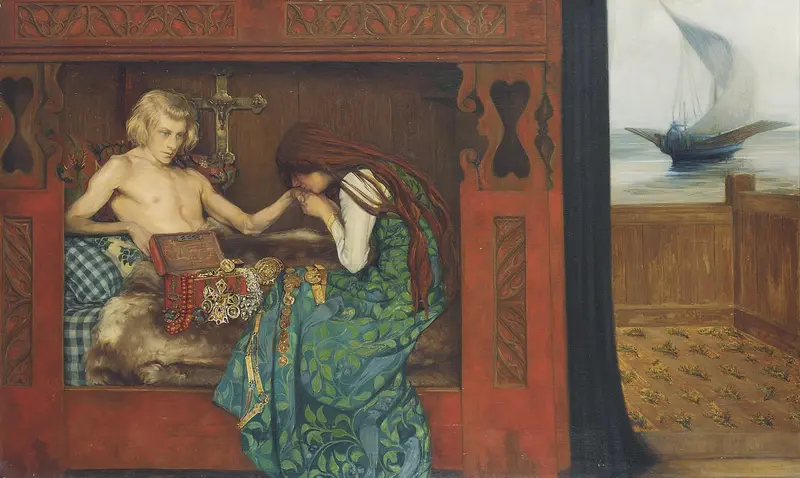
The Dying Betrothed
Agnes Slott-Møller
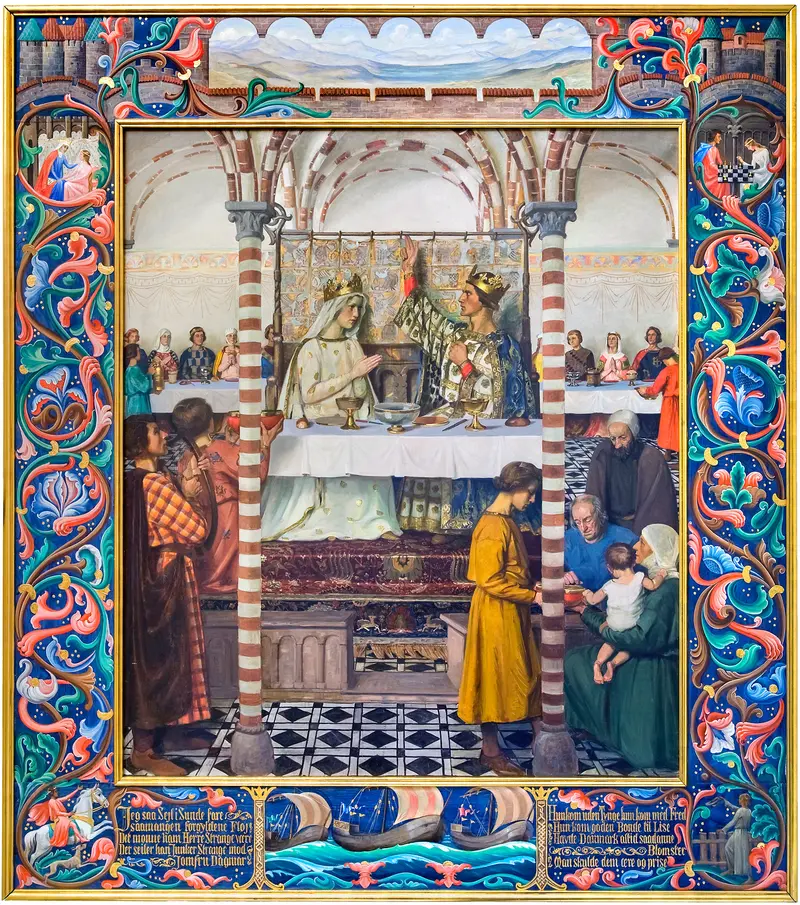
The wedding between Dagmar of Bohemia and Valdemar II of Denmark
Agnes Slott-Møller
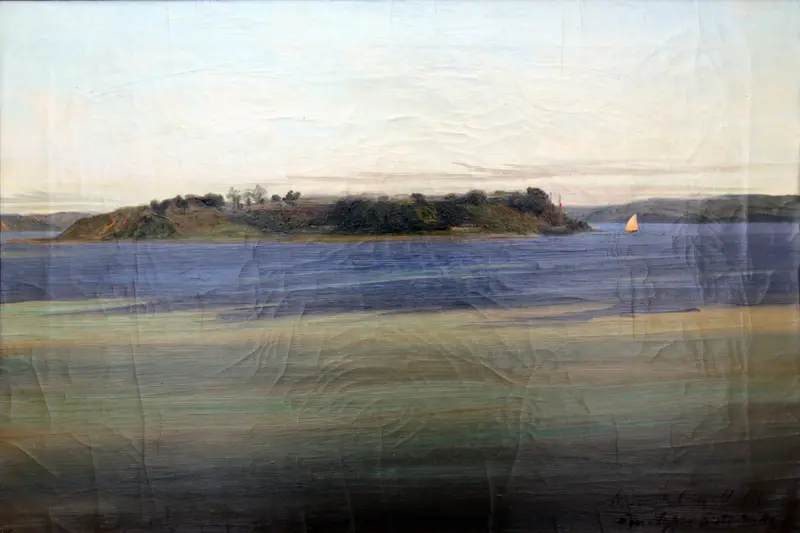
Ox island in Flensburg Fiord
Agnes Slott-Møller
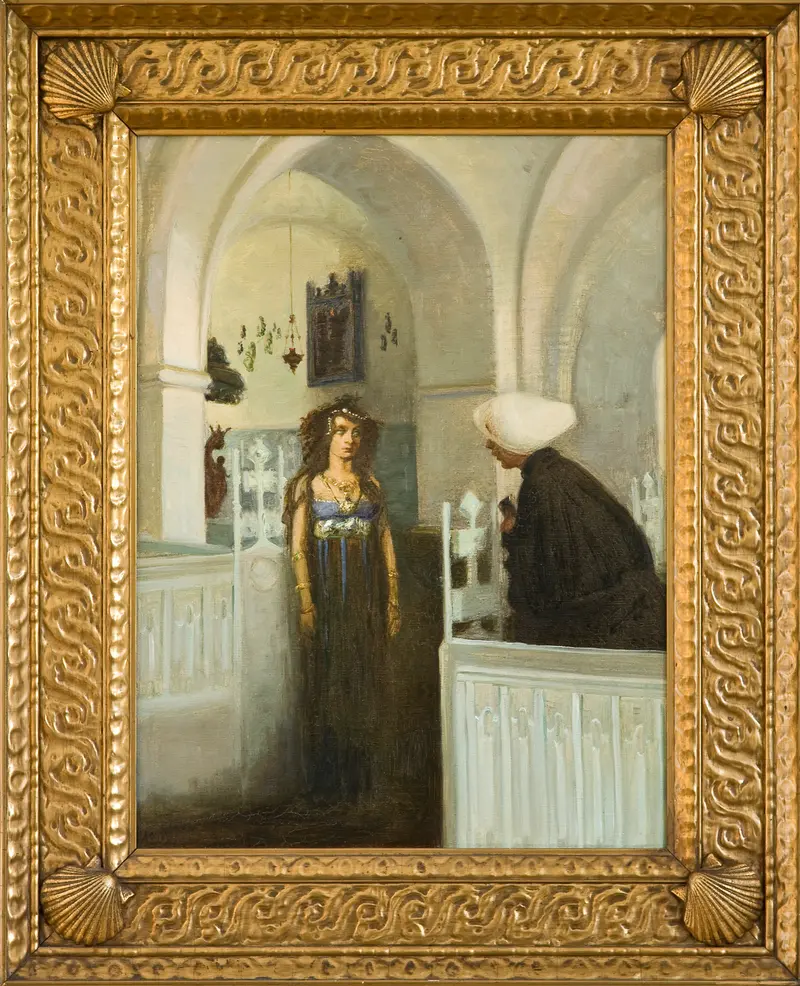
Agnete
Agnes Slott-Møller





