Vleesvork van vertind ijzer met versierd heft — History & Facts
What if silence could speak through light? In moments of stillness, the simplest objects can reveal the profound innocence of existence. Look closely at the ornate handle of the iron meat fork, where intricate designs intertwine like whispers of craftsmanship. Each curve and line invites your fingertips to trace its history, while the metallic sheen reflects soft light, transforming the ordinary into something extraordinary. The stark contrast between the cold iron and the decorative embellishments shapes a dialogue of function and artistry, urging you to ponder the duality of the everyday. Delve into the meanings embedded within the fork's elegant form.
The embellishments suggest a celebration of domestic life, a time when even the most utilitarian objects were adorned with beauty, hinting at a society that valued both function and aesthetics. Yet, the fork, designed for consumption, may also evoke the innocence lost in the act of survival, where sustenance comes at the cost of life. This juxtaposition speaks to the delicate balance between sustenance and sacrifice, a truth often unexamined in our haste. Created in 1762, this piece emerged from an era when craftsmanship was revered, yet its creator remains a mystery.
The mid-18th century was marked by a flourish in decorative arts, as Europe leaned into Baroque and Rococo influences. Amidst this rich artistic climate, the unknown artist captured a moment suspended in time, a testament to the beauty found in the mundane, inviting viewers to reflect on the subtleties of existence.
More Artworks by Unknown Artist
Browse all →
Ridder, Dood en Duivel
Unknown Artist
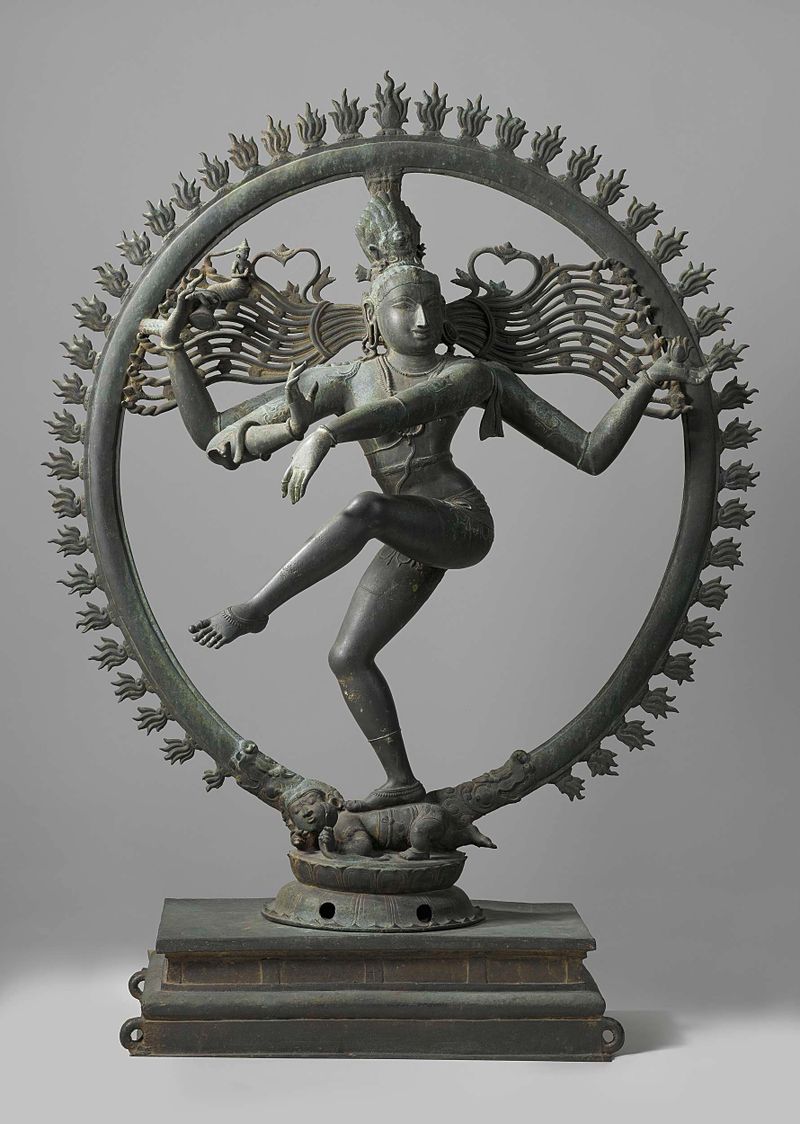
Shiva Nataraja
Unknown Artist
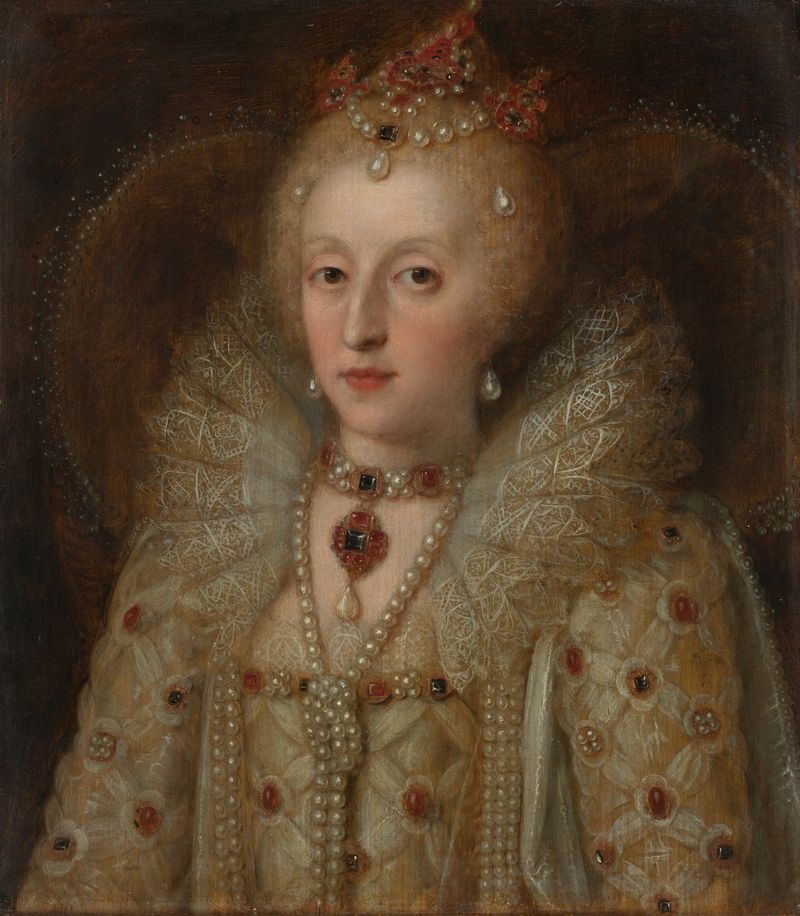
Portrait of Elizabeth I, Queen of England
Unknown Artist
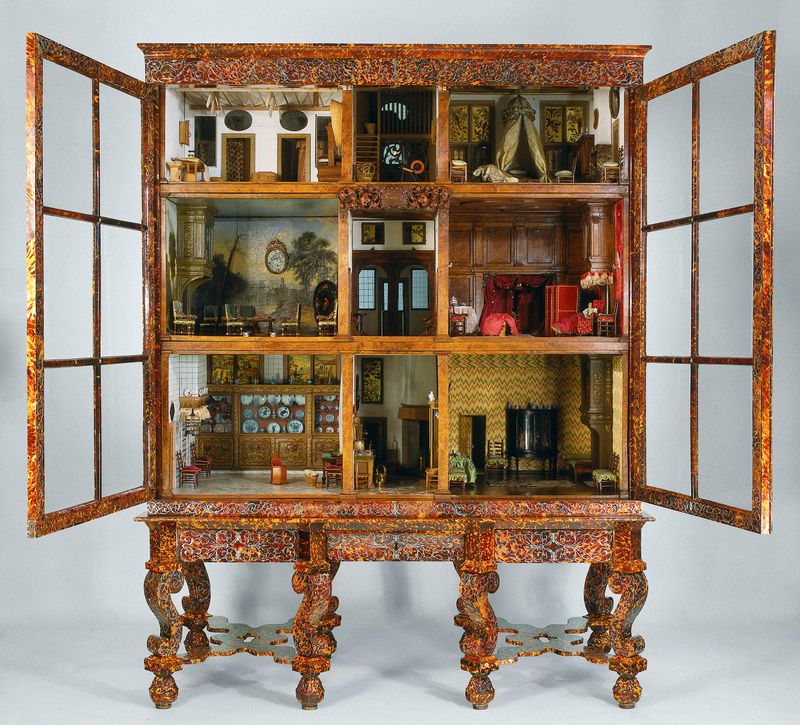
Dolls’ house of Petronella Oortman
Unknown Artist
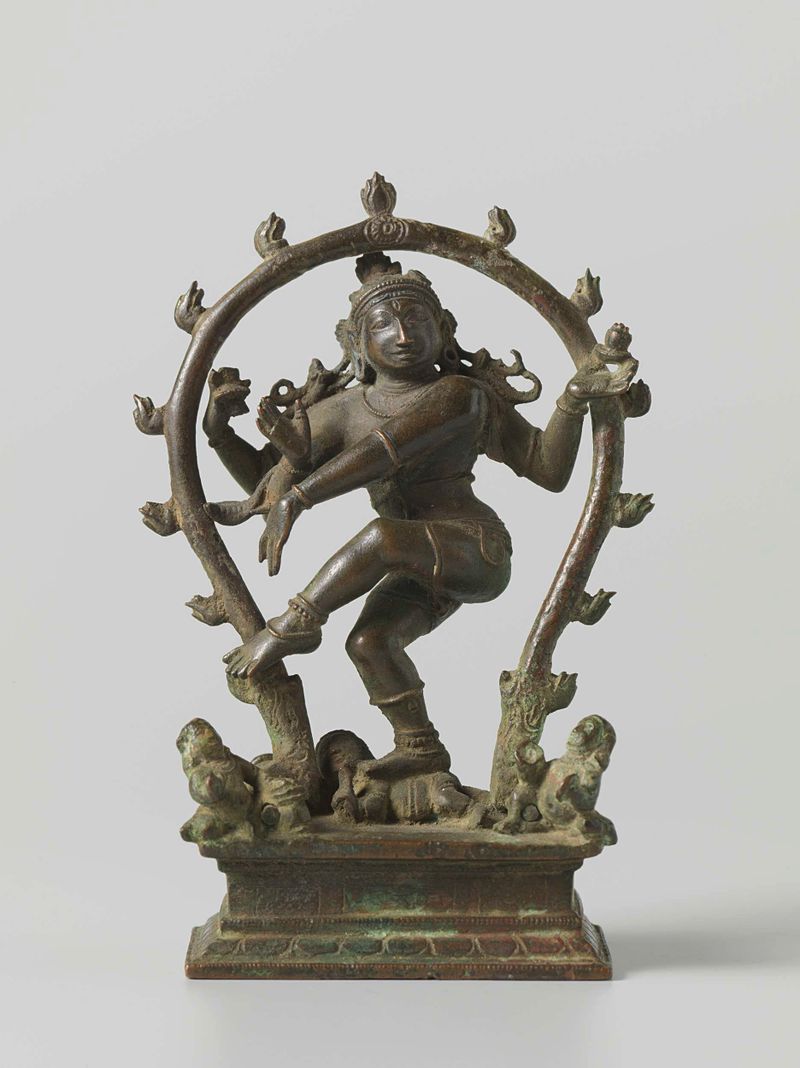
Shiva Nataraja
Unknown Artist

The Tale of Genji
Unknown Artist

The Tale of Genji
Unknown Artist

Cong
Unknown Artist
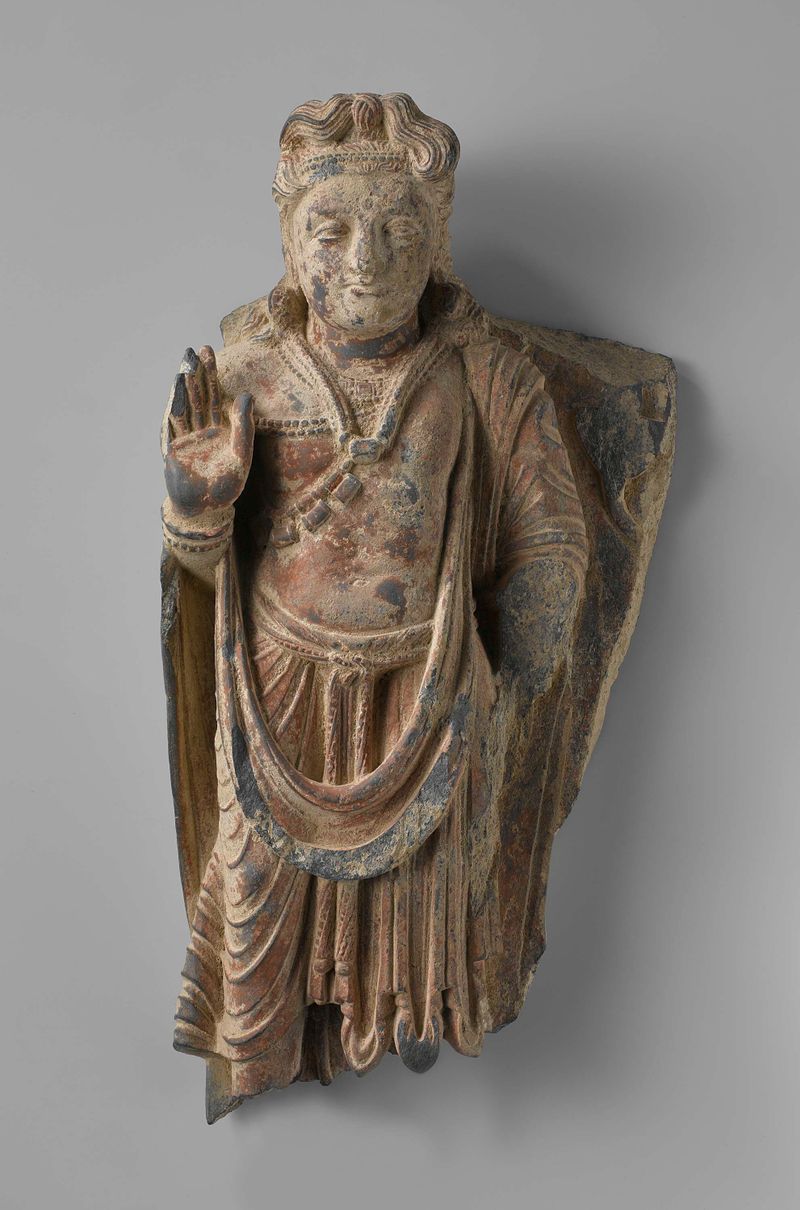
The bodhisattva Maitreya
Unknown Artist

Teabowl with a 'hare's fur' glaze
Unknown Artist