
Vlucht naar Egypte — History & Facts
What if beauty was never meant to be finished? In Vlucht naar Egypte, Albrecht Dürer encapsulates a moment where the fragility of life brushes against divine purpose, calling viewers to reflect on the transient nature of existence. Look closely at the left side of the composition, where Mary and Joseph gently cradle the Christ child. The delicate interplay of light and shadow highlights their serene expressions, and the soft, muted colors evoke a sense of quiet reverence. The figures are framed by a dark, dense forest, which contrasts sharply with their illuminated faces, drawing the eye towards their intimate gathering.
The meticulous detail in the foliage suggests a world teeming with life yet shrouded in mystery, inviting contemplation on the path they are about to tread. Delve deeper into the symbolism of the painting, where the lush greenery surrounding them hints at both fertility and the ever-present threat of entrapment. The juxtaposition of the peaceful family against the encroaching wilderness embodies the tension between the protection of innocence and the harsh realities of mortality. This duality reminds us that while moments of beauty may arise, they are often fleeting, shrouded in uncertainty and the inevitable journey toward the unknown. Dürer painted Vlucht naar Egypte between 1502 and 1506, a period marked by personal and artistic evolution.
Living in Nuremberg, he was immersed in the early Renaissance, exploring new techniques influenced by both nature and human emotion. In a rapidly changing world, Dürer's work reflects a profound engagement with both the spiritual and the tangible, driven by a desire to capture the essence of human experience amid the complexities of life and death.
More Artworks by Albrecht Dürer
Browse all →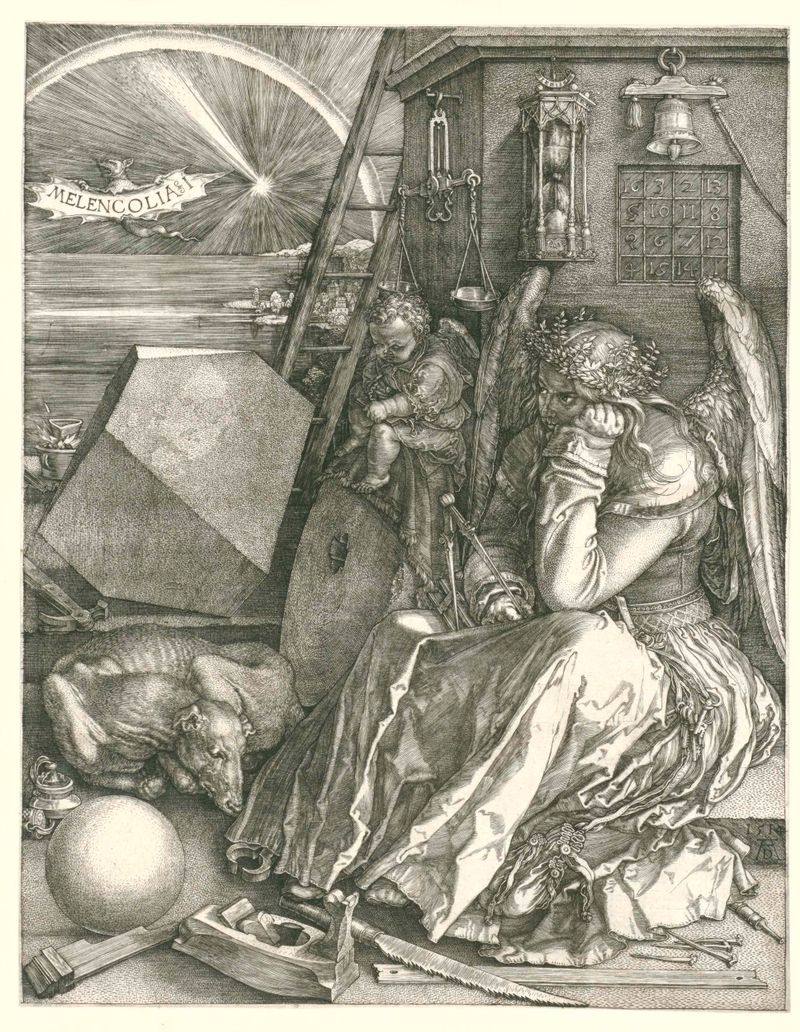
Melancholia
Albrecht Dürer
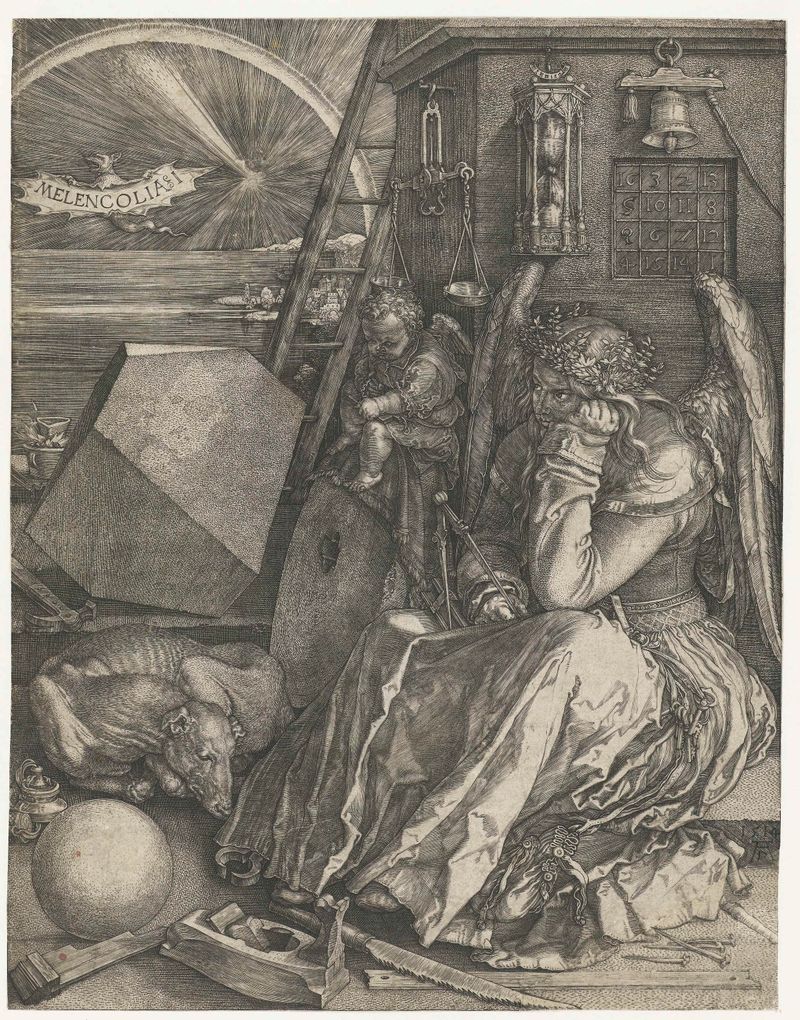
Melancholie
Albrecht Dürer
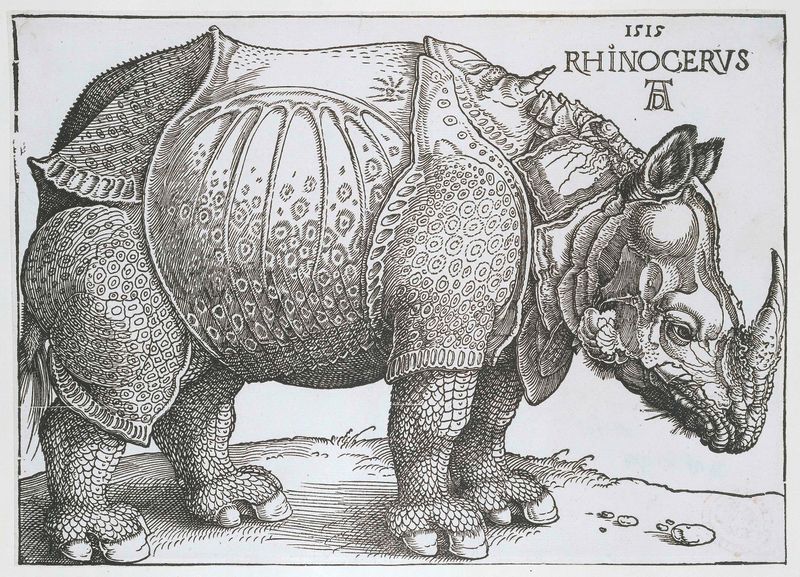
Neushoorn
Albrecht Dürer
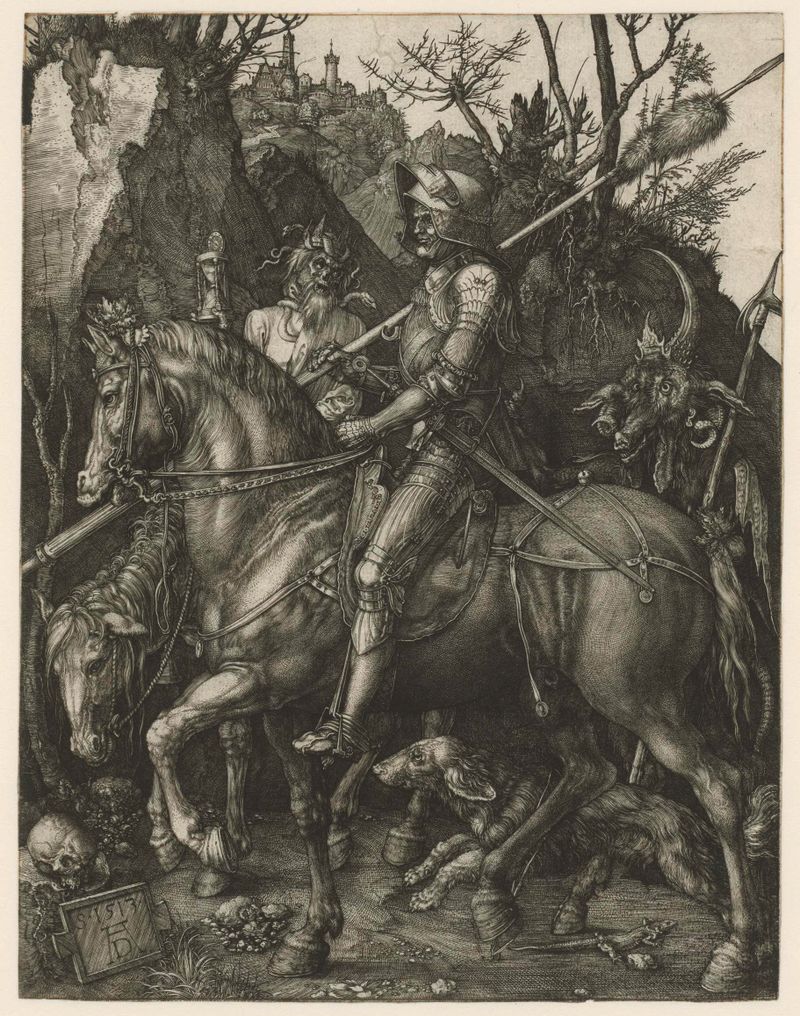
Knight, Death, and the Devil
Albrecht Dürer

De vier ruiters van de apocalyps
Albrecht Dürer

De vier ruiters van de apocalyps
Albrecht Dürer
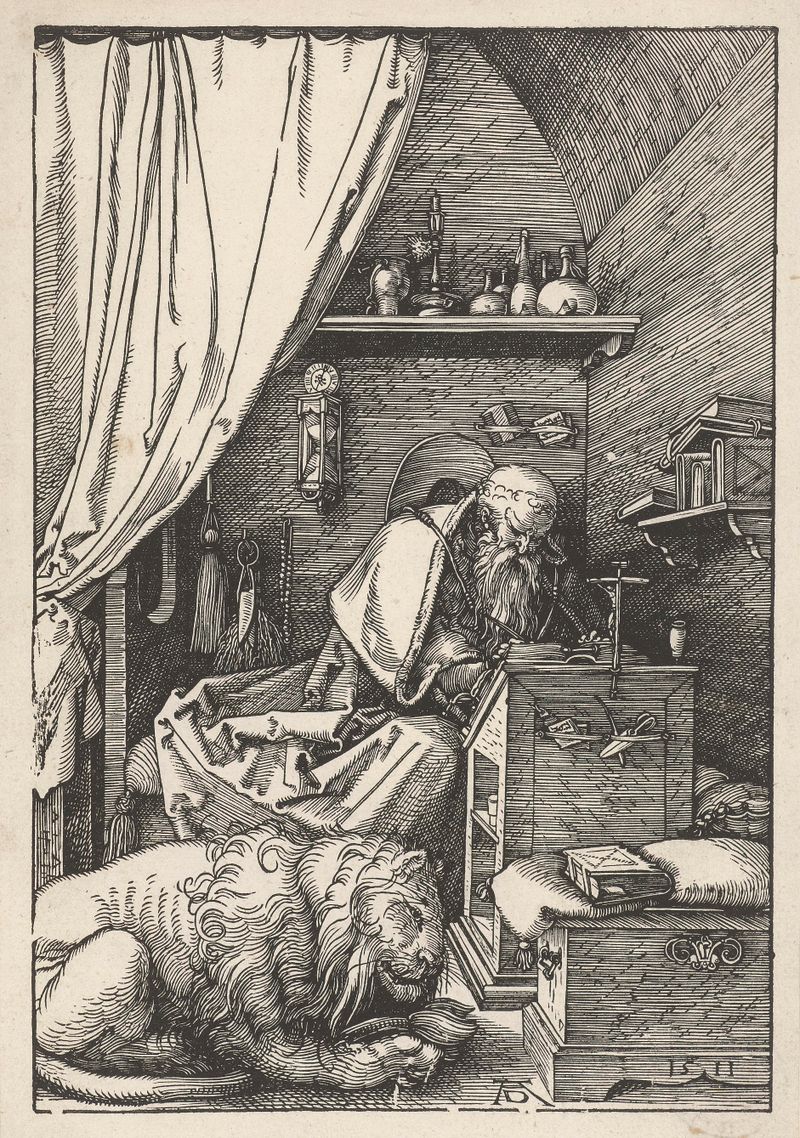
De Heilige Hiëronymus in zijn studeervertrek
Albrecht Dürer
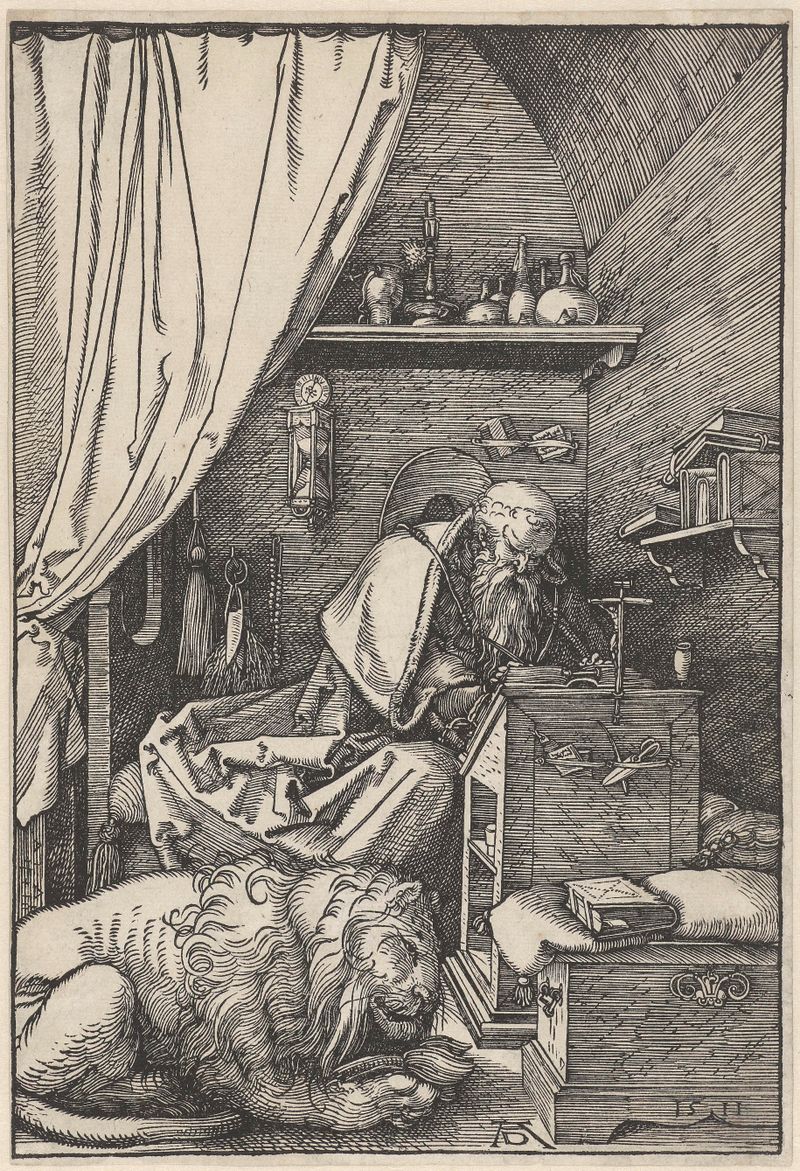
De Heilige Hiëronymus in zijn studeervertrek
Albrecht Dürer
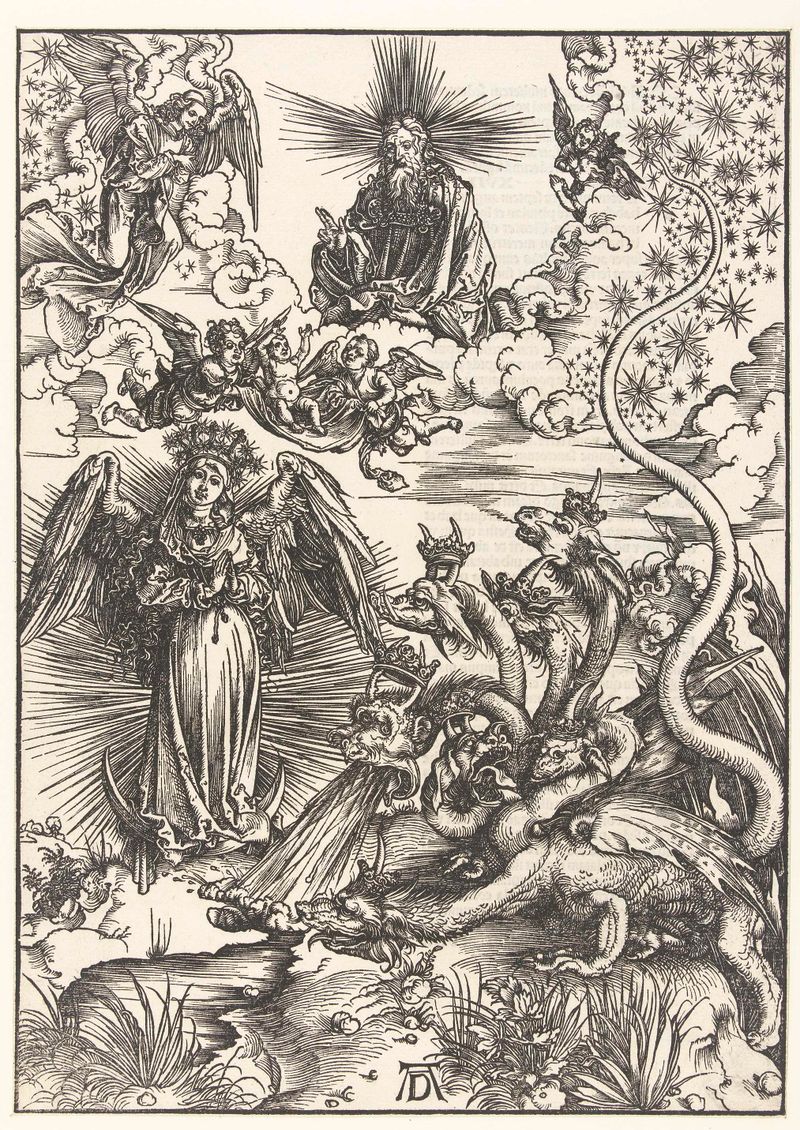
De apocalyptische vrouw en de zevenkoppige draak
Albrecht Dürer
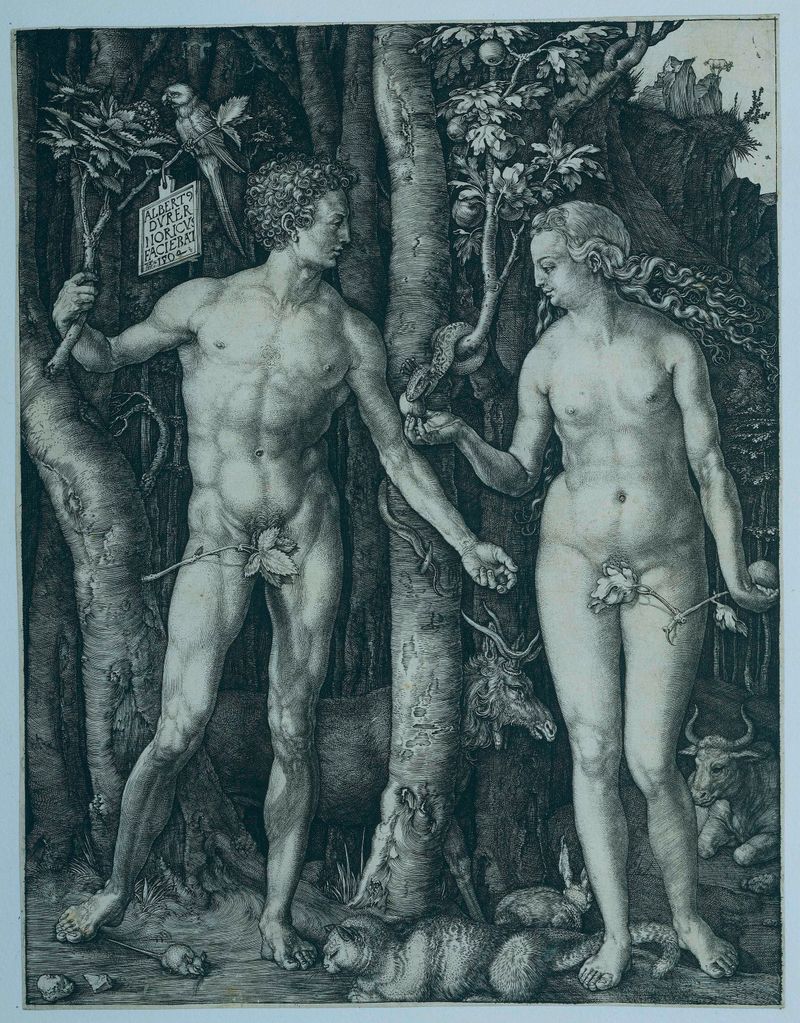
Adam en Eva
Albrecht Dürer
More Religious Art
Browse all →
The Return of the Prodigal Son
Rembrandt van Rijn

The Garden of Earthly Delights
El Bosco

Count Orgaz’ funeral
El Greco

The Hundred Guilder Print: the central piece with Christ preaching, the plate arched
Rembrandt van Rijn

The Descent from the Cross
Rogier van der Weyden

The return of the prodigal son
Rembrandt van Rijn