
Vlucht naar Egypte — History & Facts
In the quietude of rebirth, a moment captured in brushstrokes transcends the ephemeral nature of existence, inviting reflection on the cycles of life. Focus on the central figures: Mary and the Christ child, enveloped by lush, green foliage that breathes life into the composition. Their expressions, serene yet burdened, draw you in, while the use of light highlights the delicate contours of their faces. Notice how the gentle play of shadow and warmth creates a sense of intimacy, contrasting the tranquility of the moment with the impending journey ahead.
The vibrant colors and meticulous details of the surrounding landscape serve as a reminder that hope flourishes even in uncertainty. In the background, subtle symbols of rebirth emerge: the rich greenery represents new beginnings, while the distant mountains suggest challenges yet to be faced. The positioning of the figures, both tethered yet reaching outward, speaks to an emotional tension between safety and the unknown. This duality emphasizes the extraordinary weight of their ordinary escape, hinting at the broader human experience of transition and resilience. Albrecht Dürer created Vlucht naar Egypte between 1502 and 1506 during a dynamic period in Northern European art, characterized by a shift towards greater realism and emotional depth.
Living in Nuremberg, Dürer was influenced by the burgeoning Renaissance, which sought to meld human experience with spiritual narratives. His attention to detail and mastery of composition laid the groundwork for future generations, making this piece a pivotal moment in both his career and the evolution of art.
More Artworks by Albrecht Dürer
Browse all →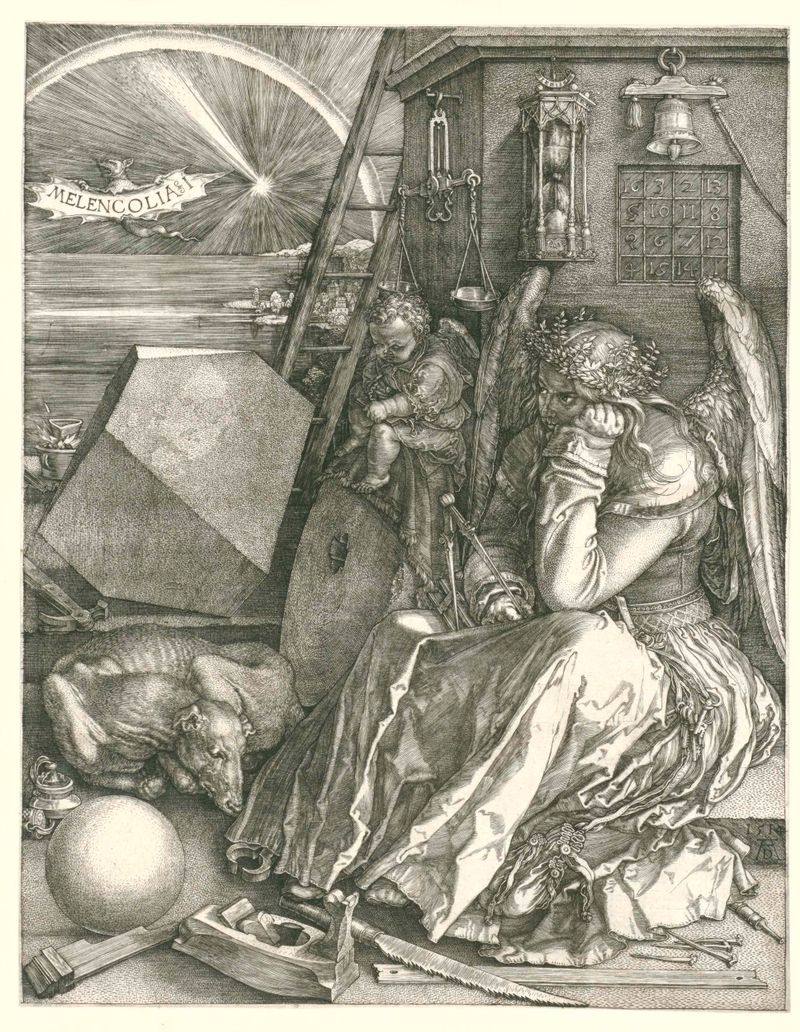
Melancholia
Albrecht Dürer
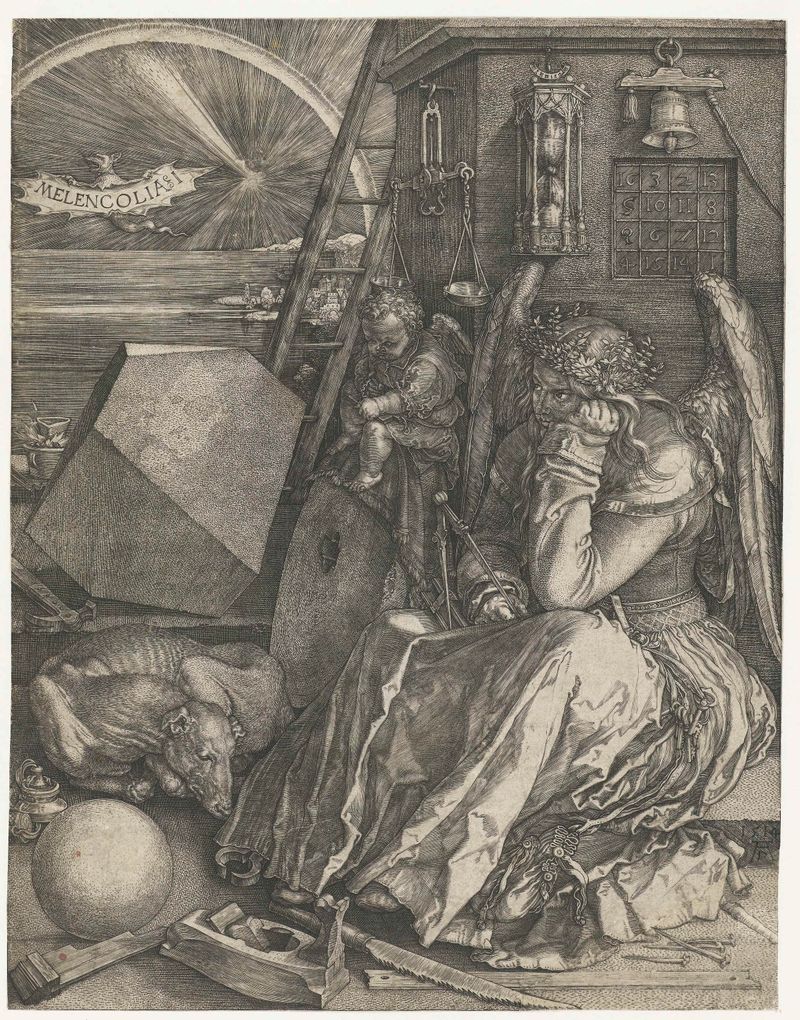
Melancholie
Albrecht Dürer
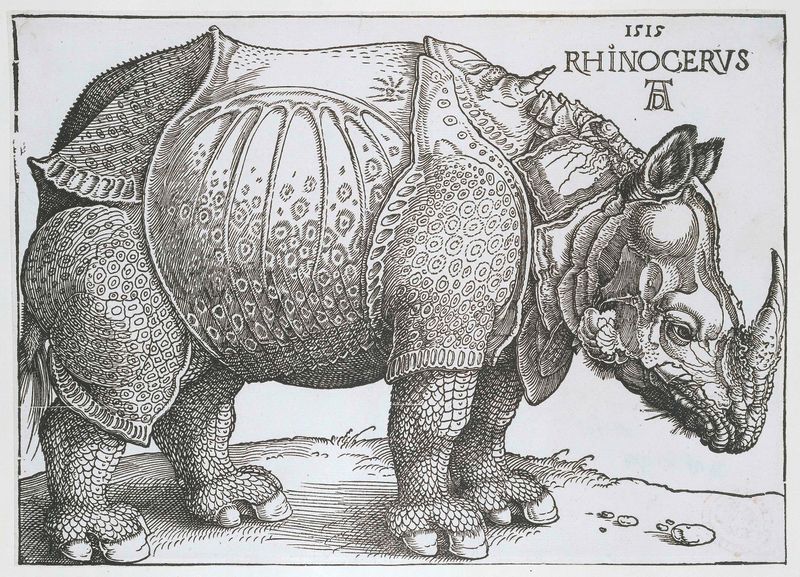
Neushoorn
Albrecht Dürer
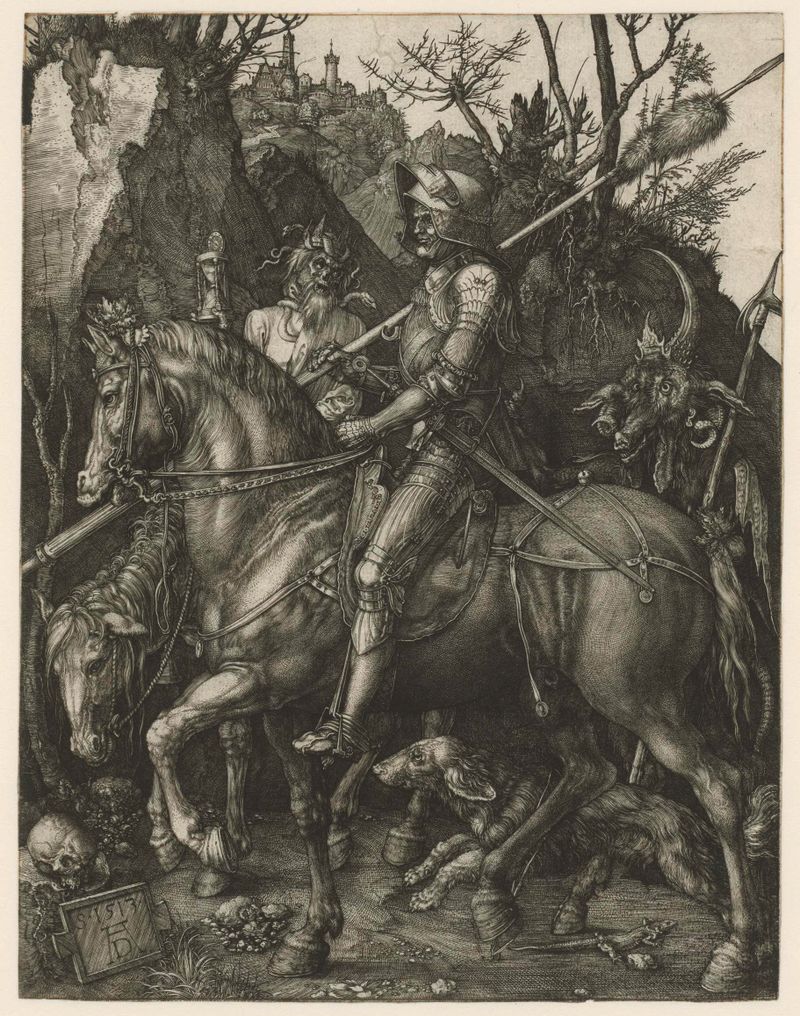
Knight, Death, and the Devil
Albrecht Dürer

De vier ruiters van de apocalyps
Albrecht Dürer

De vier ruiters van de apocalyps
Albrecht Dürer
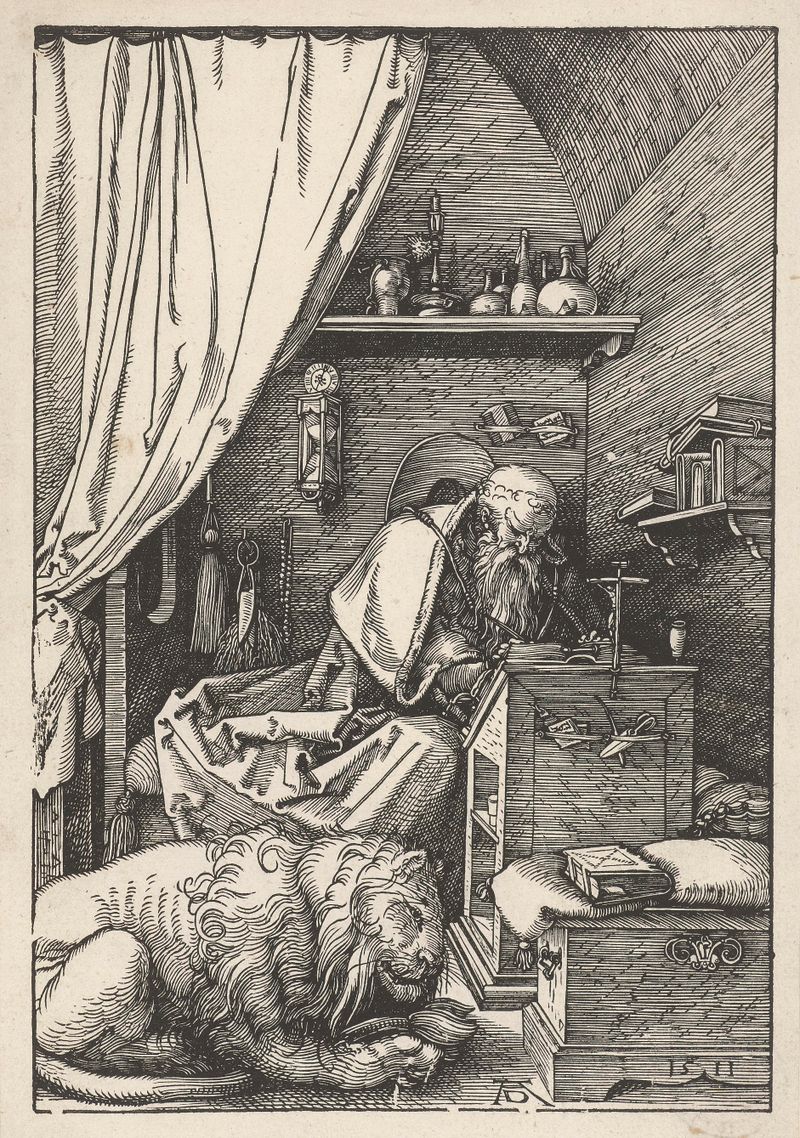
De Heilige Hiëronymus in zijn studeervertrek
Albrecht Dürer
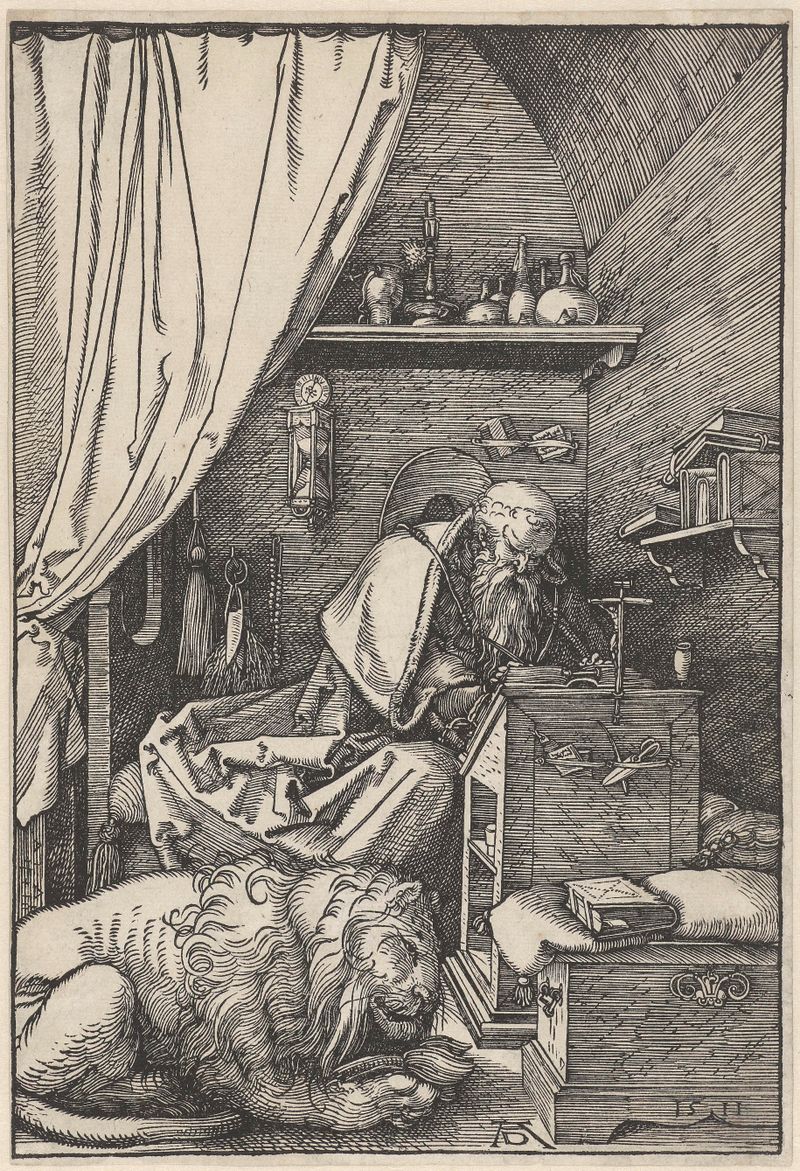
De Heilige Hiëronymus in zijn studeervertrek
Albrecht Dürer
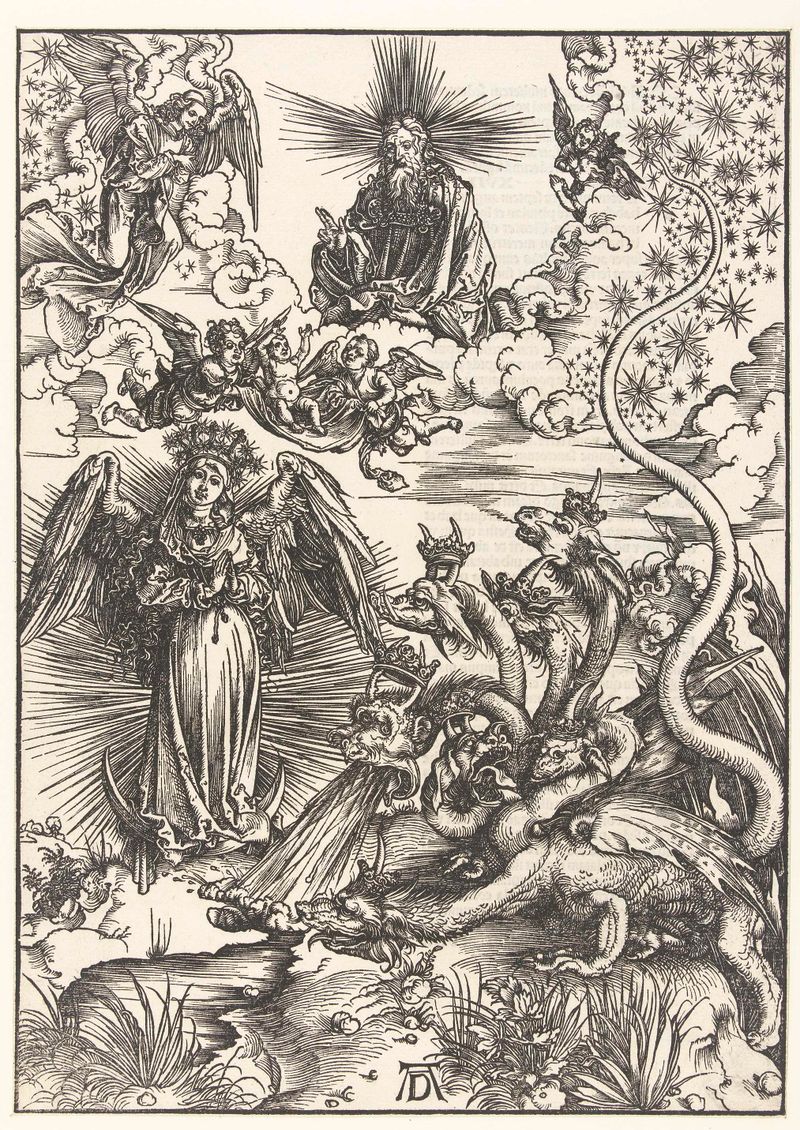
De apocalyptische vrouw en de zevenkoppige draak
Albrecht Dürer
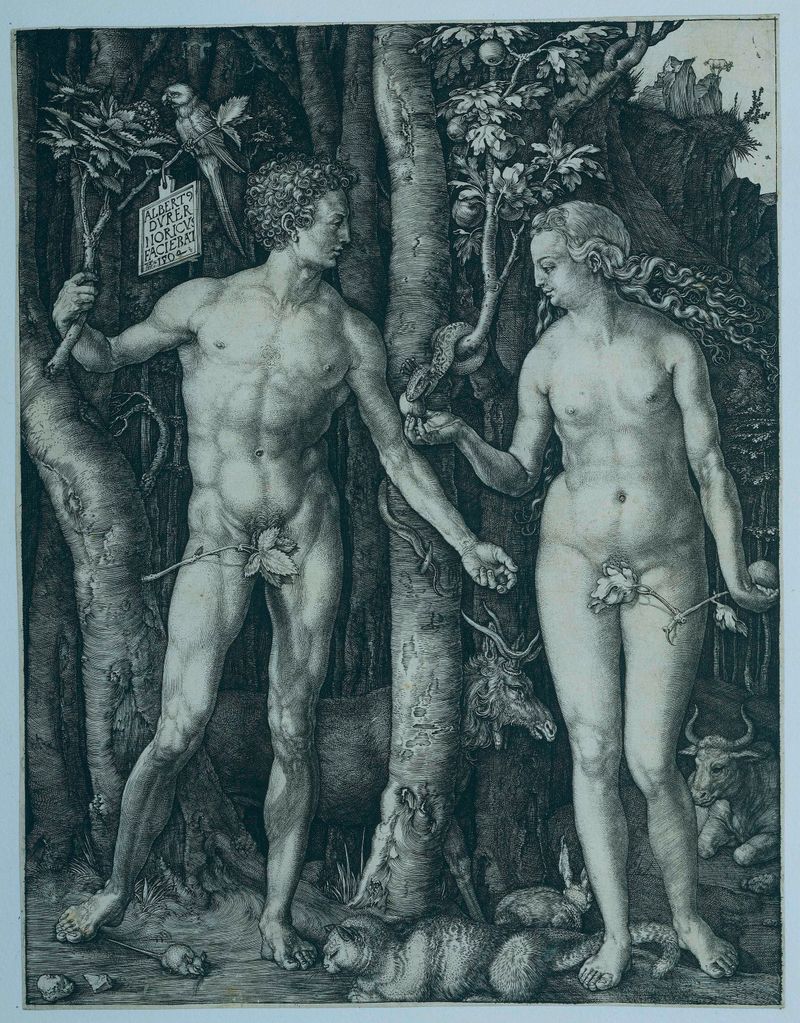
Adam en Eva
Albrecht Dürer
More Religious Art
Browse all →
The Return of the Prodigal Son
Rembrandt van Rijn

The Garden of Earthly Delights
El Bosco

Count Orgaz’ funeral
El Greco

The Hundred Guilder Print: the central piece with Christ preaching, the plate arched
Rembrandt van Rijn

The Descent from the Cross
Rogier van der Weyden

The return of the prodigal son
Rembrandt van Rijn