
Voetwassing — History & Facts
In an age where the brush can be a revolutionary tool, art captures both the fragility and the permanence of human experience. Focus on the intricate detail of the central figures, particularly the delicate hands at work. The gesture of washing feet not only reveals vulnerability but also embodies a humility that transcends time. Dürer’s masterful use of light and shadow draws the eye to the contrasting expressions of reverence and introspection among the onlookers, enveloping the scene in a contemplative aura.
The muted color palette enhances the somber yet sacred atmosphere, inviting the viewer to linger in its profound simplicity. Beneath the surface lies a rich tapestry of meaning. The act of foot washing is laden with symbolism, representing service and the call to humility, juxtaposed against the backdrop of a rising Renaissance that heralds individualism. Each detail—the careful folds of fabric, the glistening water—whispers stories of transformation and connection amidst an evolving social landscape.
The tension between the sacredness of the act and the earthly reality of the moment reflects a society on the verge of monumental change. Dürer created this work between 1508 and 1509 during a pivotal period in European art, characterized by a shift towards humanism and naturalism. Residing in Nuremberg, he was deeply influenced by the Reformation and the burgeoning quest for personal expression, making this painting a significant commentary on society’s evolving values. This was a time when artists like him began to assert their individuality, reshaping the narrative of art as a means of both personal and collective revolution.
More Artworks by Albrecht Dürer
Browse all →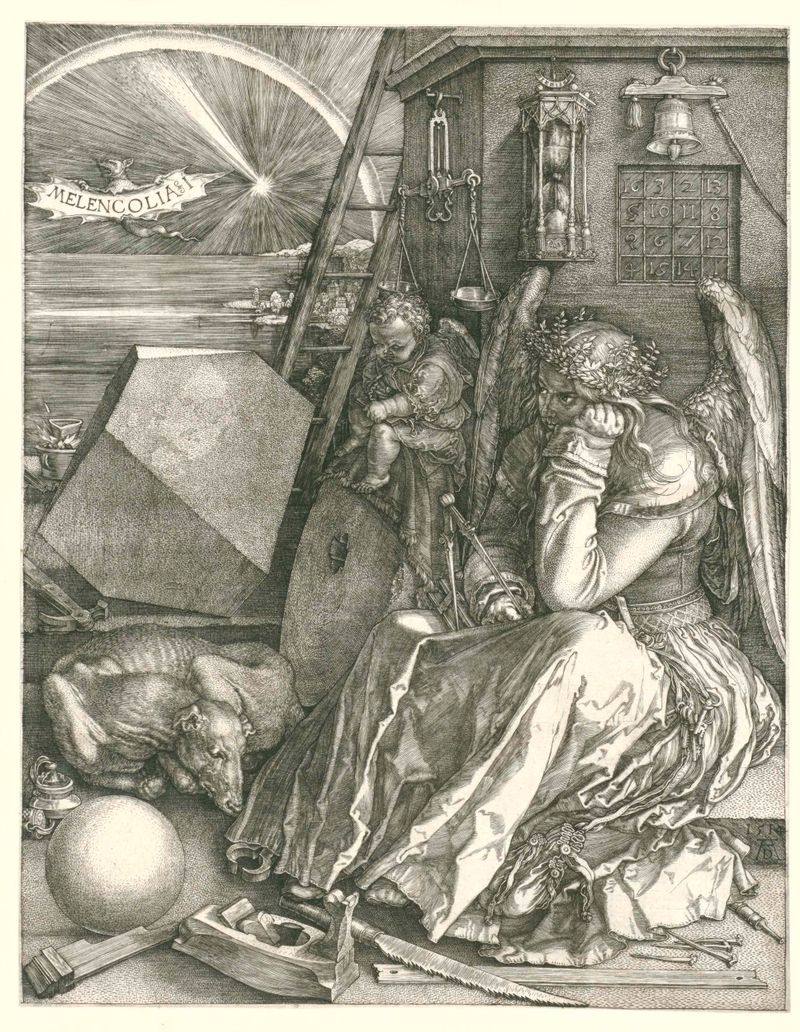
Melancholia
Albrecht Dürer
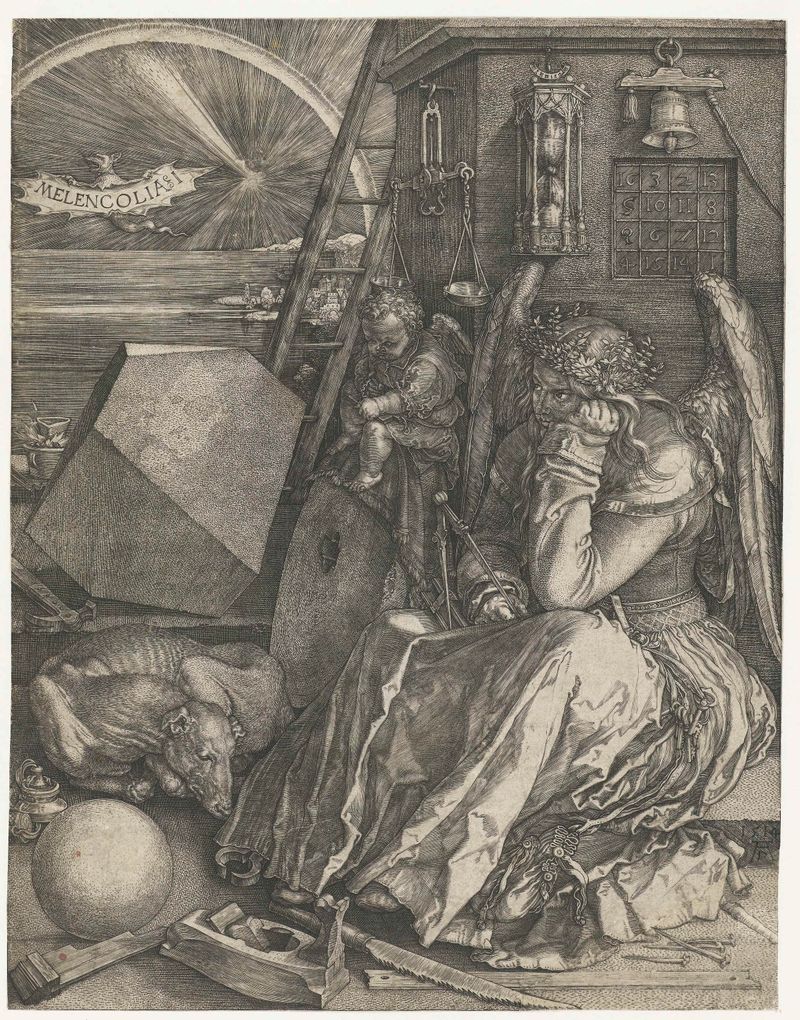
Melancholie
Albrecht Dürer
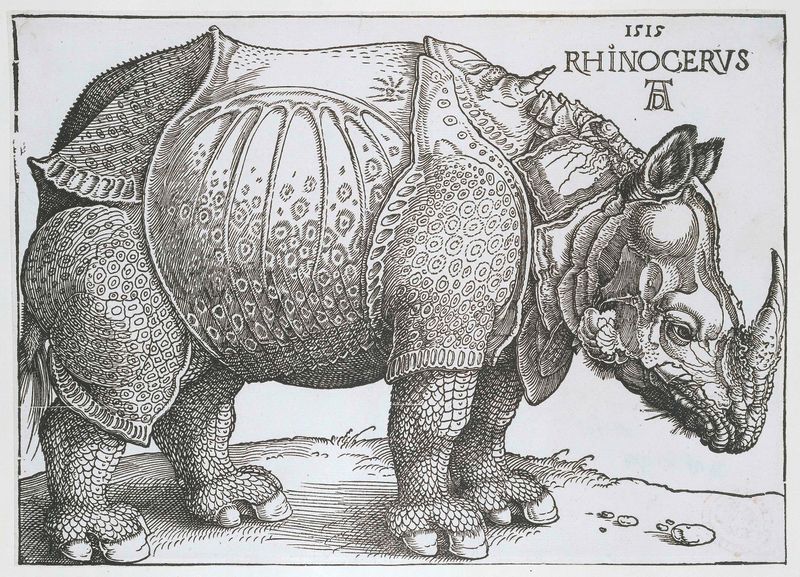
Neushoorn
Albrecht Dürer
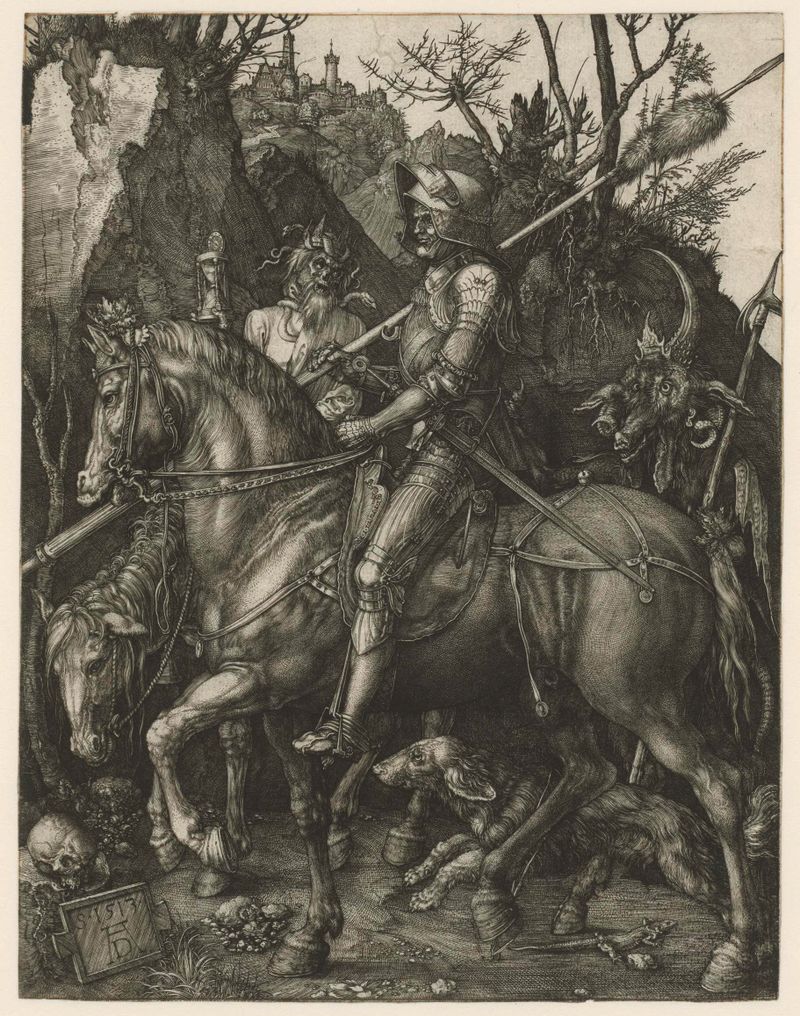
Knight, Death, and the Devil
Albrecht Dürer

De vier ruiters van de apocalyps
Albrecht Dürer

De vier ruiters van de apocalyps
Albrecht Dürer
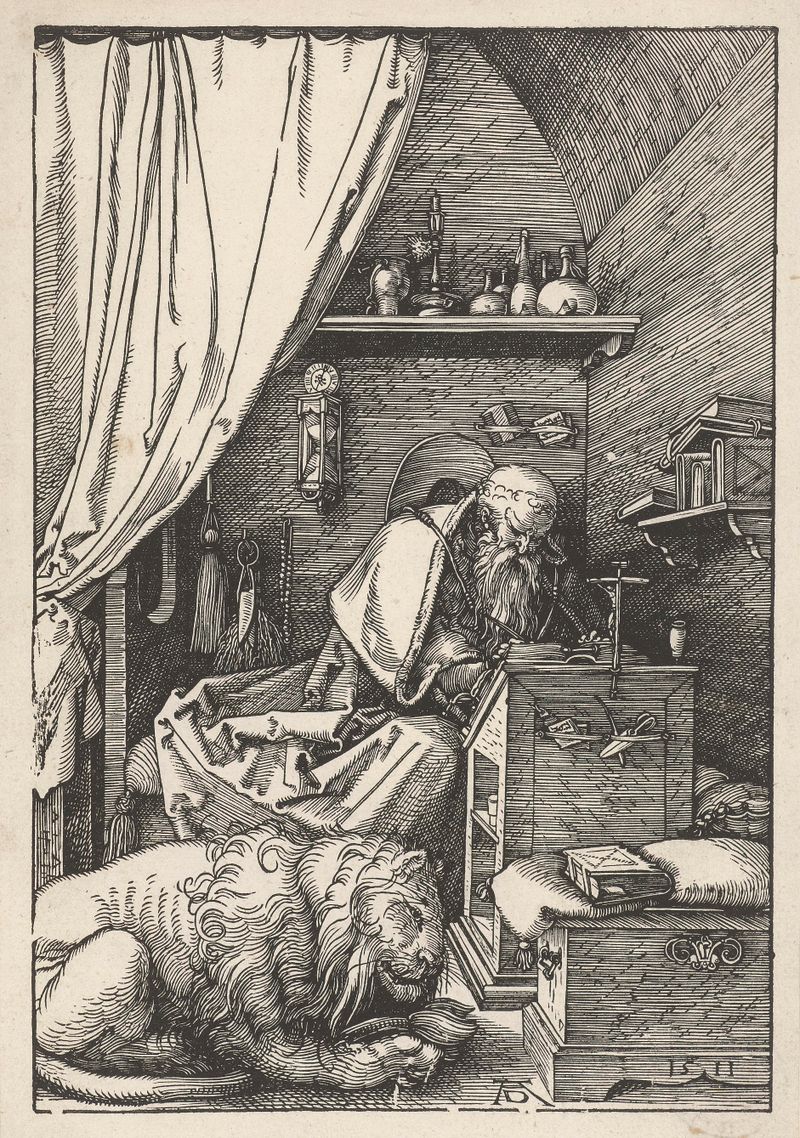
De Heilige Hiëronymus in zijn studeervertrek
Albrecht Dürer
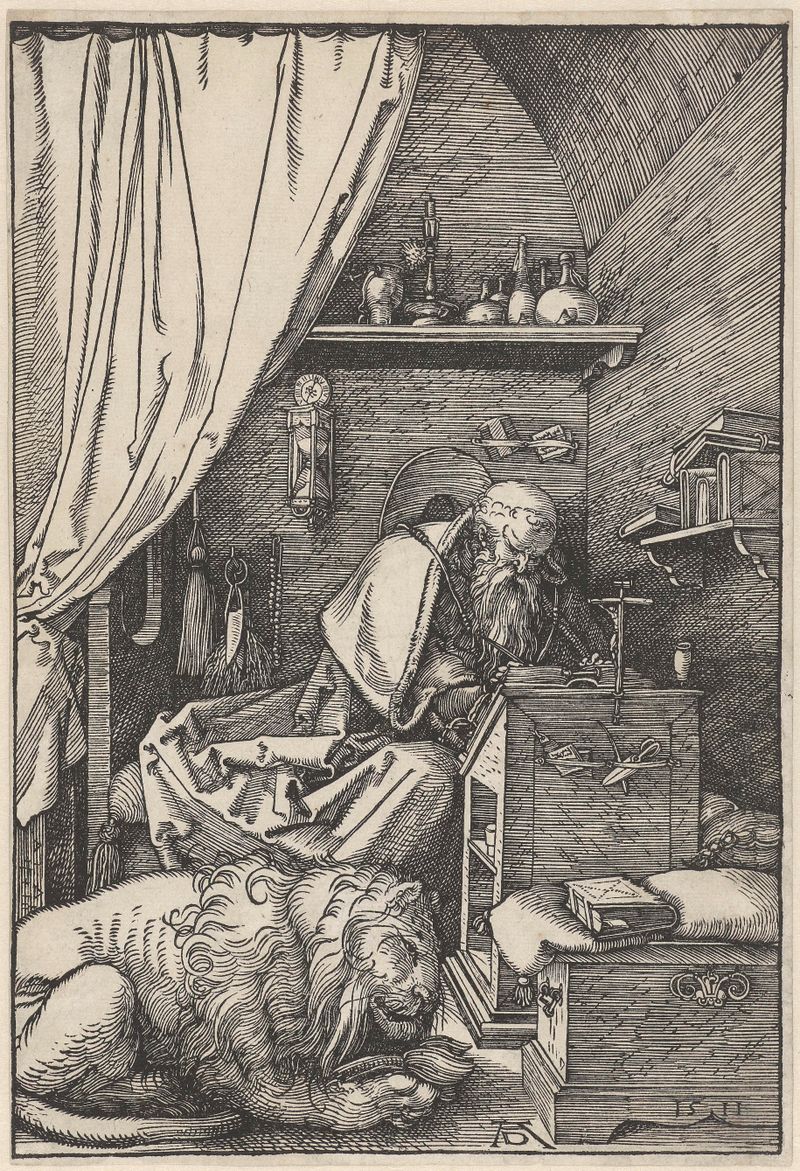
De Heilige Hiëronymus in zijn studeervertrek
Albrecht Dürer
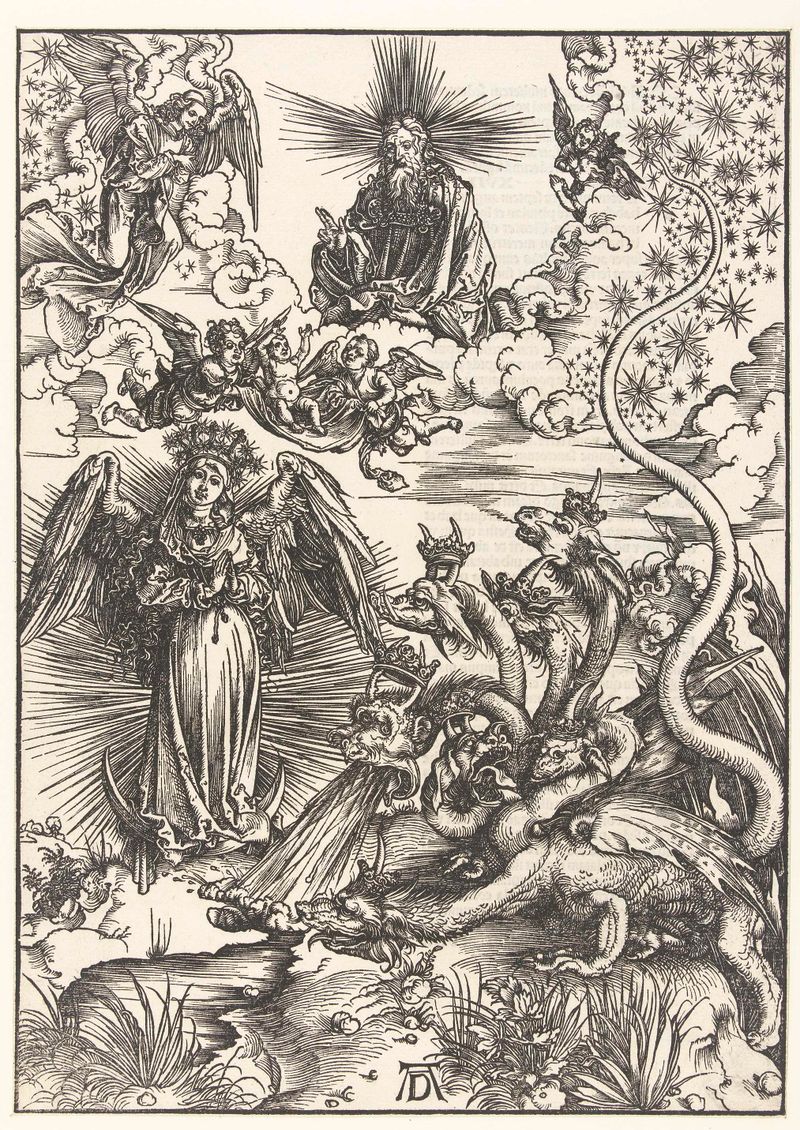
De apocalyptische vrouw en de zevenkoppige draak
Albrecht Dürer
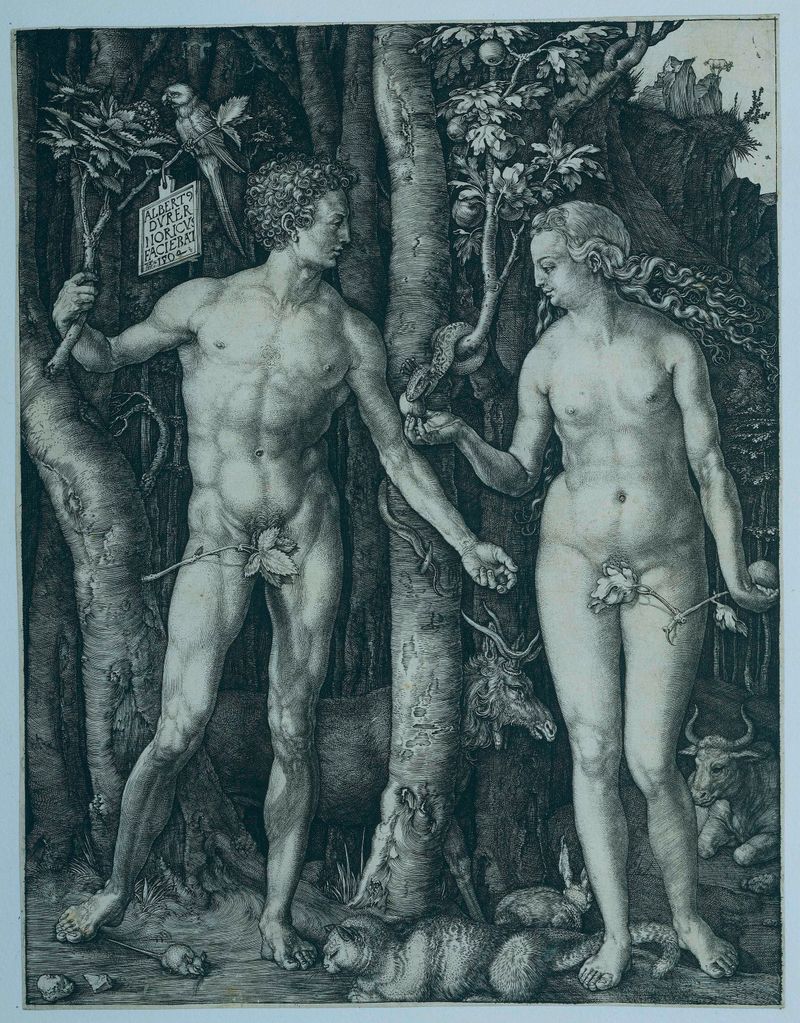
Adam en Eva
Albrecht Dürer
More Religious Art
Browse all →
The Return of the Prodigal Son
Rembrandt van Rijn

The Garden of Earthly Delights
El Bosco

Count Orgaz’ funeral
El Greco

The Hundred Guilder Print: the central piece with Christ preaching, the plate arched
Rembrandt van Rijn

The Descent from the Cross
Rogier van der Weyden

The return of the prodigal son
Rembrandt van Rijn