
Voetwassing, Christus op de Olijfberg, Gevangenneming, Christus voor Annas — History & Facts
Who listens when art speaks of silence? Within the realm of melancholy, every brushstroke echoes the unseen sorrows of the human soul. Begin your journey by focusing on the central figure in Voetwassing: the stark, pale visage of Christ, undisturbed amid a sea of turmoil. Notice how the delicate interplay of light and shadow carves out his features, imbuing the moment with an ethereal glow. The surrounding figures, rendered in rich, deep hues, draw attention to the sacrificial gesture of foot-washing, a profound act of humility that stands in contrast to the looming darkness of betrayal. Amidst this dramatic tension, small details beckon deeper contemplation.
The expressions of the observers, a mix of reverence and disdain, contrast sharply with Christ's tranquil demeanor, illustrating the complex dynamics of faith and doubt. The choice of a muted palette evokes a sense of solemnity, encapsulating both the weight of the moment and the inevitability of sacrifice. Each figure embodies the emotional struggle between devotion and despair, enriching the narrative that unfolds on the canvas. Created between 1508 and 1510, this work emerged during a transformative period in Dürer's life, as he sought to meld Northern Renaissance rigor with emerging Italian influences.
In Nuremberg, the artist was grappling with both personal introspection and broader societal shifts, reflecting the tensions of a rapidly changing world. This painting solidifies his place in art history, bridging the sacred and the human experience, resonating with viewers across time.
More Artworks by Albrecht Dürer
Browse all →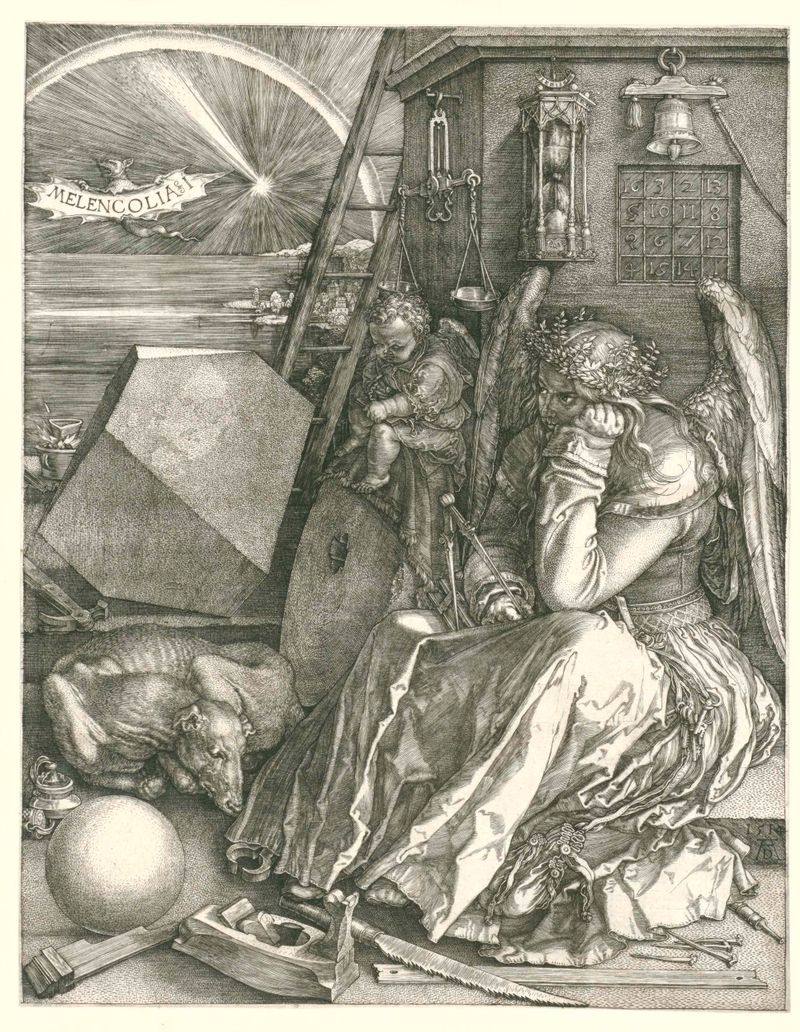
Melancholia
Albrecht Dürer
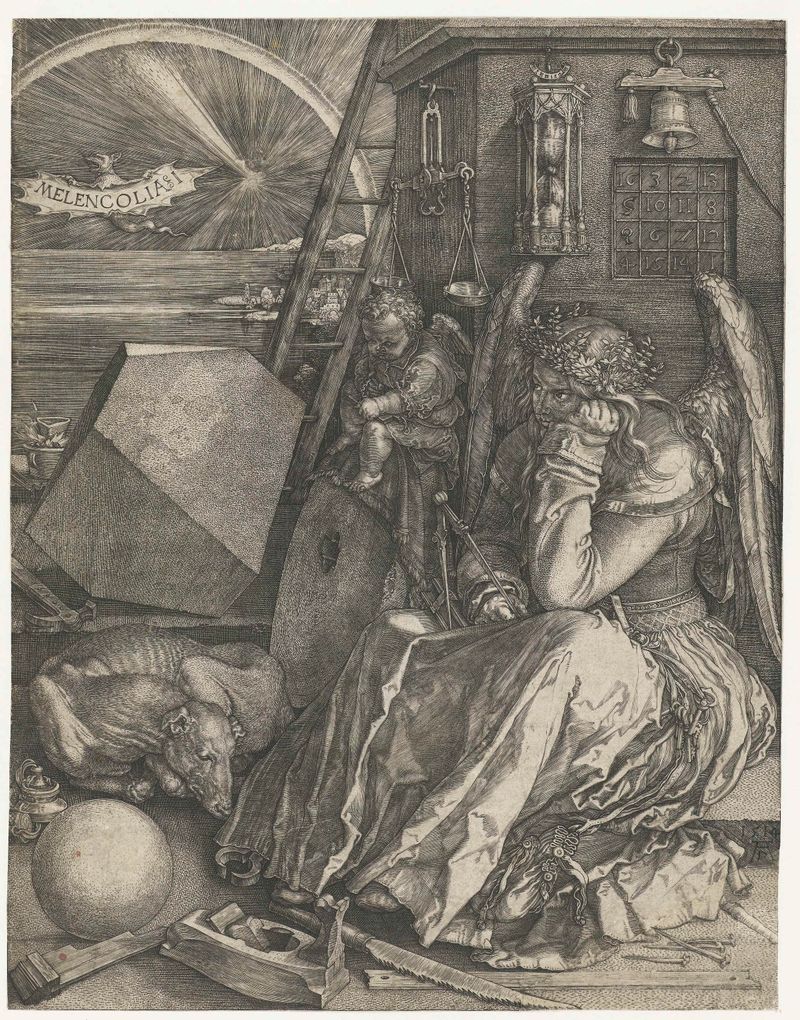
Melancholie
Albrecht Dürer
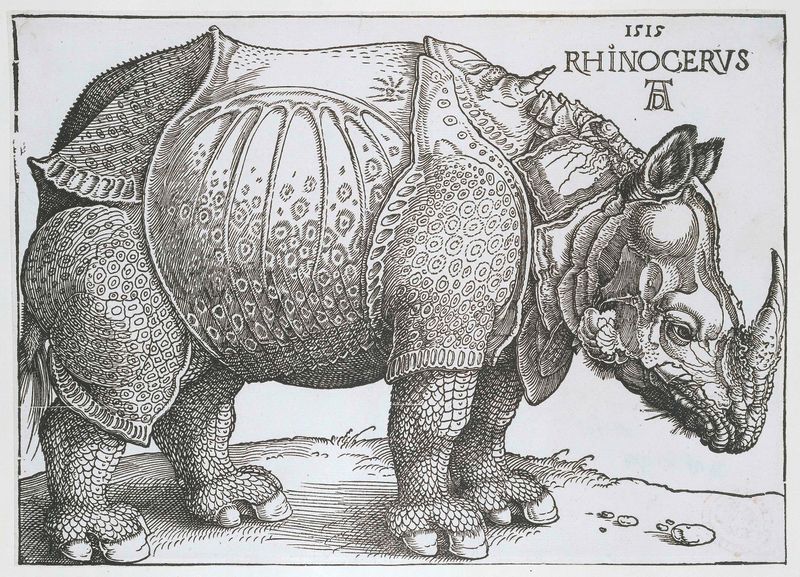
Neushoorn
Albrecht Dürer
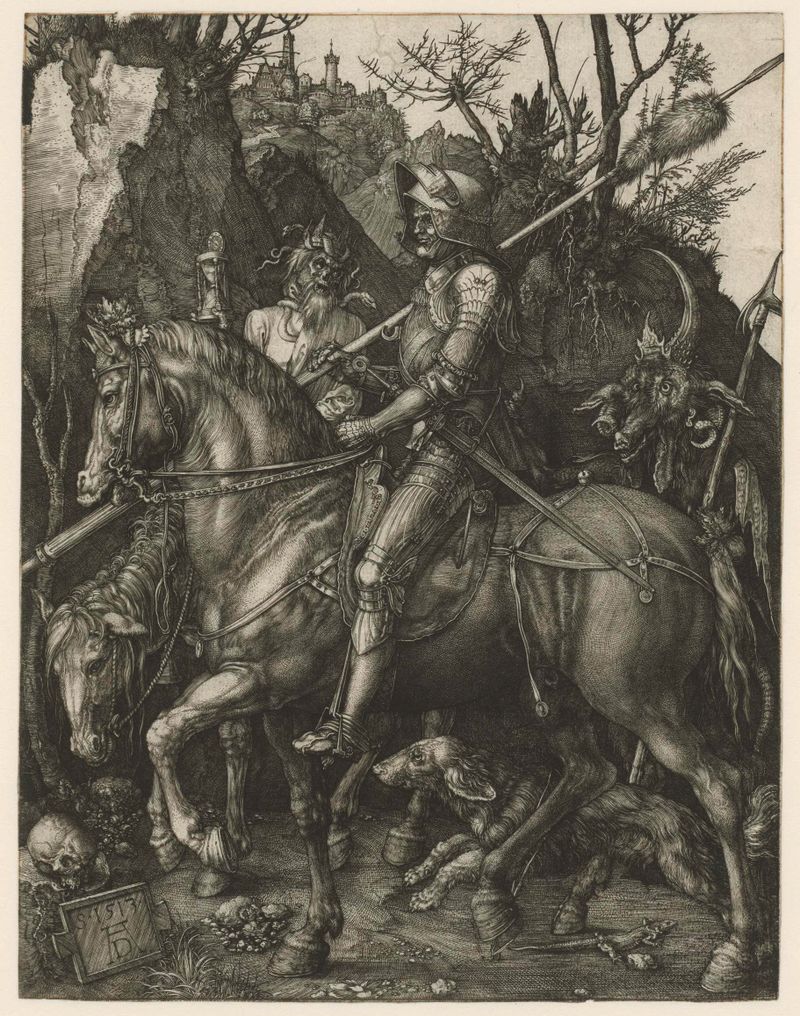
Knight, Death, and the Devil
Albrecht Dürer

De vier ruiters van de apocalyps
Albrecht Dürer
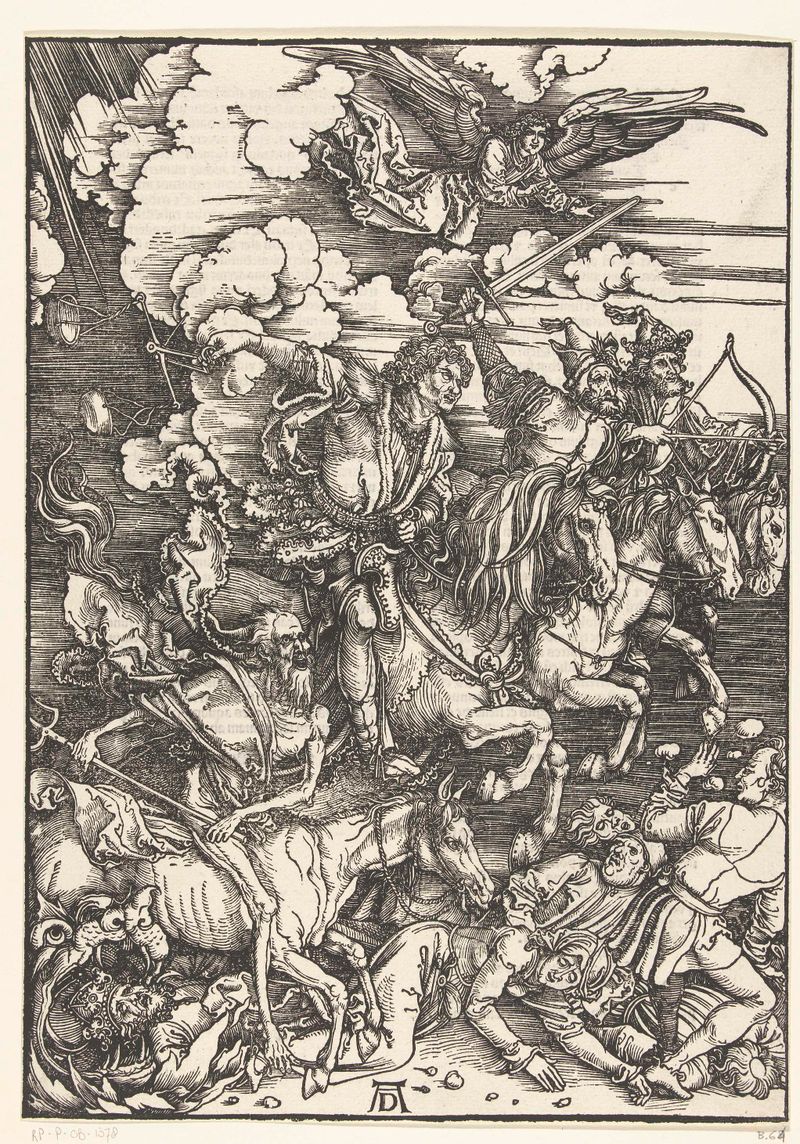
De vier ruiters van de apocalyps
Albrecht Dürer
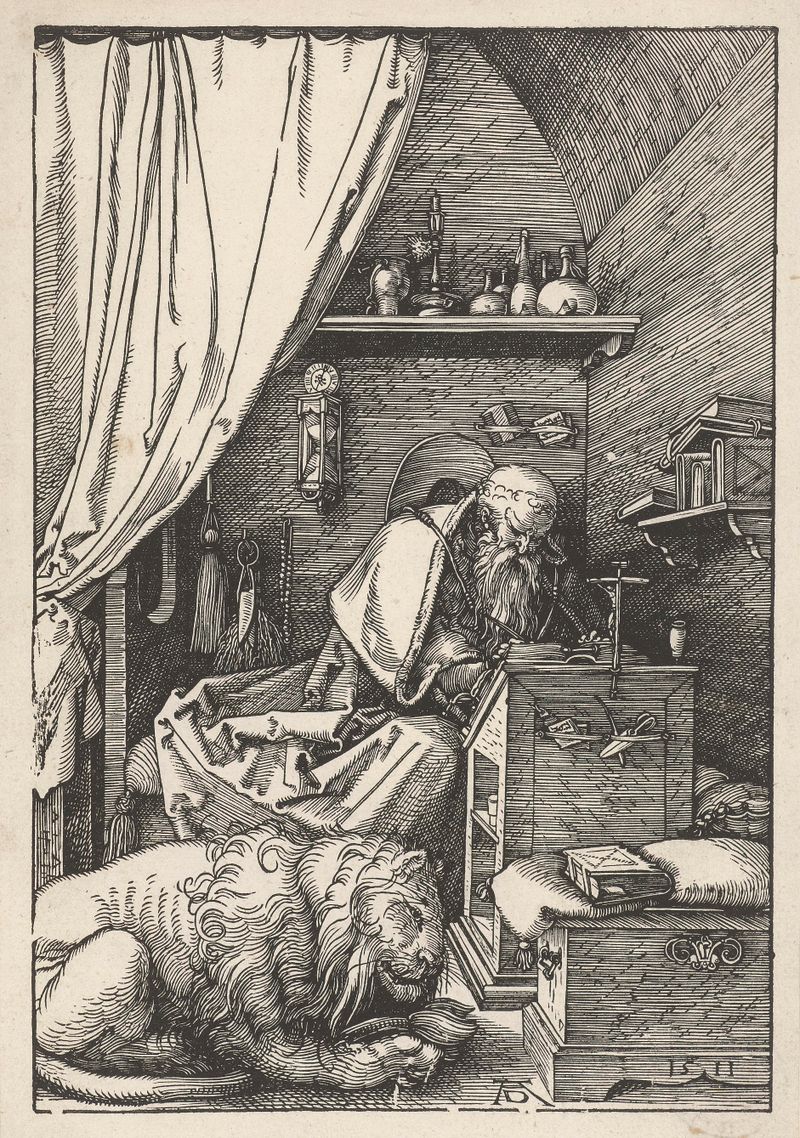
De Heilige Hiëronymus in zijn studeervertrek
Albrecht Dürer
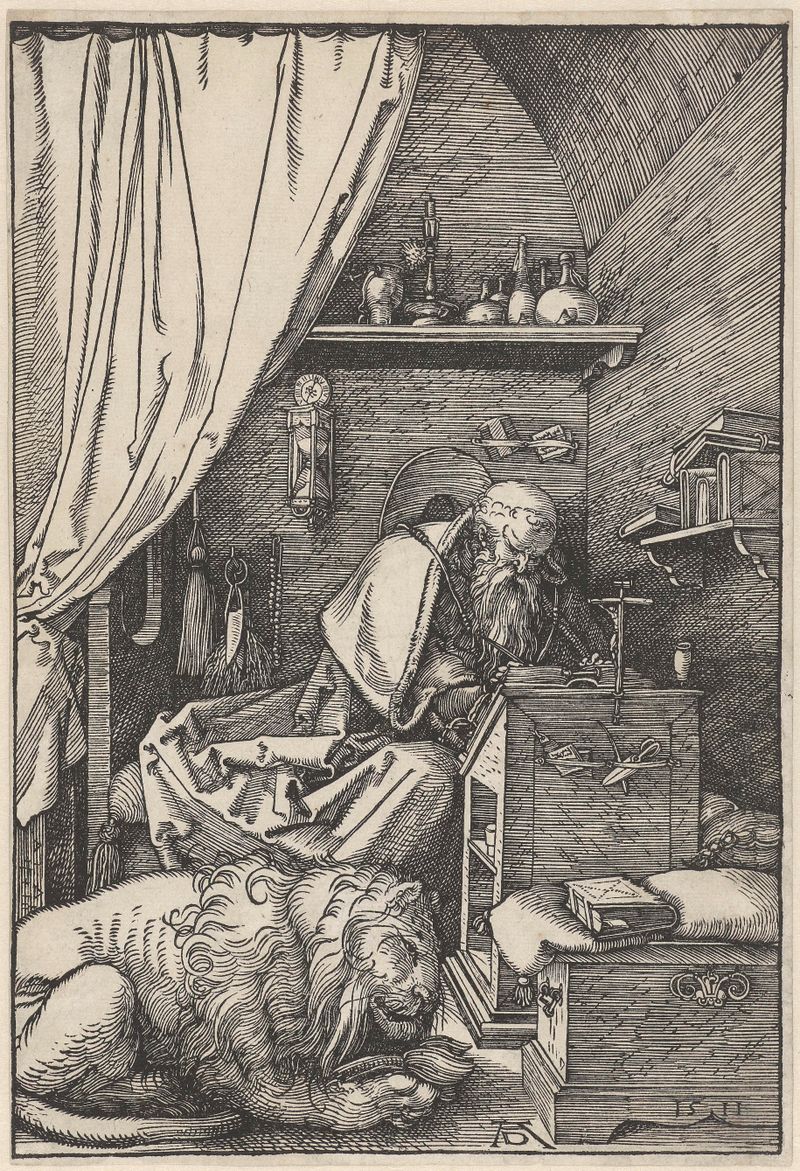
De Heilige Hiëronymus in zijn studeervertrek
Albrecht Dürer
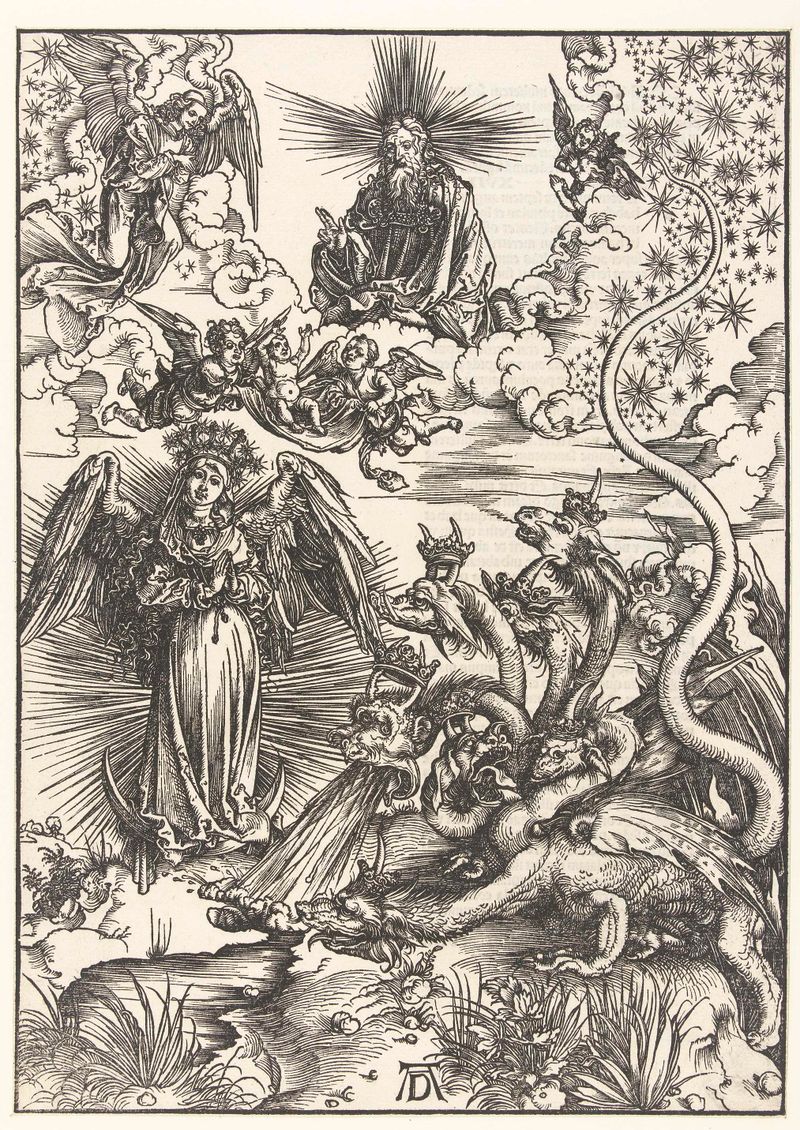
De apocalyptische vrouw en de zevenkoppige draak
Albrecht Dürer
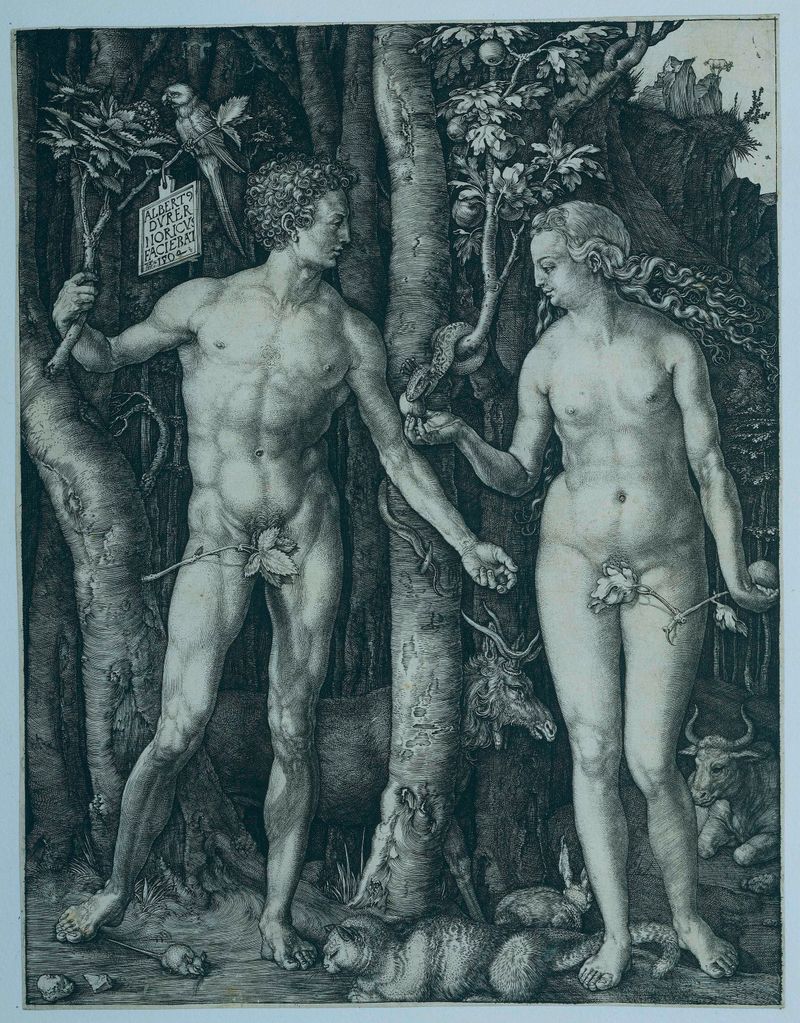
Adam en Eva
Albrecht Dürer
More Religious Art
Browse all →
The Return of the Prodigal Son
Rembrandt van Rijn

The Garden of Earthly Delights
El Bosco

Count Orgaz’ funeral
El Greco

The Hundred Guilder Print: the central piece with Christ preaching, the plate arched
Rembrandt van Rijn

The Descent from the Cross
Rogier van der Weyden

The return of the prodigal son
Rembrandt van Rijn