
Vorgebirgslandschaft (study) — History & Facts
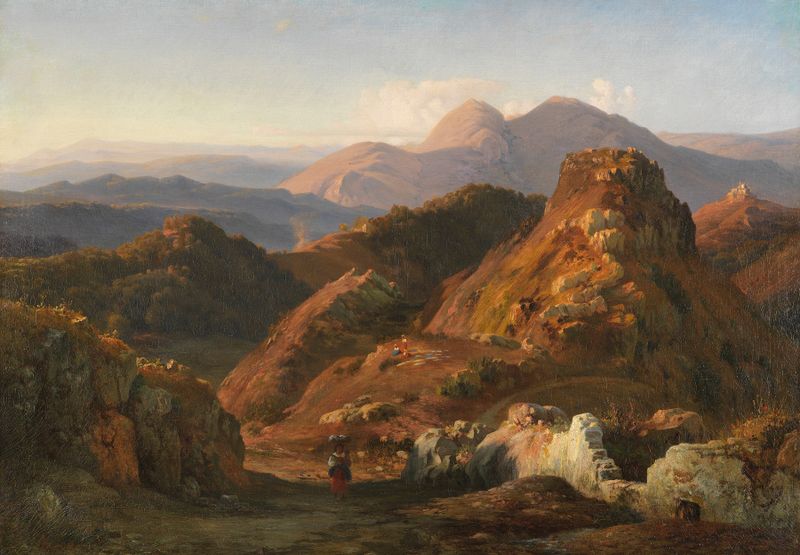
Who listens when art speaks of silence? In Vorgebirgslandschaft (study), nature's serene beauty embodies a divine quietude, inviting the viewer to contemplate the whispers of the landscape. Look to the foreground, where soft greens and earthy browns intertwine, leading your eye toward gentle hills that rise and fall like breaths of a sleeping giant. Notice how the light filters through the delicate strokes, illuminating the undulating terrain and casting a tranquil glow on the distant peaks. The subtle layers of pigment create a harmonious blend, evoking a sense of depth that draws you into this peaceful world. As your gaze wanders, consider the contrasts embedded in this work: the rough texture of the foreground juxtaposed with the smooth, ethereal hues of the sky.
Each stroke captures an essence of stillness, yet there is an underlying tension between the lively vegetation and the calmness of the horizon. This duality speaks to the divine nature of creation, where life flourishes in silence, awaiting our recognition. In 1836, Louis Gurlitt painted this work during a time of personal introspection as he sought to define his artistic voice amidst the burgeoning Romantic movement in Europe. The tranquility of the scenery reflects not only his fascination with nature but also a broader cultural yearning for connection with the sublime.
As artists began to explore emotional landscapes, Gurlitt’s study stands as a testament to the profound dialogue between man and the divinity of nature.
More Artworks by Louis Gurlitt
Browse all →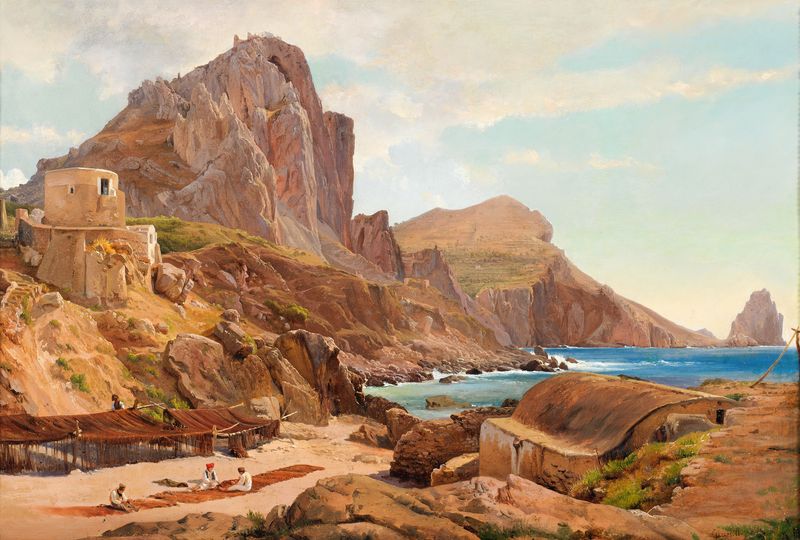
Marina Piccola, Capri
Louis Gurlitt
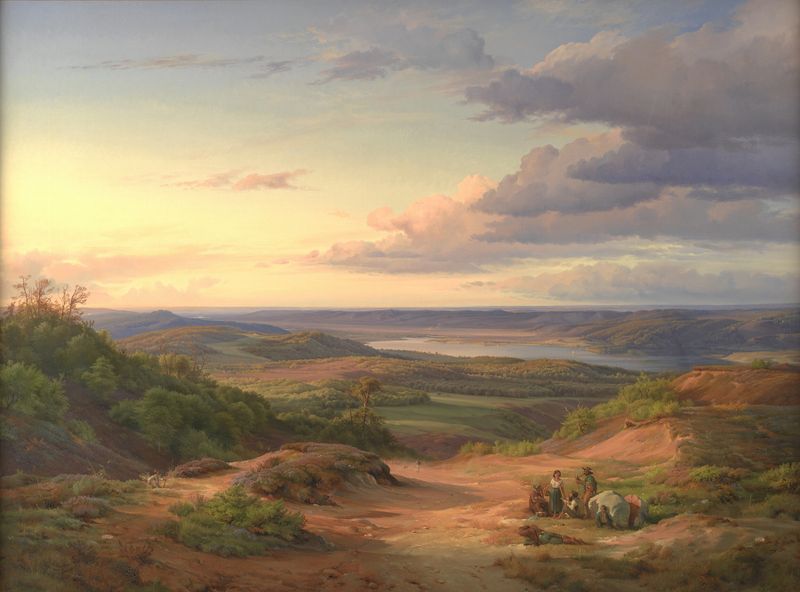
A Landscape near Himmelbjerget, Jutland. In the Foreground a Gypsy Family
Louis Gurlitt
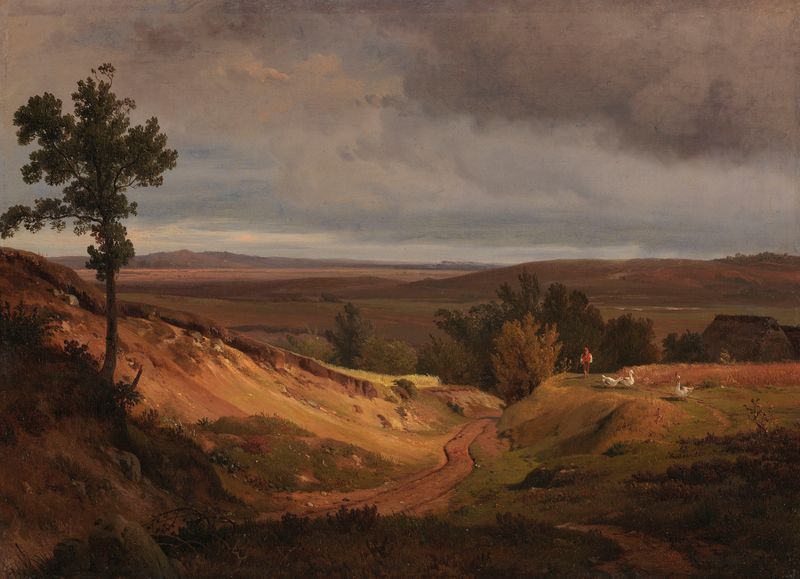
Heidelandschaft bei Silkeborg in Jütland, Dänemark
Louis Gurlitt
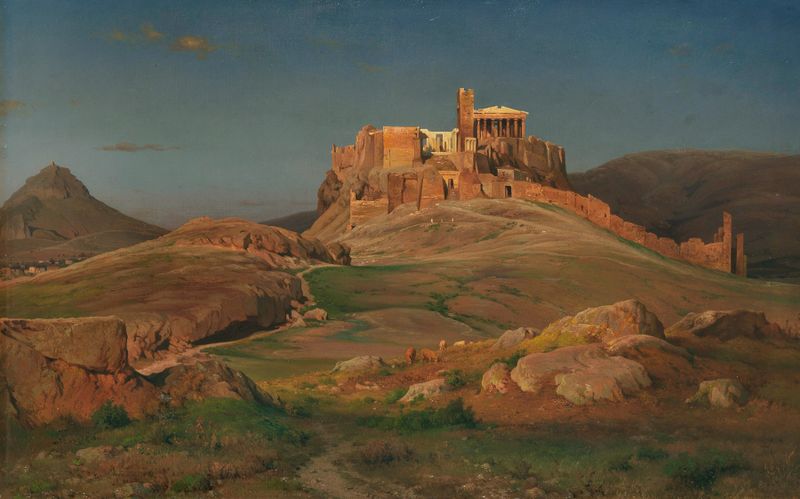
Die Akropolis im Abendlicht
Louis Gurlitt
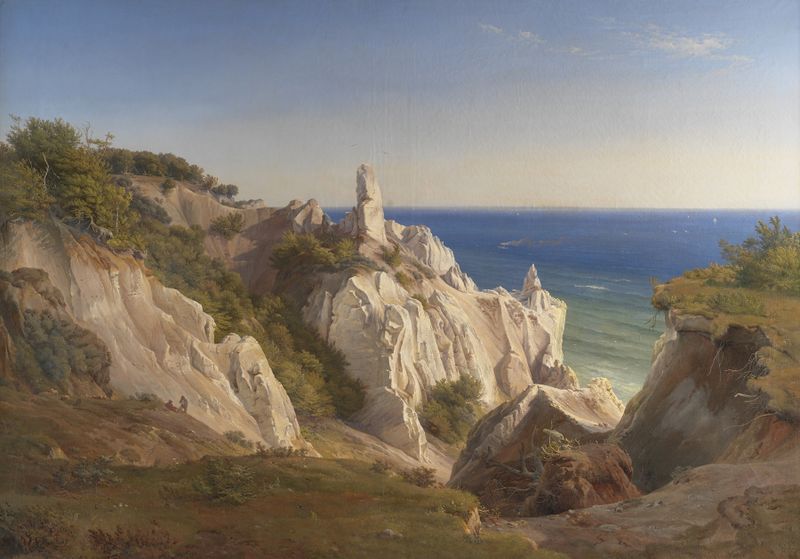
The Cliffs of the Island of Møn
Louis Gurlitt
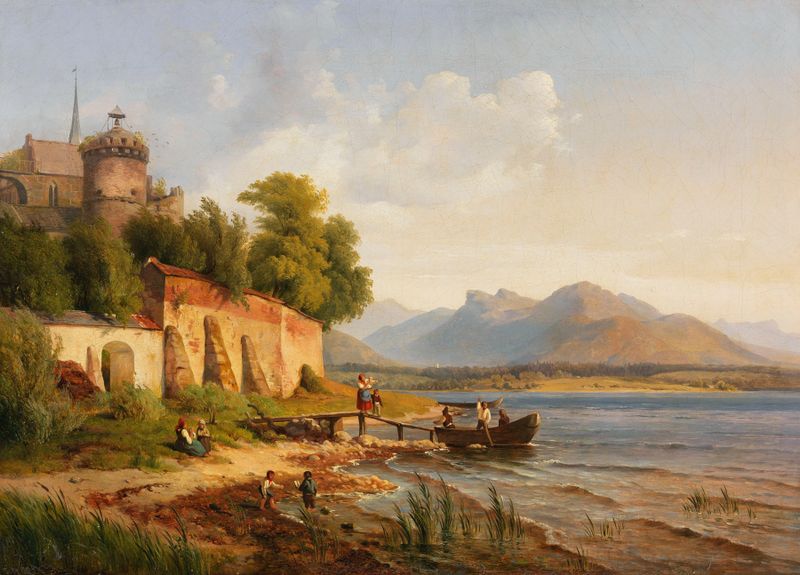
Oberitalienische Küstenlandschaft mit Figurenstaffage
Louis Gurlitt
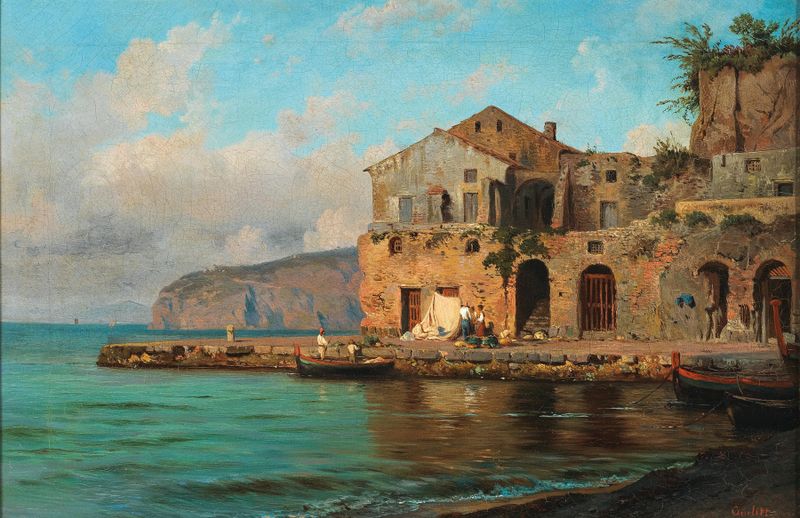
On the Coast of Sorrento
Louis Gurlitt
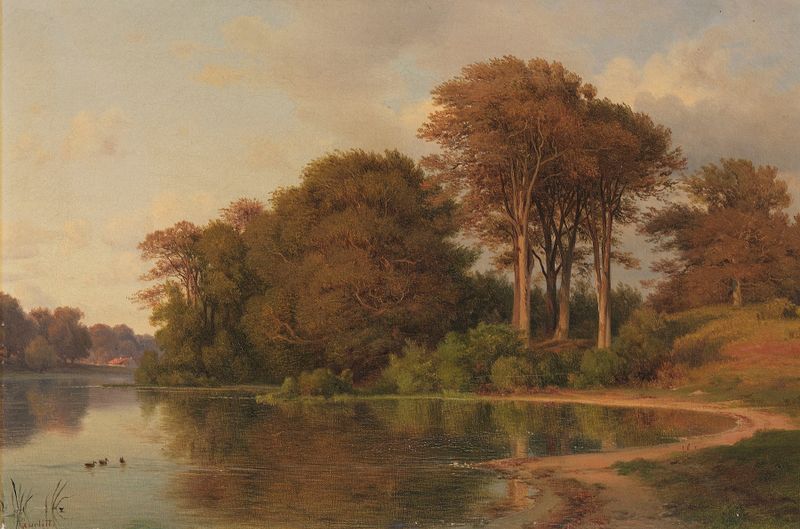
Sommerlandschaft mit Seeufer
Louis Gurlitt
Abendstimmung in den Albaner Bergen
Louis Gurlitt
Tyrolean Landscape. Study
Louis Gurlitt





