
Vorstadt VI — History & Facts
Where does light end, and longing begin? In Vorstadt VI, the interplay of illumination and shadow invites an exploration of faith and the human experience. Look to the center of the canvas, where a soft golden light spills into a quiet suburban street, casting elongated shadows that stretch towards the viewer's perspective. The delicate brushwork conveys a sense of reverie, while muted pastel tones create a nostalgic ambiance. Notice how the horizon blurs, merging the earthly and the ethereal—a moment suspended in time, resonating with both the mundane and the sacred. As you delve deeper, observe the subtle contrasts between the vibrancy of the light and the coolness of the shadows.
These tonal shifts embody the tension of hope and despair, suggesting the duality of existence. The silhouettes of houses stand stoic against the backdrop, evoking a sense of isolation amid the warmth of the scene. Each detail—an open window, a flickering lamp—whispers stories of longing, urging the viewer to uncover the silent narratives of the lives that unfold within. Created in 1926, this artwork emerged during a transformative period for Karl Wiener, who was navigating the complexities of modernism in post-war Europe.
Living in Vienna, he was influenced by the socio-political changes of his time, reflecting a blend of optimism and uncertainty in his work. The era’s embrace of new ideas in art paralleled his exploration of light and space, allowing him to capture a moment that resonates with both the tranquil and the tumultuous aspects of life.
More Artworks by Karl Wiener
Browse all →
Österreich
Karl Wiener

Vorstadt VII
Karl Wiener

Der Turm
Karl Wiener

Ohne Titel (Häuser mit Holzscheune)
Karl Wiener

Kopfstudie, aus; ‘Profile’, 10 Blätter, Graz XV
Karl Wiener

Steinberg
Karl Wiener
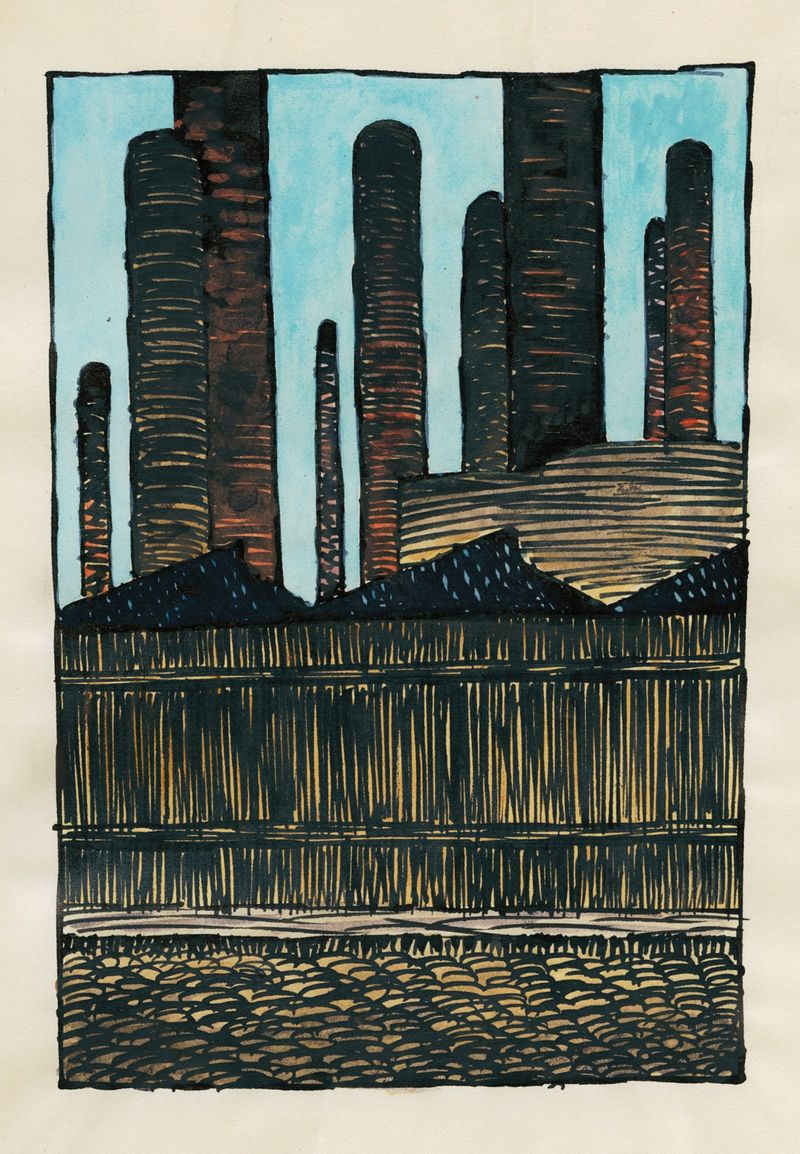
Kopfstudie, aus; ‘Profile’, 10 Blätter, Graz XIV
Karl Wiener

Ohne Titel (Bauernhaus mit Vorgarten)
Karl Wiener
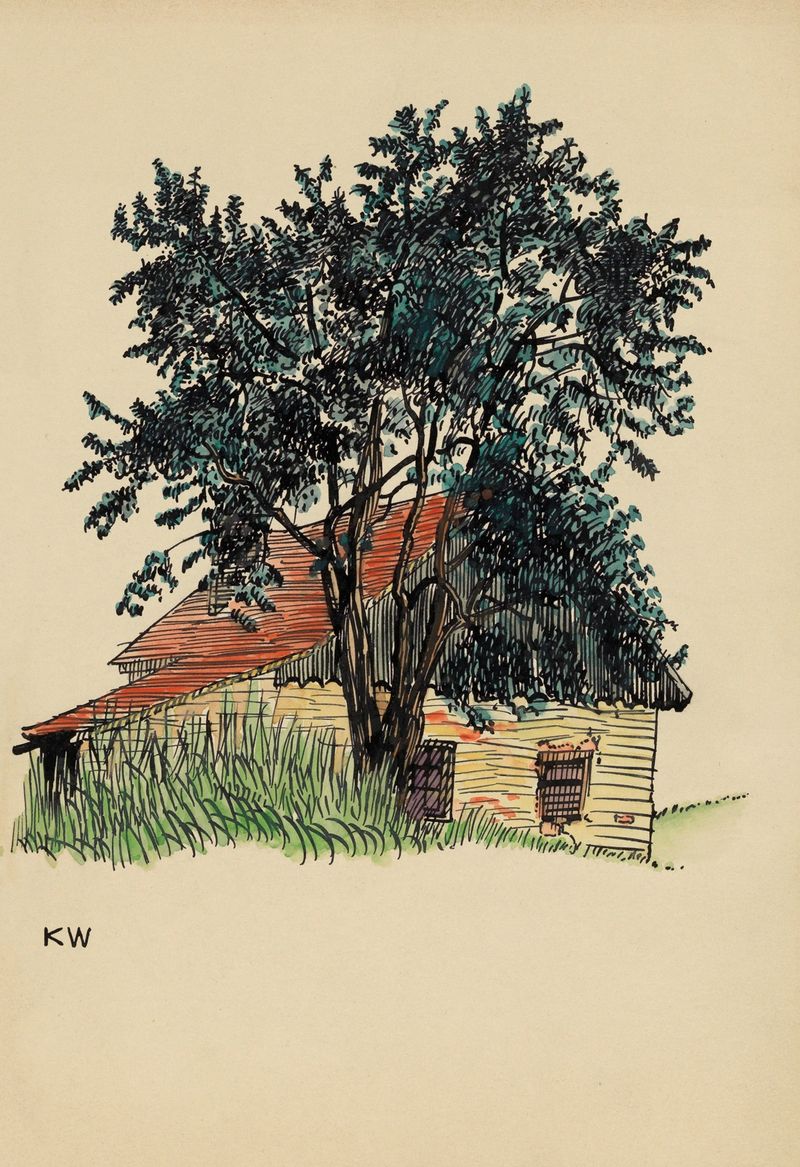
Ohne Titel (Bauernhaus)
Karl Wiener
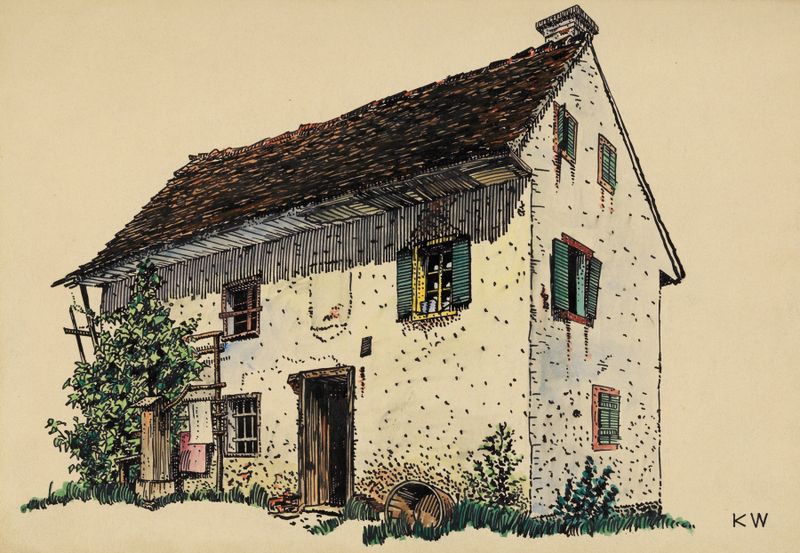
Ohne Titel (Bauernhaus)
Karl Wiener





