Vrouw bij een kerk — History & Facts
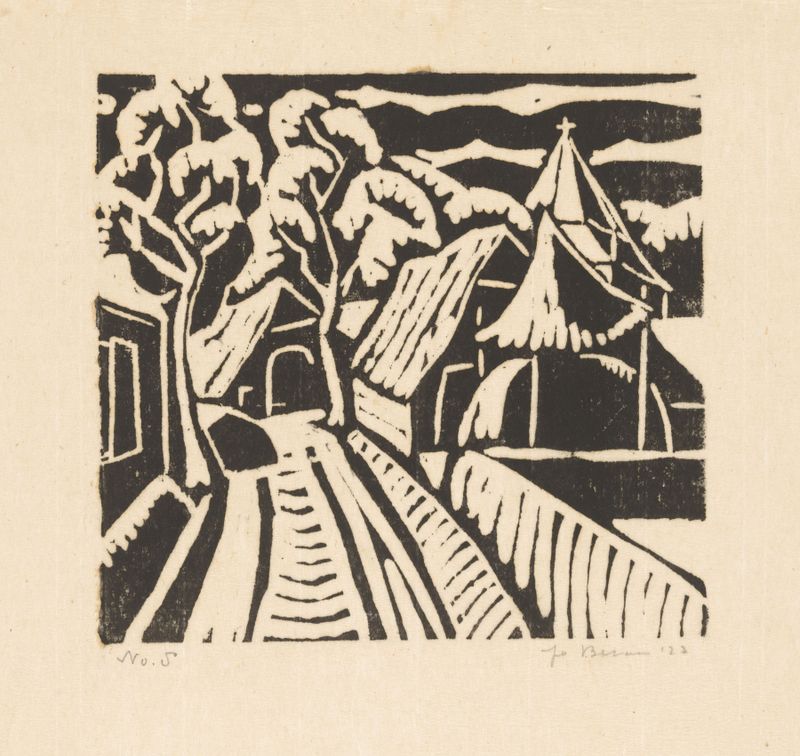
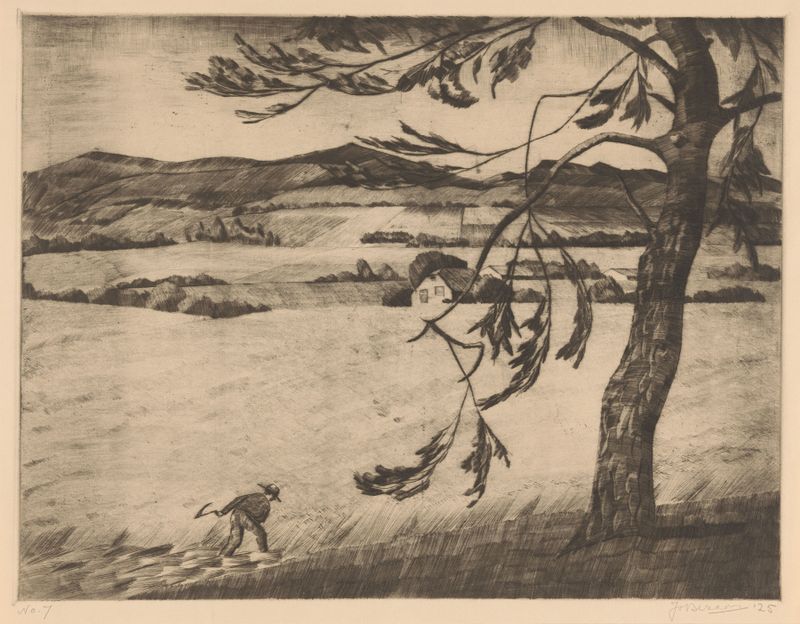
What secret hides in the quiet of the canvas? The stillness of the moment beckons us to peer deeper into the layers of life captured in this exquisite piece. Look to the left; a solitary woman stands near a modest church, her presence both pivotal and poignant. The warm hues of ochre and soft blues create a serene harmony, while the light gently caresses the building’s stony façade, casting delicate shadows that dance across the ground. Notice how the artist balances the composition; the church looms as a steadfast guardian, while the figure, slightly stooped, suggests a connection to both faith and solitude, drawing the viewer's eye with her contemplative posture. Delve into the emotional undertones at play.
The church, a symbol of communal support, contrasts sharply with the woman’s isolation. Her quiet stance evokes questions of identity and belonging, suggesting a rich inner world that remains unspoken. The interplay of light symbolizes hope, yet the muted palette hints at unfulfilled longing, leaving the audience grappling with the complexities of faith and solitude in a changing world. Jo Bezaan painted this work in 1925, a time of significant social and artistic transition in the Netherlands.
Emerging from the shadows of World War I, artists sought to redefine their narratives in a world that felt both uncertain and ripe for exploration. This piece reflects Bezaan's introspection amidst the evolving landscape of European art, where traditional forms met modernist influences, inviting viewers to contemplate the intersection of personal and collective experiences.