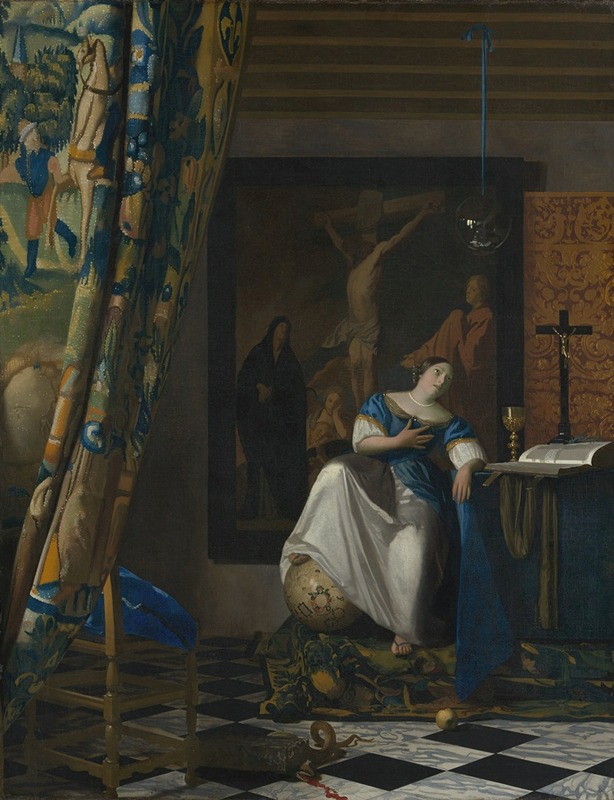
Vrouw en de Dood — History & Facts
Can paint confess what words never could? In Vrouw en de Dood, a delicate interplay of light and shadow reveals a poignant encounter between life and mortality, drawing the viewer into a realm of unspoken emotions. Look to the left at the figure of the woman, her expression a compelling blend of resignation and defiance. Notice how the soft light falls on her face, illuminating the delicate features that capture both beauty and sorrow. The stark contrast of the dark figure of Death, looming in the background, accentuates the emotional gravity of the scene, creating a visual tension that holds the viewer’s gaze.
The muted palette, dominated by earthy tones, enhances the somber atmosphere while allowing the subtle details of the woman's attire—a reminder of her earthly existence—to emerge with quiet grace. Within this composition lies a profound commentary on the inevitability of death. The delicate gesture of the woman, as she reaches toward Death yet clings to life, evokes a silent struggle between acceptance and fear. The juxtaposition of their forms—the vibrancy of the woman against the skeletal presence of Death—underscores the fragility of life.
Each brushstroke speaks to the emotional weight of this encounter, inviting introspection on the transient nature of existence and the universal confrontation with our mortality. Hans Sebald Beham painted Vrouw en de Dood in 1541, during a time when the Northern Renaissance was blooming with intricate detail and complex symbolism. As a printmaker and painter in Nuremberg, Beham was influenced by the prevailing themes of humanism, reflecting the societal uncertainties of his era, including the fear of death amidst the Reformation. This work encapsulates his exploration of profound subjects through a lens of emotional depth and technical mastery, positioning him as a key figure in the dialogue of Renaissance art.
More Artworks by Hans Sebald Beham
Browse all →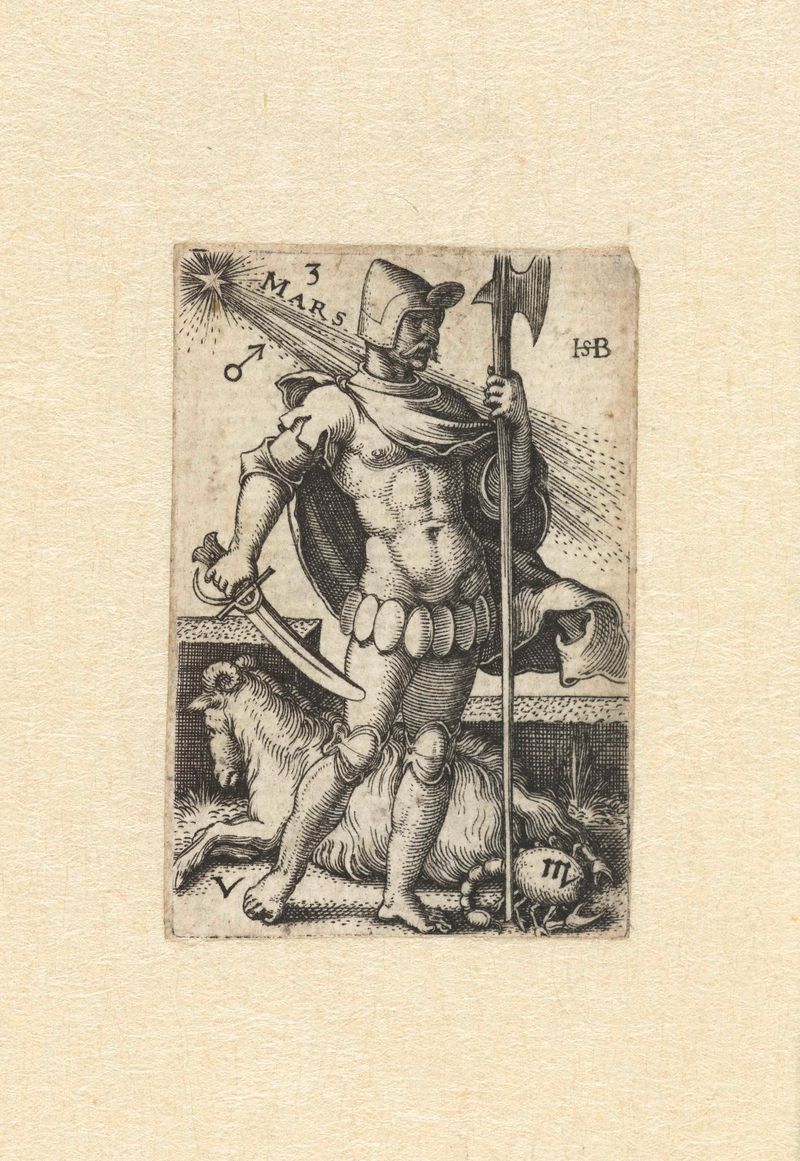
Mars met sterrenbeelden Ram en Schorpioen
Hans Sebald Beham

Achilles in gevecht met Hector
Hans Sebald Beham
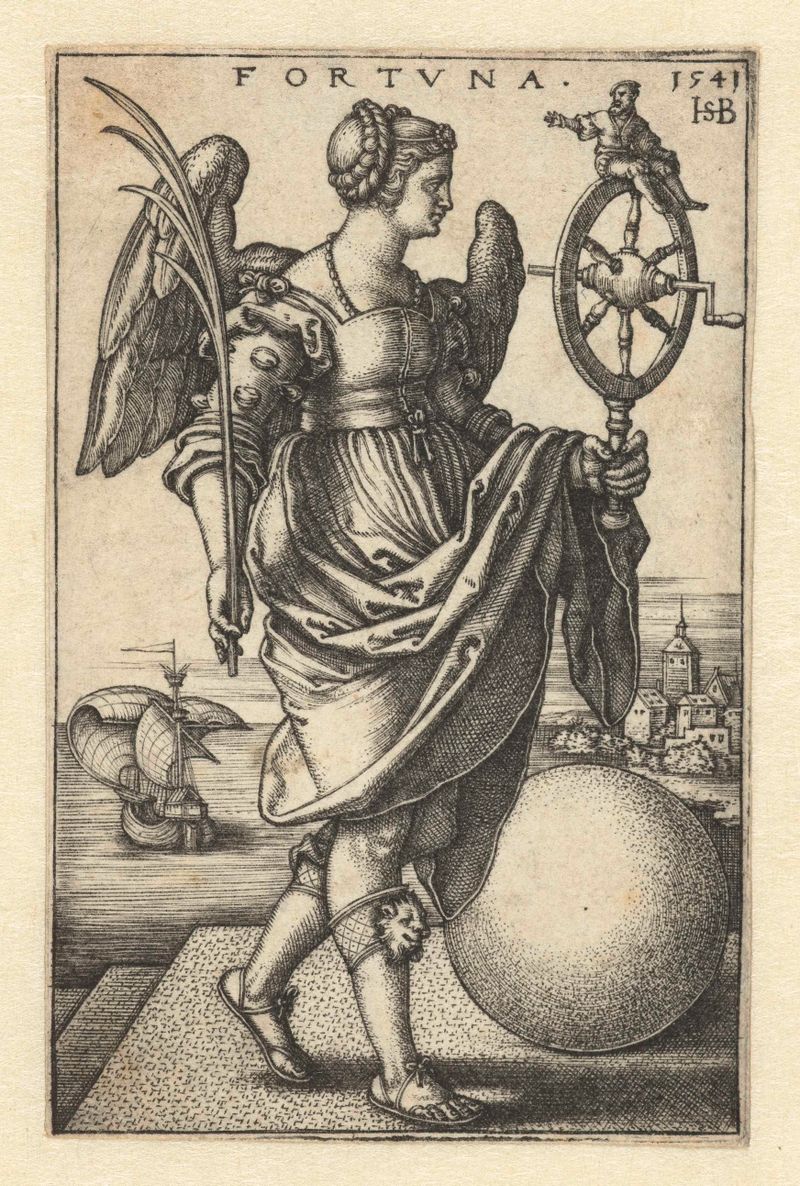
Fortuna
Hans Sebald Beham

Hercules worstelt met Antaeus
Hans Sebald Beham

Twee muzikanten met schalmey en doedelzak
Hans Sebald Beham

Voorzichtigheid (Prudentia)
Hans Sebald Beham

Hercules in gevecht met de Trojanen
Hans Sebald Beham
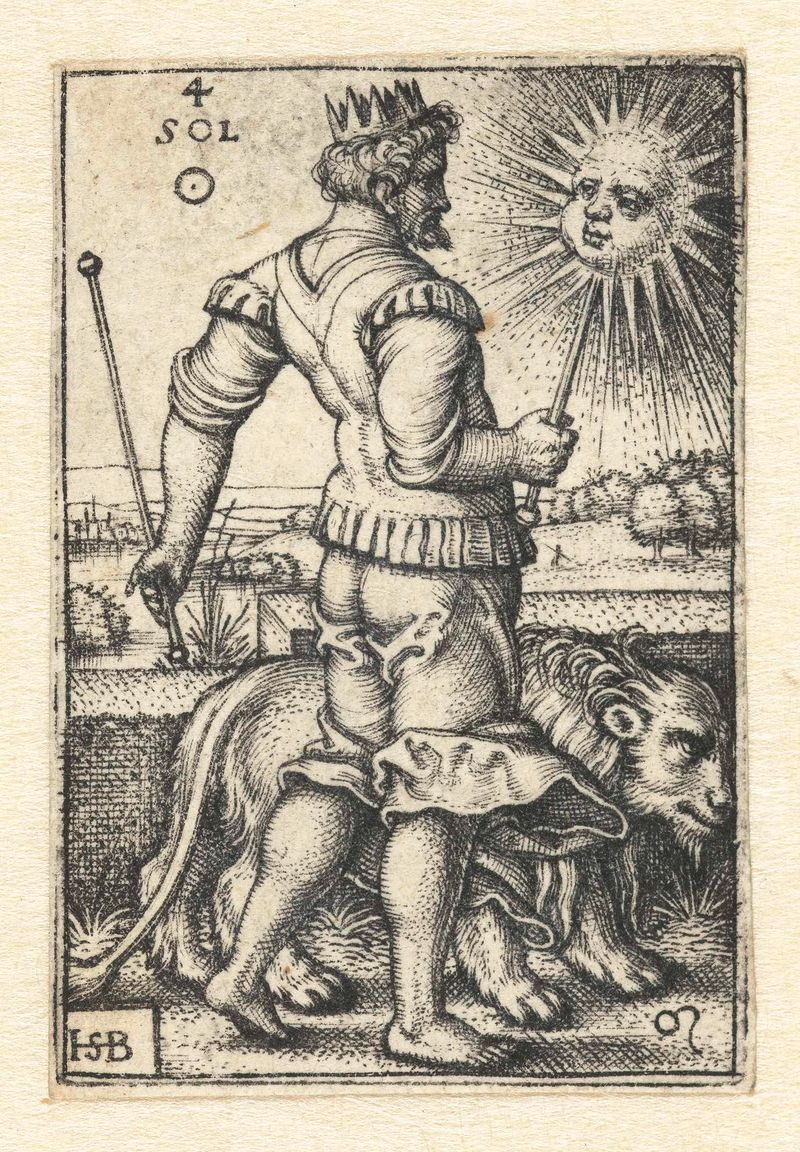
Apollo (Sol) met sterrenbeeld Leeuw
Hans Sebald Beham
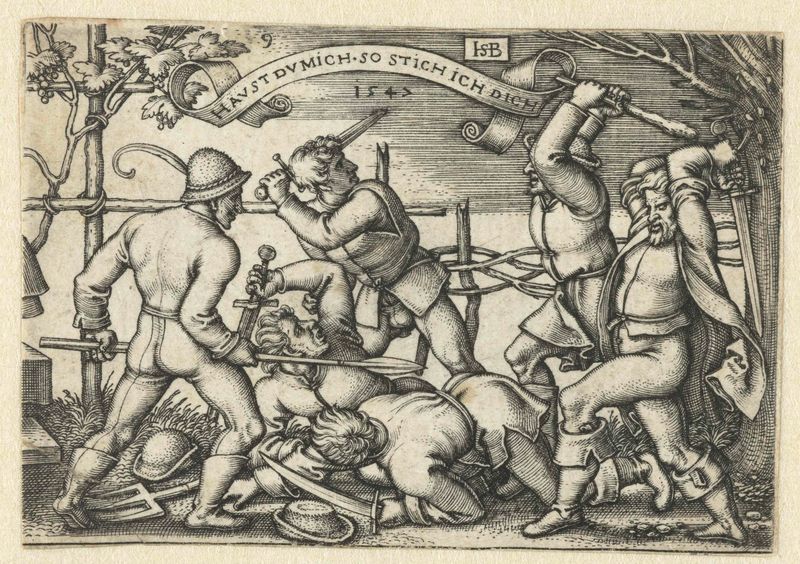
Vechtende boeren met zwaarden
Hans Sebald Beham
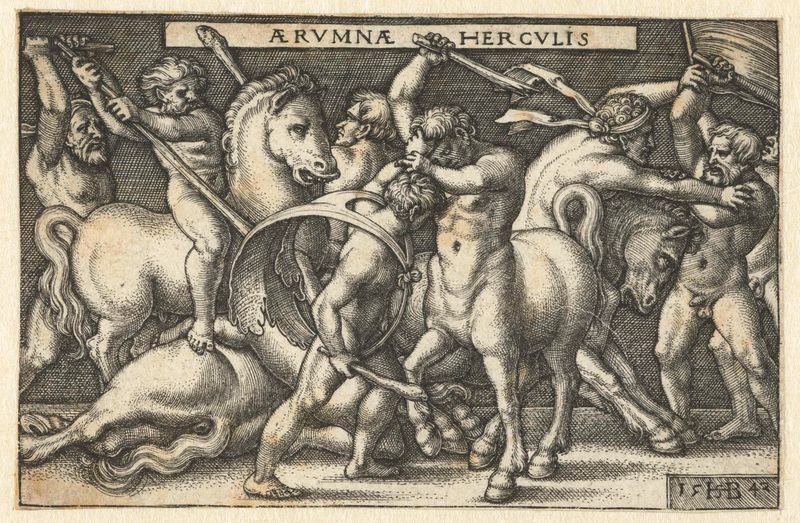
Hercules in gevecht met centaurs
Hans Sebald Beham