Vétheuil — History & Facts
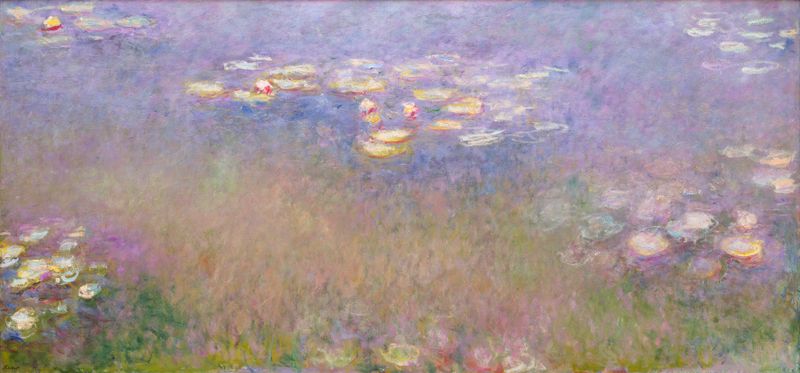
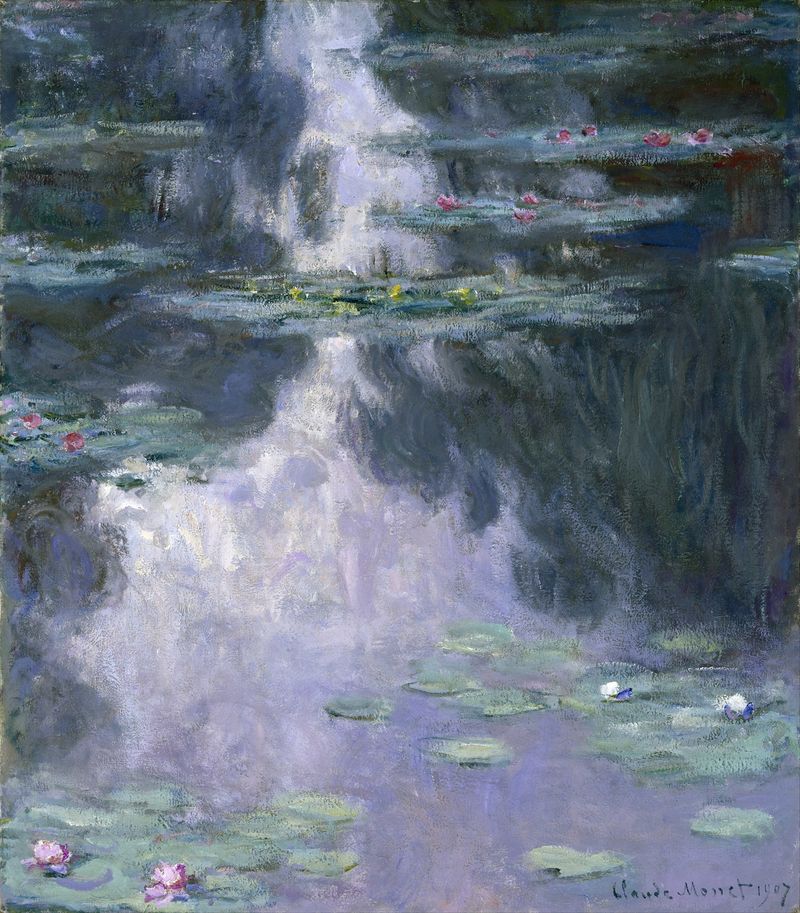
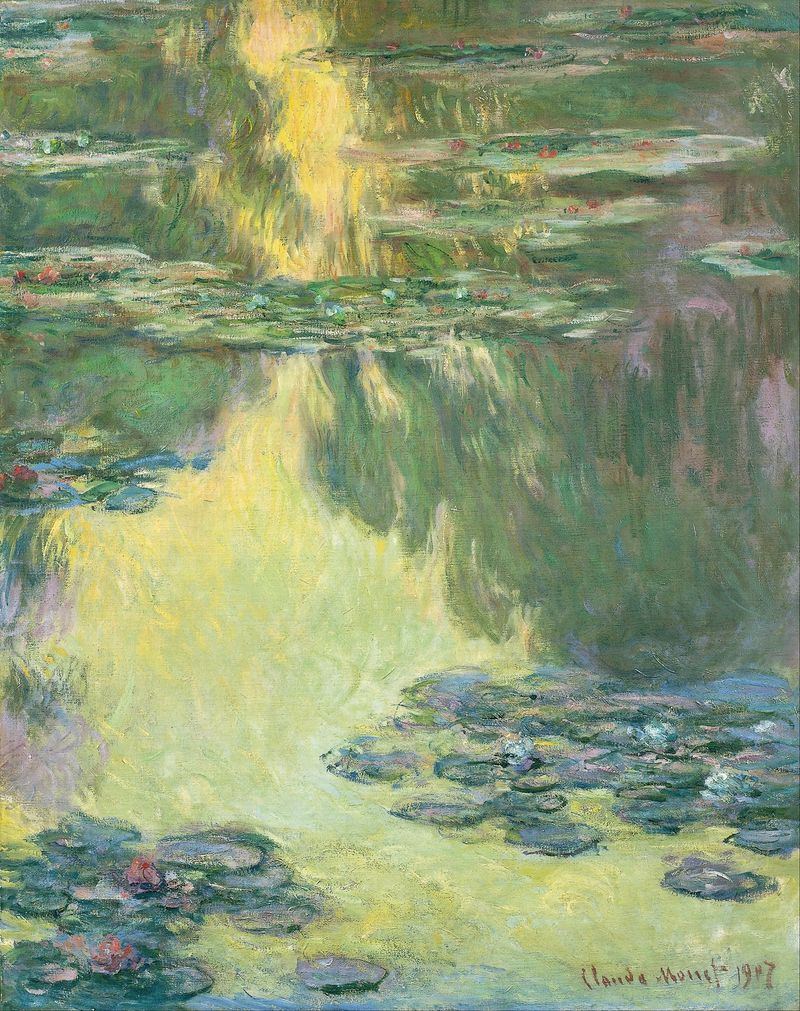
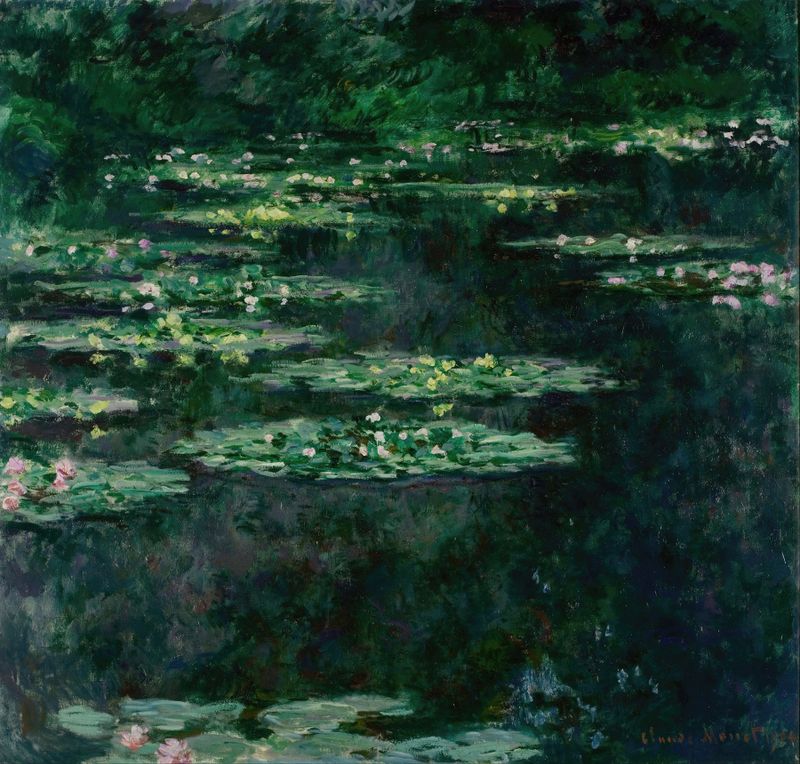
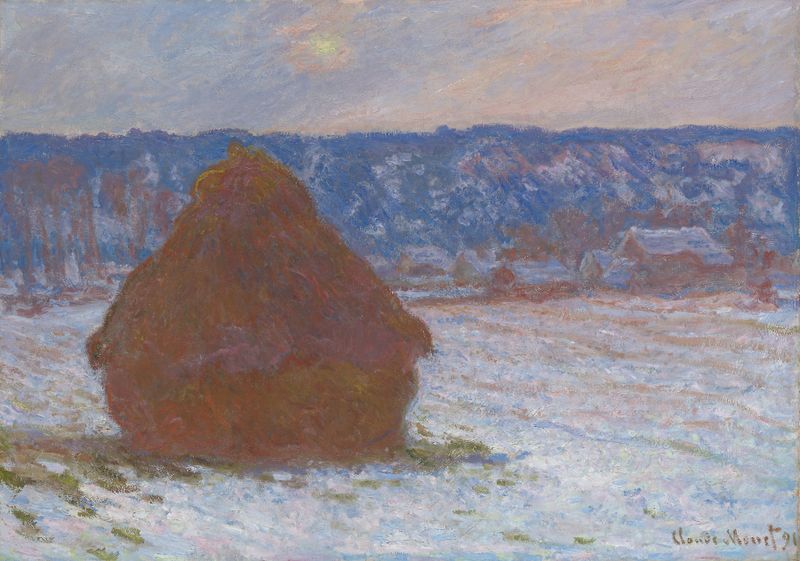
Could beauty survive in a century of chaos? Amidst the swirling uncertainties of the early 1900s, a subtle longing for tranquility emerges through the gentle strokes of this work. The yearning for a serene escape beckons from every corner of the canvas, inviting the viewer into a realm where nature reigns supreme. Look to the left at the tranquil river, its surface glistening under the soft embrace of natural light. The brushwork reveals a rhythmic dance of colors, where blues and greens intermingle with gentle hints of lavender, creating a harmonious scene.
Notice how Monet’s technique captures the ephemeral nature of light, allowing it to play across the water and the surrounding trees. The composition draws the eye through layers of foliage and reflections, guiding the viewer's gaze deeper into this idyllic world. Yet beneath the serene beauty lies a profound tension, as the painting hints at the desire for solace amid an increasingly tumultuous reality. The stillness of the water contrasts sharply with the uncertainty of the world outside this peaceful haven.
The subtle interplay of light and shadow suggests a fleeting moment, an invitation to pause and reflect on the inner turmoil that often accompanies such beauty. In 1901, Monet painted this piece during a time of personal struggle, as he grappled with the loss of his beloved wife and the onset of modernity that threatened the tranquility he cherished. Working in Vétheuil, a village that had become a refuge for him, he sought to capture the essence of a changing world while clinging to the moments of beauty and desire that nature offered.