Vétheuil — History & Facts
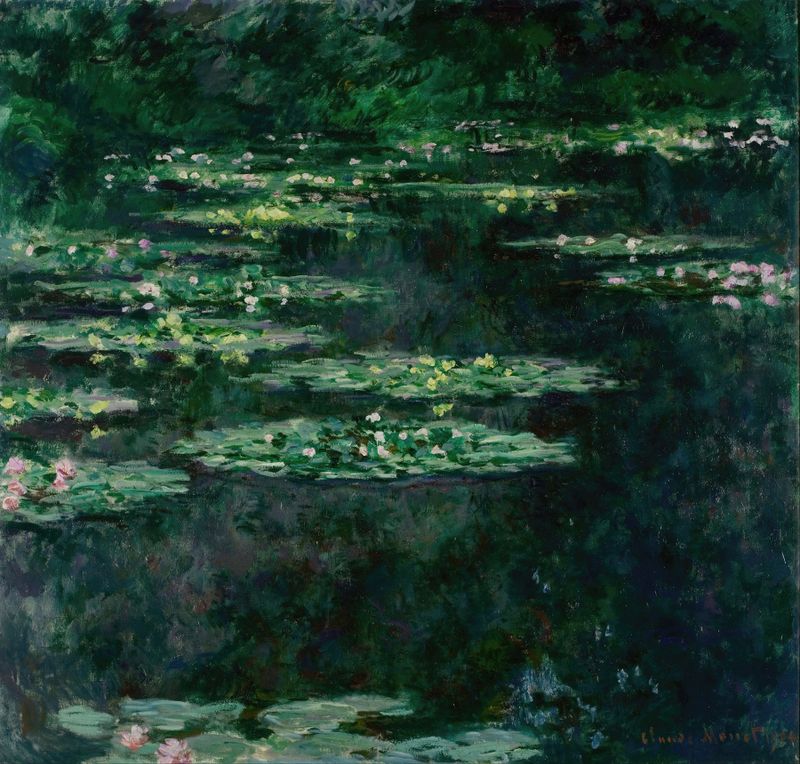
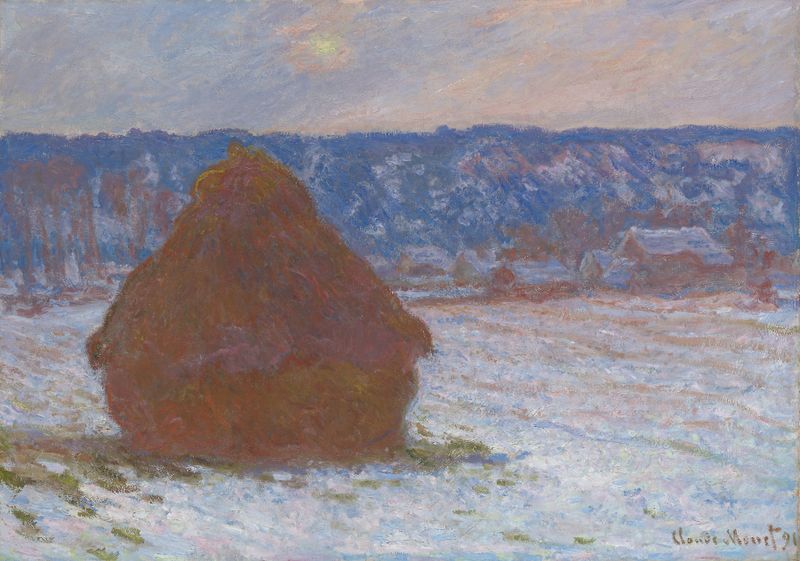
Can beauty exist without sorrow? The question lingers in the air as one gazes upon the tranquil yet poignant landscape before them. In the soft strokes of the brush, an echo of yearning reverberates, inviting the soul to ponder the depths of its own heart. Look to the left at the delicate silhouette of trees, their dark forms gently framing the serene waters of the river. Notice how the light dances upon the surface, creating a shimmering tapestry that breathes life into the scene.
The palette is an embrace of cool blues and gentle whites, layered with warm hints of ochre, drawing the viewer into a moment suspended in time. This composition, with its harmonious balance between sky and water, invites contemplation and reflection. Beneath the surface beauty, contrasts emerge between the lightness of day and the underlying sense of longing. The rippling water suggests movement, a flow of time that feels both inviting and elusive.
The horizon, where earth meets sky, hints at an emotional distance that resonates with the viewer's own experiences of separation or desire. In this intersection of color and form lies a duality — the tranquility of nature paired with an undercurrent of melancholy. Monet created this evocative piece during his time in Vétheuil, a small village in France, around the late 1880s. It was a period marked by personal hardships, including the loss of loved ones and ongoing financial struggles.
This emotional landscape reflects not only the artist's inner turmoil but also the broader Impressionist movement, which sought to capture fleeting moments of beauty in the world while embracing the complexities of human emotion.