Vétheuil in Summer — History & Facts
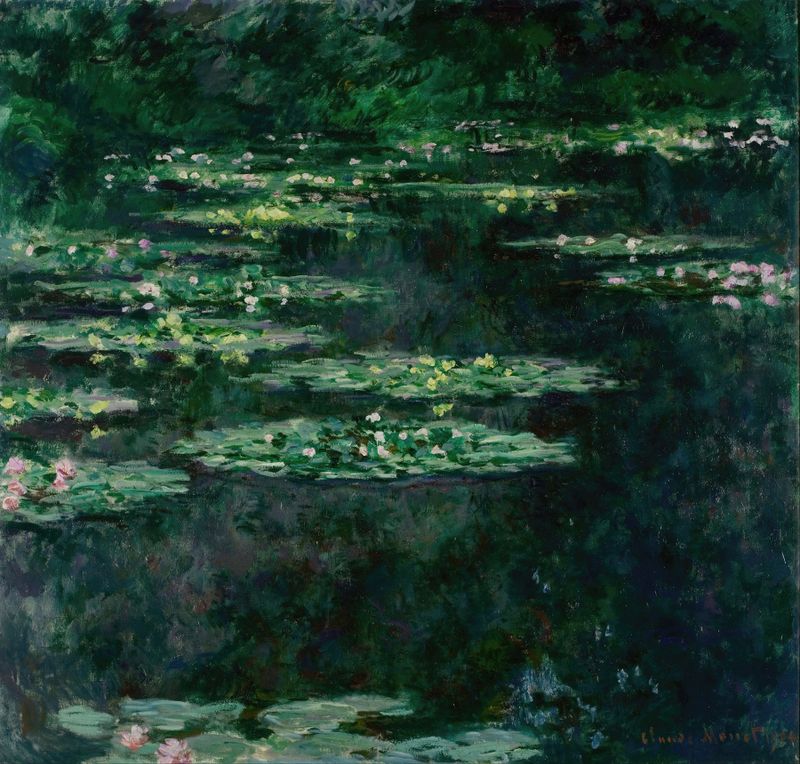
What if silence could speak through light? In Vétheuil in Summer, this question resonates deeply, revealing the profound obsession of a master painter with his ephemeral surroundings. Look to the horizon first, where delicate pinks and blues meld into a gentle sky, casting an almost ethereal glow over the village below. Notice how the lush green of the trees contrasts with the shimmering water, each stroke of pigment meticulously applied to convey a sense of movement and life. The brushwork is loose yet deliberate, inviting the viewer's eye to dance across the canvas, while the play of light reflects Monet’s fascination with the nuances of nature. Within this serene landscape, hidden tensions emerge.
The juxtaposition of the tranquil scene with the underlying energy of vibrant color suggests a relationship between man and nature that is both harmonious and obsessive. The warm sunlit areas seem to beckon, while the cooler shadows hint at the transient nature of time. This interplay captures the essence of summer in a way that feels both joyful and melancholic, as if the moment is fleeting yet eternal. In 1880, Monet painted this piece while living in the village of Vétheuil, a quiet retreat that inspired much of his work during this period.
The artist was deeply immersed in the Impressionist movement, which sought to capture the essence of a moment rather than its precise details. Monet’s exploration of color, light, and atmosphere in Vétheuil in Summer reflects his ongoing quest to immortalize the beauty of the world around him, driven by a desire to convey the profound connection he felt with nature.