
Vue de Brieg — History & Facts
Can paint confess what words never could? In Vue de Brieg, the artist captures a moment of rebirth, a scene where nature triumphantly reclaims its space, whispering secrets of renewal into the viewer's heart. Look to the foreground, where the vivid greens of freshly sprouted foliage draw the eye, inviting you into this serene landscape. Notice how the sunlight bathes the scene, accentuating the delicate interplay of shadow and light, creating a tapestry of texture and warmth. The gentle undulations of the hills and the inviting blue of the sky evoke a sense of peace and harmony, while the meticulously rendered details of the rural structures offer a glimpse of human presence in this idyllic realm. Yet beneath this tranquil surface lies a complex interplay of contrasts.
The vibrant life teeming in the foreground juxtaposes with the distant, hazy outline of mountains that seem to loom like guardians, reminding us of nature’s vastness and timelessness. The tranquility of the scene is punctuated by the subtle presence of the village, hinting at the intertwining of human aspirations with the eternal cycles of the natural world. This juxtaposition speaks to the resilience inherent in both nature and humanity, echoing themes of coexistence and renewal. Gabriel Lory the Younger painted this landscape in 1811, during a period of political and social upheaval in Europe.
As the Napoleonic era left its mark, he sought solace and inspiration in the landscapes of his homeland, Switzerland. This artwork stands as a testament to his commitment to capturing the beauty of nature while subtly reflecting on the hope and resilience that define the human spirit amidst change.
More Artworks by Gabriel Lory the Younger
Browse all →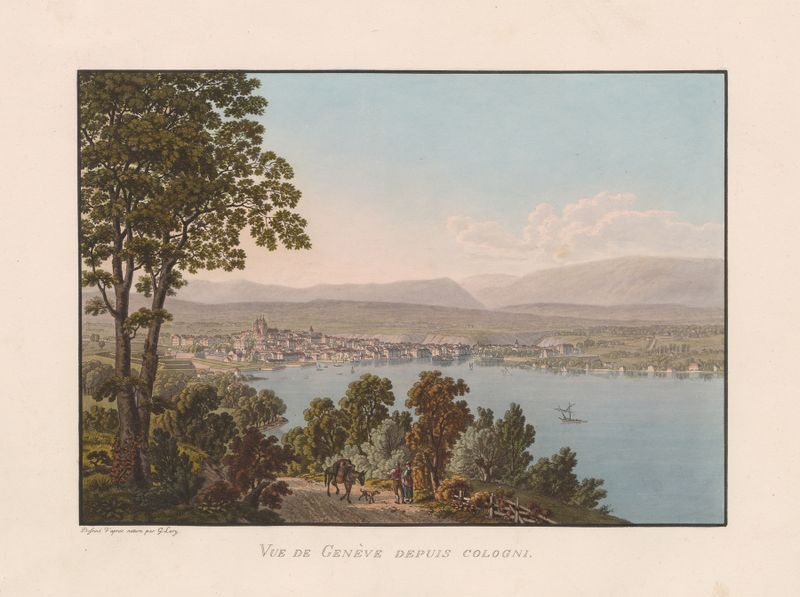
Vue de Genève depuis Cologni
Gabriel Lory the Younger
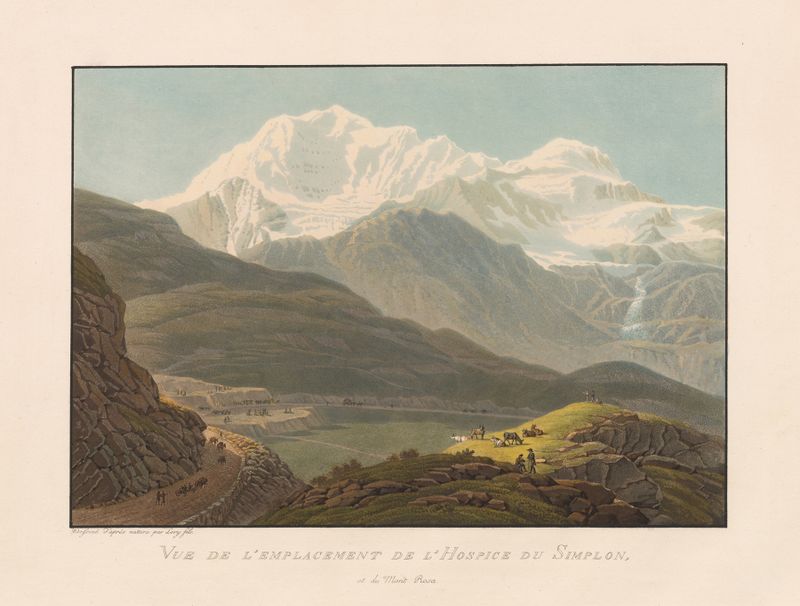
Vue de l’emplacement de l’Hospice du Simplon, et du Mont Rosa
Gabriel Lory the Younger
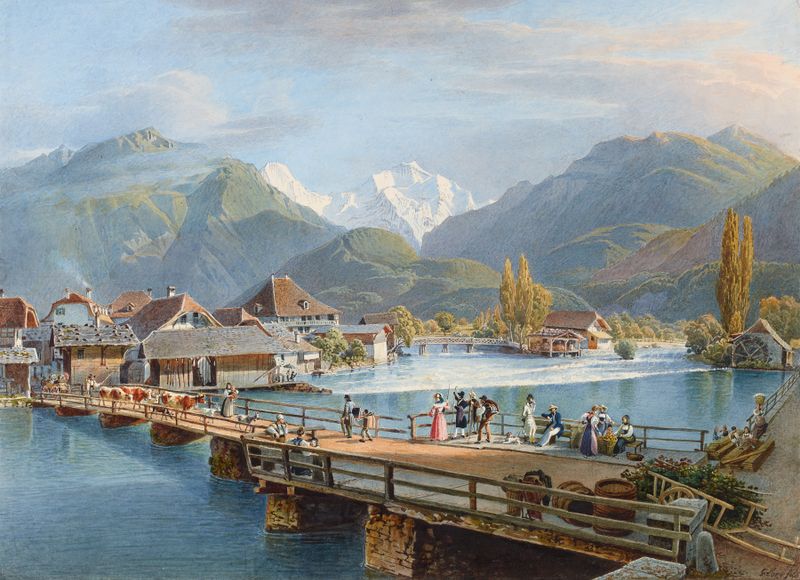
Unterseen mit Blick auf die Jungfrau
Gabriel Lory the Younger
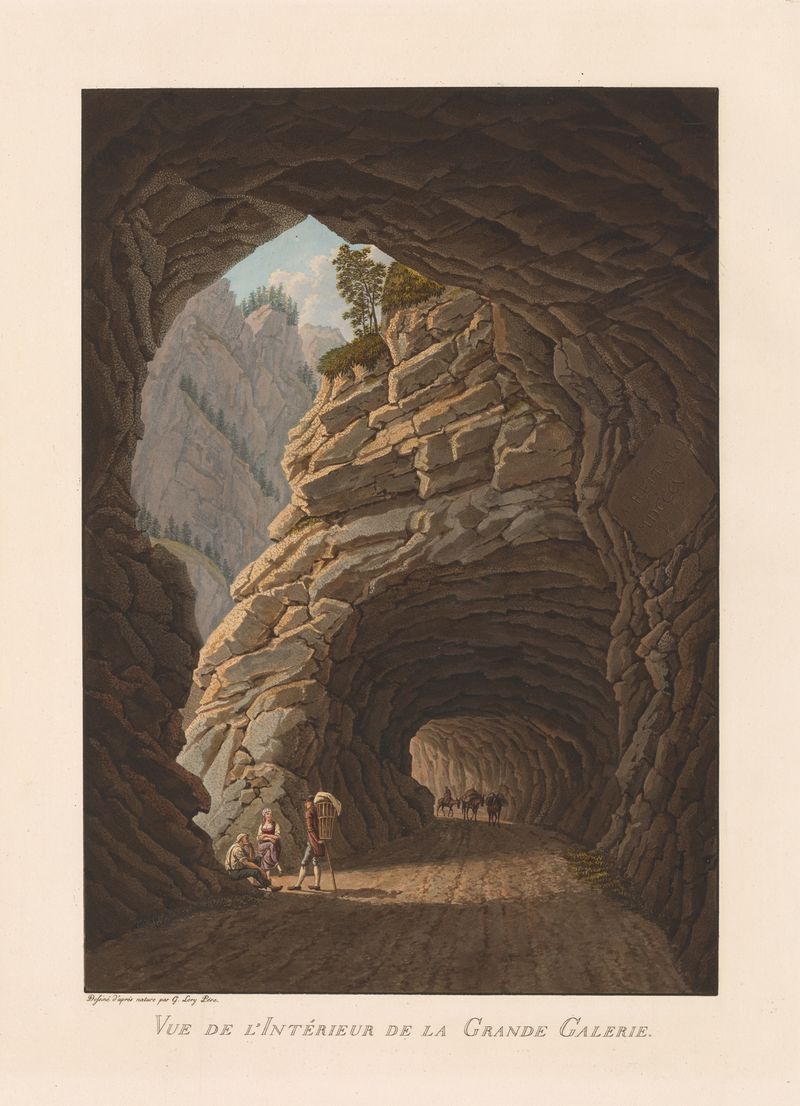
Vue de l’intérieur de la Grande Galerie
Gabriel Lory the Younger
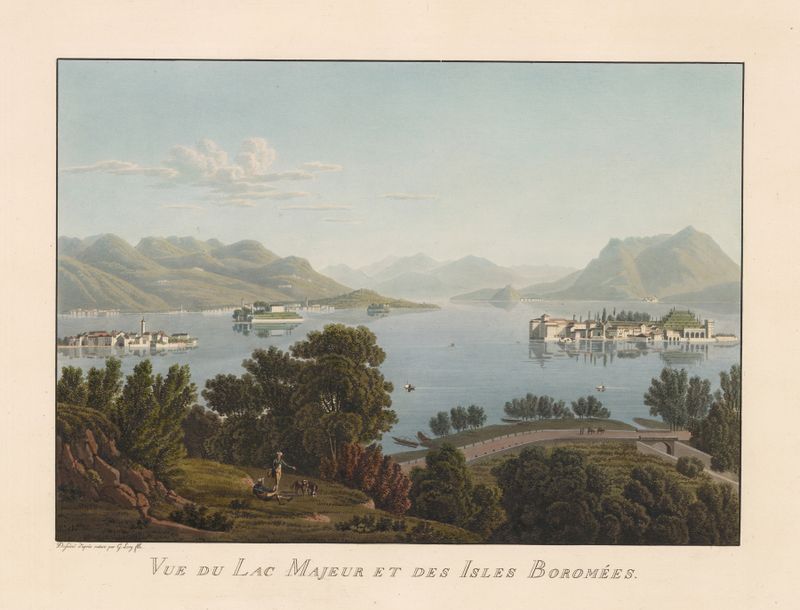
Vue du Lac Majeur et des Isles Boromées
Gabriel Lory the Younger
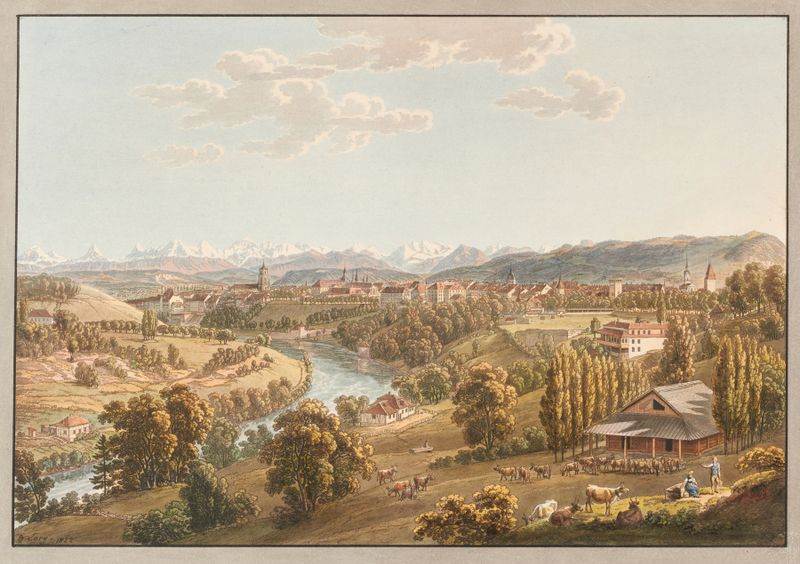
Vue de la ville de Berne
Gabriel Lory the Younger
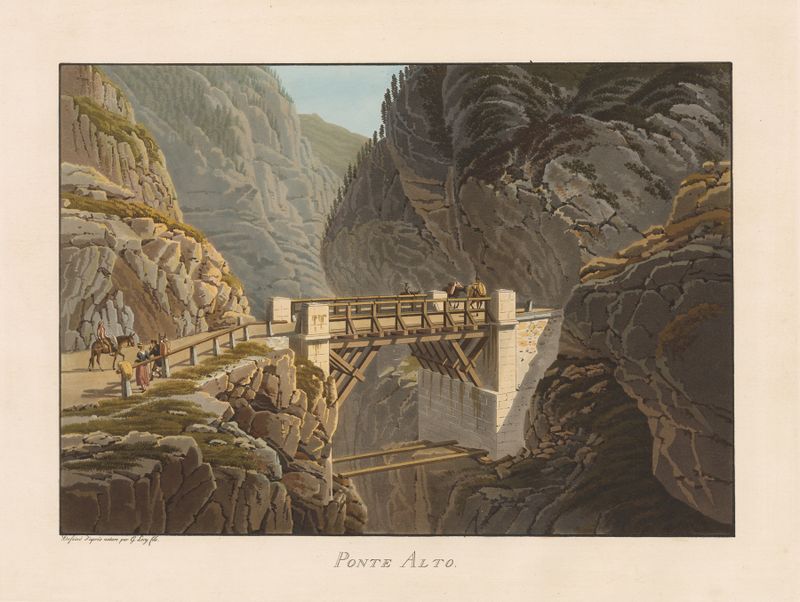
Ponte Alto
Gabriel Lory the Younger
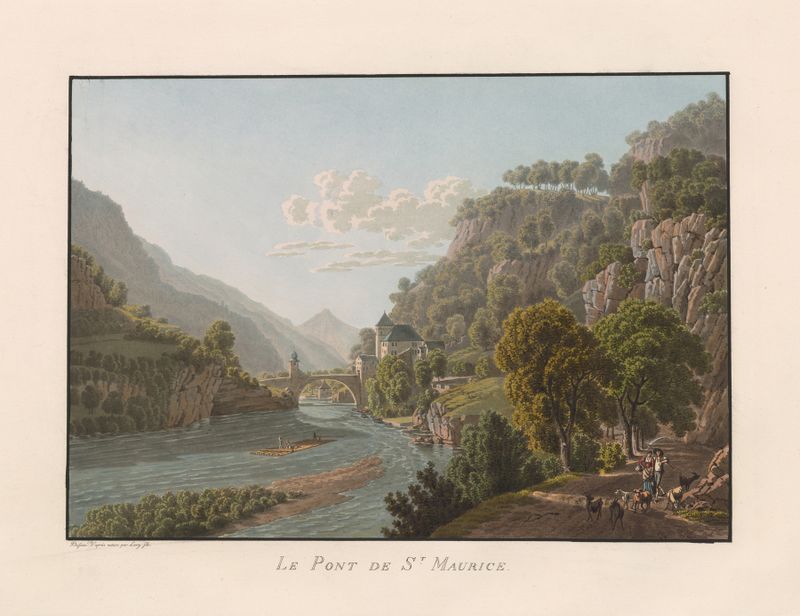
Le Pont de St. Maurice
Gabriel Lory the Younger
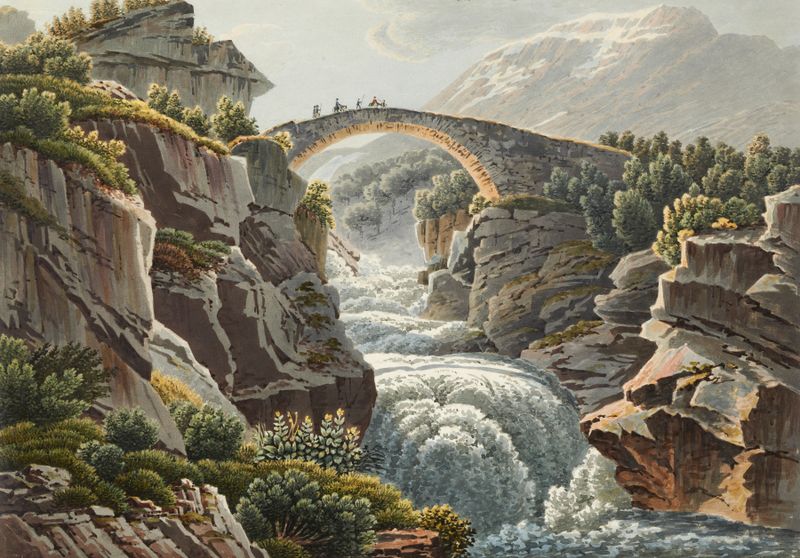
Pont sur l’Aar au passage du Grimsel
Gabriel Lory the Younger
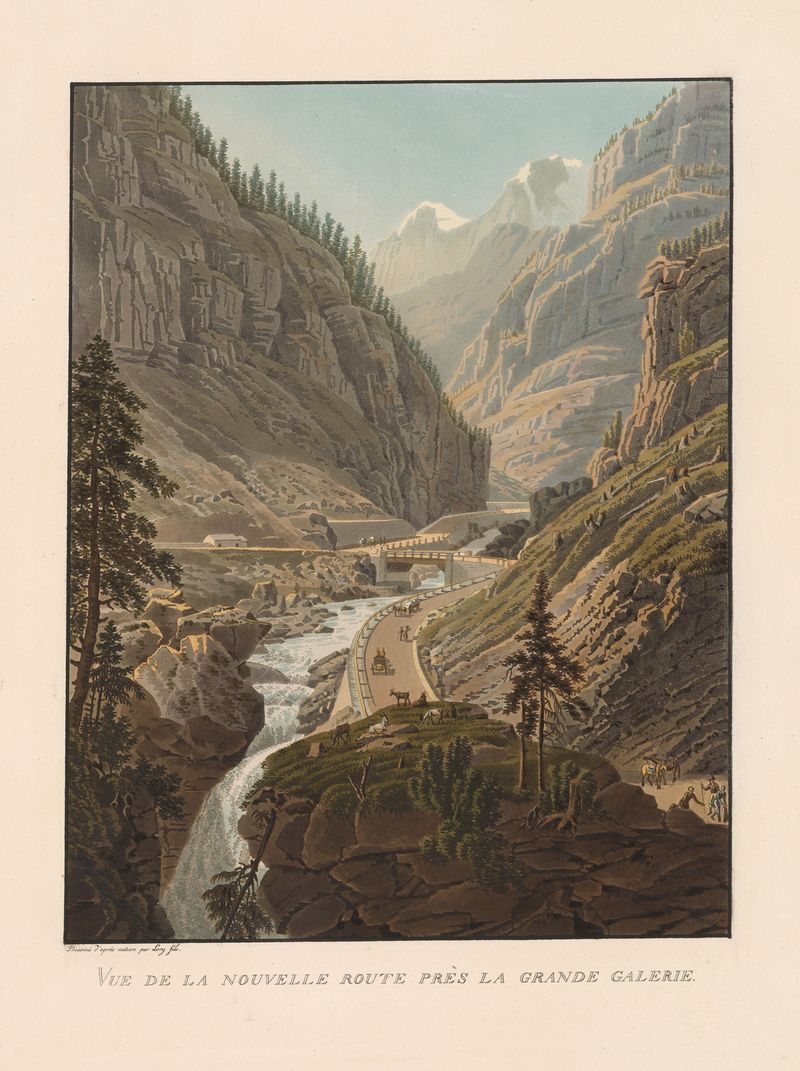
Vue de la nouvelle route près la Grande Galerie
Gabriel Lory the Younger





