
Vue de la Galerie des Glaciers — History & Facts
What if beauty was never meant to be finished? In Vue de la Galerie des Glaciers, the viewer is drawn into an expansive landscape that speaks of grandeur and loss, where nature’s majesty becomes a bittersweet echo of what was once whole. Focus on the crystalline clarity of the icy peaks that dominate the background. The light glances off the glaciers, creating a radiant shimmer that contrasts starkly with the shadows creeping along the slopes. Notice how the delicate brushwork captures both the strength and fragility of the ice, while the muted palette of blues and whites evokes a sense of chilly stillness.
Every detail, from the jagged formations to the wispy clouds above, invites contemplation, suggesting that beauty exists in transience. Amidst this breathtaking scenery lies an undercurrent of sorrow. The spectacle of the glaciers hints at a world that is both breathtaking and impermanent, reflecting the artist's struggle with the inevitable passage of time. The isolation of the peaks—silent and towering—speaks to human grief, whether for lost connections or fleeting moments.
Each fold of the landscape whispers stories of past glories and present absence, urging viewers to confront the bittersweet nature of existence. Gabriel Lory the Younger painted this work in 1811, during a period marked by romantic exploration of nature's vastness. Living in Switzerland, Lory was deeply influenced by the Alpine landscape surrounding him, and this painting represents a culmination of his interest in capturing the sublime. The early 19th century was rife with a burgeoning appreciation for the natural world, and Lory’s meticulous attention to detail positioned him as a significant figure in landscape painting, bridging the transition between neoclassicism and romanticism.
More Artworks by Gabriel Lory the Younger
Browse all →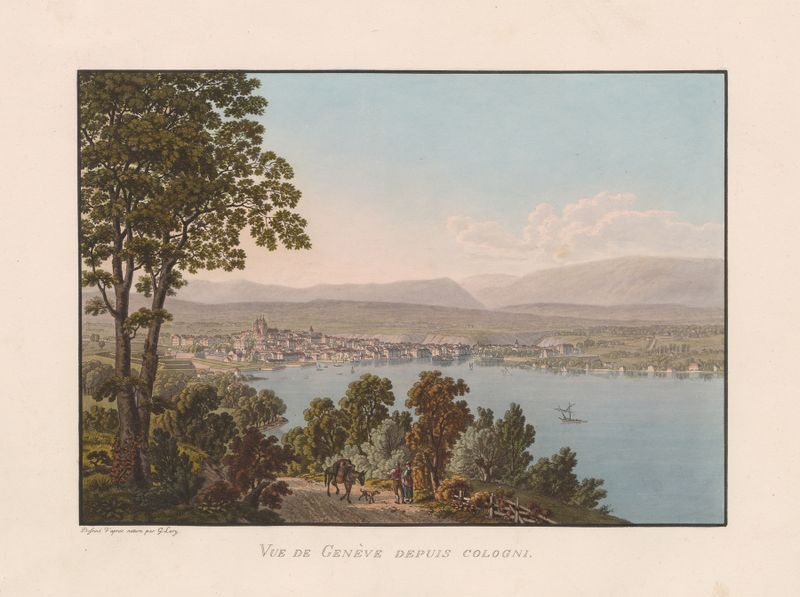
Vue de Genève depuis Cologni
Gabriel Lory the Younger
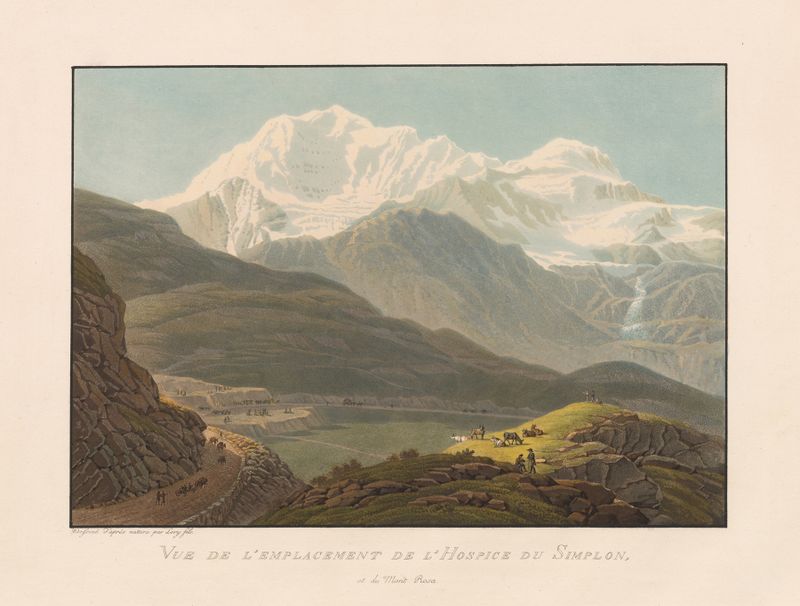
Vue de l’emplacement de l’Hospice du Simplon, et du Mont Rosa
Gabriel Lory the Younger
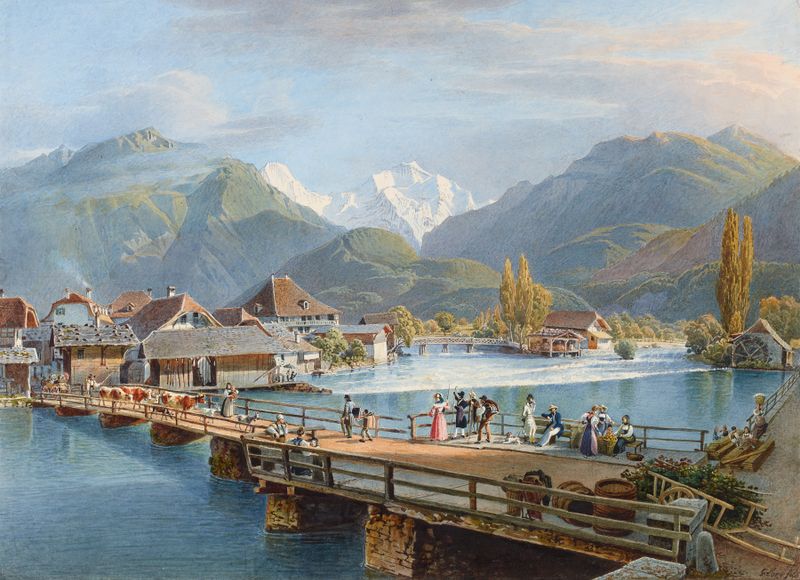
Unterseen mit Blick auf die Jungfrau
Gabriel Lory the Younger
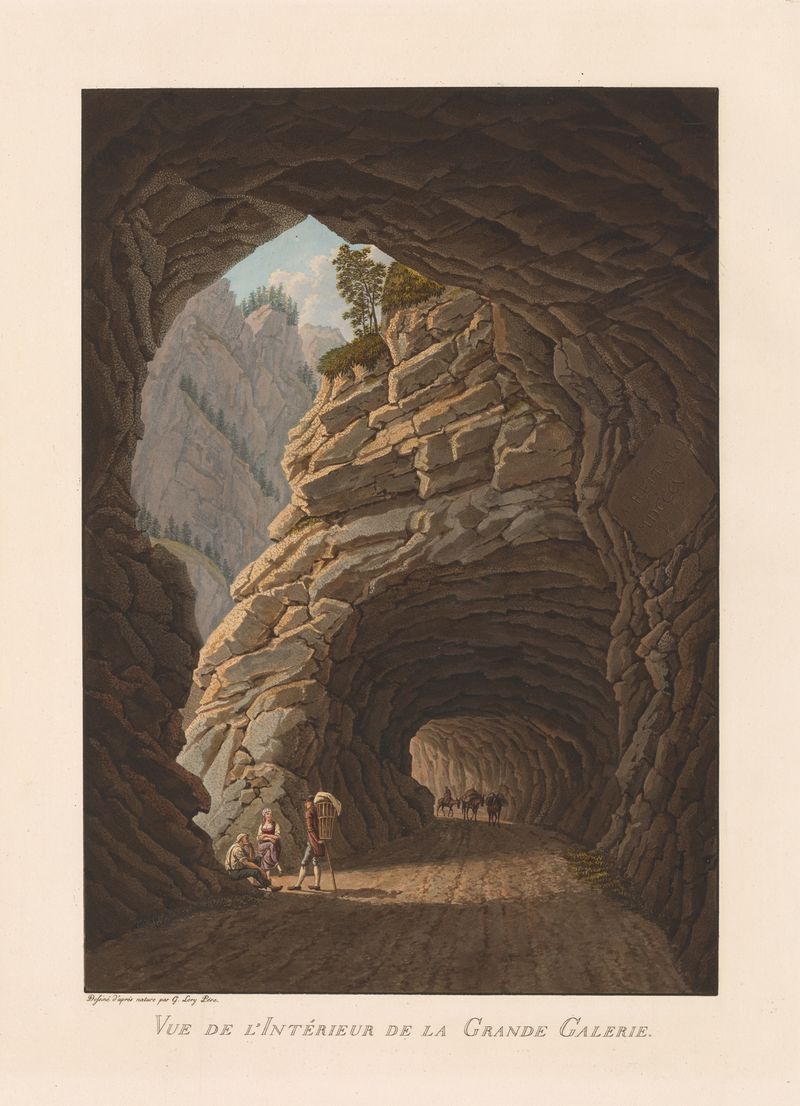
Vue de l’intérieur de la Grande Galerie
Gabriel Lory the Younger
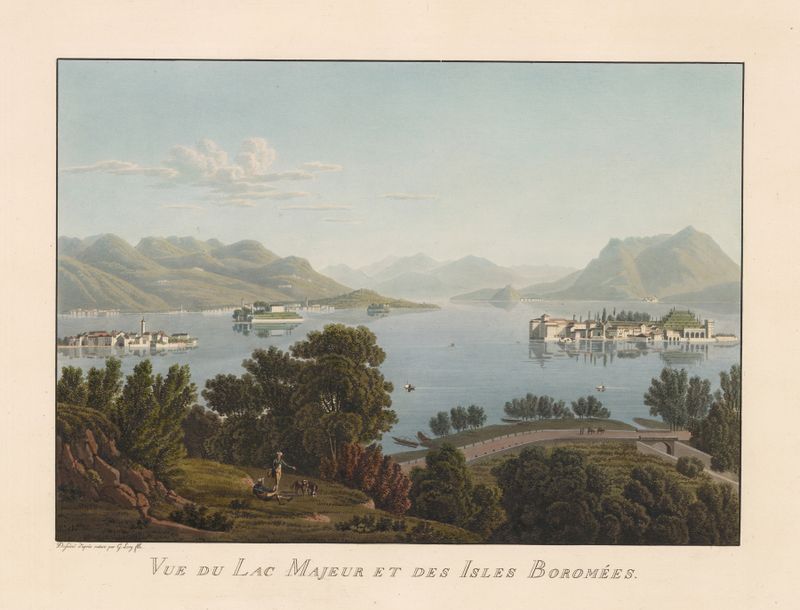
Vue du Lac Majeur et des Isles Boromées
Gabriel Lory the Younger
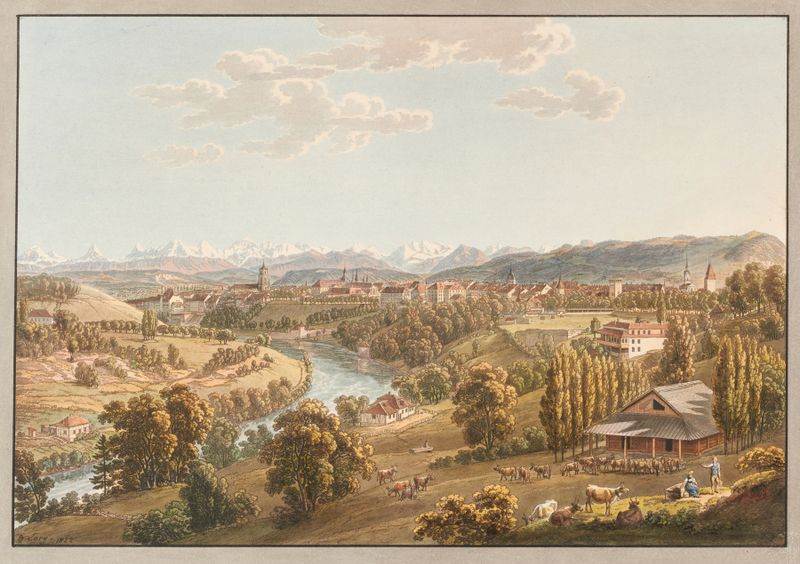
Vue de la ville de Berne
Gabriel Lory the Younger
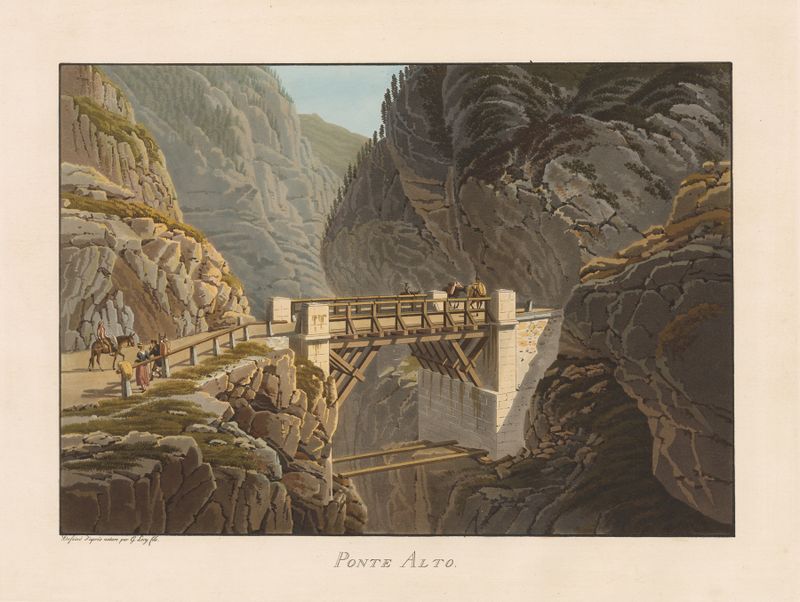
Ponte Alto
Gabriel Lory the Younger
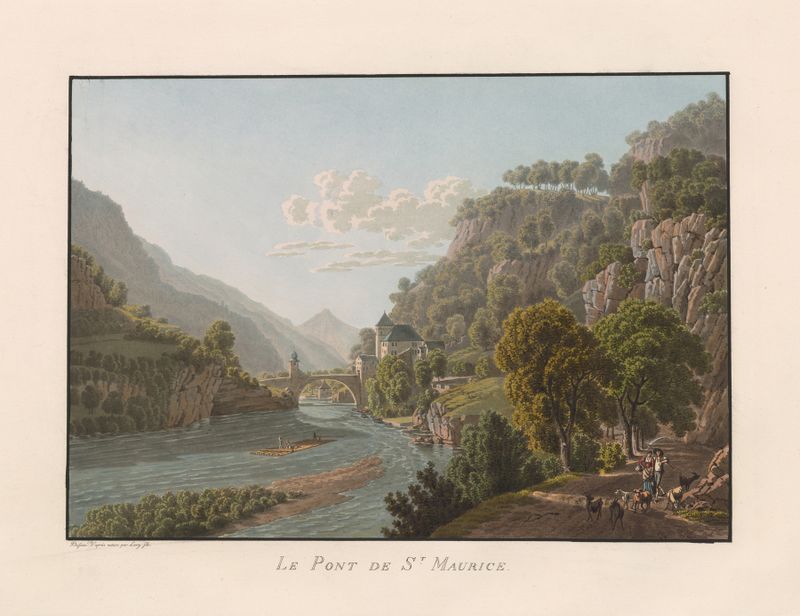
Le Pont de St. Maurice
Gabriel Lory the Younger
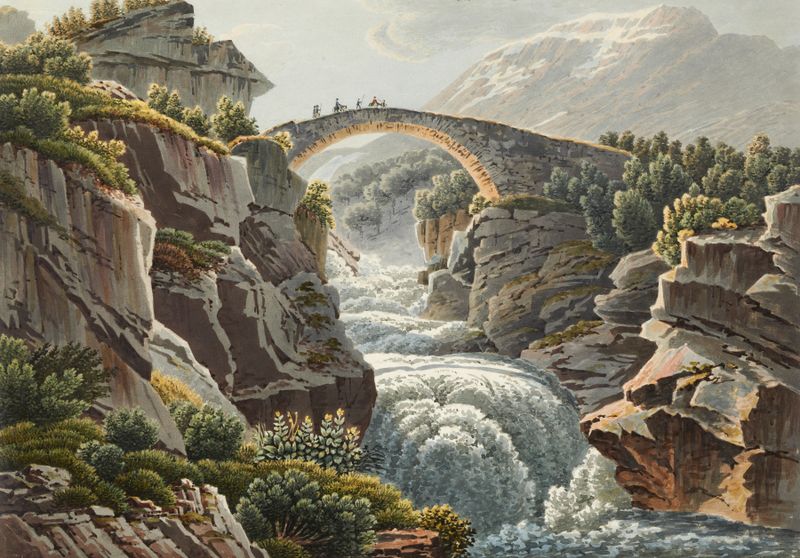
Pont sur l’Aar au passage du Grimsel
Gabriel Lory the Younger
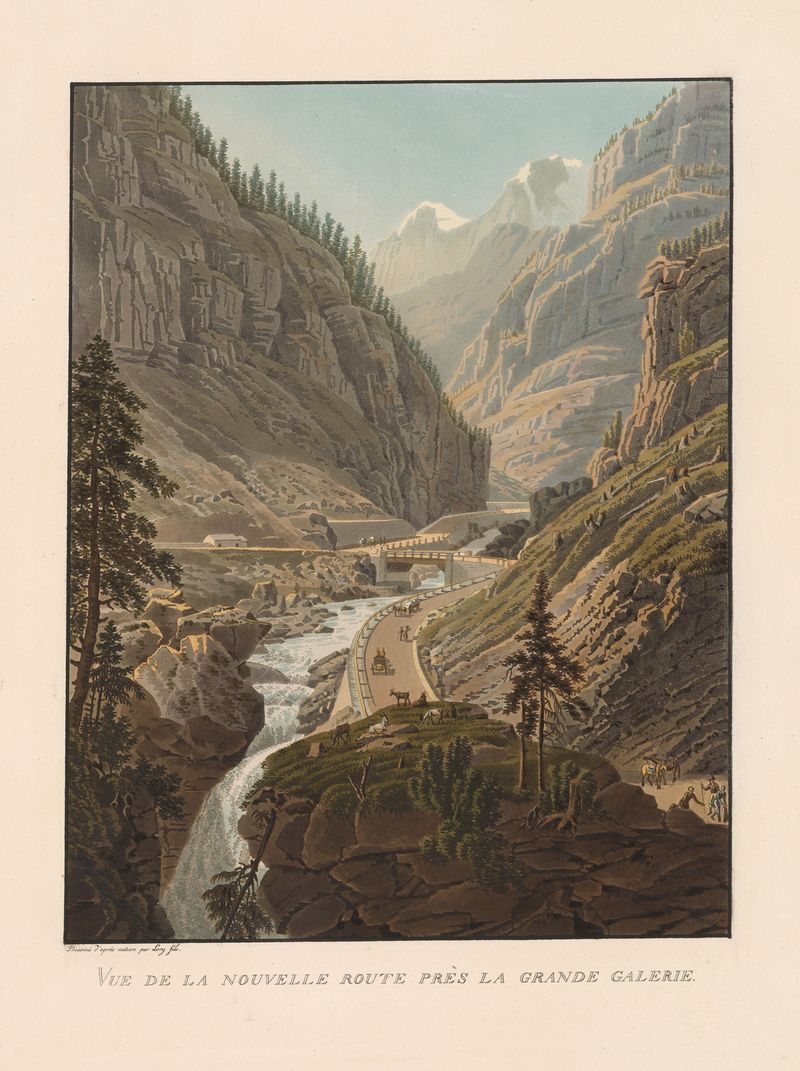
Vue de la nouvelle route près la Grande Galerie
Gabriel Lory the Younger





