
Vue de Lausanne — History & Facts
Who listens when art speaks of silence? In Vue de Lausanne, an awakening stirs from the depths of a tranquil landscape, inviting viewers to explore the nuances of stillness and presence. Look to the foreground, where soft strokes of green and brown establish a verdant patch of land that seems to cradle the city. Beyond, the buildings rise gently against the backdrop of a serene lake, their pastel hues reflecting the delicate touch of dawn. Notice how the light falls upon the water, rippling with a pearlescent sheen, while the mountains loom in the distance, imbued with a mist that suggests both distance and intimacy.
The composition draws the eye through layers of depth, creating a serene dialogue between nature and urban life. Beneath its serene surface, the painting reveals a contrast between the prospect of growth and the shadow of war. Painted during a tumultuous period, the choice of soft colors evokes peace, perhaps serving as a counter-narrative to the chaos of the world. The juxtaposition of the tranquil lake with the looming mountains may symbolize both the stability of the familiar and the challenges of the unknown, awakening the viewer to the duality of existence. Gabriel Lory the Younger created Vue de Lausanne during a pivotal time, between 1915 and 1945, amidst the backdrop of both World Wars in Europe.
Living in Switzerland, the artist was influenced by his surroundings, choosing to capture the serene beauty of Lausanne while the world grappled with conflict. This period would shape his artistic vision, reflecting a longing for peace and an appreciation for the quiet moments that offer sanctuary from turmoil.
More Artworks by Gabriel Lory the Younger
Browse all →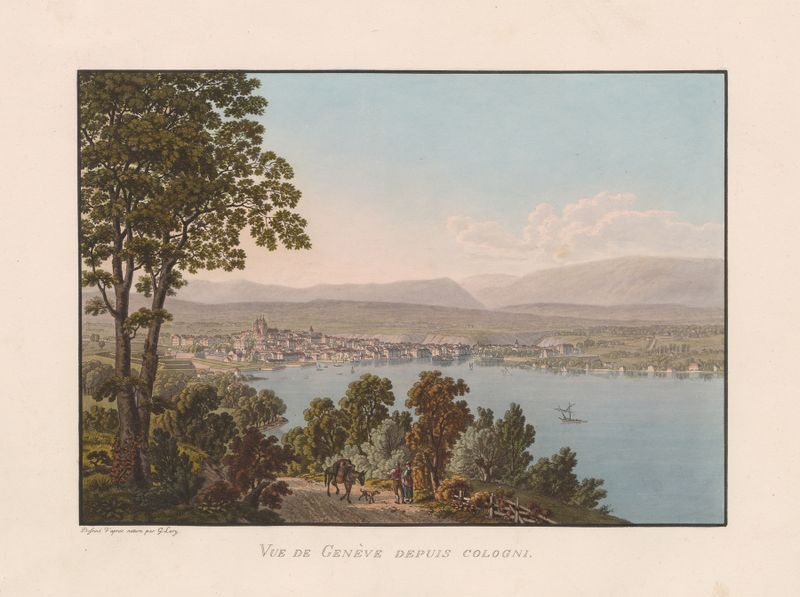
Vue de Genève depuis Cologni
Gabriel Lory the Younger
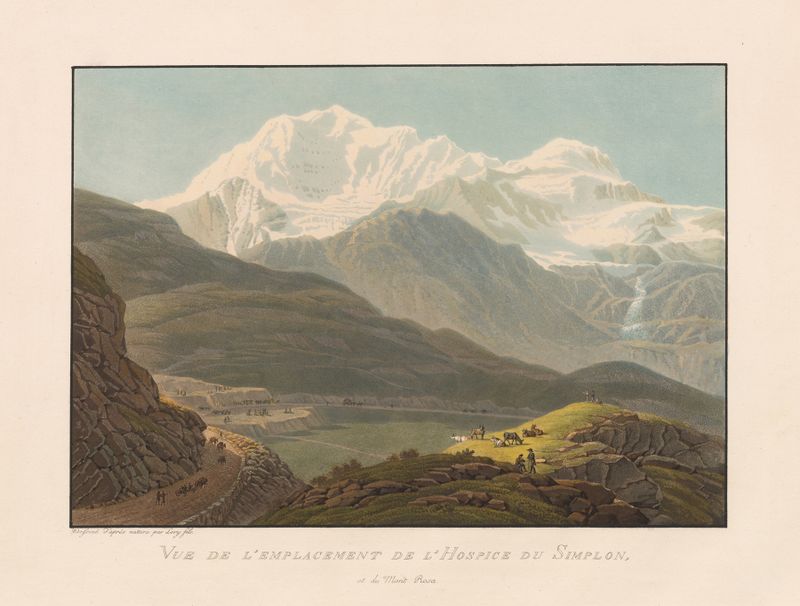
Vue de l’emplacement de l’Hospice du Simplon, et du Mont Rosa
Gabriel Lory the Younger
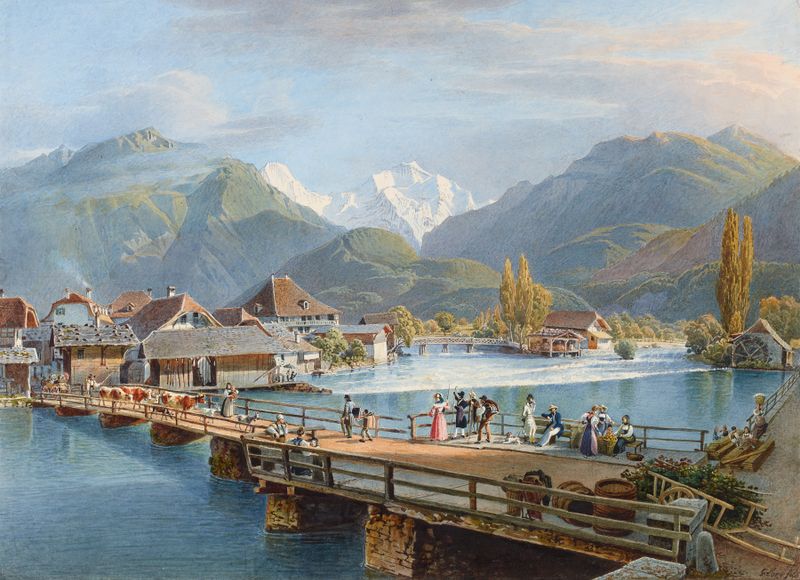
Unterseen mit Blick auf die Jungfrau
Gabriel Lory the Younger
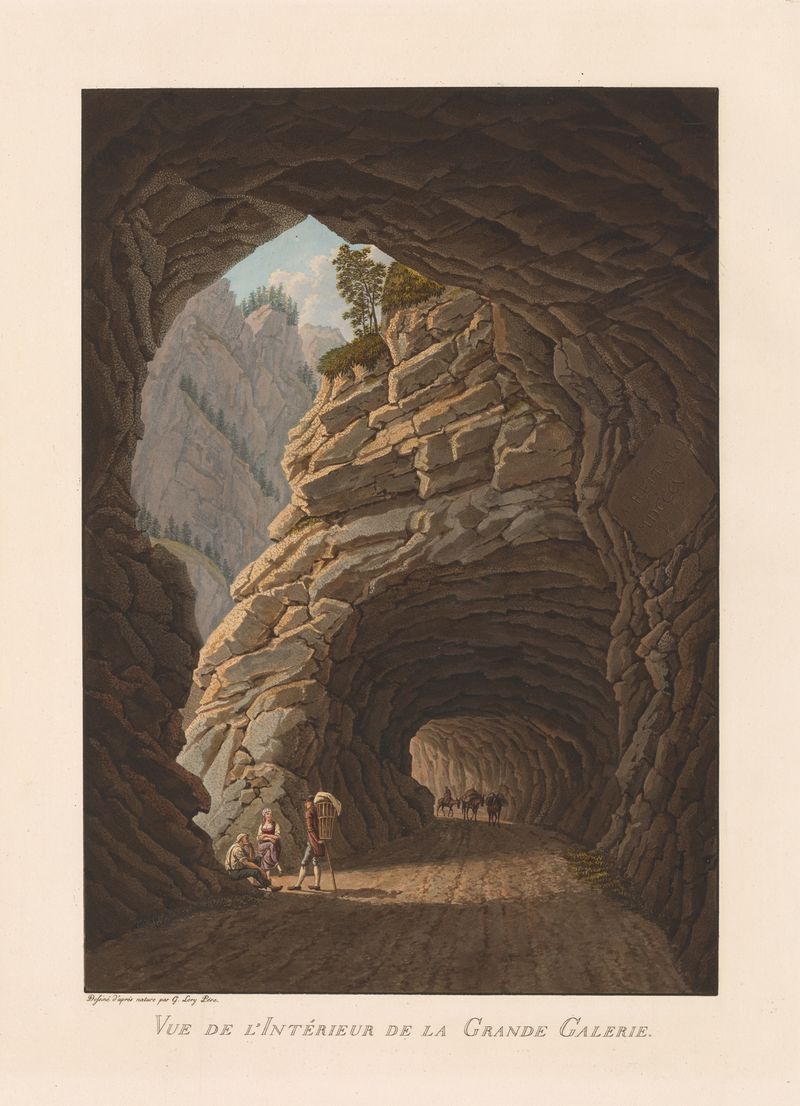
Vue de l’intérieur de la Grande Galerie
Gabriel Lory the Younger
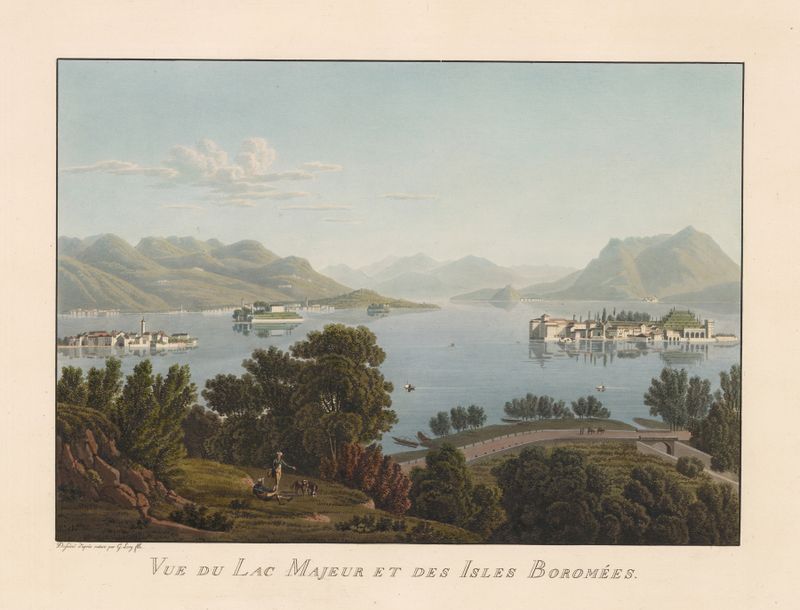
Vue du Lac Majeur et des Isles Boromées
Gabriel Lory the Younger
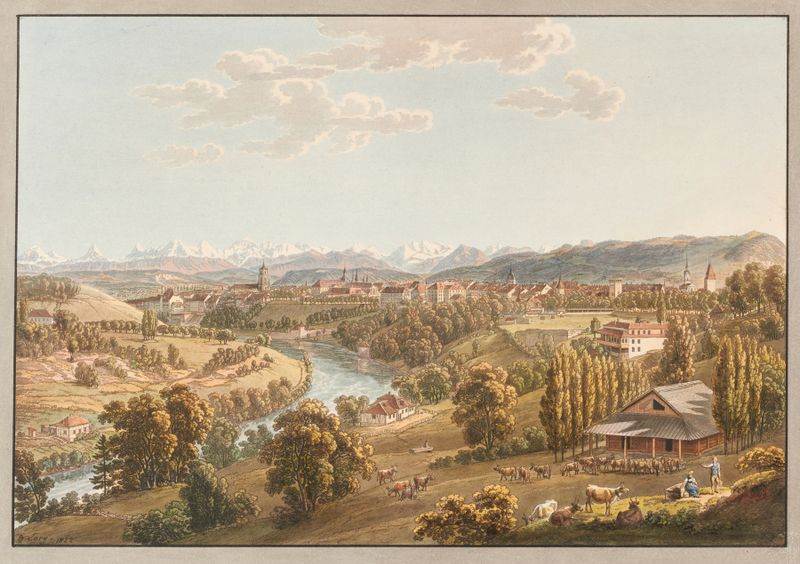
Vue de la ville de Berne
Gabriel Lory the Younger
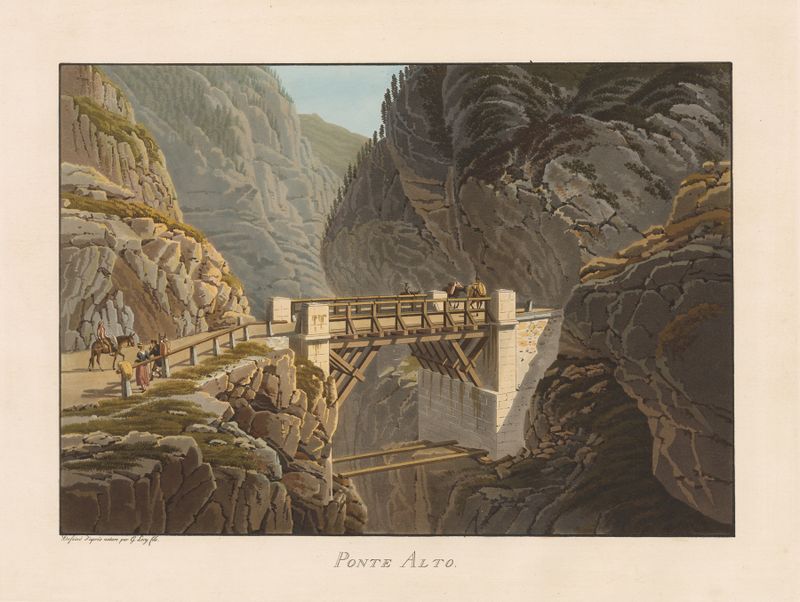
Ponte Alto
Gabriel Lory the Younger
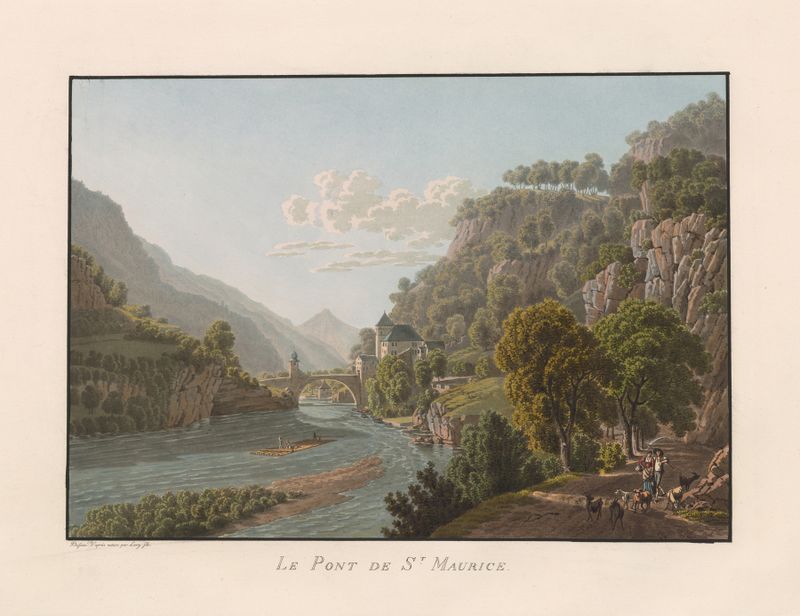
Le Pont de St. Maurice
Gabriel Lory the Younger
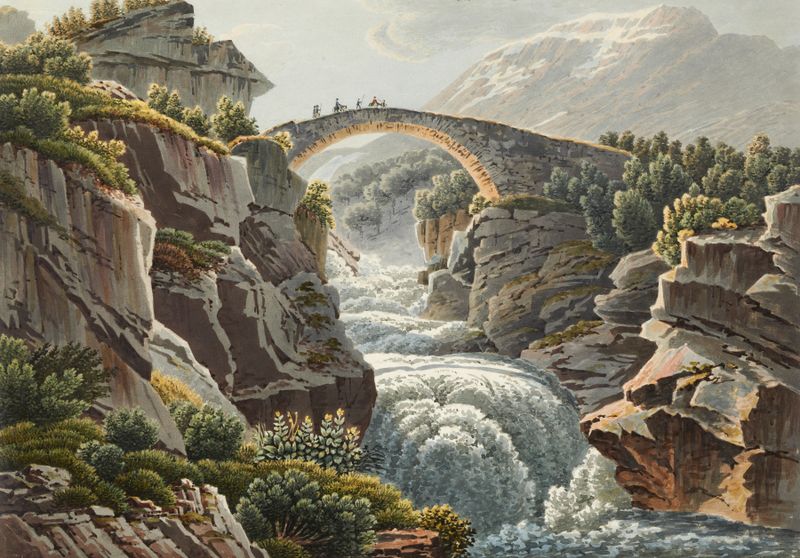
Pont sur l’Aar au passage du Grimsel
Gabriel Lory the Younger
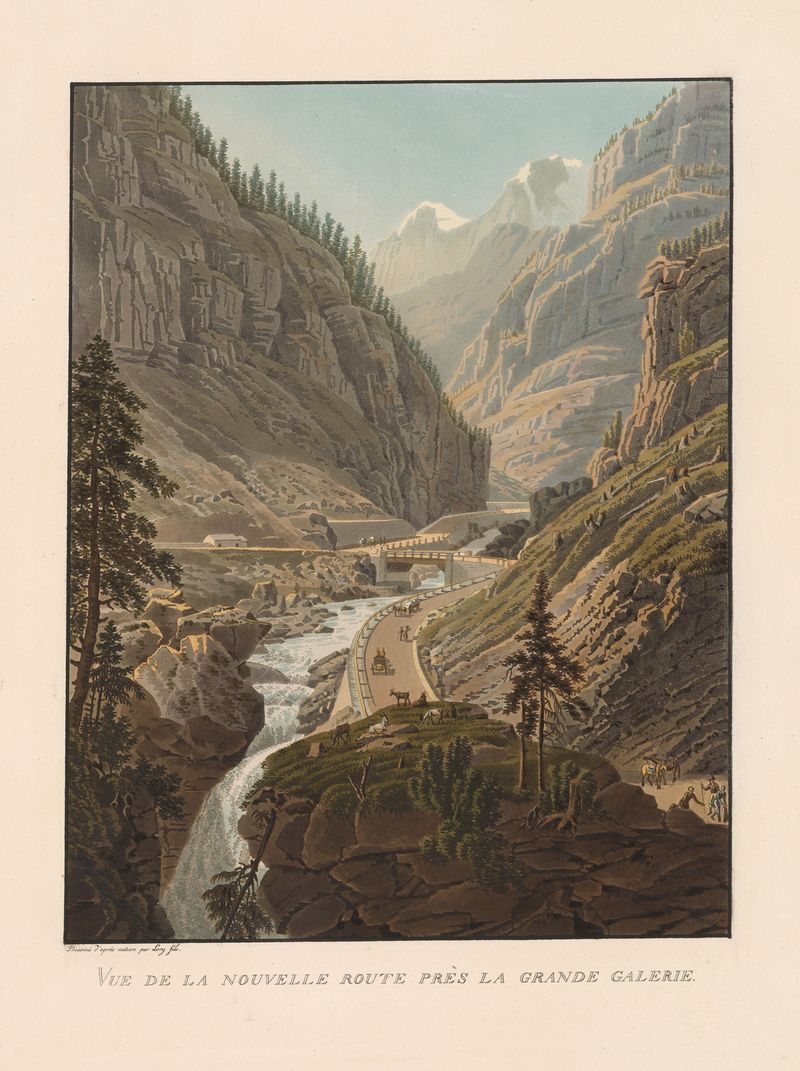
Vue de la nouvelle route près la Grande Galerie
Gabriel Lory the Younger





