
Vue de L’Isola Bella — History & Facts
Is this a mirror — or a memory? In Gabriel Lory the Younger’s Vue de L’Isola Bella, the shimmering surface of the water invites contemplation, reflecting both the beauty of the landscape and the inevitable passage of time. The scene resonates with the bittersweet twinge of decay, urging viewers to ponder what is lost amidst the allure of the picturesque. Look to the foreground, where gentle ripples disturb the tranquil lake, their subtle movement leading your eyes to the island beyond. Notice how the vibrant hues of lush greenery contrast with the muted tones of crumbling architecture, capturing a sense of nostalgia.
The wisp of clouds hovering over the distant mountains adds depth, creating an ethereal light that envelops the scene, while the careful brushwork whispers secrets of both nature and manmade structures entwined. Dig deeper into the composition, and you'll find layers of emotional tension. The juxtaposition of lively flora against the decaying remnants of buildings signifies the transience of human endeavors. The serene lake, a mirror of past splendor, reflects not only the beauty of the island but also the weight of history, evoking a poignant reminder of both life’s fragility and the enduring nature of art.
Here, the decay is not merely loss, but a testament to the cycles of existence. In 1811, Lory was immersed in the picturesque tradition of Swiss Romanticism, painting this evocative landscape during a time when artists were increasingly inspired by the beauty of natural settings. Living in the context of burgeoning Romantic ideals, he sought to capture the sublime and the melancholic, bridging the gap between reality and imagination while reflecting on the impermanence of life and beauty.
More Artworks by Gabriel Lory the Younger
Browse all →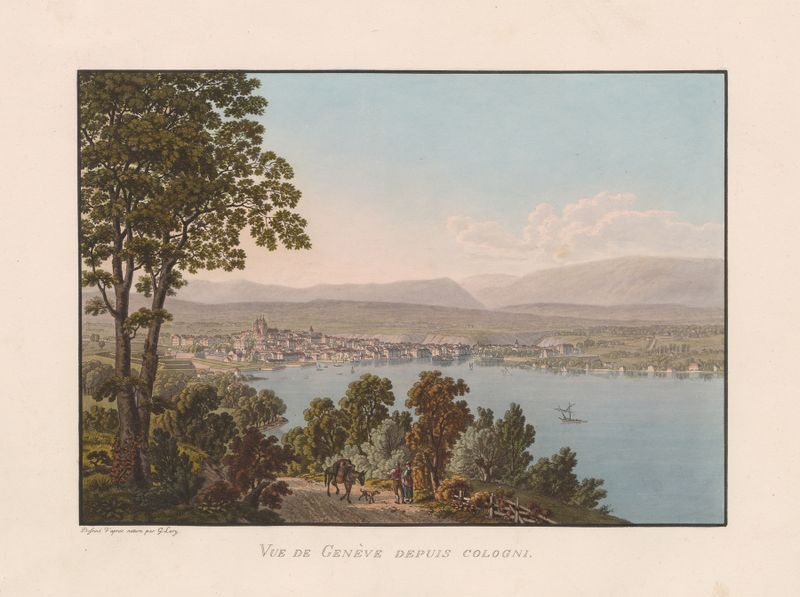
Vue de Genève depuis Cologni
Gabriel Lory the Younger
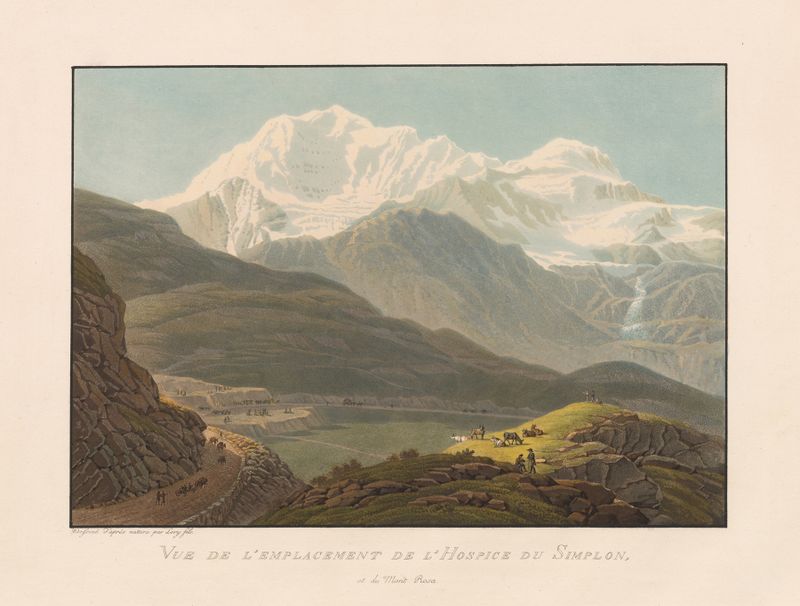
Vue de l’emplacement de l’Hospice du Simplon, et du Mont Rosa
Gabriel Lory the Younger
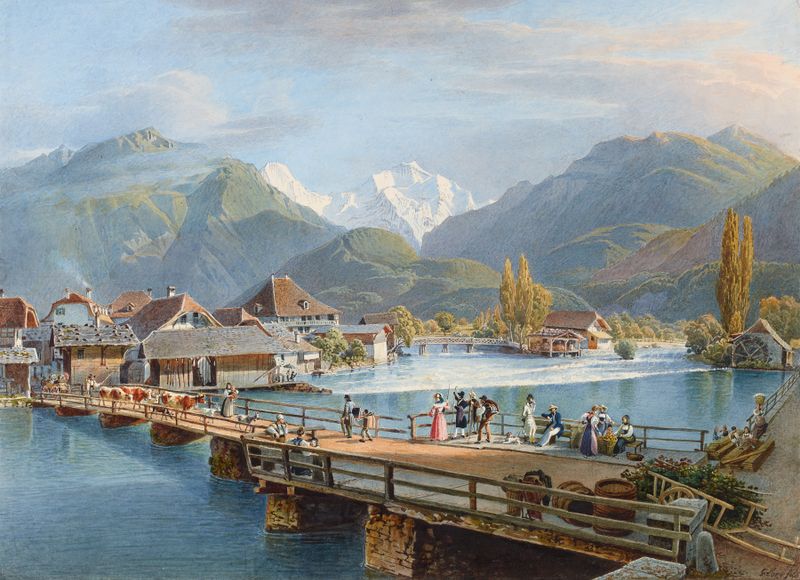
Unterseen mit Blick auf die Jungfrau
Gabriel Lory the Younger
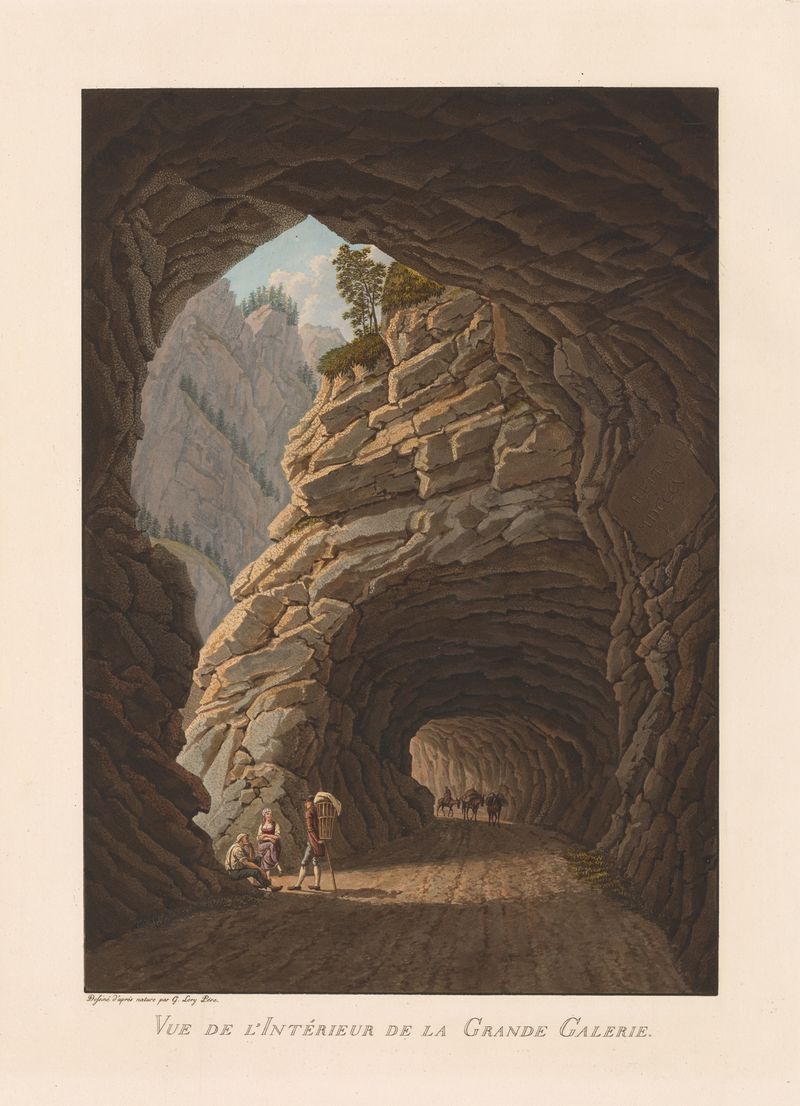
Vue de l’intérieur de la Grande Galerie
Gabriel Lory the Younger
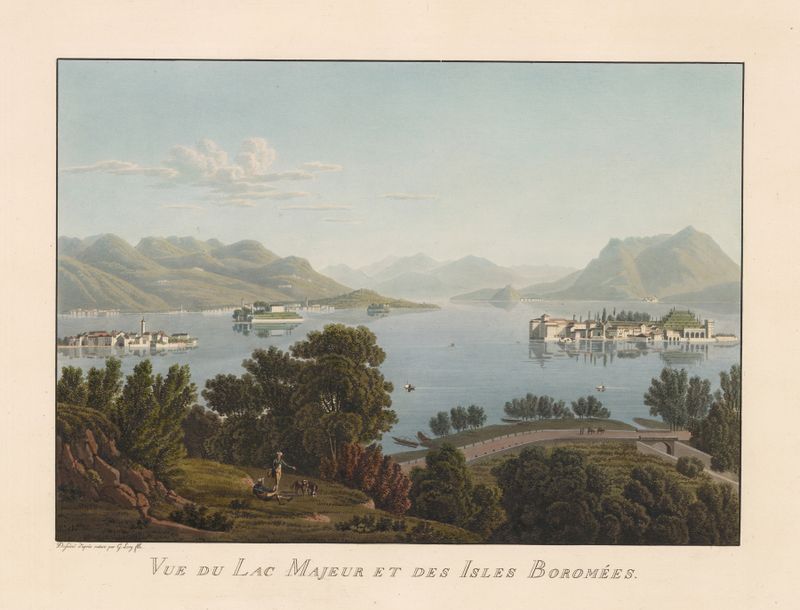
Vue du Lac Majeur et des Isles Boromées
Gabriel Lory the Younger
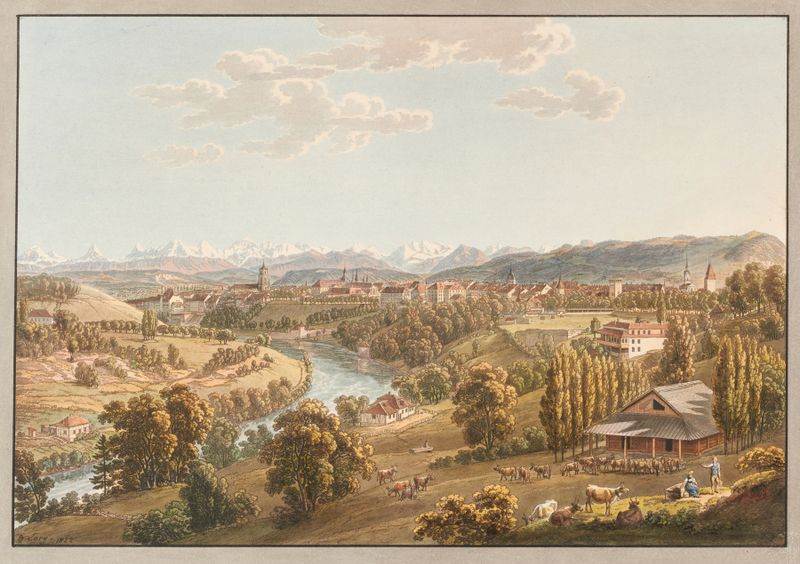
Vue de la ville de Berne
Gabriel Lory the Younger
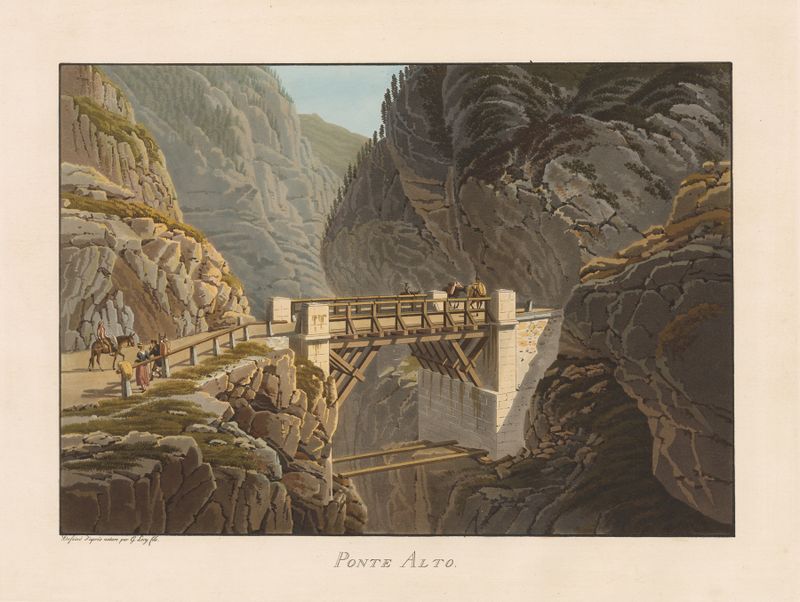
Ponte Alto
Gabriel Lory the Younger
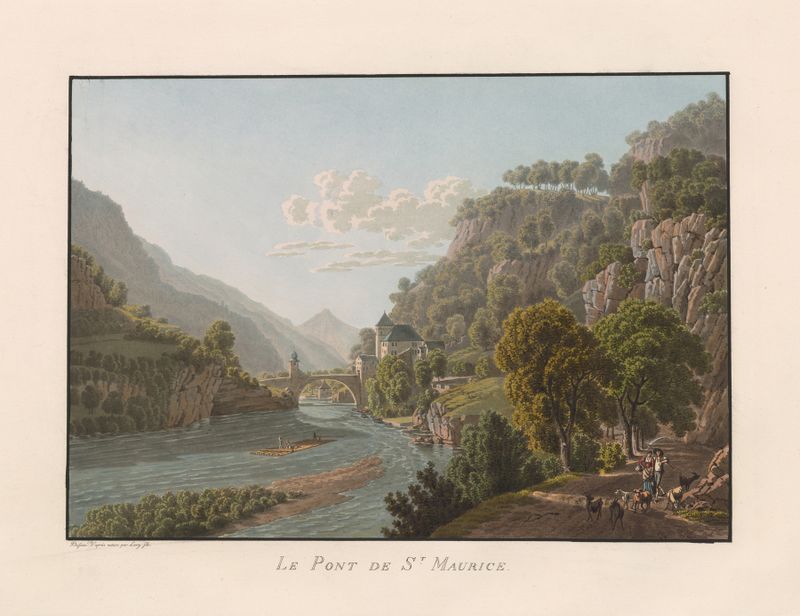
Le Pont de St. Maurice
Gabriel Lory the Younger
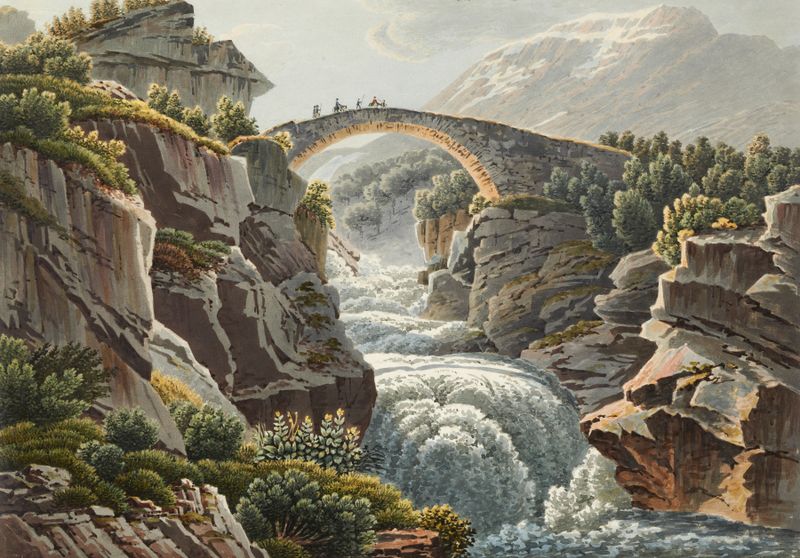
Pont sur l’Aar au passage du Grimsel
Gabriel Lory the Younger
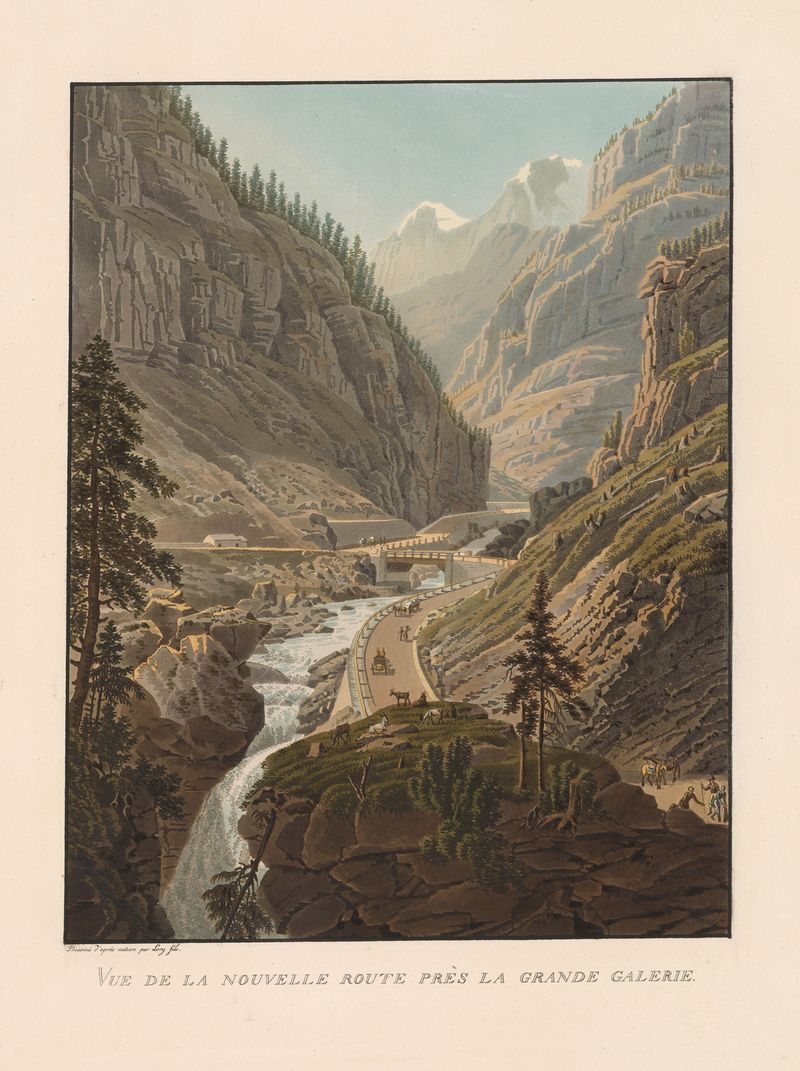
Vue de la nouvelle route près la Grande Galerie
Gabriel Lory the Younger





