
Vue de l’Isola Bella prise de Stresa — History & Facts
What secret hides in the quiet of the canvas? In the stillness of Vue de l’Isola Bella prise de Stresa, a serene landscape reveals the intricacies of nature and human presence intertwined, inviting us to pause and ponder its hidden stories. Look to the foreground, where soft strokes of green and ochre define the lush vegetation that clings to the rocky shoreline. The pale blue sky stretches overhead, its gentle hues blending seamlessly with the tranquil waters of Lake Maggiore. Notice how the delicate highlights on the foliage capture the sunlight, creating a shimmering effect that breathes life into the scene.
The artist's careful attention to detail invites the viewer to explore the interplay between nature and architecture, with the villa peeking through the trees, hinting at human ambition amidst the grandeur of the landscape. Beneath the calm surface lies an emotional tension between the natural world and human intervention. The meticulously rendered villa, nestled among the trees, stands as a testament to man's desire to harmonize with nature while also asserting dominance over it. This duality is echoed in the juxtaposition of the soft, flowing lines of the landscape against the rigid structure of the man-made edifice.
The scene evokes a sense of nostalgia, as if capturing a fleeting moment in time when nature and humanity coexisted in delicate balance. In 1811, while residing in Switzerland, Gabriel Lory the Younger painted this piece amidst a shifting artistic landscape. The Romantic movement was gaining momentum, reshaping perceptions of nature and individuality. Lory, influenced by this evolution, sought to articulate a vision of beauty that intertwined the sublime artistry of the natural world with the human elements that inhabited it, reflecting both his personal journey and the broader currents of his time.
More Artworks by Gabriel Lory the Younger
Browse all →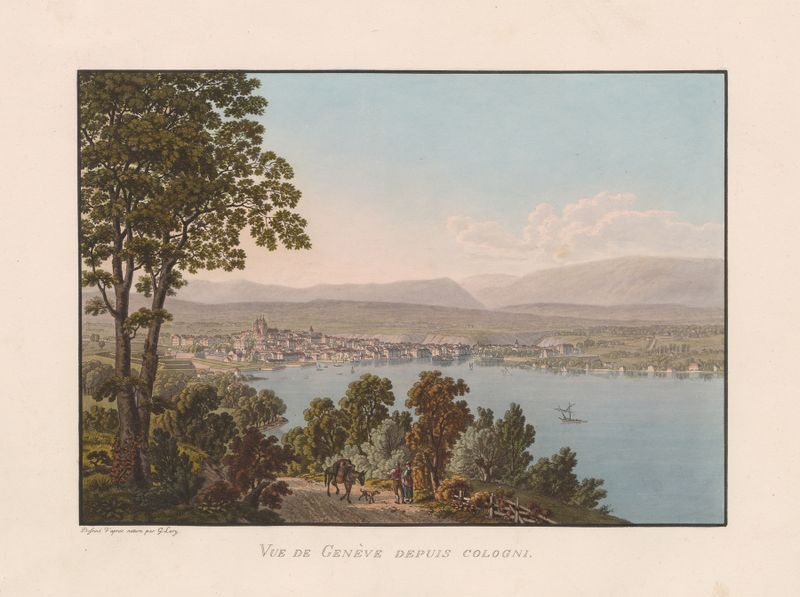
Vue de Genève depuis Cologni
Gabriel Lory the Younger
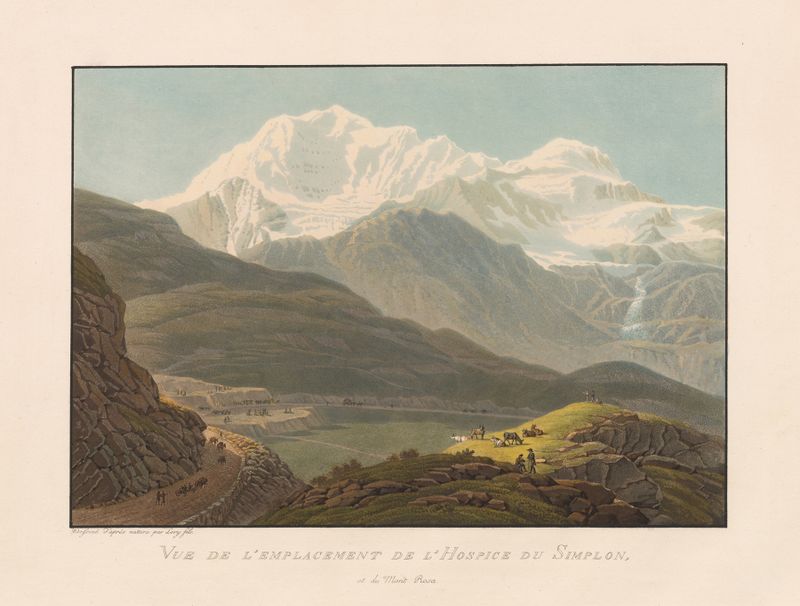
Vue de l’emplacement de l’Hospice du Simplon, et du Mont Rosa
Gabriel Lory the Younger
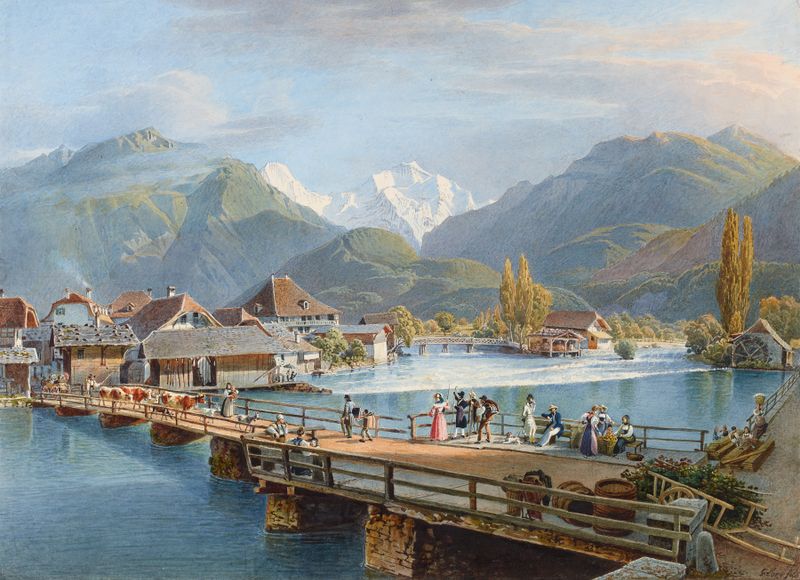
Unterseen mit Blick auf die Jungfrau
Gabriel Lory the Younger
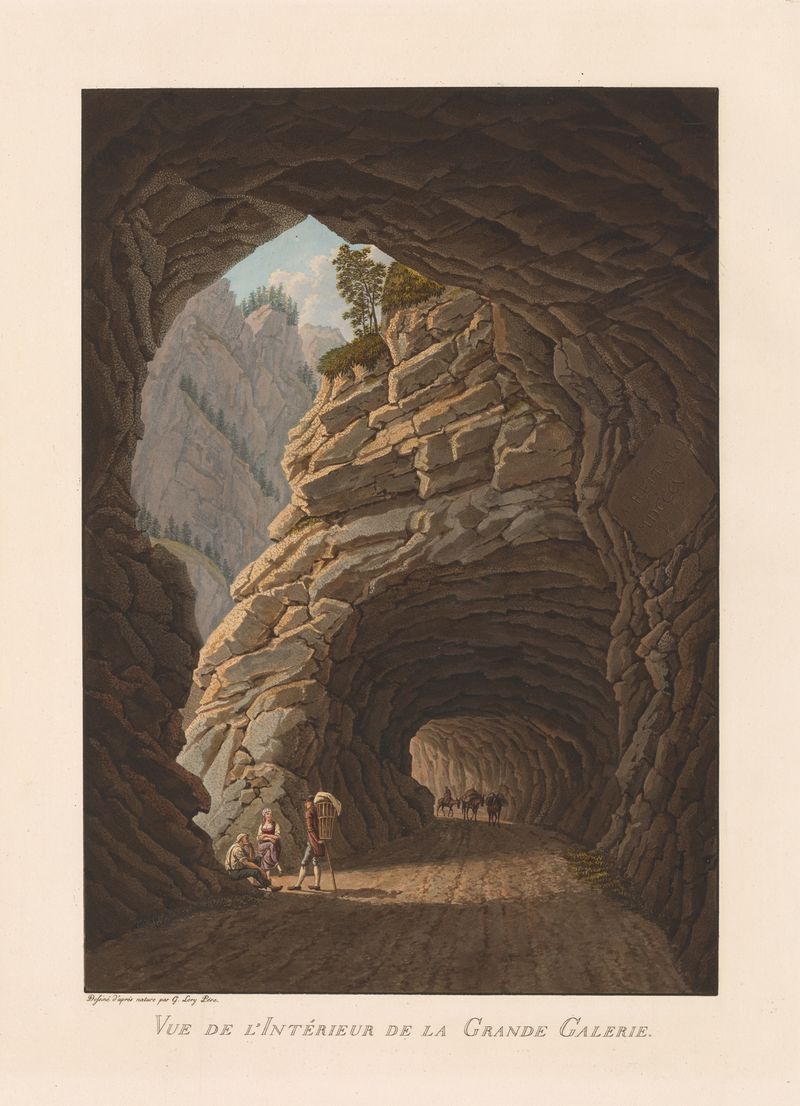
Vue de l’intérieur de la Grande Galerie
Gabriel Lory the Younger
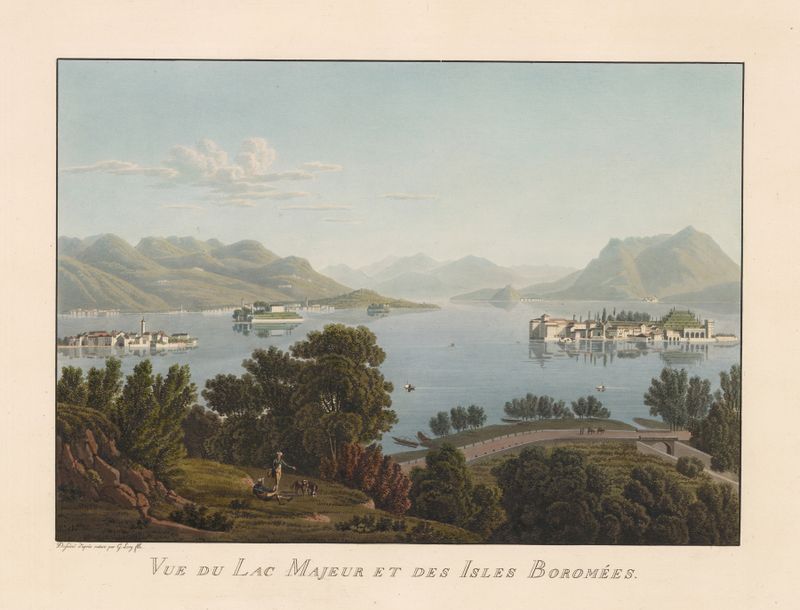
Vue du Lac Majeur et des Isles Boromées
Gabriel Lory the Younger
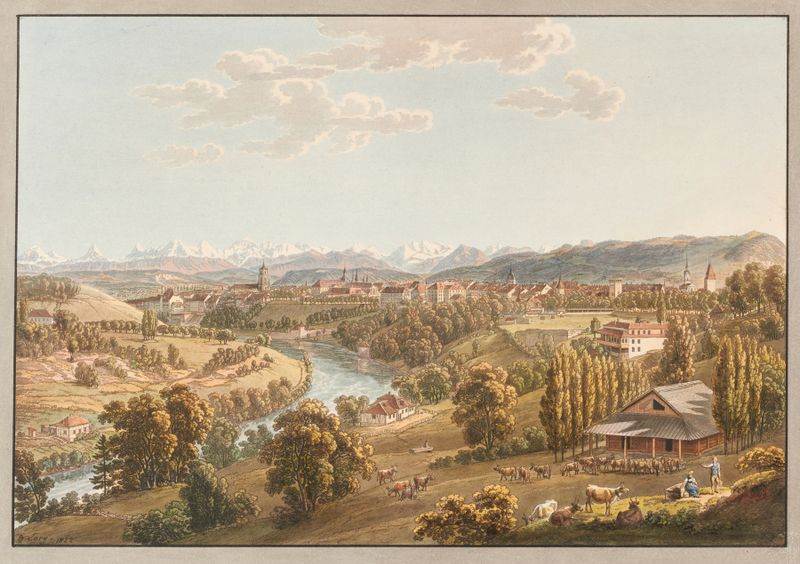
Vue de la ville de Berne
Gabriel Lory the Younger
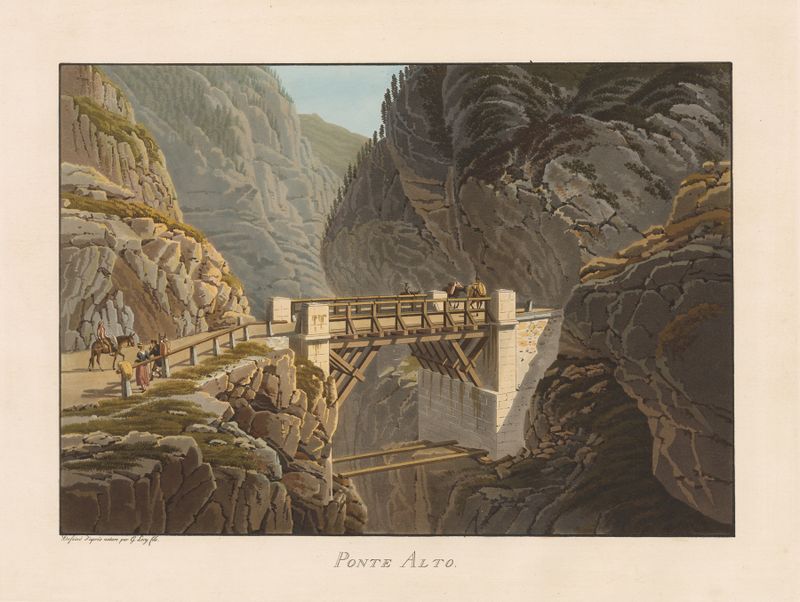
Ponte Alto
Gabriel Lory the Younger
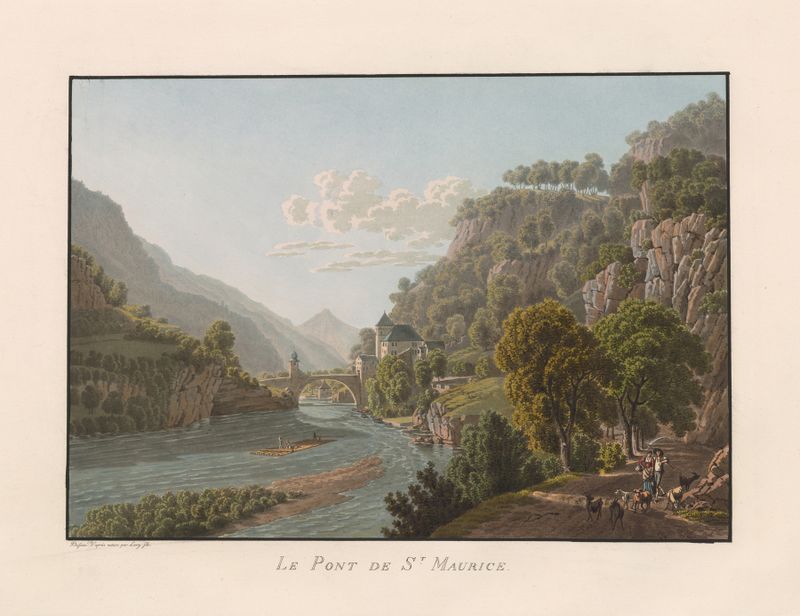
Le Pont de St. Maurice
Gabriel Lory the Younger
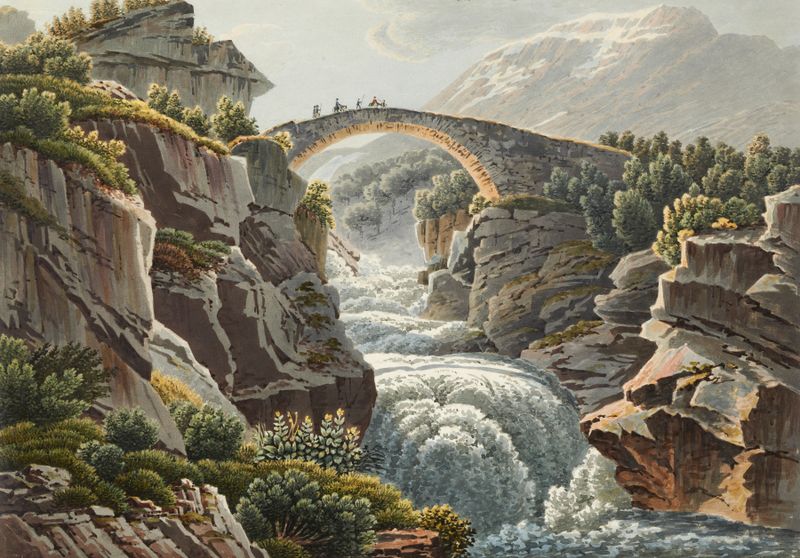
Pont sur l’Aar au passage du Grimsel
Gabriel Lory the Younger
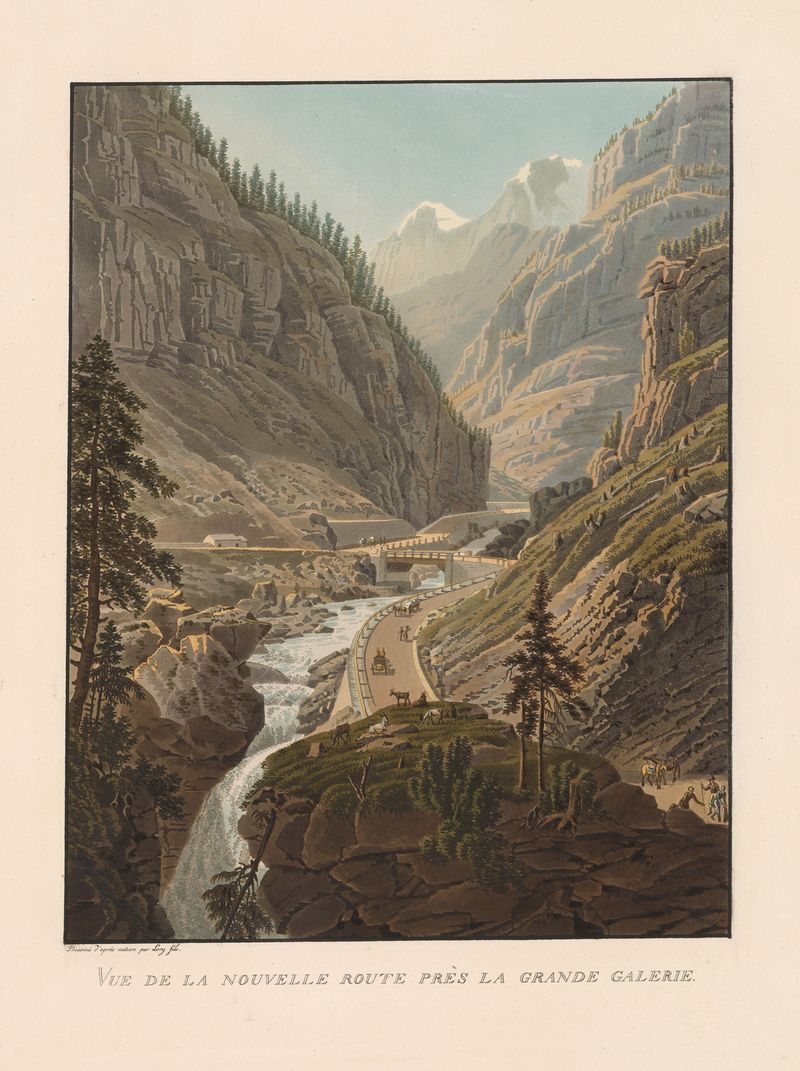
Vue de la nouvelle route près la Grande Galerie
Gabriel Lory the Younger





