
Vue de Sesto — History & Facts
Did the painter know this moment would outlive them? In Vue de Sesto, the viewer is transported to a serene perspective where nature and architecture harmoniously coexist, inviting awe for both the landscape and the artist’s vision. Focus on the sweeping view at the center, where the soft, rolling hills cradle the quaint village nestled below. Look to the left, where gentle strokes of green and gold illuminate the foliage, while the subtle play of light on the rooftops hints at late afternoon sun. The delicate brushwork captures the atmosphere with remarkable precision, creating a palpable sense of tranquility and inviting the eye to wander through the meticulously crafted details. Beneath the idyllic surface lies a deeper narrative, where each element speaks to the harmony of human endeavor and natural beauty.
The juxtaposition of the vibrant landscape with the calm architecture suggests a unity that transcends time. The distant mountains loom quietly, echoing the transient nature of human existence against the permanence of the earth, evoking a bittersweet awareness of life’s fleeting moments. Gabriel Lory the Younger painted Vue de Sesto in 1811 while residing in Switzerland. This period marked his exploration of landscapes, influenced by the Romantic movement, which celebrated the sublime aspects of nature.
Amidst the political upheaval of Europe, his focus on serene vistas reflected a desire for refuge in beauty, allowing both himself and future viewers a moment of peace within chaotic times.
More Artworks by Gabriel Lory the Younger
Browse all →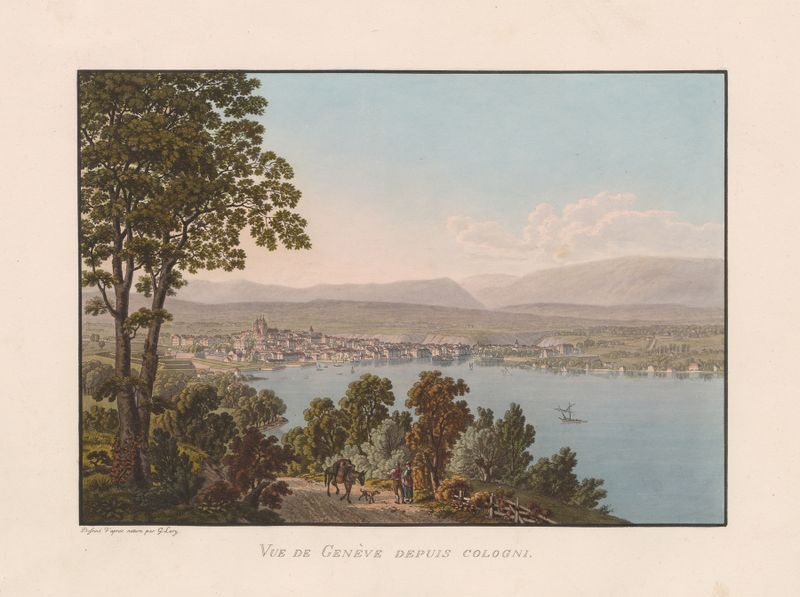
Vue de Genève depuis Cologni
Gabriel Lory the Younger
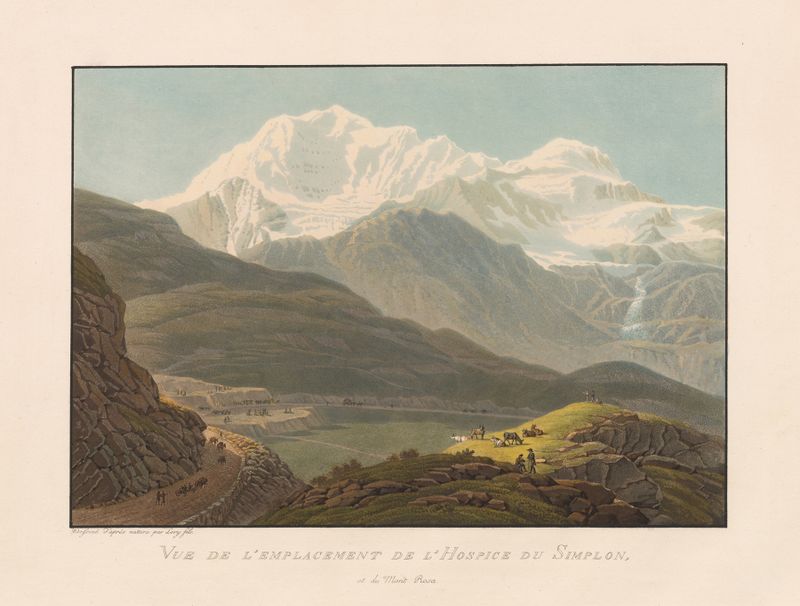
Vue de l’emplacement de l’Hospice du Simplon, et du Mont Rosa
Gabriel Lory the Younger
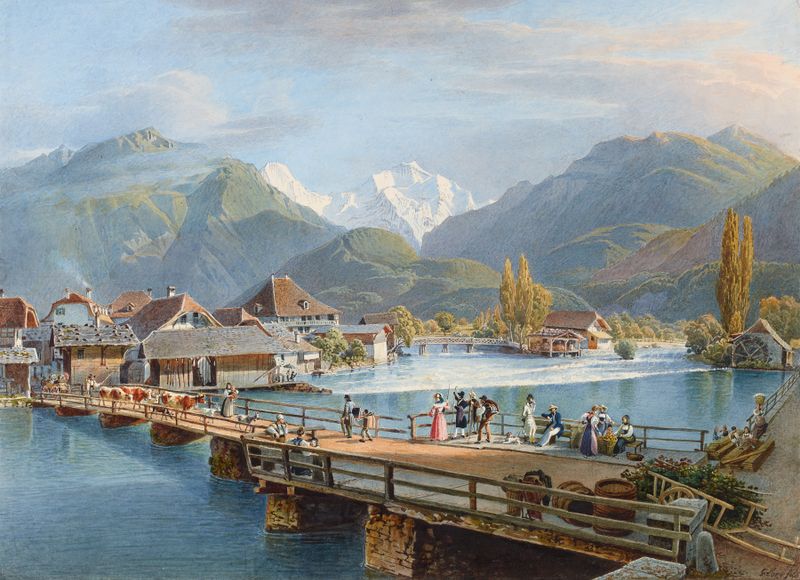
Unterseen mit Blick auf die Jungfrau
Gabriel Lory the Younger
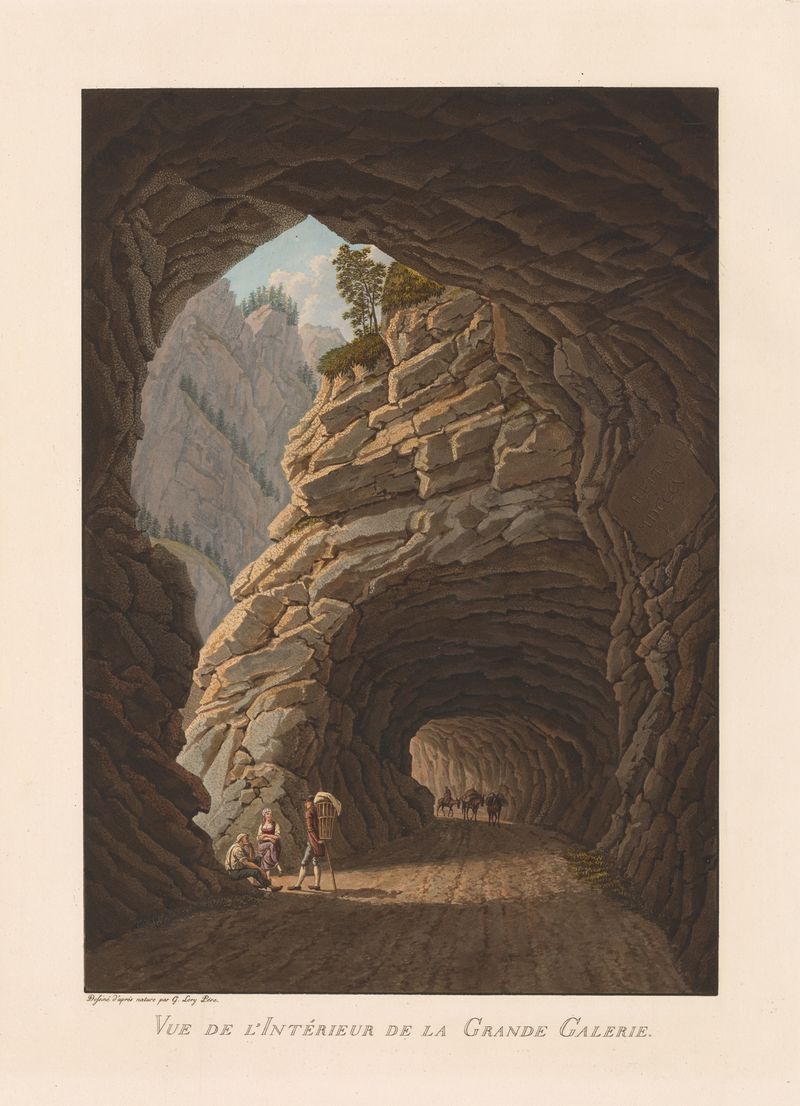
Vue de l’intérieur de la Grande Galerie
Gabriel Lory the Younger
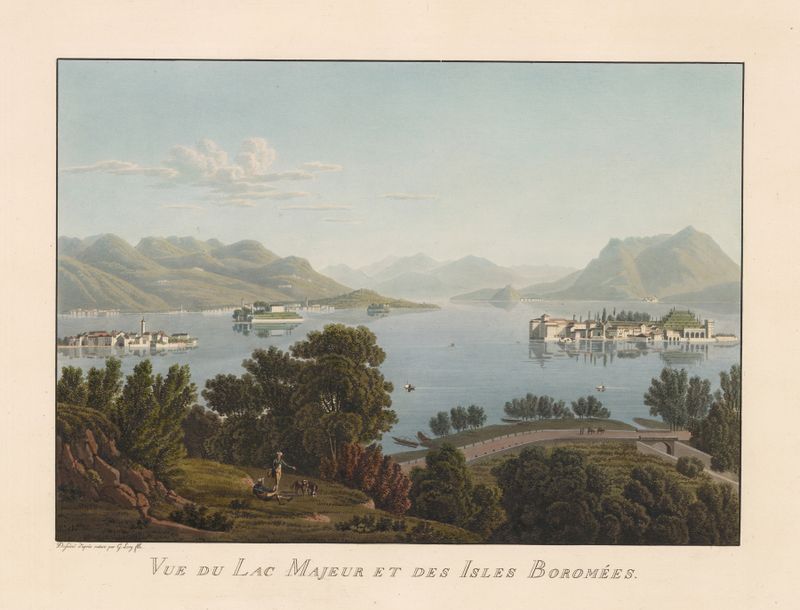
Vue du Lac Majeur et des Isles Boromées
Gabriel Lory the Younger
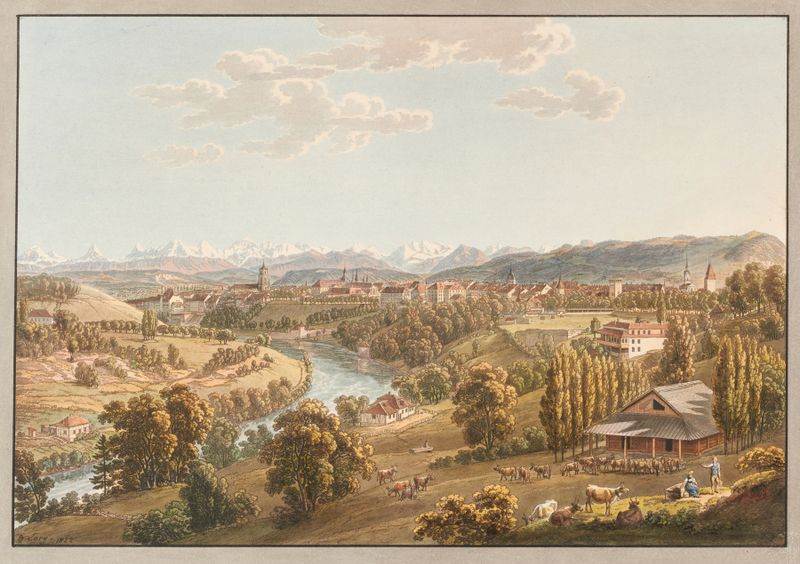
Vue de la ville de Berne
Gabriel Lory the Younger
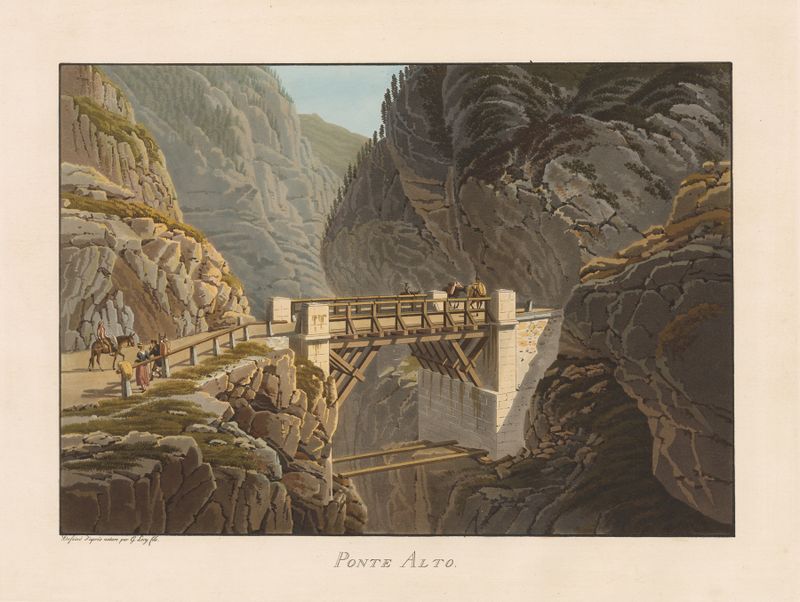
Ponte Alto
Gabriel Lory the Younger
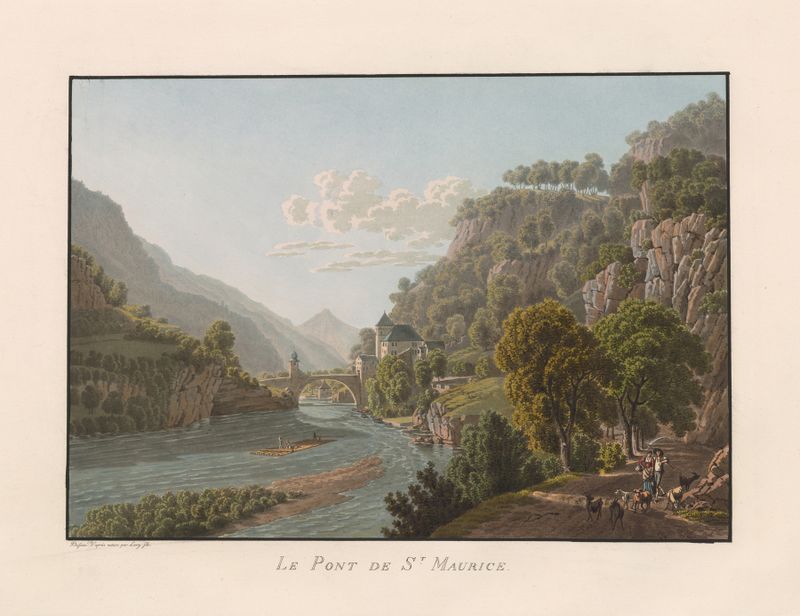
Le Pont de St. Maurice
Gabriel Lory the Younger
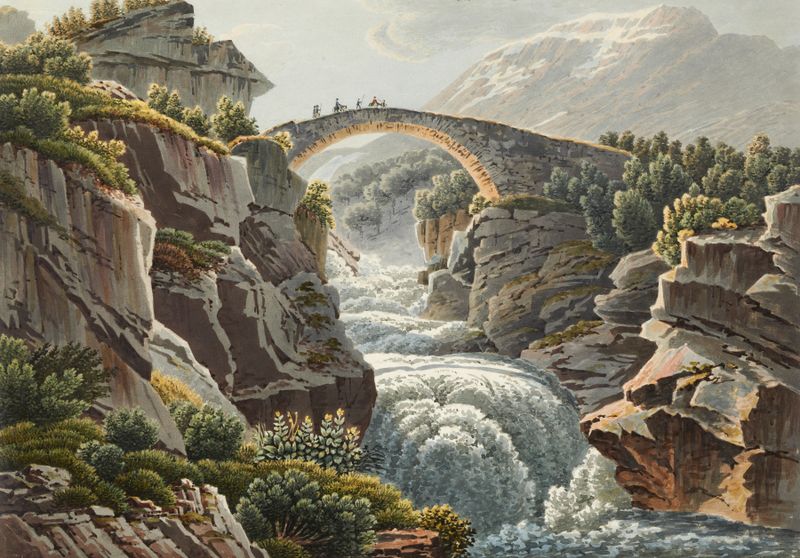
Pont sur l’Aar au passage du Grimsel
Gabriel Lory the Younger
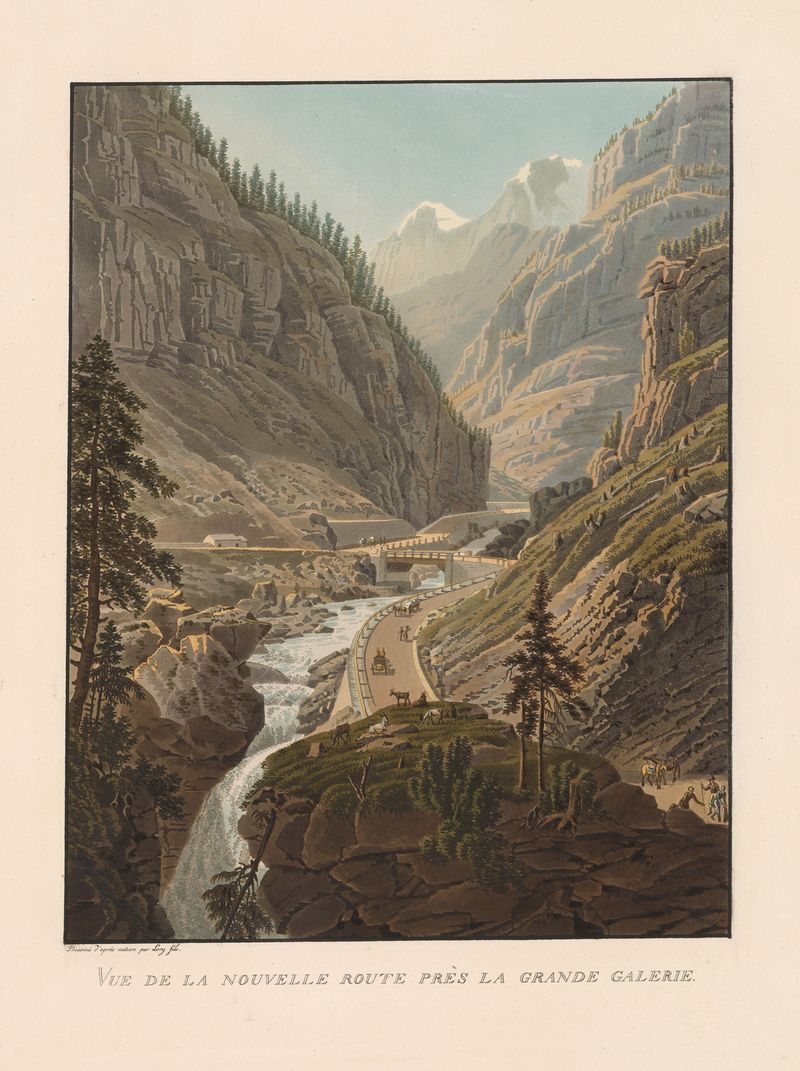
Vue de la nouvelle route près la Grande Galerie
Gabriel Lory the Younger





