
Vue de Sion prise du côté du levant — History & Facts
When did color learn to lie? The brilliance of hues can often take on a life of its own, captivating and deceiving in equal measure. Focus on the shifting blues and greens, a tapestry of nature woven into the valley before you. Notice how the vibrant strokes of the trees contrast sharply with the muted tones of the rocky landscape, guiding your eyes toward the majestic mountains in the background. The interplay of light and shadow creates depth, inviting you to explore the scene further, revealing layers of detail that whisper stories of the past. Yet, beyond the immediate beauty lies an emotional tension.
The painting captures a moment both serene and distant, a place untouched by time, yet signifying the transience of life. The foreground, alive with verdant growth, hints at vitality, while the looming, rugged mountains in the distance evoke a sense of permanence and isolation. This juxtaposition invites contemplation about the relationship between man and nature—an awe-inspiring connection fraught with both reverence and insignificance. In 1811, Gabriel Lory the Younger found himself amidst a burgeoning Romantic movement, one that celebrated the sublime beauty of nature and evoked emotional responses through art.
Working from a vantage point near Sion, Switzerland, he sought to capture not just the landscape, but the profound sense of wonder it instilled in its viewers. At this time, the art world was shifting; artists were moving beyond the constraints of neoclassicism, and Lory’s work exemplifies this exploration of emotion through the lens of the natural world.
More Artworks by Gabriel Lory the Younger
Browse all →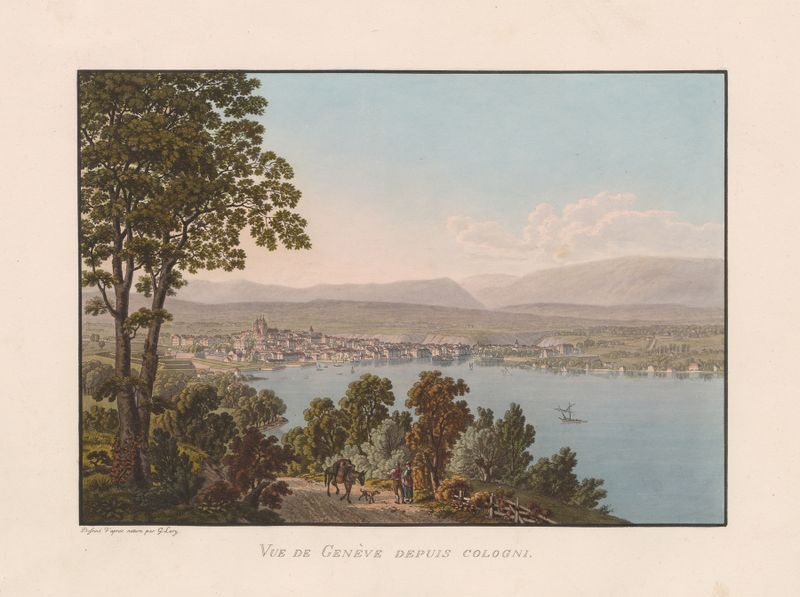
Vue de Genève depuis Cologni
Gabriel Lory the Younger
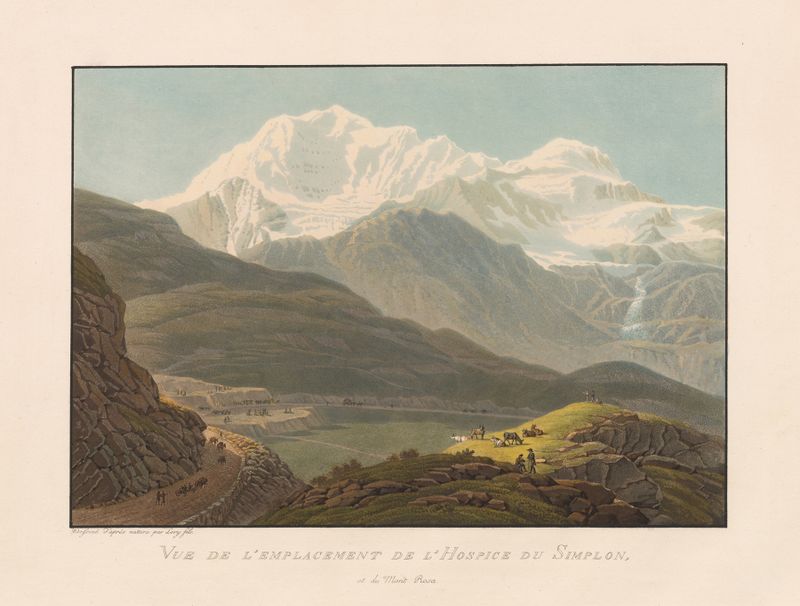
Vue de l’emplacement de l’Hospice du Simplon, et du Mont Rosa
Gabriel Lory the Younger
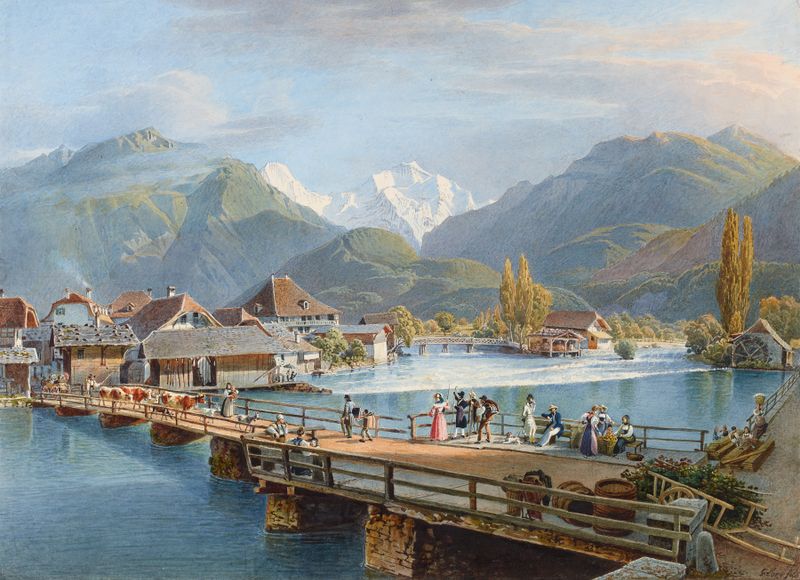
Unterseen mit Blick auf die Jungfrau
Gabriel Lory the Younger
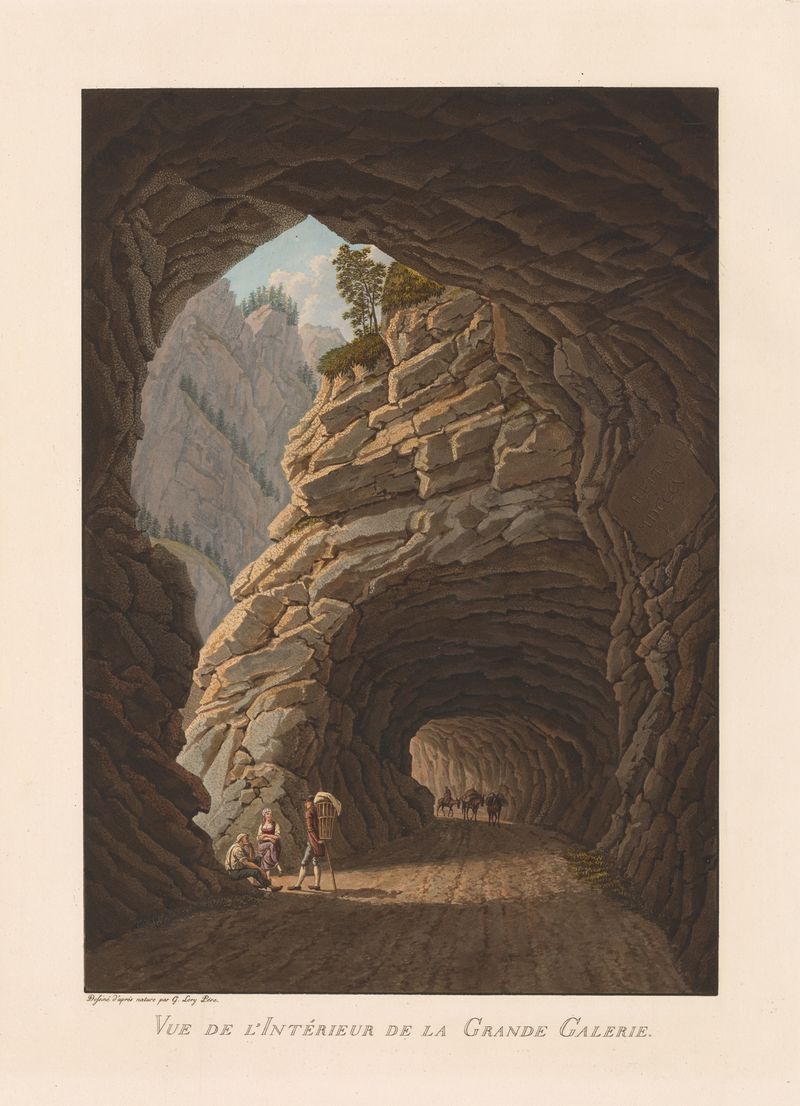
Vue de l’intérieur de la Grande Galerie
Gabriel Lory the Younger
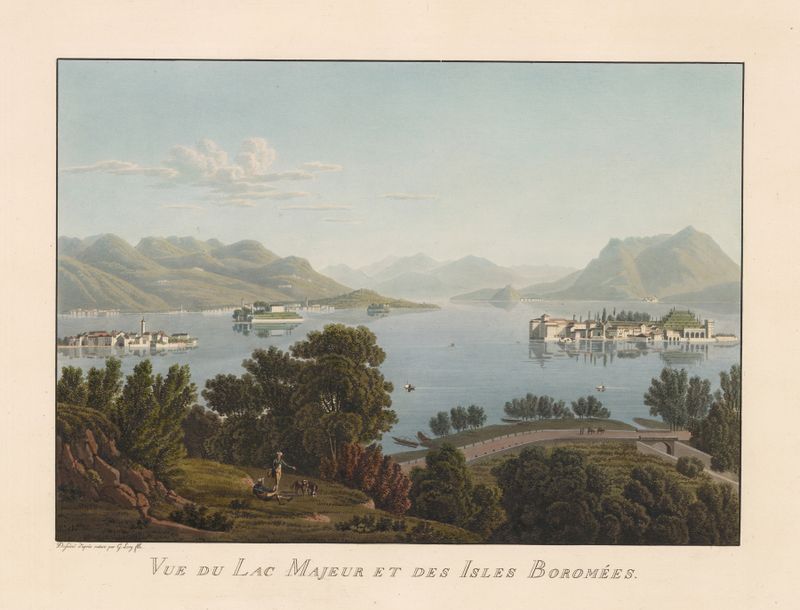
Vue du Lac Majeur et des Isles Boromées
Gabriel Lory the Younger
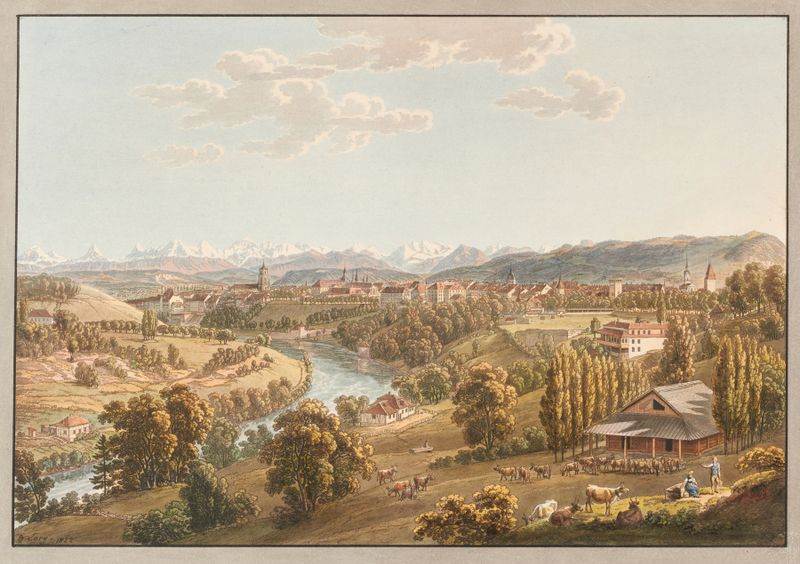
Vue de la ville de Berne
Gabriel Lory the Younger
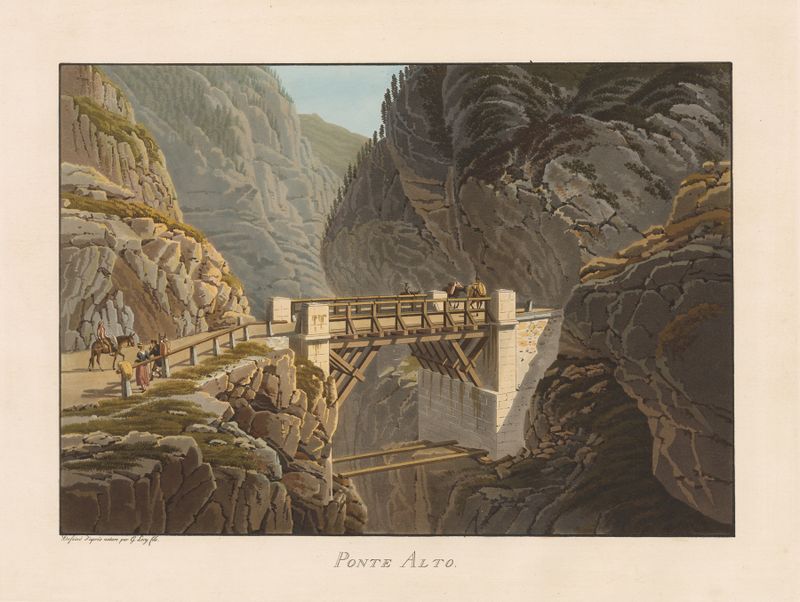
Ponte Alto
Gabriel Lory the Younger
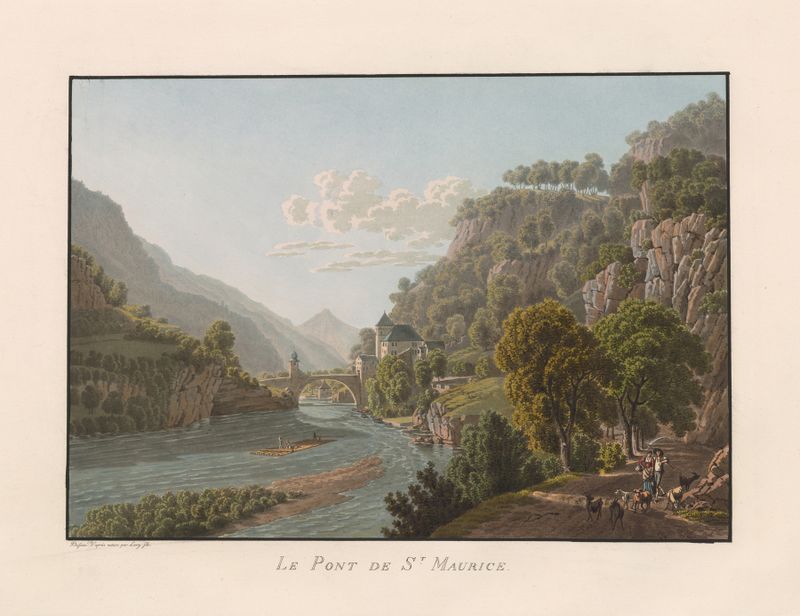
Le Pont de St. Maurice
Gabriel Lory the Younger
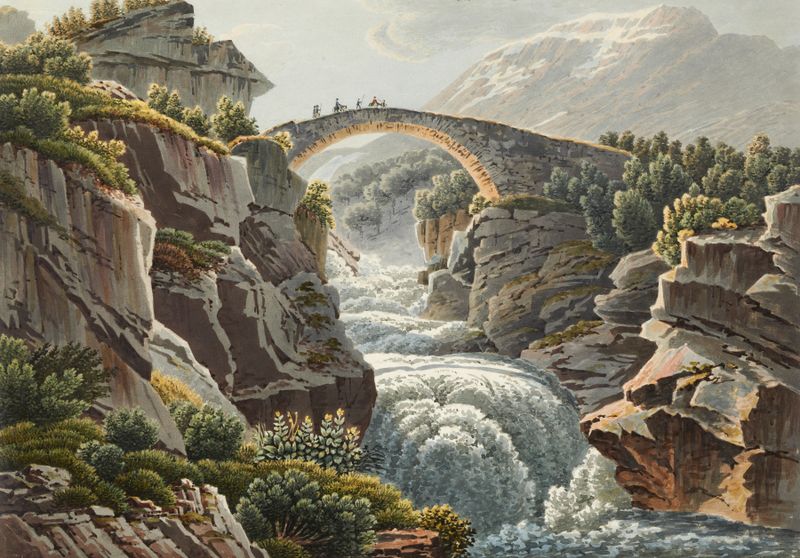
Pont sur l’Aar au passage du Grimsel
Gabriel Lory the Younger
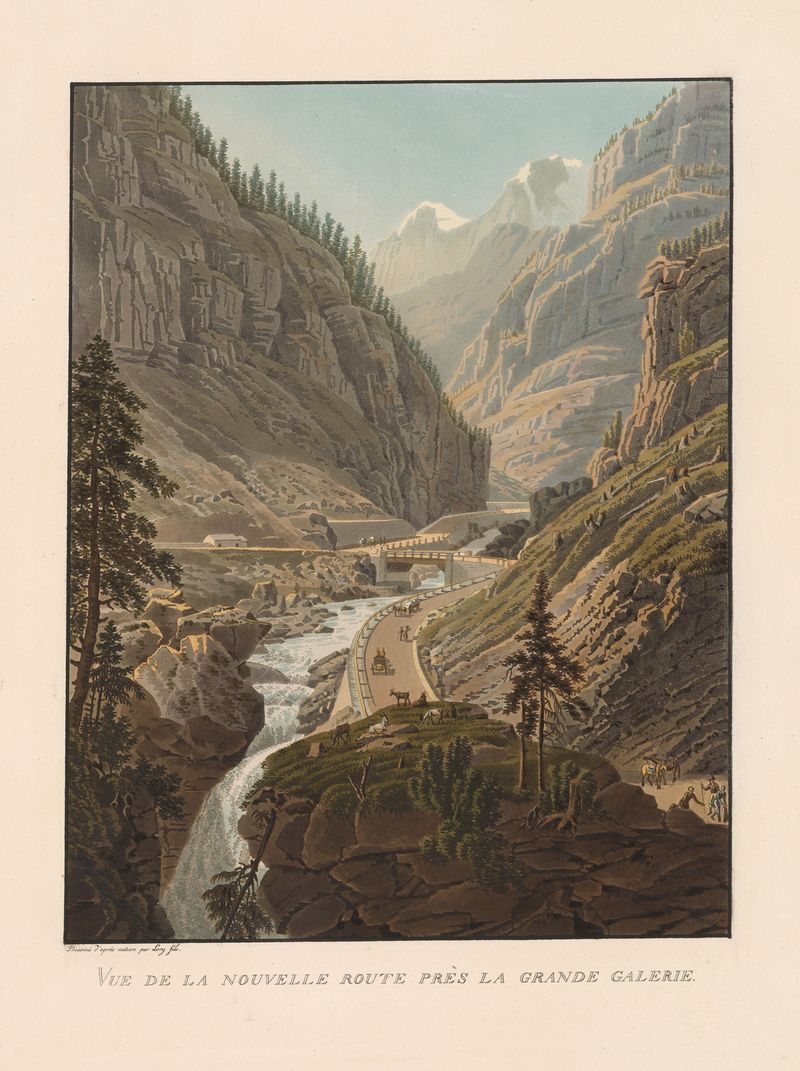
Vue de la nouvelle route près la Grande Galerie
Gabriel Lory the Younger





