
Vue du Pont de Crevola — History & Facts
In the stillness of this painted vista, one can sense the weight of yearning — a longing for connection, a bridge to the heart of nature itself. Look to the left at the elegantly arched bridge, its contours harmonizing seamlessly with the serene waters below. Notice how the soft, muted greens of the surrounding landscape cradle the scene, while gentle touches of azure in the sky create an ethereal backdrop. The meticulous brushwork reveals a delicate play of light and shadow that dances across the surface, inviting you to explore the quiet depths of this moment. In the distance, the faint outlines of mountains suggest both majesty and isolation, speaking to the tension between the grandeur of nature and the solitary experience of the viewer.
The figures, though small, are essential; their positioning reflects a sense of separation, an unspoken narrative of desire and distance. The bridge, an emblem of connection, stands stark against the expansive landscape, evoking a profound sense of longing and unresolved emotions that resonate throughout the piece. Gabriel Lory the Younger painted Vue du Pont de Crevola in 1811 while residing in Switzerland, a period marked by his deep engagement with landscapes that captured the sublime beauty of the natural world. The early 19th century was an era of Romanticism, where artists sought to express the emotional and spiritual relationship between humanity and nature, a theme Lory embraced wholeheartedly in his work.
More Artworks by Gabriel Lory the Younger
Browse all →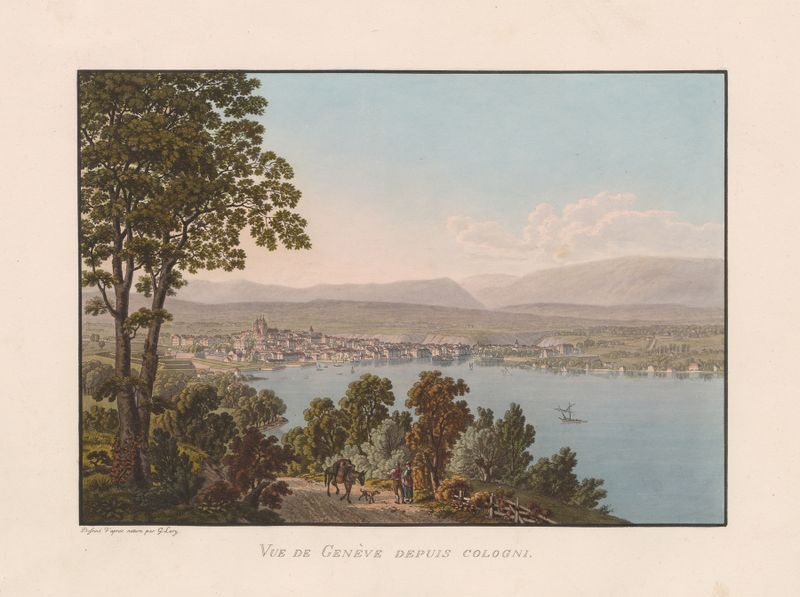
Vue de Genève depuis Cologni
Gabriel Lory the Younger
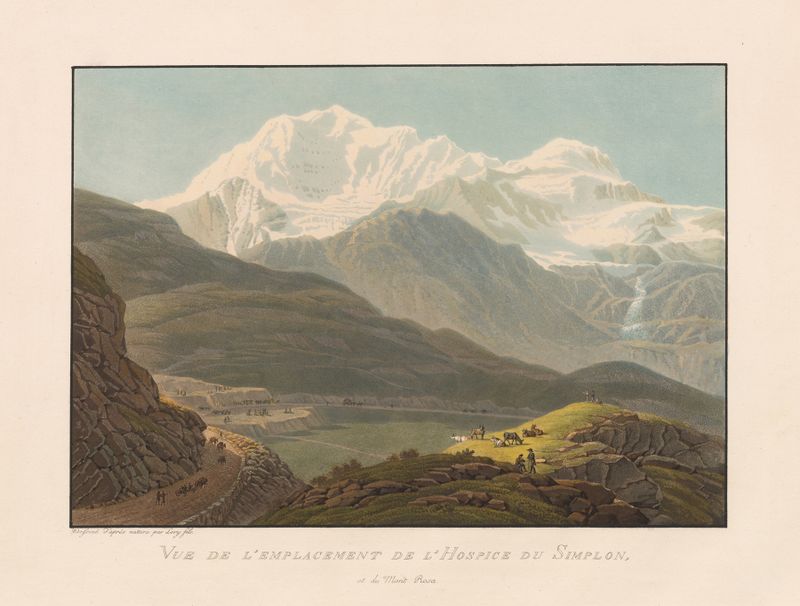
Vue de l’emplacement de l’Hospice du Simplon, et du Mont Rosa
Gabriel Lory the Younger
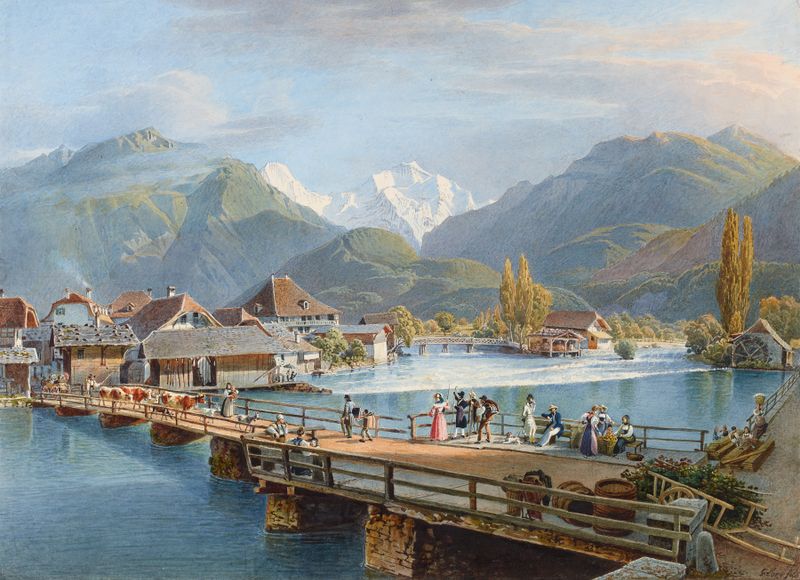
Unterseen mit Blick auf die Jungfrau
Gabriel Lory the Younger
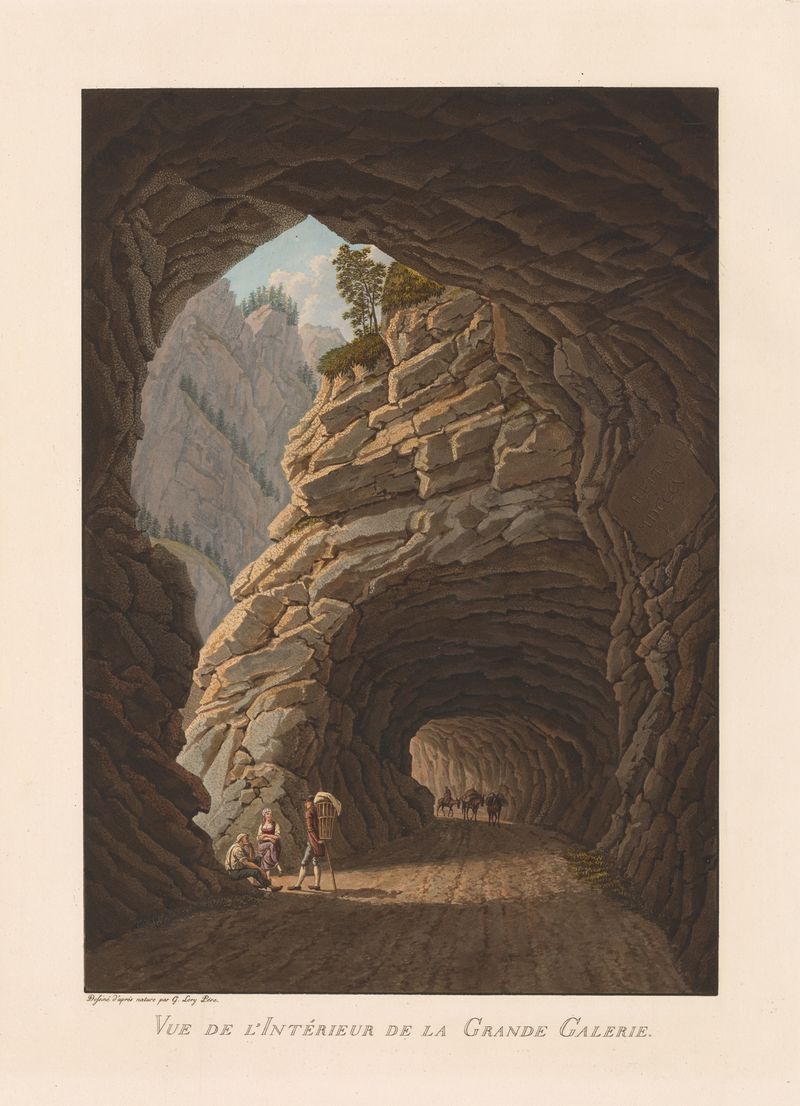
Vue de l’intérieur de la Grande Galerie
Gabriel Lory the Younger
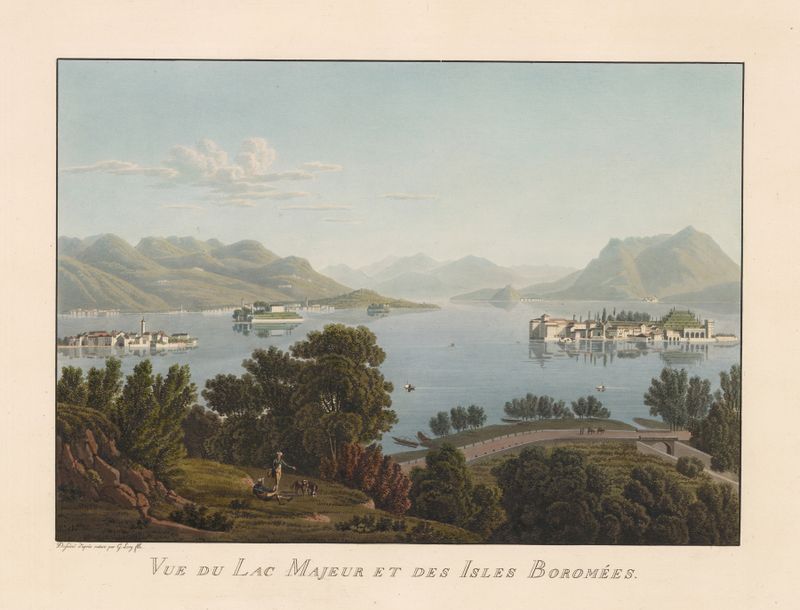
Vue du Lac Majeur et des Isles Boromées
Gabriel Lory the Younger
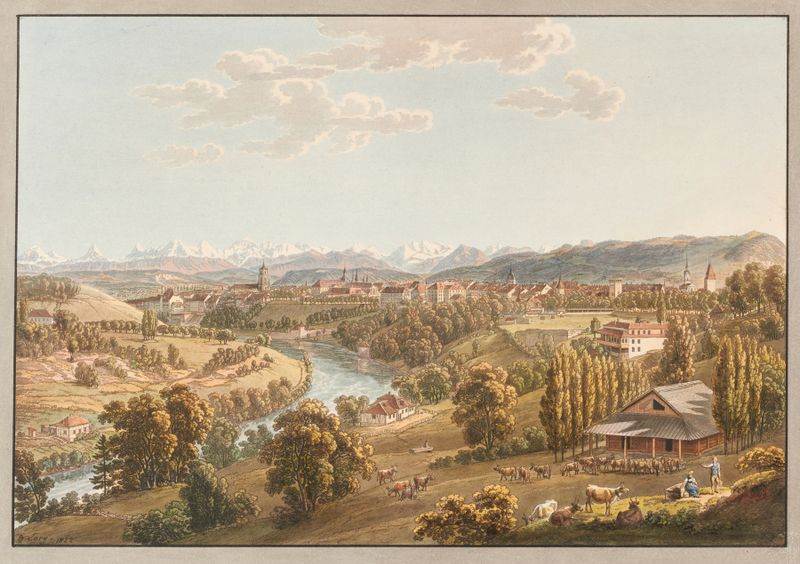
Vue de la ville de Berne
Gabriel Lory the Younger
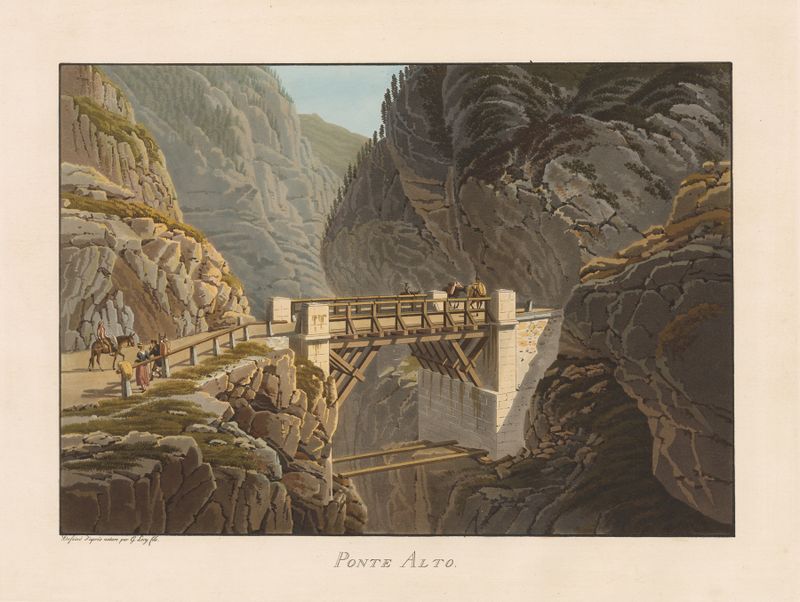
Ponte Alto
Gabriel Lory the Younger
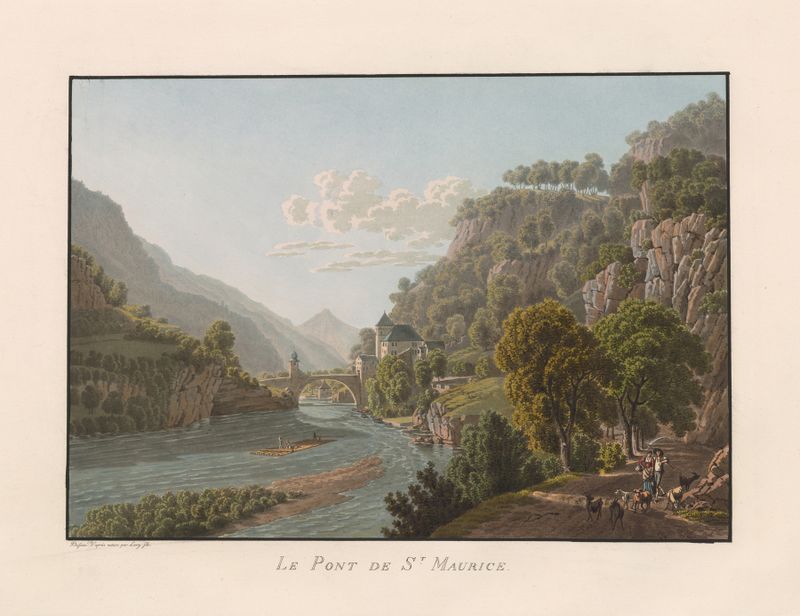
Le Pont de St. Maurice
Gabriel Lory the Younger
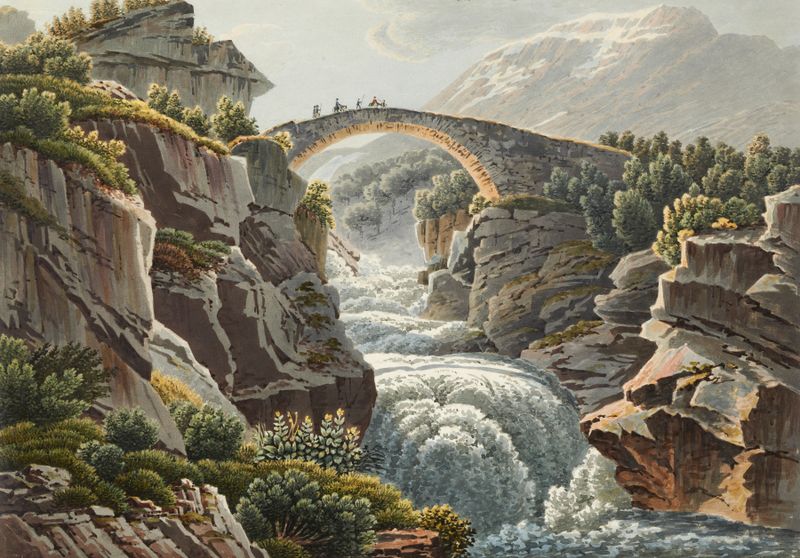
Pont sur l’Aar au passage du Grimsel
Gabriel Lory the Younger
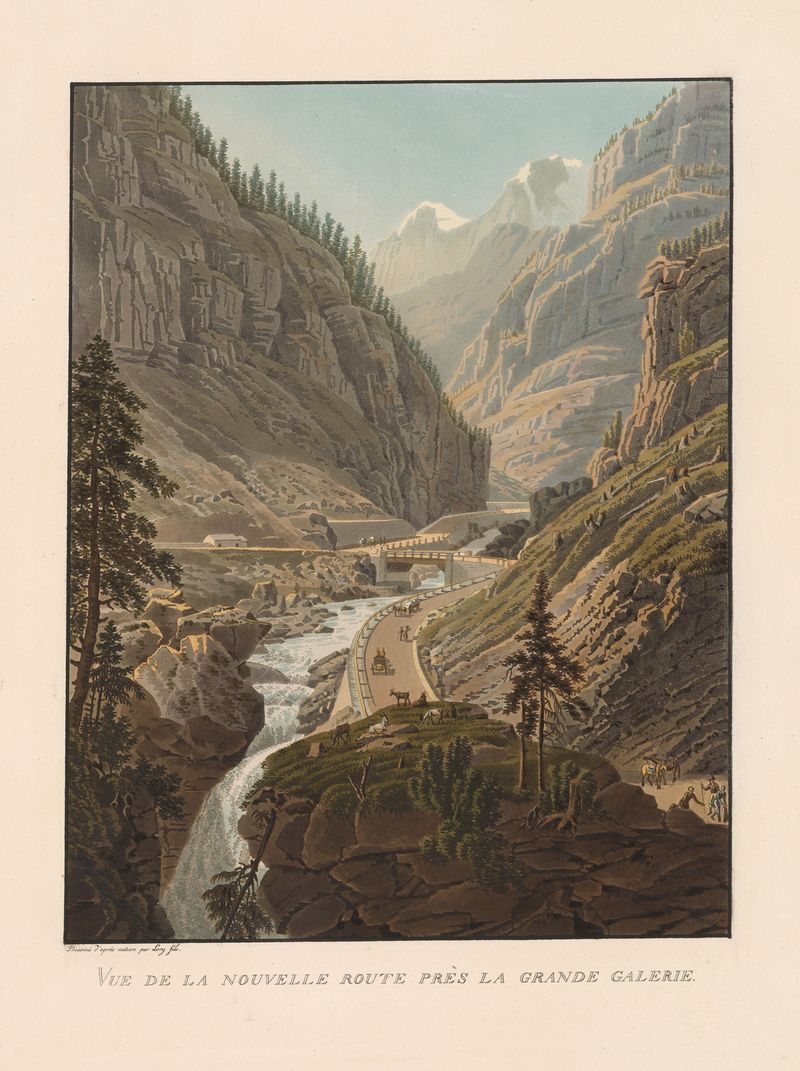
Vue de la nouvelle route près la Grande Galerie
Gabriel Lory the Younger





