
Vue du Pont de Crevola et de la Vallée de Domo D’ossola — History & Facts
What secret hides in the quiet of the canvas? In the stillness of the scene, one can almost hear the whispers of time, echoing through the valley and over the bridge that spans the picturesque landscape. Look to the left at the soothing embrace of the mountains, their peaks clad in soft tones of blue and grey, merging with the sky. The bridge, elegantly arched, invites your gaze across the water, its delicate reflections dancing upon the river's surface. Notice how the gentle hues of green and gold in the foreground contrast with the cooler shades above, creating a sense of harmony that encapsulates the viewer in a moment of tranquil beauty.
Each brushstroke is intentional, revealing the artist’s mastery in capturing both detail and atmosphere. Yet beneath this serene facade lies an undercurrent of longing. The bridge, while a symbol of connection, also evokes a sense of separation from what lies beyond—perhaps a yearning for what is unattainable. The interplay of light and shadow suggests fleeting moments, reminding us of the ephemeral nature of beauty and existence.
Here, the viewer is drawn into a dialogue with both the natural world and their own emotions, contemplating the delicate balance of presence and absence. In 1811, Gabriel Lory the Younger painted this evocative landscape amidst a burgeoning Romantic movement in art, emphasizing emotion and individual perception. Working in Switzerland, he sought to capture the sublime aspects of nature, as it resonated with a growing fascination for the landscape’s ability to reflect human sentiment. This period marked a profound shift in artistic expression, where the beauty of the natural world was celebrated as a mirror to the inner life of the observer.
More Artworks by Gabriel Lory the Younger
Browse all →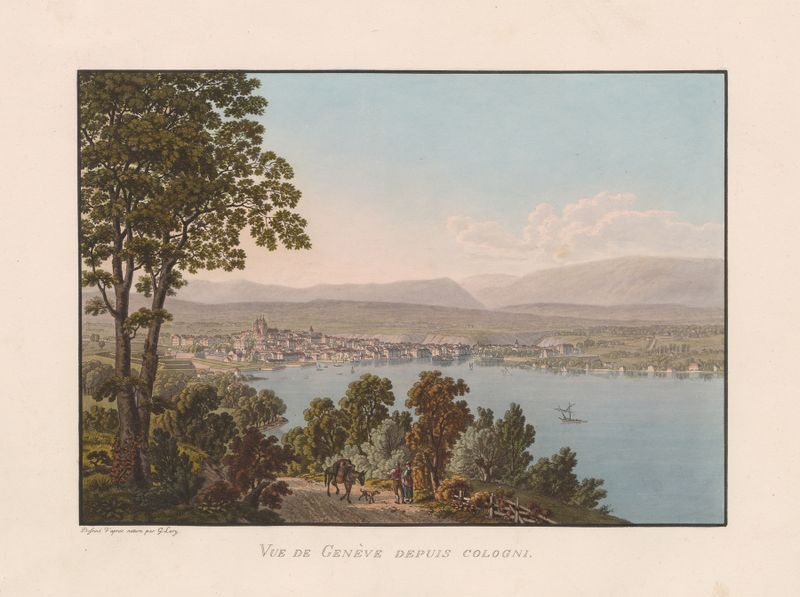
Vue de Genève depuis Cologni
Gabriel Lory the Younger
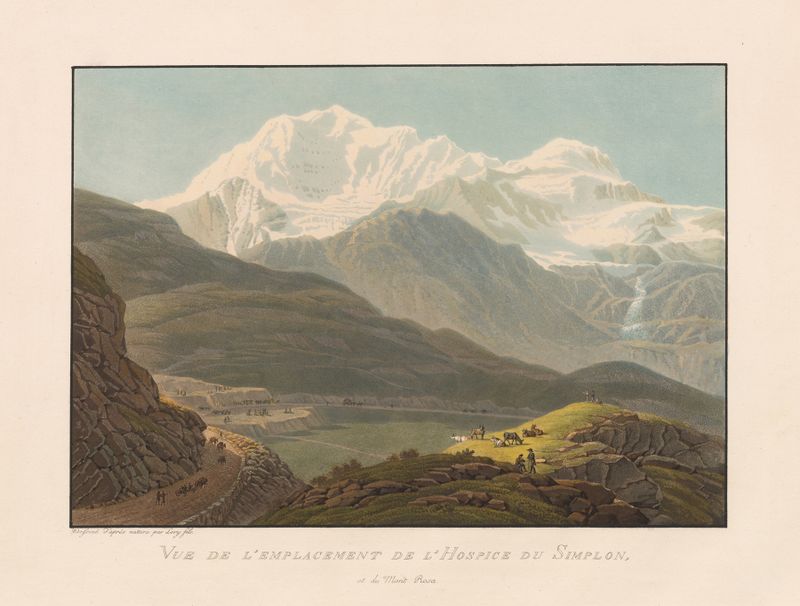
Vue de l’emplacement de l’Hospice du Simplon, et du Mont Rosa
Gabriel Lory the Younger
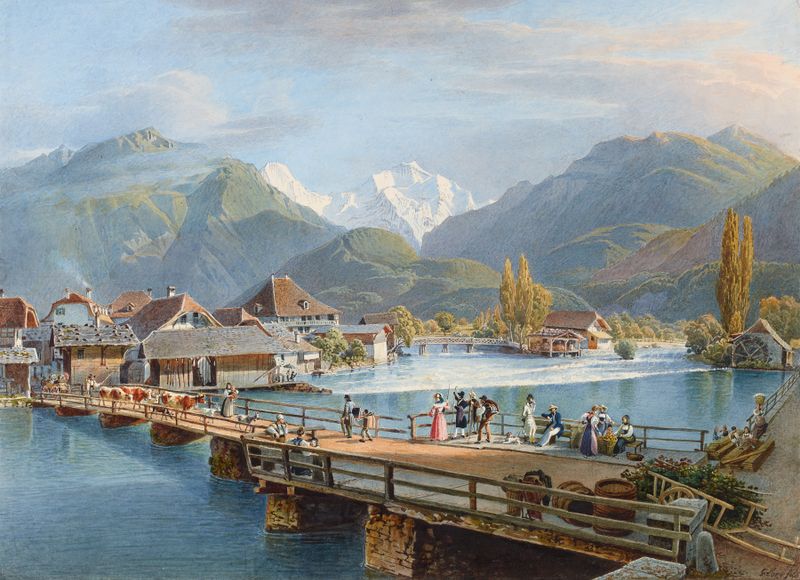
Unterseen mit Blick auf die Jungfrau
Gabriel Lory the Younger
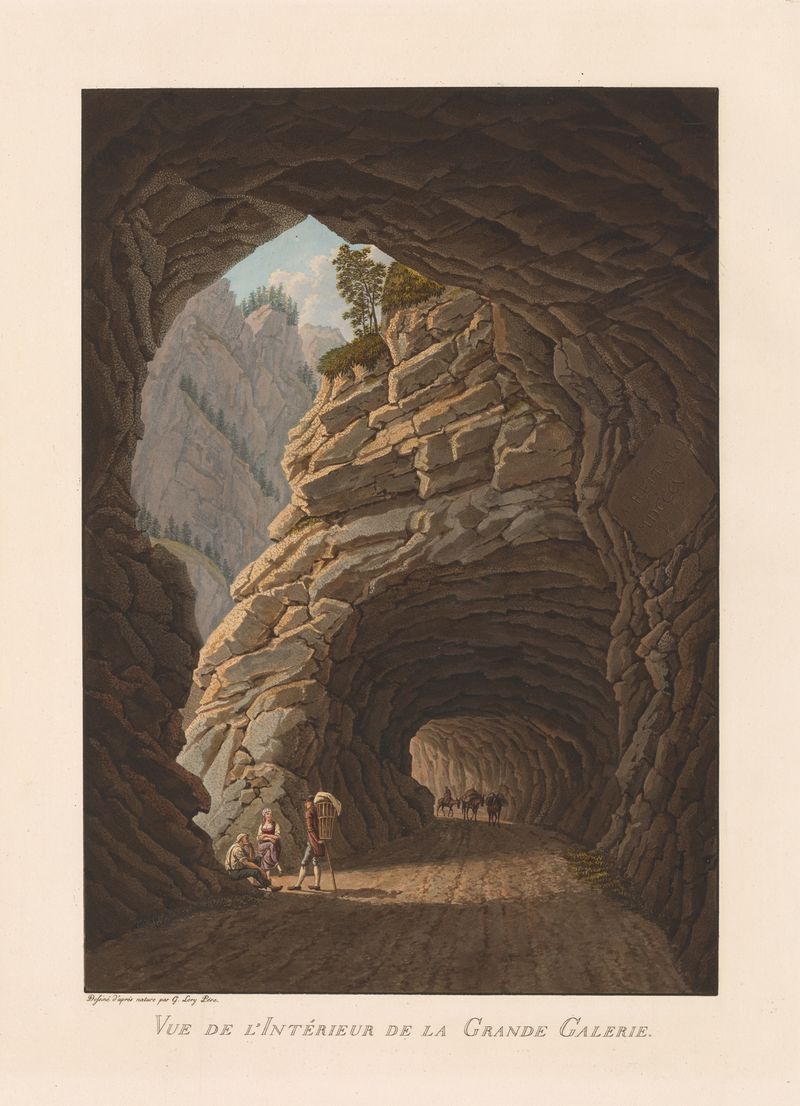
Vue de l’intérieur de la Grande Galerie
Gabriel Lory the Younger
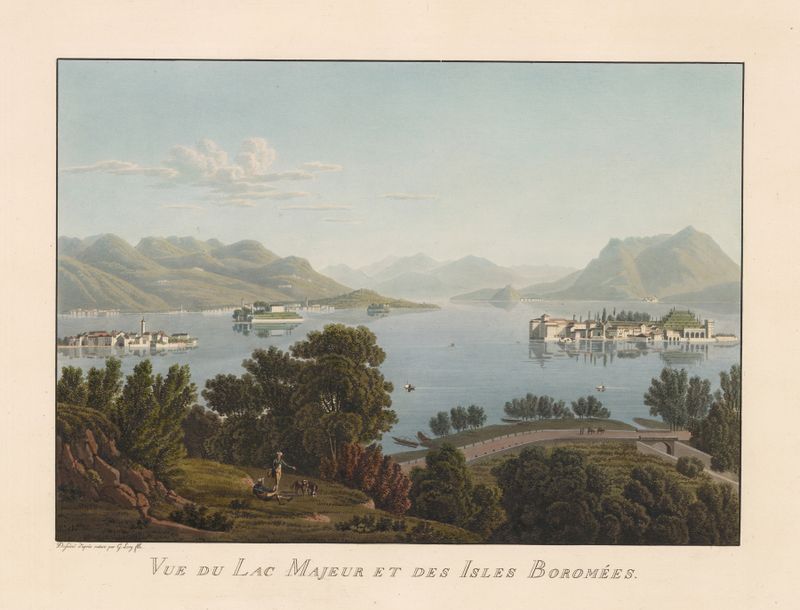
Vue du Lac Majeur et des Isles Boromées
Gabriel Lory the Younger
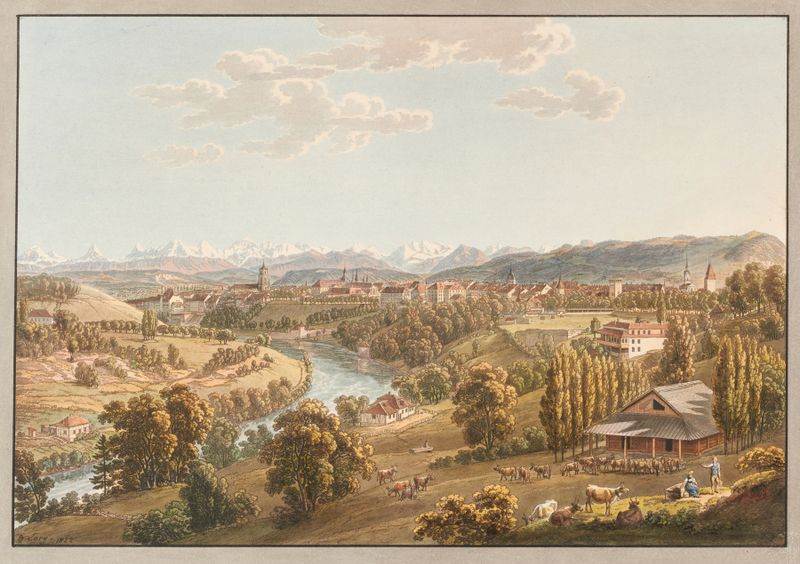
Vue de la ville de Berne
Gabriel Lory the Younger
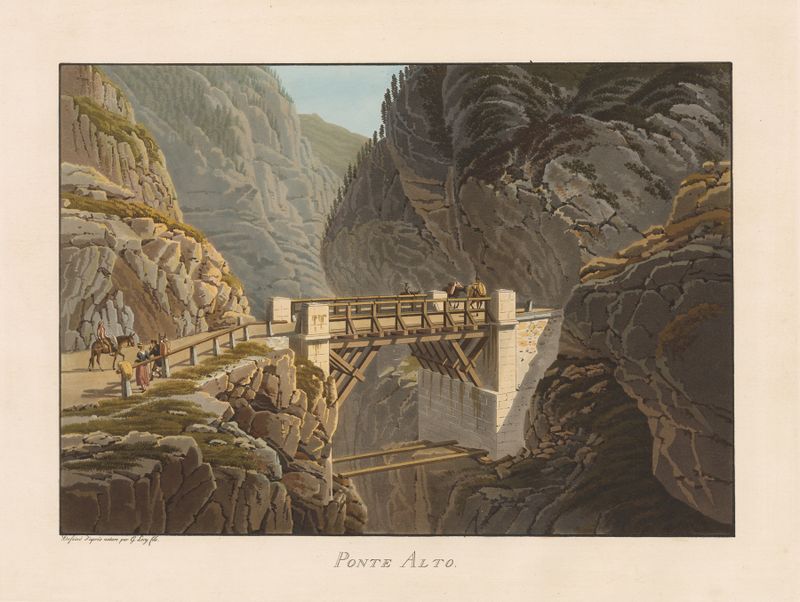
Ponte Alto
Gabriel Lory the Younger
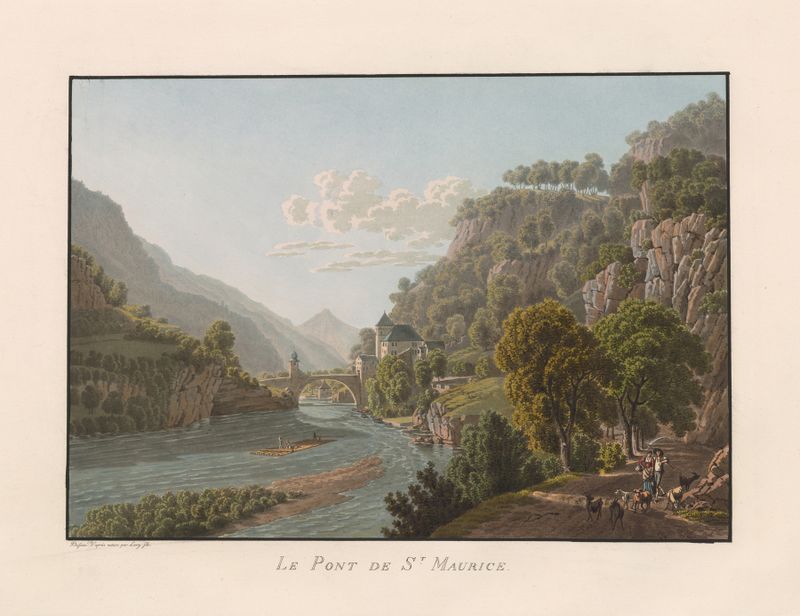
Le Pont de St. Maurice
Gabriel Lory the Younger
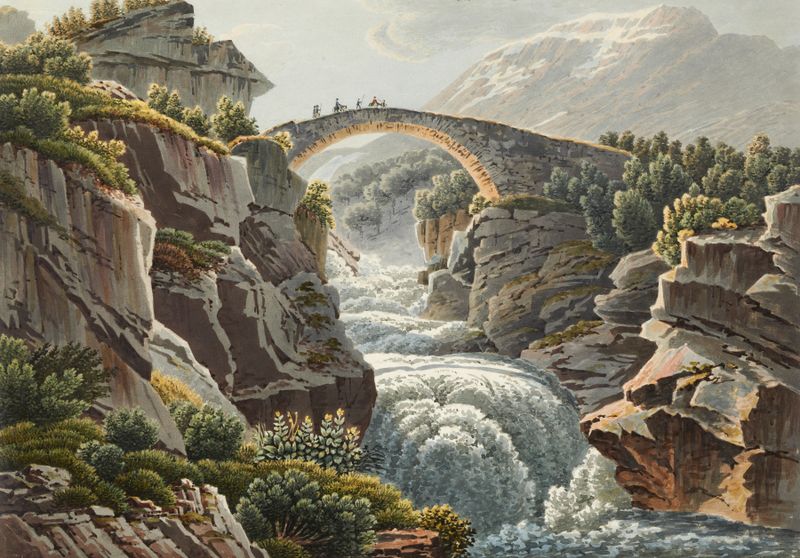
Pont sur l’Aar au passage du Grimsel
Gabriel Lory the Younger
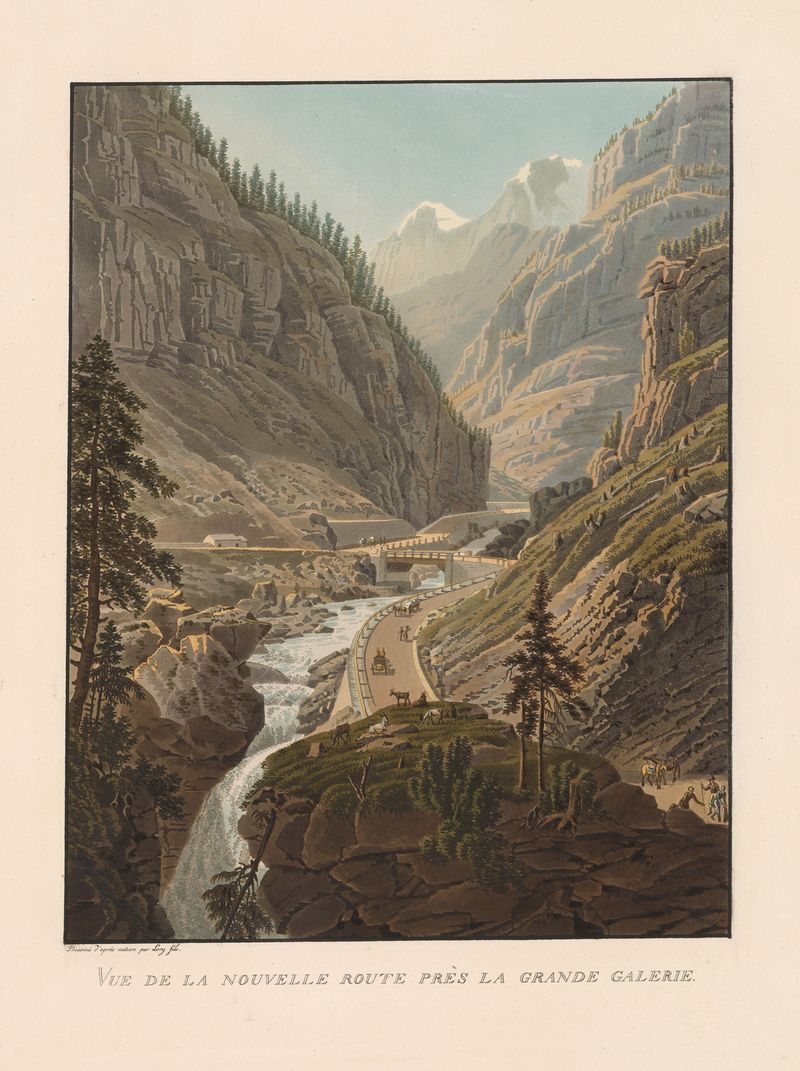
Vue de la nouvelle route près la Grande Galerie
Gabriel Lory the Younger





