
Vue près de Gondo — History & Facts
Who listens when art speaks of silence? In Vue près de Gondo, an ethereal landscape unfolds, capturing more than just a view; it whispers the quiet tales of destiny nestled in its serene folds. Look to the left at the gentle sweep of the verdant hills, their curves guiding the eye toward a distant horizon. The artist employs a soft palette of greens and blues, merging seamlessly to evoke a sense of calm that envelops the scene. Notice how the light filters through the branches, creating dappled patterns on the ground, suggesting a world alive yet still, where every brushstroke breathes tranquility into the viewer's heart. Delve deeper into the painting's dichotomy; the idyllic beauty stands in stark contrast to the unseen anxieties of existence.
The solitary figure at the edge of the landscape hints at a profound isolation, yet their presence suggests a longing for connection with the expansive nature surrounding them. This tension between solitude and the vastness of the world evokes a contemplation of fate itself, as if the viewer is invited to ponder their place within this intricate tapestry of life. In 1811, while creating this piece, Lory was situated in Switzerland, a region steeped in natural beauty and artistic awakening. This era was marked by a growing interest in Romanticism, which celebrated the sublime aspects of nature and individual experience.
Lory’s work reflects not only his personal artistic journey but also the broader shifts in a world eager to explore the emotional depths of existence through the lens of the landscape.
More Artworks by Gabriel Lory the Younger
Browse all →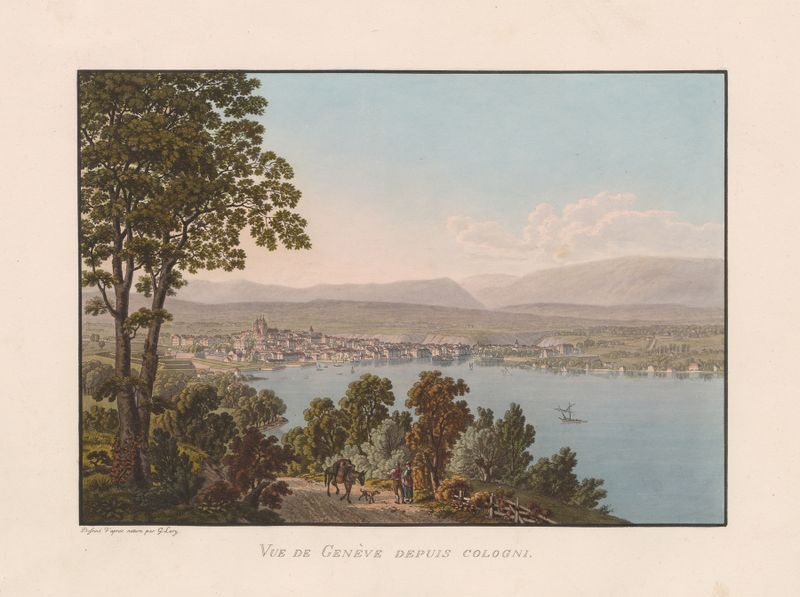
Vue de Genève depuis Cologni
Gabriel Lory the Younger
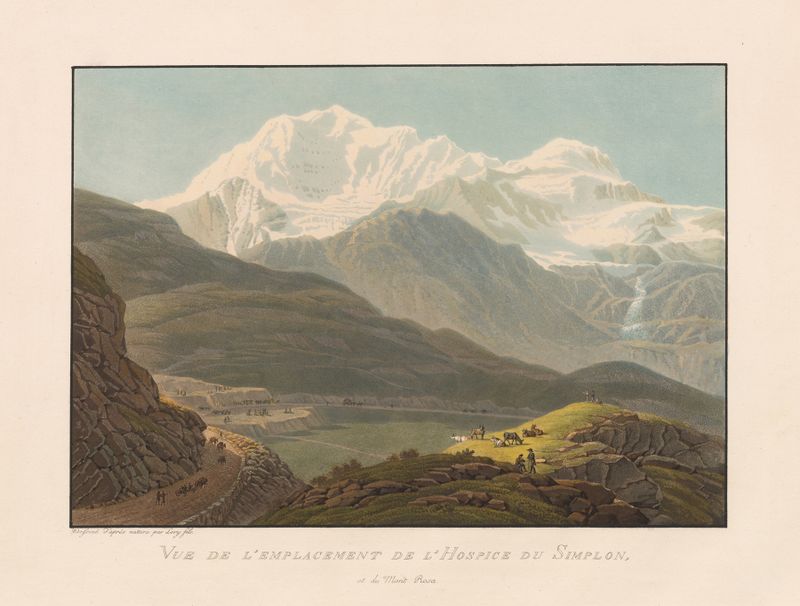
Vue de l’emplacement de l’Hospice du Simplon, et du Mont Rosa
Gabriel Lory the Younger
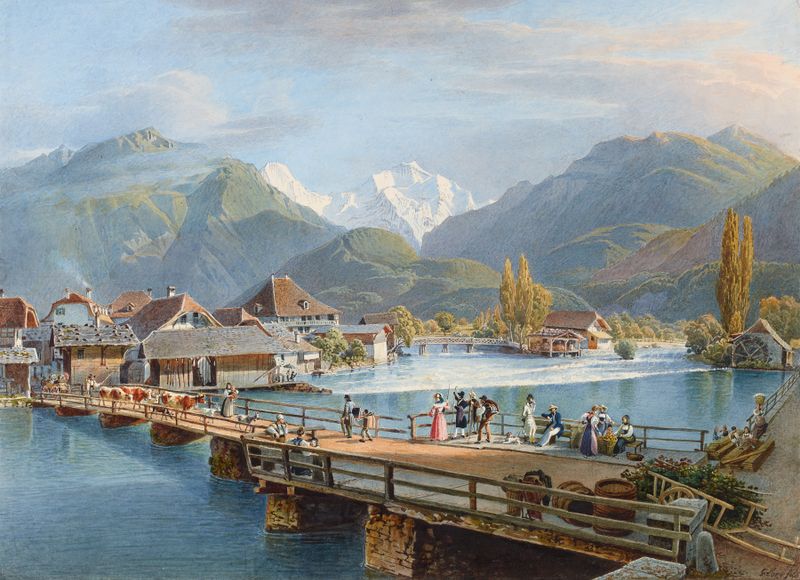
Unterseen mit Blick auf die Jungfrau
Gabriel Lory the Younger
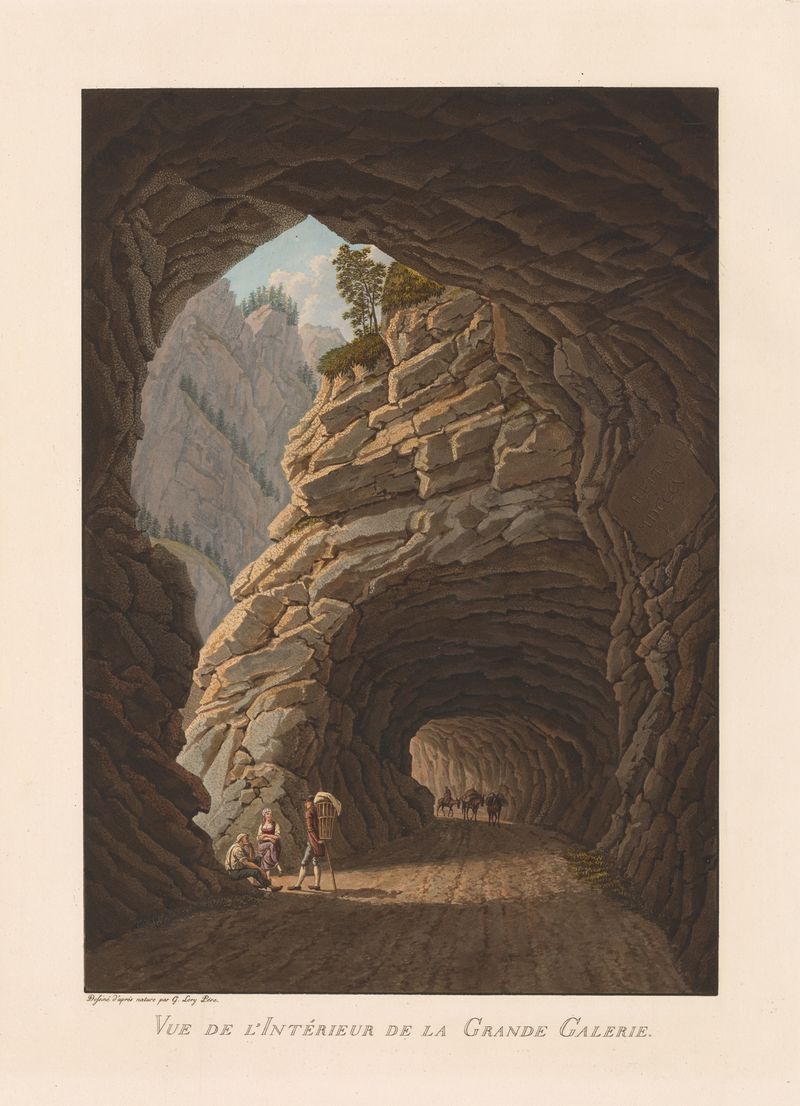
Vue de l’intérieur de la Grande Galerie
Gabriel Lory the Younger
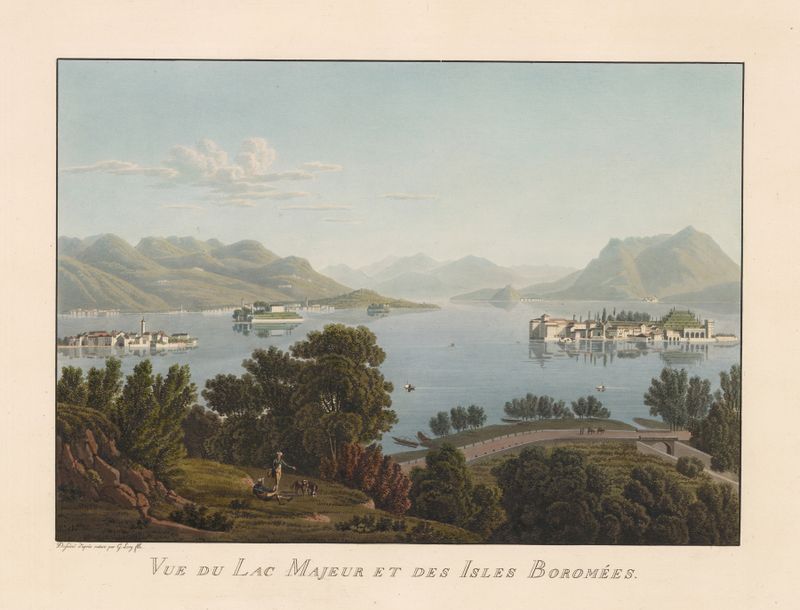
Vue du Lac Majeur et des Isles Boromées
Gabriel Lory the Younger
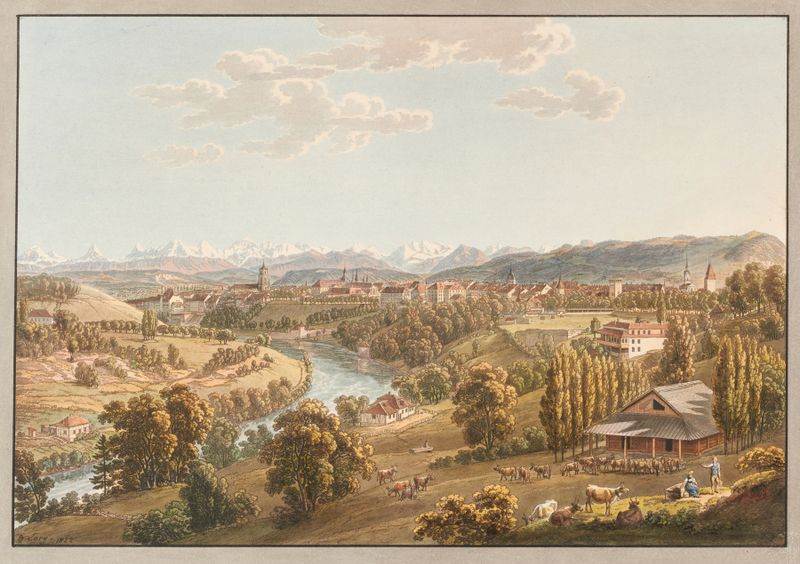
Vue de la ville de Berne
Gabriel Lory the Younger
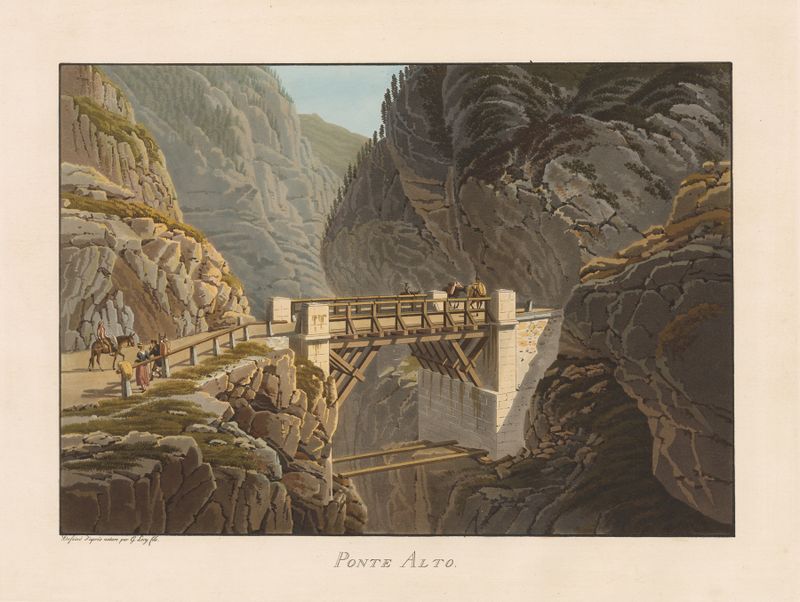
Ponte Alto
Gabriel Lory the Younger
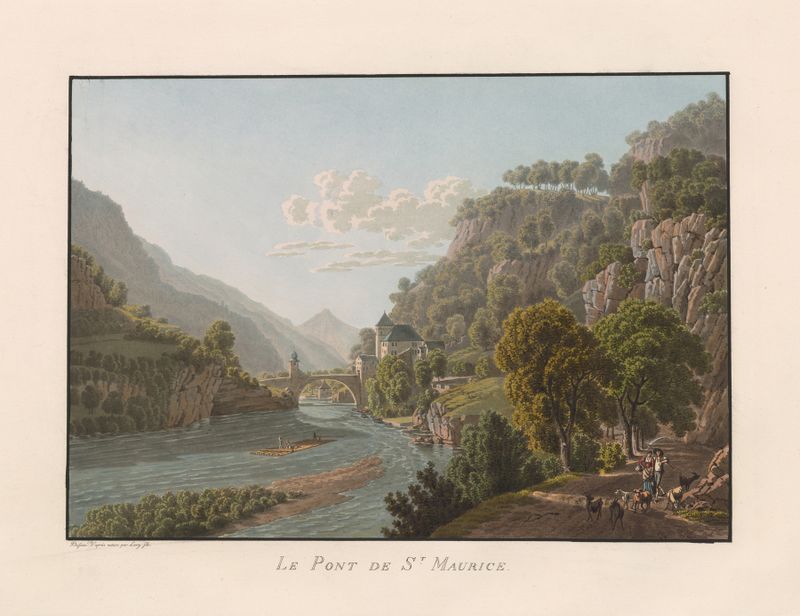
Le Pont de St. Maurice
Gabriel Lory the Younger
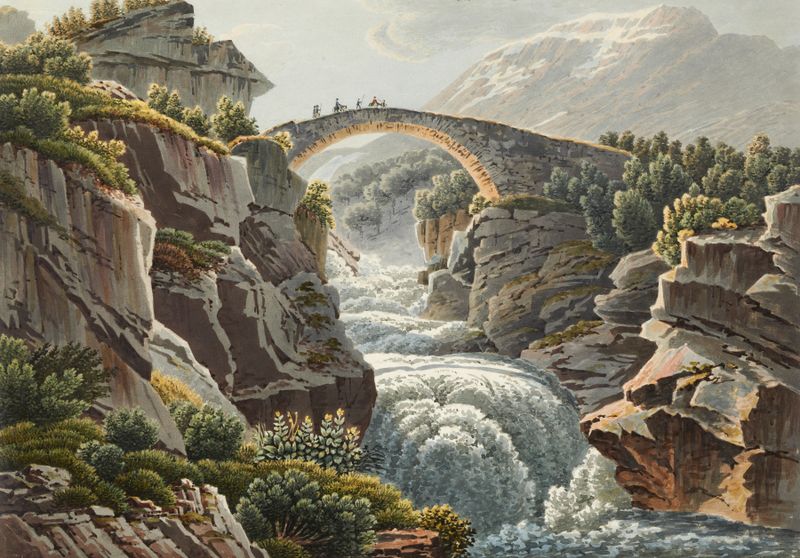
Pont sur l’Aar au passage du Grimsel
Gabriel Lory the Younger
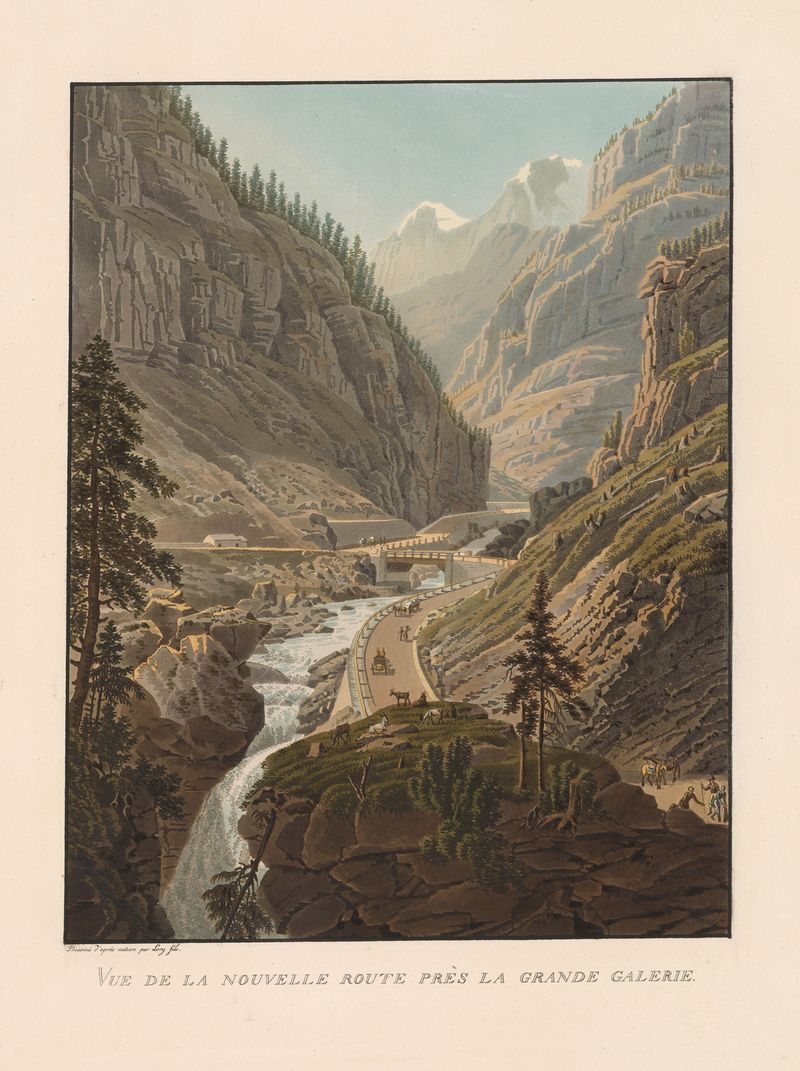
Vue de la nouvelle route près la Grande Galerie
Gabriel Lory the Younger





