
Vuur — History & Facts
In the soft flicker of candlelight, hidden sorrows shimmer like gilded whispers. Look to the center of the canvas, where a radiant, almost surreal light emanates from a cluster of flames, illuminating the scene with an ethereal glow. Surrounding this fire, figures are caught in both reverence and fear, their expressions hinting at the duality of devastation and hope. The rich color palette of deep reds and golden hues encapsulates the volatile nature of grief, while the masterful brushwork invites you to trace the delicate contrasts between shadow and light. Beneath the surface, the composition speaks to the tension between destruction and renewal.
The flames represent not only loss but also the transformative power of grief, where beauty emerges from the ashes of despair. Each character's posture and gaze reflect an emotional landscape filled with longing and uncertainty, suggesting that within the depths of sorrow lies the potential for profound beauty and resilience. Reinier Nooms painted Vuur between 1651 and 1652 during a time of personal trials and societal upheaval in the Netherlands. The country was grappling with the aftermath of the Thirty Years' War, leading to a period of reflection and emotional intensity in art.
Nooms, drawing from his own experiences, captured the complex interplay of light and dark, merging personal grief with the broader human experience of loss.
More Artworks by Reinier Nooms
Browse all →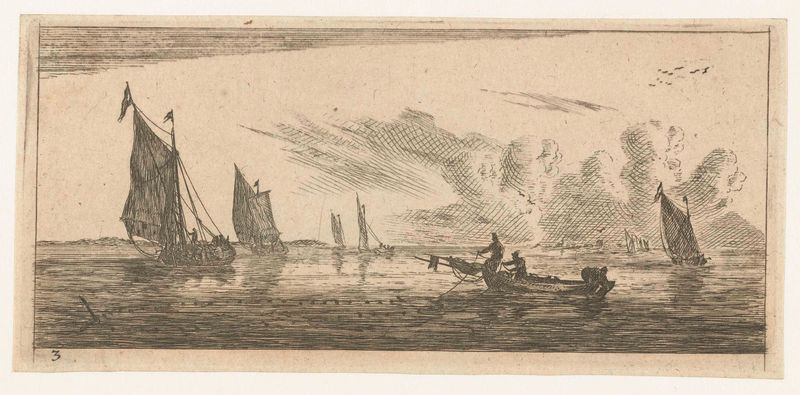
Zeegezicht met verschillende zeilschepen
Reinier Nooms
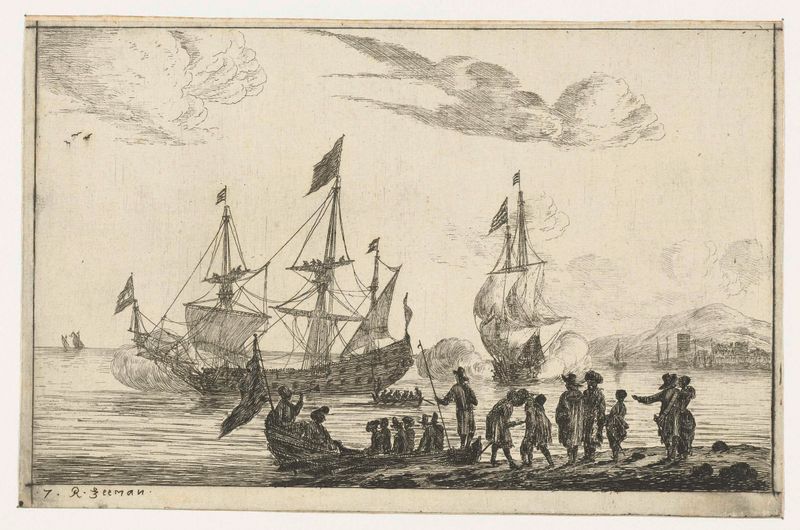
Havenscène met een spiegelsloep
Reinier Nooms
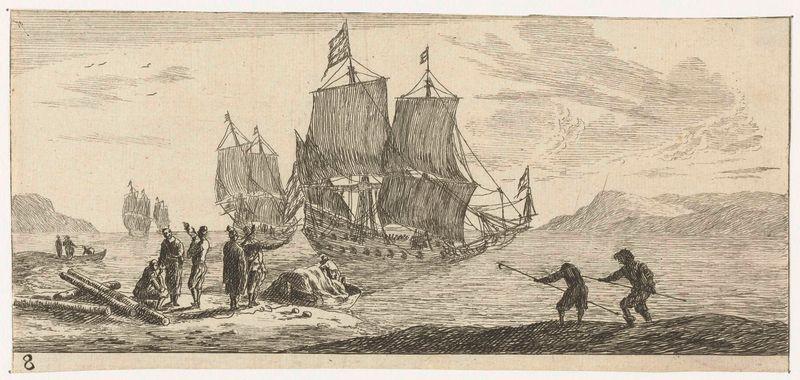
Vier grote zeilschepen in een baai
Reinier Nooms
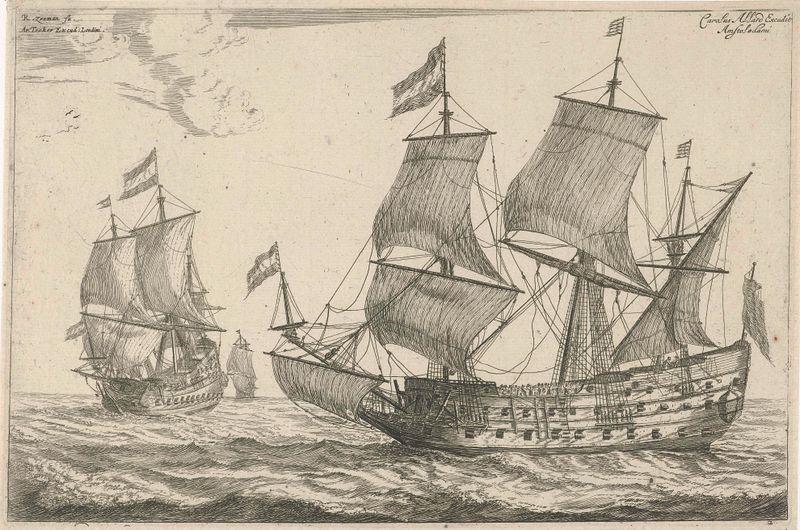
Twee grote oorlogsschepen
Reinier Nooms
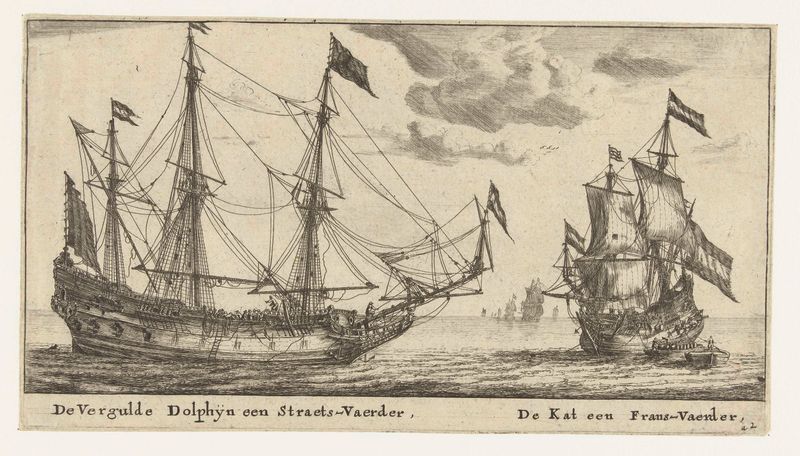
De schepen De Vergulde Dolfijn en De Kat
Reinier Nooms
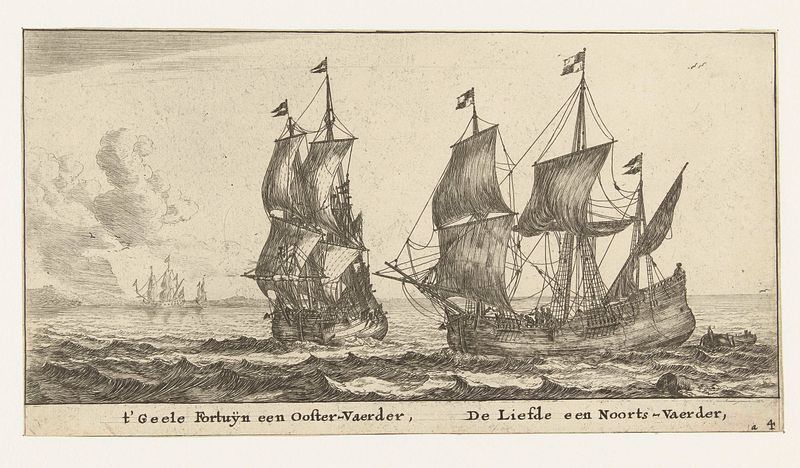
De schepen 't Gele Fortuin en De Liefde
Reinier Nooms
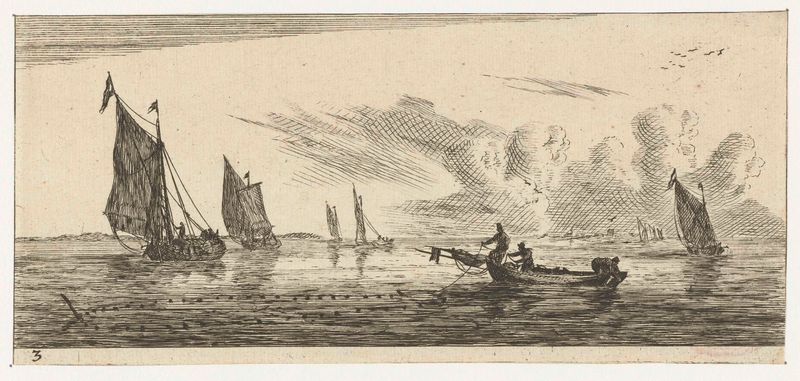
Zeegezicht met verschillende zeilschepen
Reinier Nooms
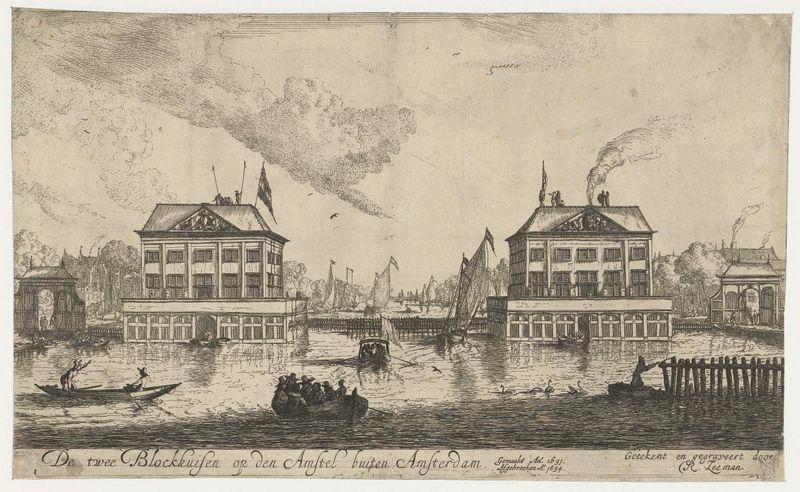
Gezicht op de twee Blokhuizen in de Amstel
Reinier Nooms
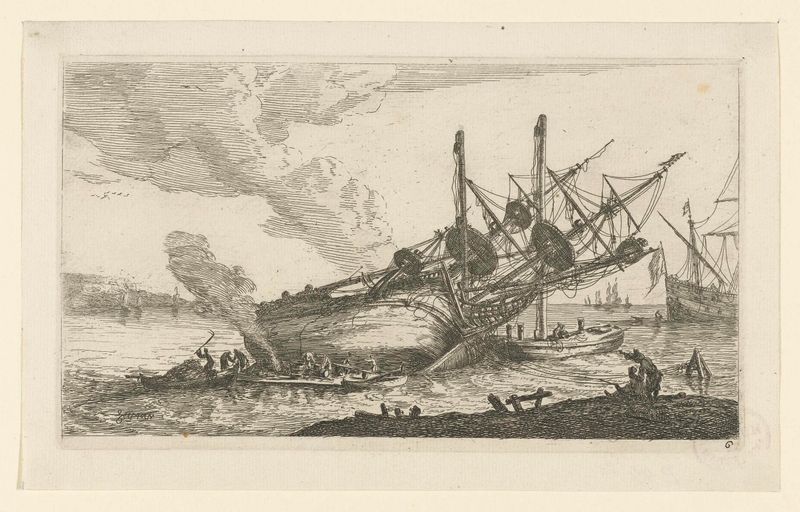
Reparaties aan de romp van een schip
Reinier Nooms
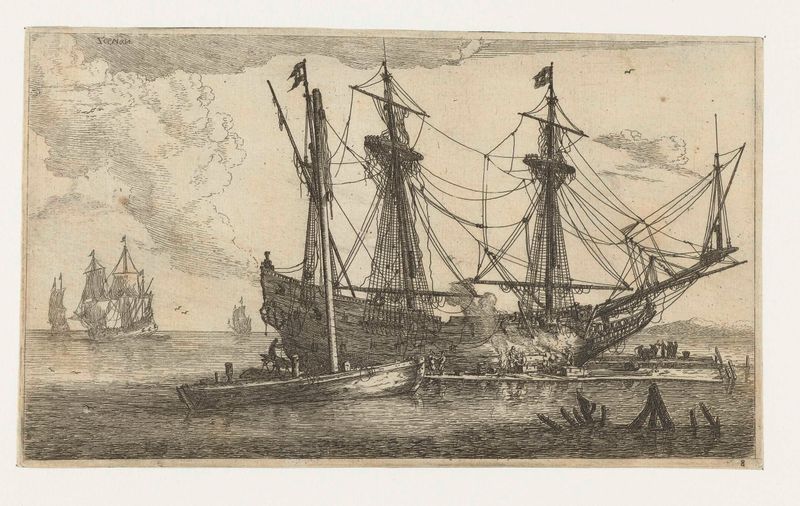
Reparaties aan de romp van een schip
Reinier Nooms





